

Heat Pump Service in Pine Knoll Shores, NC
Struggling with high energy bills in Pine Knoll Shores? Contact Airtech Mechanical for expert heat pump repairs and efficient upgrade options. Schedule today!
Is Your Heat Pump Failing to Keep Up with Coastal Weather?
Are rising energy bills at your Pine Knoll Shores home causing concern regarding your monthly budget? Your heat pump might not be as efficient as it once was, leading to inconsistent indoor temperatures and excessive humidity levels. Contact us today to schedule a comprehensive system diagnostic or to learn more about our flexible financing options for system upgrades.
When you rely on Airtech Mechanical Service Inc. for your HVAC needs, you secure a solution designed to withstand the specific challenges of the North Carolina coast. We address the root causes of system failure rather than just treating the symptoms.
- Restore your system’s efficiency with our expert tune-ups and targeted repairs.
- Reduce monthly costs with our energy-efficient heat pump solutions designed for humid climates.
- Receive prompt, professional service anytime, thanks to our 24/7 emergency response capabilities.
Our team is fully licensed and insured, offering expert guidance and financing options to make necessary updates affordable and stress-free.
What to Expect From Professional Heat Pump Service
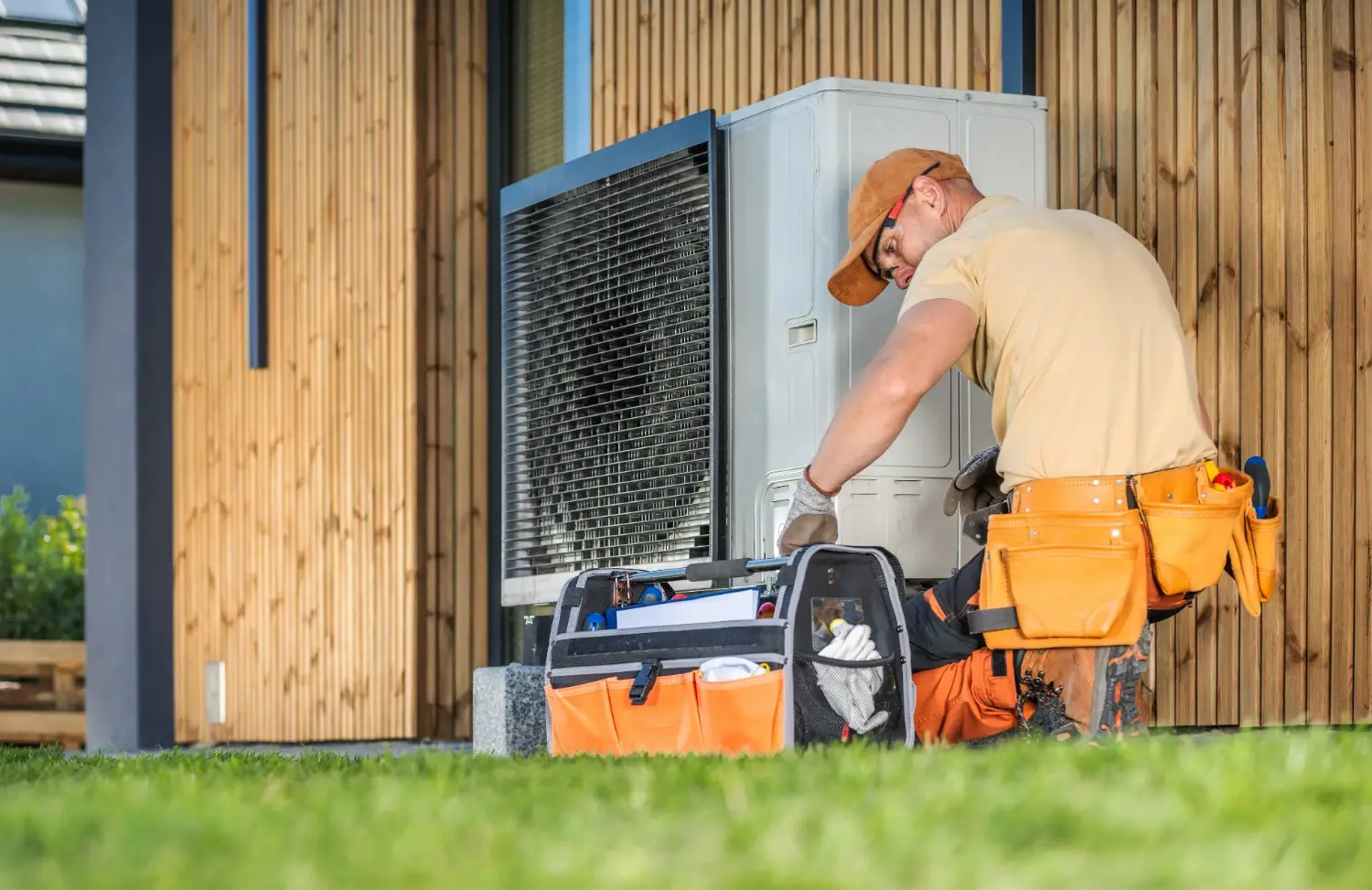
A heat pump is a complex piece of machinery that handles both heating and cooling, meaning it works hard year-round. When you request professional service, the goal is to ensure every component operates within manufacturer specifications. This process goes beyond a simple filter change. It involves a deep dive into the thermodynamics and electrical integrity of the system.
Technicians begin with a comprehensive evaluation of the airflow. Restricted airflow is one of the primary causes of compressor failure and efficiency loss. In a coastal environment, checking for ductwork integrity is also vital, as leaks can draw in humid, unconditioned air from attics or crawlspaces. The service includes verifying static pressure to ensure the blower motor is not overworking, which directly impacts the lifespan of the unit.
Refrigerant levels are another critical focus area. A system that is undercharged or overcharged cannot exchange heat effectively. In the summer, this manifests as a system that runs constantly but never quite cools the house. In the winter, it results in high auxiliary heat usage, which causes electric bills to skyrocket. Technicians attach gauges to measure subcooling and superheat, adjusting the refrigerant charge precisely to optimize the phase change required for heating and cooling.
Electrical components wear down over time due to heat and vibration. Service appointments include tightening all electrical connections and measuring the voltage and amperage on motors. Loose connections can create resistance, leading to overheating and burnt wires. Capacitors, which provide the torque to start motors, are tested to ensure they are within the rated microfarad range. Catching a weak capacitor early prevents a system breakdown on the hottest day of the year.
Finally, the condensate drain system is inspected and cleared. Heat pumps remove significant moisture from the air during the cooling cycle. If the drain line becomes clogged with algae or debris, it can lead to water damage in your home or cause the system to shut down via a safety float switch. Professional cleaning ensures water flows freely away from the unit.
The Process of Installation and Replacement
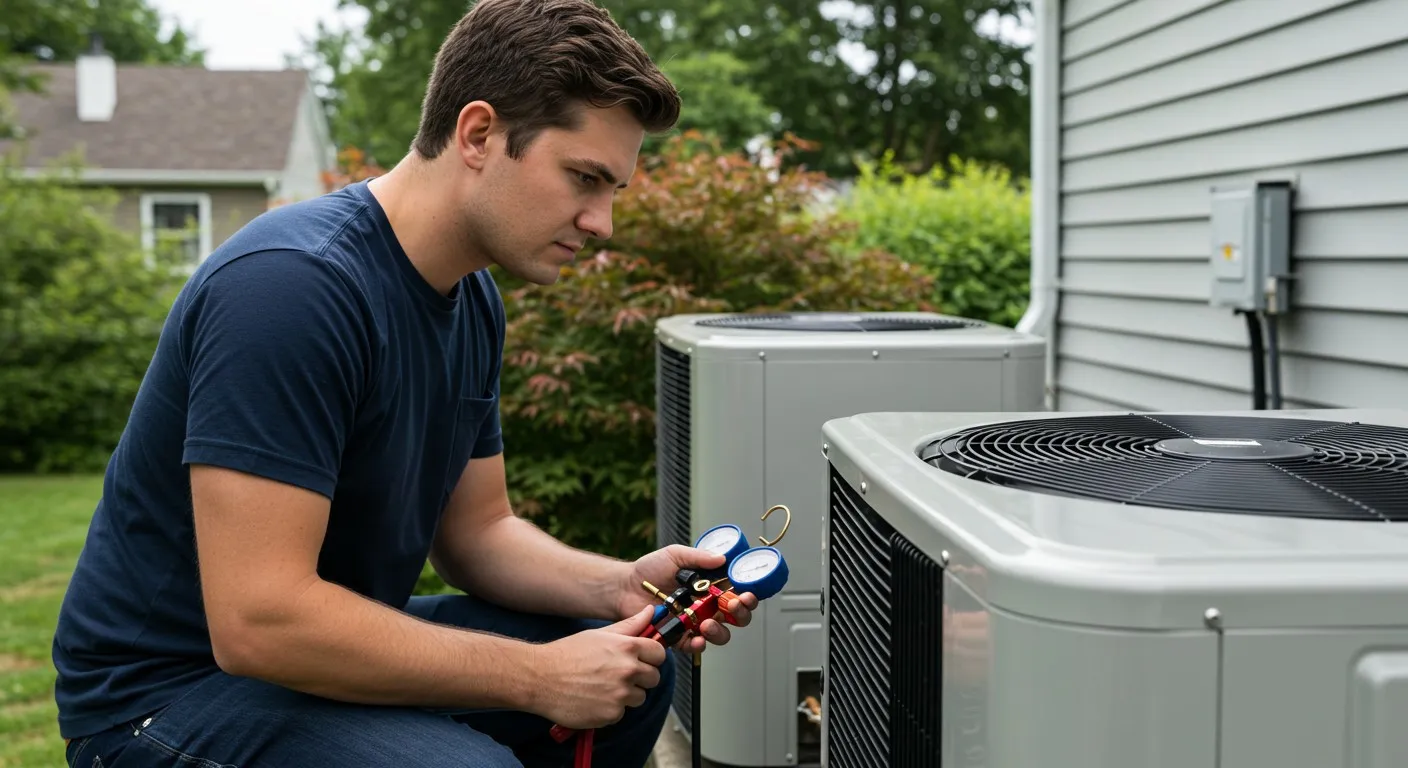
When repairs become frequent or energy efficiency drops significantly, replacing the system becomes the logical step. The installation process is rigorous and systematic to ensure the new unit performs exactly as rated. A high-efficiency unit installed poorly will perform like a low-efficiency unit, which makes the installation quality just as important as the equipment brand.
- Load Calculation and Sizing: The process begins with a Manual J load calculation. This engineering calculation determines the exact heating and cooling requirements of your specific structure. Factors such as square footage, window direction, insulation levels, and local climate data are analyzed. This ensures the new unit is neither undersized (running constantly) nor oversized (short-cycling and failing to dehumidify).
- Removal and Site Preparation: Technicians safely recover any remaining refrigerant from the old system according to EPA guidelines. The old equipment is disconnected and removed. The site is then prepped for the new unit. This often involves inspecting the existing pad to ensure it is level and, in coastal areas, ensuring it is elevated sufficiently to protect against potential water accumulation or storm surges.
- Equipment Placement and Connection: The new indoor air handler and outdoor condenser are positioned. For the outdoor unit, proper clearance is maintained to ensure adequate airflow across the coils. Refrigerant lines are brazed using nitrogen purging to prevent oxidation inside the copper tubing, a critical step for the longevity of modern refrigerants.
- Electrical and Control Setup: New electrical disconnects and whips are often installed to ensure safety and code compliance. The thermostat is wired and configured to manage the specific staging of the heat pump. Modern systems often utilize communicating thermostats that constantly relay data between the indoor and outdoor units to optimize performance.
- Vacuum and Start-Up: Before refrigerant is released, a deep vacuum is pulled on the line set to remove all moisture and non-condensables. Once the vacuum holds, the refrigerant is released or added. The system is then started, and technicians perform a series of tests to verify airflow, temperature split, and amp draw, ensuring the system is ready for operation.
When to Repair vs. When to Replace Your Heat Pump
Deciding between sinking more money into an existing system or investing in a new one is a common dilemma for homeowners. Making the right financial decision requires analyzing the age of the unit, the cost of the repair, and the system's current efficiency.
Consider replacement if the equipment is over 10 to 12 years old. Heat pumps in coastal regions often have a shorter lifespan due to salt corrosion compared to inland units. If a system in this age range requires a major component, such as a compressor or reversing valve, the investment is rarely recoverable. The technology in new units has advanced significantly, offering higher SEER2 and HSPF2 ratings that can lower monthly bills immediately.
Apply the "50% Rule" for a clear financial benchmark. If the cost of the repair approaches 50% of the value of a new system, replacement is generally the smarter option. Spending half the cost of a new unit to fix an old one does not reset the clock on the other components. You may fix the compressor today only to have the blower motor fail next month.
Frequency of breakdowns is another major indicator. If you have required professional service more than twice in the last year for breakdown repairs, the system is likely entering the end of its reliable service life. Reliability is a value in itself; the peace of mind that comes from a new system with a manufacturer's warranty often outweighs the uncertainty of nursing an old unit along.
Evaluate comfort and humidity control. As heat pumps age, their ability to remove humidity decreases due to compressor wear and dirty coils. If your home feels clammy in the summer or you notice hot and cold spots in different rooms, the system is no longer distributing air effectively. New variable-speed systems run for longer, lower-speed cycles that are superior at dehumidification and even temperature distribution.
Local Considerations: Salt, Humidity, and Codes
Operating a heat pump in Pine Knoll Shores presents unique challenges that do not exist in inland environments. The proximity to the ocean introduces salt spray into the air, which acts as a corrosive agent on metal components. Standard aluminum fins on outdoor coils can deteriorate rapidly, leading to "fin rot" where the metal crumbles away, destroying the unit's ability to transfer heat.
- Corrosion Protection: It is highly recommended to utilize equipment with factory-applied coastal corrosion protection or to apply aftermarket coatings to the outdoor coil. This creates a barrier against salt air, significantly extending the life of the condenser. Regular rinsing of the outdoor unit with fresh water is also a recommended maintenance habit for homeowners in this area.
- High Humidity Management: The humid subtropical climate means that latent heat removal (humidity) is just as important as sensible heat removal (temperature). Systems must be sized correctly to ensure they run long enough to pull moisture out of the air. Oversized units will cool the space too quickly and shut off before the humidity is reduced, leading to a risk of mold growth and discomfort.
- Hurricane and Storm Preparedness: Local building codes often dictate specific tie-down requirements for outdoor mechanical equipment. In hurricane-prone zones, the condenser must be securely anchored to the concrete pad or stand to prevent it from moving during high winds. Elevating the unit on a stand is also common practice to protect it from potential flooding or standing water during heavy seasonal rains.
- Permitting and Regulations: Replacing a heat pump involves electrical and mechanical work that requires adherence to North Carolina and local municipal codes. Permits are generally required to ensure the installation meets safety standards, particularly regarding electrical disconnects and wire sizing. Professional providers handle the acquisition of these permits and schedule the necessary county inspections to close out the job, ensuring your home remains compliant for insurance and resale purposes.
Why Professional Execution Matters
The difference between a system that lasts 15 years and one that fails in 7 often comes down to the quality of the service and installation. Heat pumps are refrigerant-based systems that rely on precise pressures and temperatures. There is no room for guesswork.
Professional technicians utilize advanced diagnostic tools to see what is happening inside the sealed system. This allows for data-driven decisions rather than parts-changing. Whether it is diagnosing a faulty defrost board or calculating the correct superheat for a new install, the technical expertise applied directly correlates to the efficiency you see on your utility bill.
Furthermore, manufacturer warranties are almost always contingent on proof of professional maintenance and installation. If a compressor fails under warranty, the manufacturer may require service records to process the claim. Relying on certified professionals ensures that your warranty coverage remains valid and that you have a paper record of all work performed.
At Airtech Mechanical Service Inc., we understand that technical proficiency must be paired with operational integrity. We provide clear assessments of what your system needs to perform reliably in our specific coastal climate.
Secure Your Comfort and Efficiency Today
Your home’s comfort depends on a heat pump that functions efficiently and reliably, regardless of the season. Ignoring signs of inefficiency or delaying necessary repairs can lead to higher costs and premature system failure. By addressing these issues now, you ensure consistent temperature control, lower energy consumption, and extended equipment life.
Don't let a failing system compromise your indoor environment. Contact us today to schedule your service or installation and ensure your home remains comfortable year-round.
Other Services