

Heat Pump Service in New Bern, NC
Encounter a heat pump failure in New Bern? Contact us for immediate repair and expert services. Get peace of mind with our 24/7 emergency solutions and transparent pricing.
Heat Pump Malfunctions Require Immediate Attention
Dealing with unexpected heat pump failures can disrupt comfort in any season, particularly given the variable climate in New Bern. Whether it is a sweltering July day where the humidity feels suffocating or a chilly January night requiring immediate warmth, your family's comfort cannot wait for a convenient time slot. Contact us today for emergency diagnostics or financing options to restore your system immediately.
- Receive rapid, expert service, 24/7 emergency repairs to restore warmth and cool swiftly.
- Certified technicians equipped with state-of-the-art tools ensure your heat pump operates efficiently.
- Transparent pricing and detailed service descriptions, no surprises, just solutions.
All services are backed by a comprehensive warranty for peace of mind.
Immediate Relief for Heat Pump Breakdowns
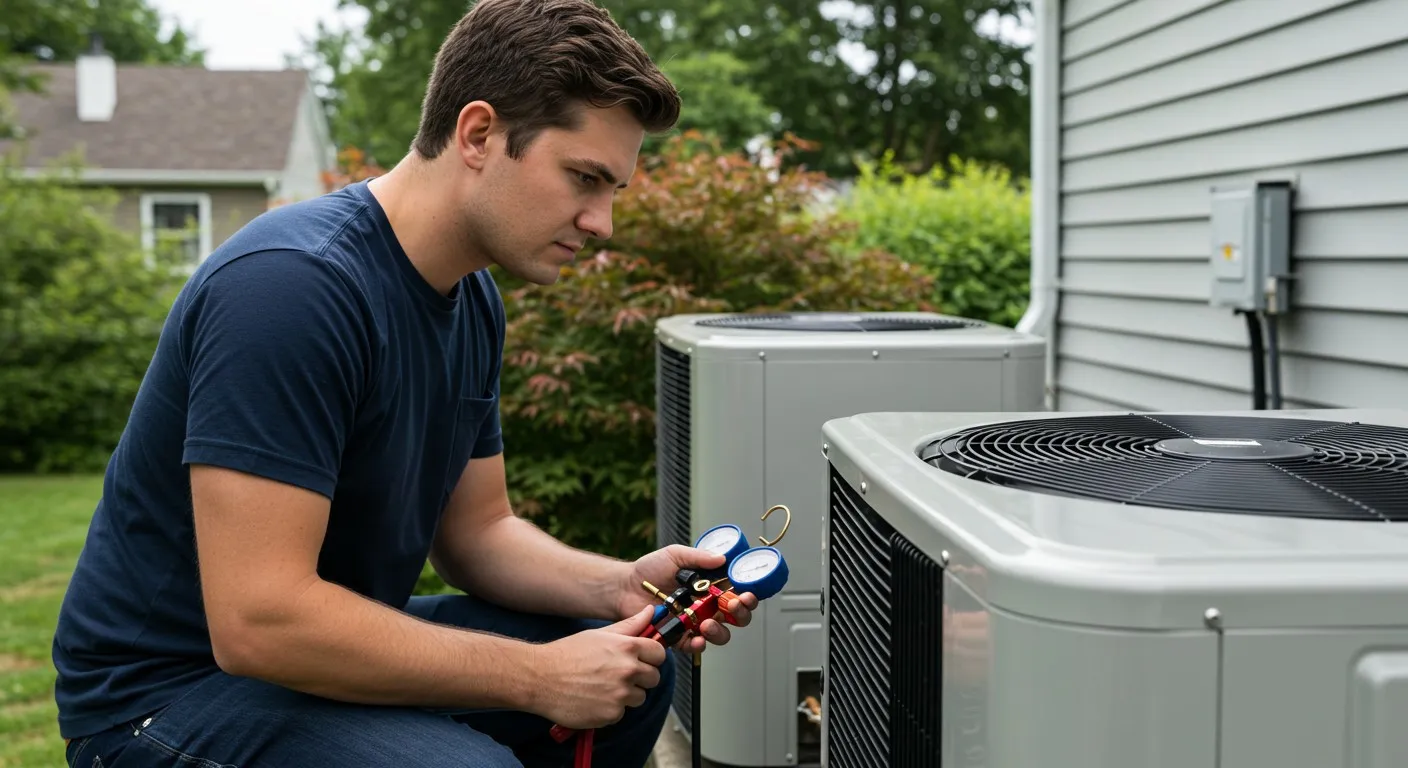
A heat pump is the lifeline of a home’s climate control system, especially in regions where the weather shifts drastically between humid heat and damp cold. When a system fails, the internal environment of a home deteriorates rapidly. In the summer, humidity levels inside the home can spike within hours, leading to discomfort and potential moisture damage to interiors. In the winter, the lack of heating can endanger pipes and make living conditions unsafe.
Airtech Mechanical Service Inc. understands that a breakdown is never just a mechanical inconvenience; it is an urgent disruption to daily life. The most common indicators of a system requiring immediate professional attention go beyond total system failure. Property owners often notice strange auditory signals, such as grinding or squealing noises, which indicate motor or belt issues. Others may experience short-cycling, where the unit turns on and off frequently without reaching the set temperature. This not only fails to condition the air but also causes significant wear on the compressor, the most expensive component of the system.
Another critical sign of distress is the presence of ice on the outdoor unit during the winter. While a light frost is normal during a defrost cycle, heavy accumulation of ice indicates a failure in the defrost board, sensors, or reversing valve. Ignoring these signs often leads to a catastrophic compressor failure, transforming a moderate repair into a full system replacement. Addressing these symptoms immediately preserves the longevity of the equipment and restores the indoor environment to set parameters.
What You Get Today: Fast Repairs, Transparent Process
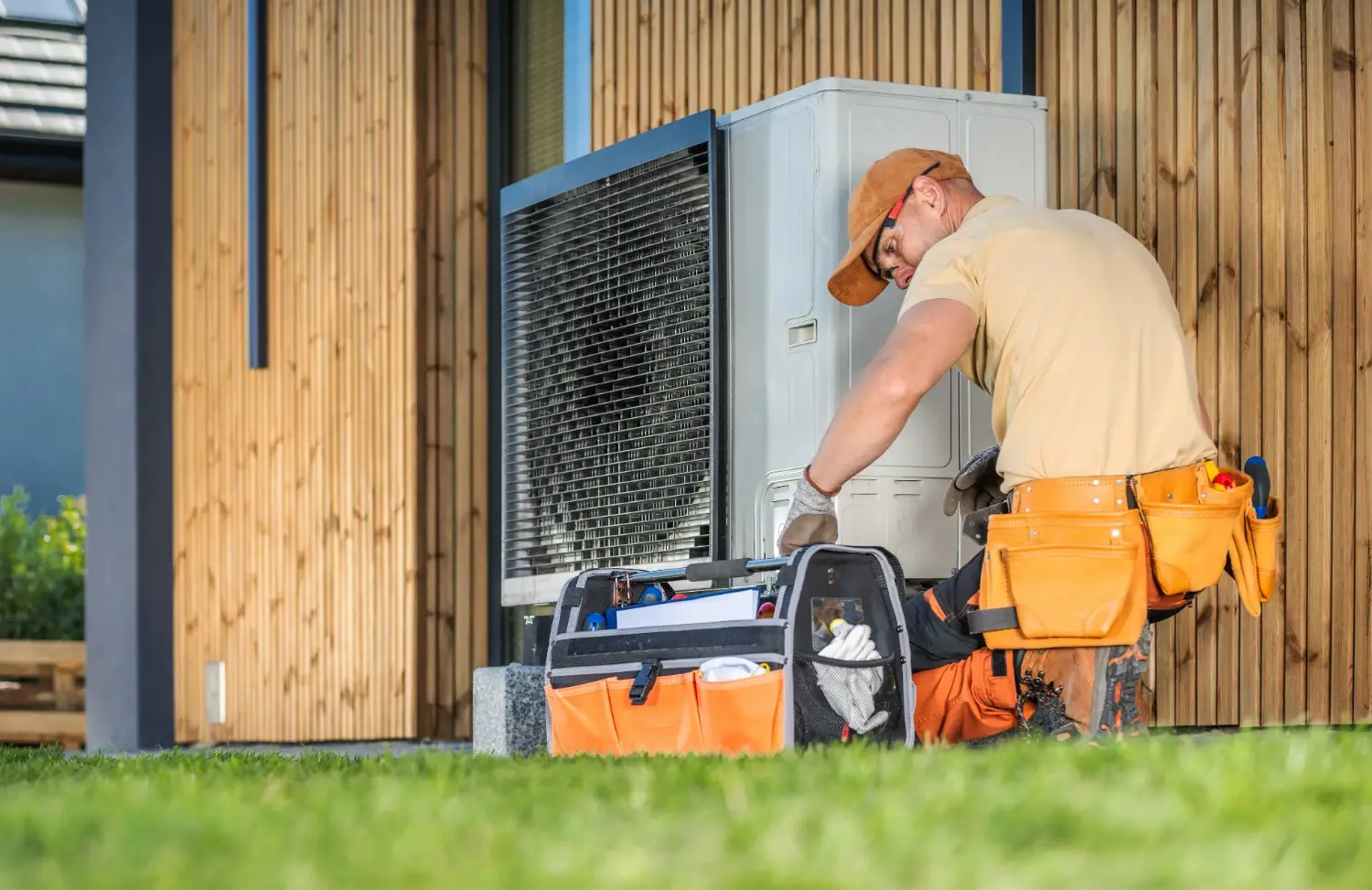
When a technician arrives at a property in New Bern to address a heat pump issue, the objective is to move from diagnosis to resolution in a single visit whenever possible. Service calls focus on a comprehensive evaluation of the system’s health rather than a superficial patch-up. The goal is to identify the root cause of the failure, not just the symptom.
- Complete Electrical Analysis: Technicians inspect all electrical connections, tighten loose wiring, and measure voltage and amperage on motors. Loose connections are a leading cause of intermittent failures and can lead to hazardous overheating.
- Refrigerant Charge Verification: Heat pumps require a precise level of refrigerant to transfer heat effectively. Low levels often indicate a leak that must be sealed, while high levels suggest improper prior installation. Correcting this balance is essential for efficiency.
- Airflow and Blower Inspection: The indoor blower motor and wheel are examined for debris buildup and mechanical drag. Restricted airflow forces the system to work harder, increasing utility costs and reducing the lifespan of the unit.
- Thermostat Calibration: The interface between the user and the machine must be accurate. Calibration ensures that the temperature commanded is the temperature delivered.
- Defrost Cycle Testing: For winter operation, the defrost cycle is manually engaged to ensure the reversing valve shifts correctly and the outdoor fan shuts down as designed to melt ice accumulation.
Residents receive a clear explanation of the findings. If a part has failed, the specifics of that component’s function and the cost to replace it are laid out clearly. There is no ambiguity regarding labor costs or part pricing. The focus remains on restoring the system to manufacturer specifications.
How Our Heat Pump Service Works: Steps for Success
Professional service follows a logical, rigorous structure to ensure no variable is overlooked. This systematic approach minimizes the risk of callbacks and ensures the system operates reliably after the technician departs.
- Initial Assessment and Safety Check: Upon arrival, the technician first secures the site and performs a safety check. This involves turning off power at the disconnect box before opening any panels. The technician listens to the homeowner’s description of the issue to narrow down potential causes, such as recent noises or smells.
- Diagnostic Testing: Using specialized multimeters and pressure gauges, the technician tests the system's vital signs. They check the capacitor ratings to ensure the start and run capacitors are within microfarad specifications. They also attach gauges to the service ports to read superheat and subcooling levels, which provide a clear picture of the refrigerant cycle's performance.
- Root Cause Identification: Once the data is gathered, the technician identifies the primary failure point. For example, if the compressor is not starting, they determine if the issue lies with the compressor itself, the start kit, or the contactor. This distinction is vital for cost-effective repair.
- Review and Approval: Before any wrench is turned for the repair, the findings are presented. The homeowner is informed of the necessary repair, the time it will take, and the total cost. Work proceeds only after this scope is approved.
- Execution of Repair: The technician performs the repair using OEM (Original Equipment Manufacturer) or equivalent high-quality parts. This might involve brazing a new line set, replacing a burnt-out contactor board, or swapping out a seized fan motor.
- System Validation and Cleanup: After the repair is complete, the system is powered on and observed through a full cycle. The technician validates that the temperature differential (delta T) across the supply and return air is within the correct range. Finally, the work area is cleaned, and old parts are removed from the premises.
When Replacement Is More Economical Than Repair
A frequent dilemma for property owners is deciding whether to pour money into an aging unit or invest in a modern, more efficient system. While repair is often the first instinct, there are mathematical and practical thresholds where replacement becomes the financially sound decision.
- The 50% Rule: A general guideline used in the industry is that if the cost of the repair approaches 50% of the value of the system (or the cost of a new system), replacement is the smarter option. Investing half the cost of a new unit into an old one that may fail again in six months is rarely economical.
- Age and Warranty Status: Heat pumps generally last between 10 and 15 years. If a unit in New Bern is over 12 years old and suffers a major component failure, such as a compressor grounding out or a leaking evaporator coil, replacement is usually recommended. Units out of warranty leave the owner liable for expensive parts and labor.
- Refrigerant Type: Older systems utilize R-22 refrigerant (Freon), which has been phased out and is astronomically expensive to procure. If an R-22 system develops a leak, the cost to recharge it often exceeds the cost of a monthly payment on a new, high-efficiency system. Modern systems use R-410A or newer eco-friendly refrigerants that are cheaper and more available.
- SEER Ratings and Efficiency: Older heat pumps often have SEER (Seasonal Energy Efficiency Ratio) ratings of 10 or 12. Modern units start at 14 and go well into the 20s. Upgrading to a higher SEER unit can reduce monthly energy bills significantly, effectively paying for a portion of the installation cost over time.
- Comfort Consistency: As units age, they lose the ability to maintain consistent temperatures and control humidity. If a home feels clammy in the summer despite the AC running, the heat pump is likely no longer removing moisture effectively.
For many homeowners, the long-term savings of a full system replacement outweigh the immediate costs of repeated repairs.
Local Guidelines: Permits, Rebates, and Optimal Maintenance Times
Operating a heat pump in New Bern involves navigating specific local conditions and regulations. The proximity to the coast and the specific humidity profile of the region impact how systems should be maintained and installed.
- Permitting Requirements: Major repairs involving structural changes or full system replacements typically require permits from local building departments. This ensures that the installation meets current safety codes, particularly regarding electrical disconnects and condensate drainage. Professional providers handle the acquisition of these permits, ensuring the homeowner is not liable for unpermitted work during a future home sale.
- Humidity and Drainage: New Bern experiences high humidity, which means heat pumps produce significant amounts of condensate water during the cooling season. Local codes often require specific float switches and secondary drain pans to prevent water damage to ceilings and floors. Regular clearing of condensate lines is critical in this region to prevent algae buildup that leads to overflows.
- Corrosion Concerns: For properties closer to the water, salt air can accelerate corrosion on the outdoor condenser coils. In these zones, it is often recommended to apply special coatings to the aluminum fins or to schedule more frequent chemical cleanings to rinse away salt deposits that eat away at the metal.
- Seasonal Maintenance Timing: The optimal time for heat pump maintenance in this area is twice a year. Spring maintenance (March/April) prepares the system for the heavy lifting of summer cooling. Autumn maintenance (September/October) is crucial for testing the heating elements and defrost controls before the temperature drops.
- Utility Rebates: Local utility providers frequently offer rebates for upgrading to high-efficiency heat pumps or for performing specific tune-ups that reduce grid load. Professional technicians can often provide the necessary documentation to help homeowners claim these incentives.
Why Technical Expertise Matters for Heat Pumps
Heat pumps are complex machines that serve dual purposes: heating and cooling. This duality introduces mechanical complexity that standard air conditioners do not possess, specifically regarding the reversing valve and the defrost control logic. Attempting to service these units without deep technical knowledge can lead to misdiagnosis and further damage.
The difference between a functioning system and an optimized system lies in the details. A technician must understand thermodynamics to properly charge a system. If a system is overcharged, the compressor risks liquid slugging, which destroys the valves. If undercharged, the windings overheat. Using advanced diagnostic tools allows for precision that guesswork cannot match. Digital manifolds measure pressures down to the decimal, and thermal imaging cameras can detect electrical hotspots before they become fire hazards.
Airtech Mechanical Service Inc. employs technicians who undergo rigorous training to stay current with evolving HVAC technology. Modern systems increasingly rely on communicating inverters and variable-speed motors. These components require software updates and digital diagnostics rather than simple mechanical fixes. Trusting a certified professional ensures that the warranty remains valid and the equipment operates safely.
Furthermore, professional service includes a holistic view of the home’s envelope. A heat pump can only perform as well as the ductwork allows. Professionals check for duct leakage and insulation gaps that might be undermining the performance of the unit. This comprehensive approach ensures that the energy paid for is actually delivered to the living space.
Securing Your Comfort with Reliable Service
The reliability of a heat pump determines the quality of life within a home. From the intense heat of summer to the damp chill of winter, the system must perform on demand. Waiting for a complete breakdown results in higher repair costs, increased stress, and potential safety risks. Proactive service and timely repairs ensure that the indoor environment remains stable, regardless of the weather outside.
Whether the requirement is an urgent repair to a seized motor, a routine inspection to verify efficiency, or a consultation on upgrading to a modern system, professional intervention is the key to longevity and performance. Do not let a minor noise turn into a major expense.
Secure your appointment for expert heat pump service now and ensure your home stays comfortable year-round.
Other Services