

AC Maintenance & Tune-Up
Ensure your AC performs optimally with Airtech's comprehensive maintenance. Avoid breakdowns and enhance efficiency. Schedule your tune-up today!
Why Proactive AC Maintenance is Essential
That damp, sticky feeling that lingers in your living room no matter how low you set the thermostat, the musty odor that greets you when the system kicks on, and the constant battle with indoor humidity are clear signs your equipment is struggling. These symptoms mean your air conditioner has lost its ability to effectively cool and dehumidify your home, turning your sanctuary into a clammy, uncomfortable space. Airtech is ready to step in with professional maintenance to restore your system's performance and protect your daily comfort.
Signs Your Air Conditioner Needs a Tune-Up
Your Home Feels Damp or Humid
You might notice the air feels heavy and clammy, or perhaps you see condensation forming on the inside of your window panes during the afternoon. Sometimes the surfaces of your tables and kitchen counters even feel slightly sticky to the touch when you walk into the room. When a home feels like this, it tells me that your system is no longer effectively removing moisture from the air during the standard cooling cycle.
This frustrating lack of dehumidification is often caused by a dirty evaporator coil, an incorrect refrigerant charge, or airflow issues that prevent the system from drawing enough air across the cold components. Ignoring this persistent humidity allows mold and mildew to thrive right under your nose, which can severely damage your property over time. It also forces you to run the equipment much longer and harder just to feel comfortable, steadily driving up your monthly energy bills.
Water Leaking Near the Indoor Unit
Discovering a puddle of water on the floor around your indoor air handler or spotting fresh water stains on the ceiling below it is a sudden, stressful event for any homeowner. Your air conditioner naturally produces a significant amount of liquid water as it pulls heavy humidity out of the indoor air. Normally, this water drips safely into a collection pan and quietly flows outside through a dedicated pipe.
Nine times out of ten during a New Bern service call, we find that this dangerous leak is caused by a severely clogged condensate drain line. That drained water mixes with household dust and sticky local pollen to create a thick biological sludge that completely blocks the narrow PVC pipe. A small backup can quickly overflow the drain pan, leading to thousands of dollars in ruined drywall, warped hardwood flooring, and heavily damaged ceilings.
Weak or Uneven Airflow From Vents
If the air coming out of your supply vents feels like a weak breeze rather than a strong, steady current, your system is practically suffocating. You might also notice that rooms located farther from the thermostat are always stubbornly warm, or that it takes much longer than it used to for your home to cool down. This uneven cooling is a classic, frustrating sign of restricted airflow somewhere inside the ductwork or the air handler itself.
The culprit is typically a severely clogged air filter, a thick layer of grime coating the indoor coil, or a blower motor that is beginning to fail under the constant strain. Poor airflow forces your entire setup to work overtime, putting immense thermal stress on the outdoor compressor and wasting a massive amount of electricity. Catching this restriction early is absolutely crucial to prevent premature system failure and keep your entire home evenly cooled.
Musty or Dirty Sock Odors
A foul, musty smell coming directly from your vents, often described as smelling exactly like dirty gym socks, is a serious warning sign you should never ignore. That distinct odor is entirely organic, meaning you are smelling active bacterial or fungal growth hiding deep inside your ductwork or equipment. It typically originates from mold and mildew thriving on the dark, permanently damp evaporator coil hidden inside your indoor unit.
The persistent humidity in our region creates the absolute perfect breeding ground for this fast-spreading microbial growth if the system isn't cleaned regularly. This goes far beyond an unpleasant smell, as your equipment is actively circulating mold spores and other airborne contaminants throughout your living areas every single time the fan runs. This severely degrades your home's air quality and can trigger severe respiratory irritation for anyone living inside.
What Our Technicians Find During AC Tune-Ups
Clogged Condensate Systems
The condensate drain line and the pan beneath your indoor coil are designed to channel gallons of liquid water safely out of your home every single day. However, our heavy climate forces your equipment to pull massive amounts of moisture from the indoor air constantly just to maintain a baseline of comfort. This heavy, continuous workload means the drain system is perpetually wet and highly vulnerable to blockages.
This constant moisture inevitably combines with airborne dust, pet dander, and the fine pollen that makes its way inside your house. Together, they form a thick, gelatinous sludge that easily clogs the narrow drain line and causes standing water to back up. During a proper tune-up, we do not just poke at the clog; we thoroughly flush the entire line and clean the pan to ensure water flows freely and safely away from your property.
Contaminated Coils and Blower Wheels
Your system relies on an indoor evaporator coil and an outdoor condenser coil, both covered in hundreds of paper-thin metal fins designed to rapidly transfer heat. The indoor blower wheel is the powerful engine that pulls warm air across these fins and pushes cold air back into your rooms. In our local environment, sticky pollen, swirling dust, and high humidity eventually weave a thick, suffocating blanket over these critical components.
We routinely open up indoor units to find coils matted with a sweater-like buildup of grime, while outdoor units are choked with heavy layers of pollen and yard debris. This contamination acts as a layer of dense insulation, severely restricting airflow and preventing the coils from absorbing or releasing heat effectively. Our maintenance process utilizes specialized, non-damaging foaming cleaners to gently break down this baked-on grime and completely restore the system's ability to breathe.
Failing Electrical Components
Capacitors and contactors are the unsung mechanical heroes of your HVAC system, acting as critical electrical gateways that help start and run the heavy-duty motors. The long, demanding cooling season means these small parts are subjected to immense stress, constant voltage fluctuations, and extreme outdoor heat for months on end. This sustained operational strain causes the internal materials to weaken, swell, and eventually lose their ability to hold a proper electrical charge.
A key part of professional maintenance is carefully testing the microfarad readings on these electrical components before they have a chance to completely fail. Identifying and replacing a weak capacitor during a routine visit is a simple, inexpensive fix that takes just a few minutes to complete. Catching this electrical degradation early actively prevents the catastrophic and incredibly expensive failure of your system's compressor or main fan motor down the road.
Exactly What Happens During Your Tune-Up
When I arrive at your home representing Airtech, the very first thing I do is listen closely to any specific concerns you have about how your system has been performing lately. Whether you have noticed a strange rattling sound, a sudden spike in your utility bills, or a specific room that never quite cools down, that information helps guide my diagnostic inspection. My goal is to address the exact issues you have been experiencing while performing a complete physical evaluation of the equipment.
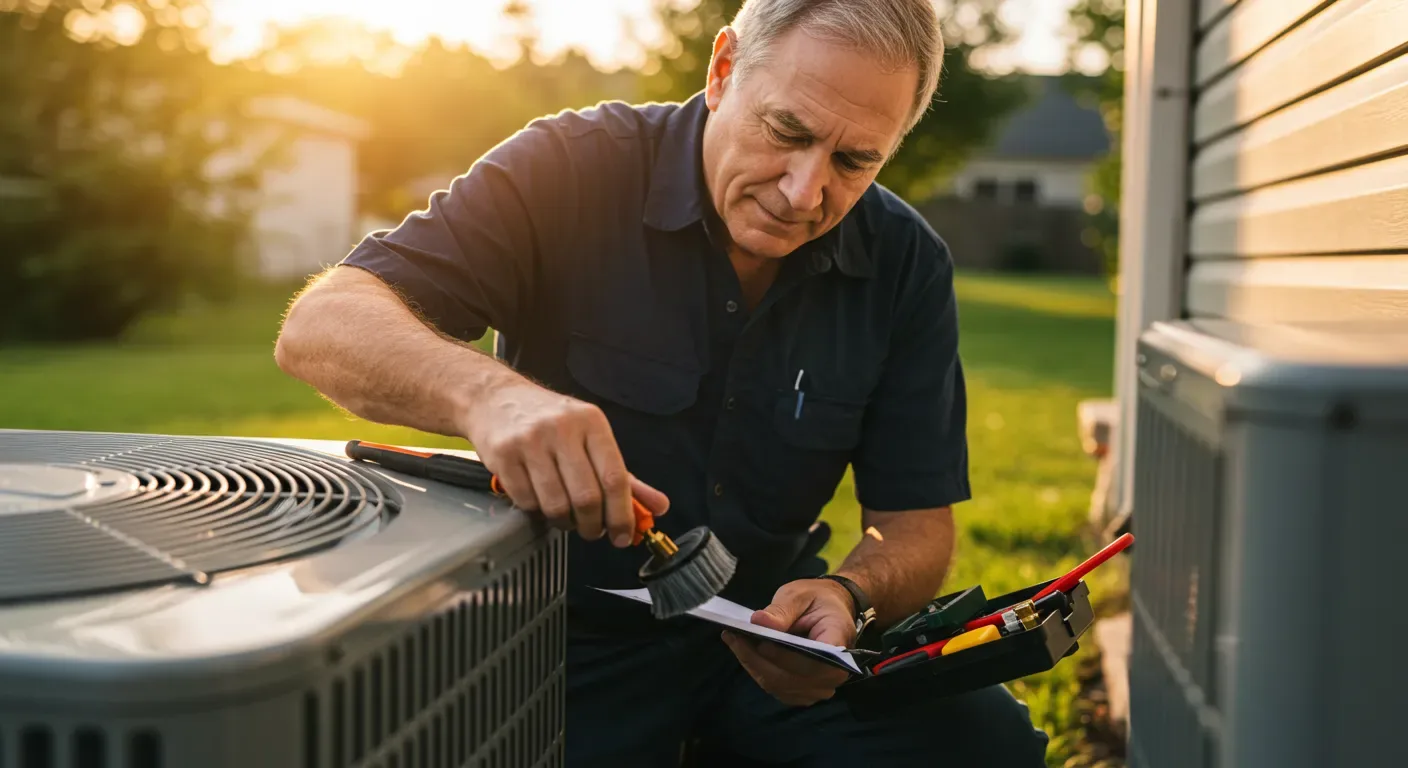
This service is a meticulous, multi-point tune-up, entirely different from a quick visual glance or a basic filter swap. I will thoroughly inspect, clean, and test all the critical mechanical and electrical components inside your attic or closet and outside in the yard. This process includes carefully washing the indoor and outdoor coils, flushing out the condensate drain line to prevent water damage, testing the exact draw on your capacitors, lubricating moving motor parts, and verifying that your refrigerant levels match the manufacturer specifications perfectly.
Before I pack up my tools, I will check your current air filter and show you exactly how to maintain proper airflow between our professional visits. You will receive a clear, highly detailed report on the overall health of your air conditioner, and I will point out any parts that are beginning to show signs of excessive wear and tear. Enrolling in one of our Preventative Maintenance Agreements makes scheduling this essential service automatic and highly cost-effective year after year.
Maintenance, Repair, or Replacement Choices
Consistent, professional maintenance is absolutely the most effective strategy to extend the lifespan of your equipment and avoid spending your weekends waiting for an emergency fix. It is a direct, measurable investment in the daily reliability and energy efficiency of your home cooling system. However, tune-ups sometimes reveal deeper underlying mechanical issues that require more than just a thorough cleaning and calibration to resolve.
If I discover a heavily worn-out blower motor, a dangerously failing control board, or an active refrigerant leak during my inspection, I will sit down with you to provide a clear, upfront estimate for professional Air Conditioning Repair & Service. We focus strictly on permanent, reliable solutions rather than just pointing out problems and leaving you in a hot, uncomfortable house. If persistent humidity and foul odors remain a major concern even after cleaning, we might also discuss upgrading your setup with dedicated Indoor Air Quality Solutions like high-output UV lights or whole-home dehumidifiers.
For cooling systems that are well over a decade old, rely on phased-out chemical refrigerants, or require increasingly frequent repairs just to limp through the summer, dumping money into fixes stops making financial sense. In those specific situations, it is often much more economical to consider a modern, high-efficiency Air Conditioning Installation & Replacement. I can provide the hard data you need to compare the long-term energy savings of a brand-new system against the mounting, unpredictable repair costs of your current unit.
The Real Cost of Skipping Routine AC Maintenance
Running a dirty, untuned system forces the delicate equipment to work significantly longer and harder just to lower the room temperature a single degree. This constant, inefficient struggle consumes a massive amount of excess electricity, which shows up immediately on your monthly utility bills. In a climate where the air conditioner runs constantly for a huge portion of the year, this wasted energy adds up to a substantial financial loss that easily eclipses the cost of routine care.
Furthermore, small, entirely preventable problems like a weak capacitor or a moderately dirty evaporator coil create a dangerous domino effect inside the heavy machinery. When minor parts struggle to perform their jobs, they shift the electrical and thermal burden directly onto the outdoor compressor. The compressor is the absolute heart of your cooling system and the most expensive single component to replace, making proactive maintenance critical for catching these cascading failures before they happen.
Finally, ignoring regular service practically guarantees that a severely clogged condensate drain is not a matter of if it will happen, but exactly when. The catastrophic cost of replacing water-logged drywall, tearing up warped hardwood flooring, and mitigating rapidly spreading mold far exceeds the modest price of an annual tune-up. Keeping your system impeccably clean also prevents it from becoming a dark, damp incubator for bacteria and mold spores that severely degrade the air your family breathes every single day.
Schedule Your AC Tune-Up Today
Do not wait for the intense heat and heavy humidity to reveal a hidden, expensive problem with your air conditioner on a weekend afternoon. A proactive, professional tune-up ensures your system is perfectly clean, highly efficient, and fully prepared to handle the relentless demands of a long cooling season. Taking care of your equipment right now guarantees absolute peace of mind and reliable comfort when you need it most.
The expert technicians at Airtech are highly trained and ready to help homeowners throughout New Bern and the surrounding communities protect their vital HVAC investments. We pride ourselves on delivering honest technical assessments, meticulous workmanship, and genuine customer care on every single visit. Contact us today to schedule your comprehensive maintenance service and experience the incredible difference a perfectly tuned system makes.
Other Services