

Heat Pump Installation in New Bern, NC
Struggling with high humidity? Upgrade to a high-efficiency heat pump in New Bern, NC. Contact us for a comprehensive system evaluation and modern installation options.
Is Your Current Heat Pump Failing to Keep Up With Humidity and Temperature Swings?
Is your existing heating and cooling system struggling to manage the distinct combination of high summer humidity and mild winters common in New Bern, NC? Homeowners often find themselves overpaying on monthly energy bills or dealing with inconsistent room temperatures when their equipment is no longer operating at peak efficiency. Contact us today to schedule a comprehensive system evaluation or to discuss available financing options for a new installation.
An aging system does more than just fail to cool or heat; it often lacks the variable-speed technology required to properly dehumidify your home, leading to a clammy indoor environment and potential mold growth. Upgrading your equipment addresses these comfort issues while strictly managing operational costs.
- Enjoy cooler, drier summers and consistently warm winters with a high-efficiency heat pump designed for this climate.
- Reduce your monthly energy expenditures by utilizing the latest SEER2 and HSPF2 heat pump technology.
- Secure a reliable installation backed by a comprehensive labor and parts warranty for long-term peace of mind.
- Certified and permitted installations ensure full code compliance and safety, with flexible financing options available.
What Modern Heat Pump Installation Includes
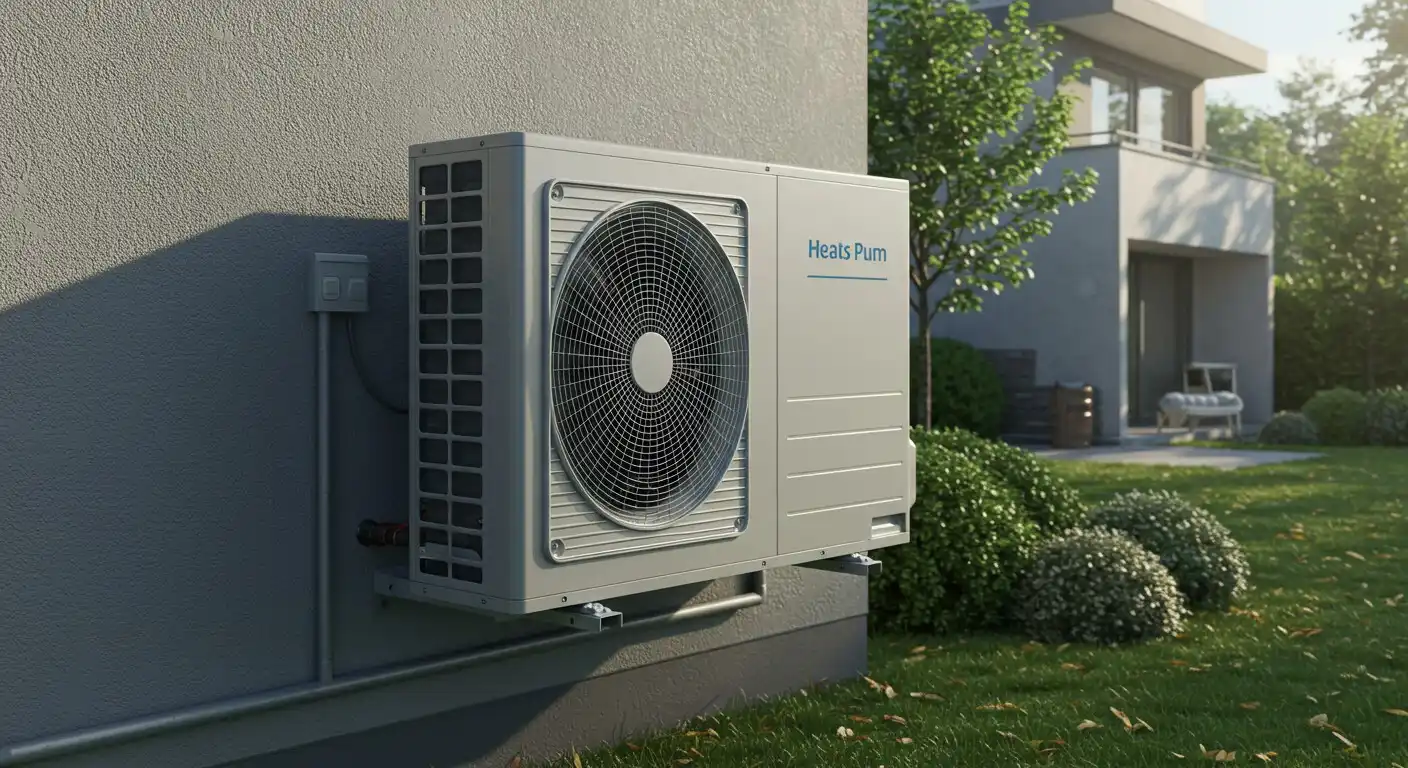
Investing in a new heat pump system is a significant decision that involves much more than simply swapping out one metal box for another. A proper installation focuses on total system performance, ensuring that the new unit integrates seamlessly with your home’s existing infrastructure to deliver maximum efficiency. When you commission a replacement, the scope of work covers every component necessary for reliable thermal transfer and air distribution.
The installation package typically begins with a Manual J load calculation. This calculation is critical because it determines the exact heating and cooling load required for your specific square footage, insulation levels, and window orientation. Oversized units cycle on and off too frequently, failing to dehumidify the air, while undersized units run constantly without reaching the set temperature. Correct sizing is the foundation of longevity.
Included in a standard installation are:
- Removal and Disposal: Safe recovery of old refrigerant according to EPA regulations and the removal of the existing outdoor condenser and indoor air handler.
- Site Preparation: Leveling the ground pad or inspecting the mounting brackets to ensure the outdoor unit remains stable and vibration-free.
- Electrical Safety Upgrades: Replacement of the outdoor electrical disconnect box and the electrical whip to ensure safe power delivery to the new high-voltage equipment.
- Line Set Management: Flushing existing copper refrigerant lines to remove contaminants or installing new insulated line sets if the previous ones are incompatible with modern refrigerants.
- Thermostat Integration: Installation and calibration of a matched thermostat or control interface that can communicate effectively with the new system’s stages.
- Ductwork Connection: Sealing the connection points between the new air handler and the existing supply and return plenums to prevent air leakage.
The Installation and Replacement Process
A systematic approach to installation prevents future breakdowns and ensures the equipment operates at its rated efficiency from day one. Airtech Mechanical Service Inc. follows a strict protocol to ensure that every installation meets manufacturer specifications and local building codes. This process minimizes disruption to your home while maximizing the performance of the new hardware.
- Assessment and Engineering: The process starts with the load calculation mentioned earlier. Technicians also inspect the ductwork for leaks or restrictions that could hamper airflow. If the ducts are undersized, simply installing a high-efficiency heat pump will not solve comfort problems.
- Equipment Staging and Protection: Technicians prepare the workspace by laying down drop cloths and wearing shoe covers to protect flooring. The new equipment is unboxed and inspected for any shipping damage before the installation begins.
- Refrigerant Recovery and Removal: Before the old unit is touched, certified technicians attach a recovery machine to pull all existing refrigerant out of the system. This is a federal requirement to protect the environment. Once the system is empty, the old lines are disconnected, and the heavy units are removed from the property.
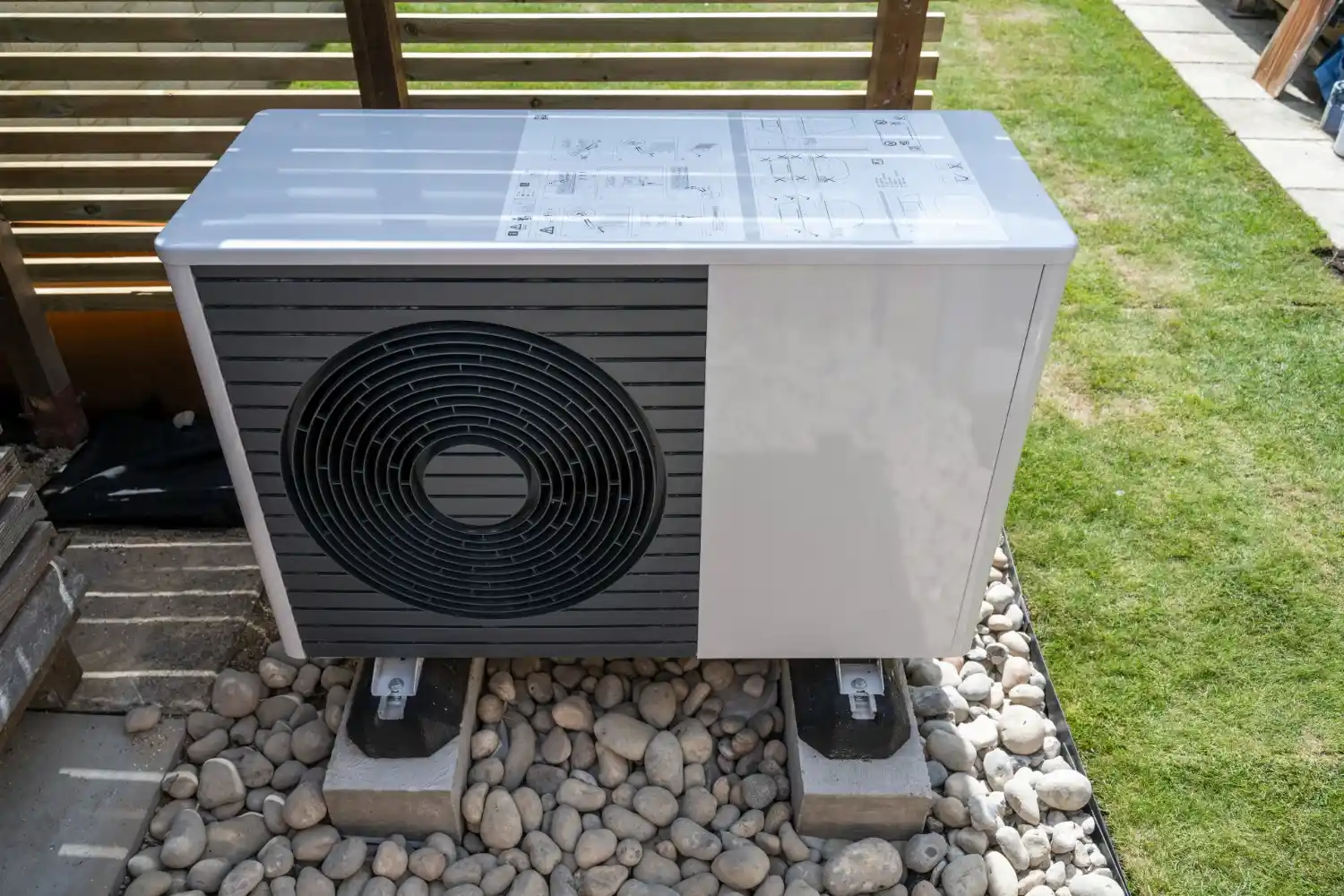
- Indoor and Outdoor Installation: The new air handler is positioned and secured. Simultaneously, the outdoor heat pump is set on a composite pad that elevates it slightly, which is crucial for drainage and preventing debris buildup.
- Brazing and Sealed Systems: The copper refrigerant lines are connected using high-temperature brazing with a nitrogen purge. Flowing nitrogen through the lines while brazing prevents oxidation and scale buildup inside the pipe, which could otherwise clog the sensitive metering devices in the new unit.
- Vacuum and Charging: A vacuum pump is attached to the system to remove all moisture and non-condensable gases. The system must hold a deep vacuum to prove it is leak-free. Once confirmed, the refrigerant is released or weighed in to the exact factory specifications.
- Commissioning and Testing: The system is powered on and tested in both heating and cooling modes. Technicians measure static pressure, temperature split (the difference in temperature between supply and return air), and voltage draw to certify the system is running perfectly.
Determining When Replacement Beats Repair
Deciding between repairing a breakdown or investing in a replacement is a financial calculation based on the age of the unit, the cost of the repair, and the efficiency of the current system. While repairs can extend the life of a unit, there is a tipping point where putting money into an old machine yields diminishing returns.
You should prioritize replacement over repair in the following scenarios:
- The 50% Rule: If the cost of the repair approaches 50% of the value of a new system, replacement is the smarter financial move. A major repair on an old unit does not guarantee that another component won’t fail next month.
- Refrigerant Type: If your system utilizes R-22 (Freon), which has been phased out, repair costs for refrigerant leaks are astronomical. Modern systems use R-410A or newer, eco-friendly alternatives that are cheaper and more readily available.
- Age of the System: Heat pumps generally last 12 to 15 years. If your unit is over 12 years old and facing a major component failure, like a compressor or reversing valve, replacement offers better long-term value.
- Rising Energy Bills: Heat pump technology has advanced significantly in the last decade. Replacing a 10 SEER unit with a 16 SEER2 unit can result in substantial monthly savings, which helps offset the cost of the new installation over time.
- Frequent Short Cycling: If the unit turns on and off constantly, it causes excessive wear on the compressor. This is often a sign of an oversized unit or a failing compressor. Replacing it with a properly sized, variable-speed unit solves this issue permanently.
Local Considerations for New Bern Homeowners
Installing a heat pump in New Bern requires specific attention to the local environment and regulatory landscape. The humid subtropical climate means the system must work harder to dehumidify the air in summer than it does to cool it. Furthermore, the proximity to the coast introduces elements that standard installations elsewhere might ignore.
- Humidity Control: High humidity levels can make a home feel warmer than the actual temperature. Heat pumps with two-stage or variable-speed compressors are superior for this region because they can run at lower speeds for longer periods. This extended run time pulls more moisture out of the air without over-cooling the space, preventing that "cold and clammy" feeling.
- Corrosion Protection: Salt air can accelerate corrosion on the aluminum fins and copper tubing of the outdoor unit. It is often advisable to select equipment with factory-applied corrosion-resistant coatings or to apply aftermarket coatings to extend the life of the condenser coils.
- Hurricane Preparedness: Local codes often require that outdoor units be secured with hurricane straps or bolted to the concrete pad to withstand high winds. During the installation, verifying these tie-downs ensures compliance with insurance requirements and safety standards during storm season.
- Permitting and Inspections: Installations in New Bern and the surrounding areas require proper mechanical permits. This process includes a final inspection by a county or city inspector to ensure the electrical connections are safe, the drain lines are properly routed, and the unit complies with energy codes. Professional installers handle this administrative burden, ensuring you are not liable for unpermitted work.
Why Choose Professional Installation
The reliability of a heat pump is determined more by the quality of the installation than the brand of the equipment. Even the most expensive, highest-rated heat pump will fail prematurely and operate inefficiently if installed incorrectly. Professional installation ensures that the science of heating and cooling is applied correctly to your home’s unique architecture.
Technicians trained in proper airflow dynamics ensure that every room receives the correct amount of conditioned air. They utilize specialized tools to measure static pressure and subcooling, metrics that a general handyman or DIY enthusiast cannot accurately assess. Furthermore, manufacturers’ warranties are almost universally dependent on proof of professional installation. If a compressor fails three years down the road, the manufacturer will require validation that the unit was installed and registered by a licensed contractor.
Professional installers also handle the logistics of disposal. Old HVAC units contain refrigerants and oils that are hazardous to the environment. A licensed service provider ensures these materials are recovered and recycled at certified facilities, keeping you compliant with environmental laws. By choosing a professional route, you secure not just a product, but a functional, efficient system integration that adds value to your property.
Secure Your Comfort and Efficiency
A failing heat pump compromises your comfort and inflates your utility costs. Waiting until the system fails completely often leads to rushed decisions and emergency pricing. Proactive replacement allows you to select the exact features you need for humidity control and energy savings.
Airtech Mechanical Service Inc. provides the expertise required to navigate the complexities of modern HVAC technology and local building codes. Ensure your home remains comfortable through every season with a system built for performance.
Upgrade your heating and cooling system today for lower bills and reliable comfort.
Other Services