

Heat Pump Repair in New Bern, NC
Struggling with heat pump issues in New Bern? Get reliable and prompt repair services with transparent pricing and comprehensive diagnostics. Call now to restore efficiency!
Heat Pump Inefficiency and Breakdowns Stopping Your Day
When your heat pump falters, it is not just discomfort; it is a significant disruption to your daily life, especially given the unpredictable weather patterns here in New Bern. Get immediate, professional help with our certified technicians by contacting us to schedule a diagnostic visit or discuss financing options.
A malfunctioning system creates stress, potential safety hazards, and rapidly increasing utility bills. We provide the expertise needed to resolve these issues quickly.
- Same-day repair services to restore your comfort without delay.
- Transparent pricing and no hidden fees, so you know exactly what to expect.
- High-quality repairs with industry-leading warranties for peace of mind.
All services are fully licensed, insured, and backed by a satisfaction guarantee.
What To Expect From Your Service Visit
A heat pump is a complex system that manages both heating and cooling, meaning a breakdown affects your home regardless of the season. When you request service, the objective is to move from a state of malfunction to a state of restored efficiency as rapidly as possible. The service visit focuses on accurate identification of the root cause rather than just treating symptoms.
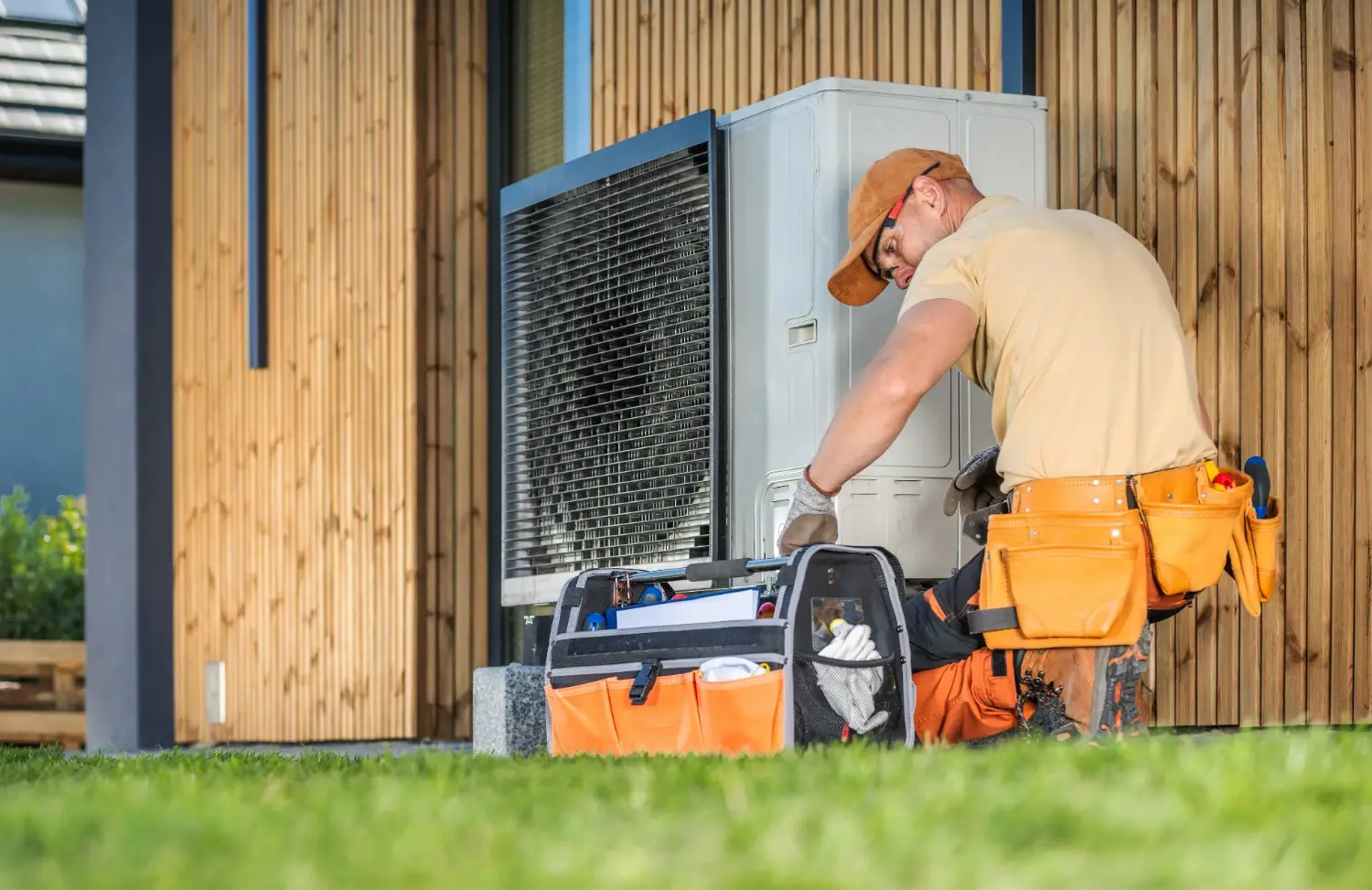
Upon arrival in the New Bern area, a technician performs a comprehensive evaluation of the system. This involves more than just checking if the unit turns on. It requires analyzing airflow, refrigerant pressures, and electrical connections. The goal is to provide you with a clear, written assessment of what is wrong, why it happened, and how it will be fixed. You receive a quote for the repair immediately after the diagnosis, ensuring you have the information required to make a decision before any tools are turned on for the repair work.
The scope of repair covers every component of the heat pump system. This includes the outdoor condenser unit, the indoor air handler, the thermostat, and the ductwork connections. Whether the issue lies in a frozen coil, a failed compressor, or a faulty reversing valve, the service truck is stocked with common parts to facilitate a fix in a single trip whenever possible.
The Repair Process: From Diagnostics to Resolution
Restoring a heat pump to full functionality follows a strict technical protocol. This ensures that safety standards are met and that the repair holds up against the high humidity and temperature fluctuations common in our region.
- First, the technician conducts a visual and mechanical inspection. This includes checking the air filter, examining the outdoor unit for debris or damage, and inspecting the blower motor.
- Next, electrical testing is performed. The technician measures voltage and amperage on motors and compressors to ensure they are operating within manufacturer specifications. Loose wiring or corroded contacts are identified and tightened.
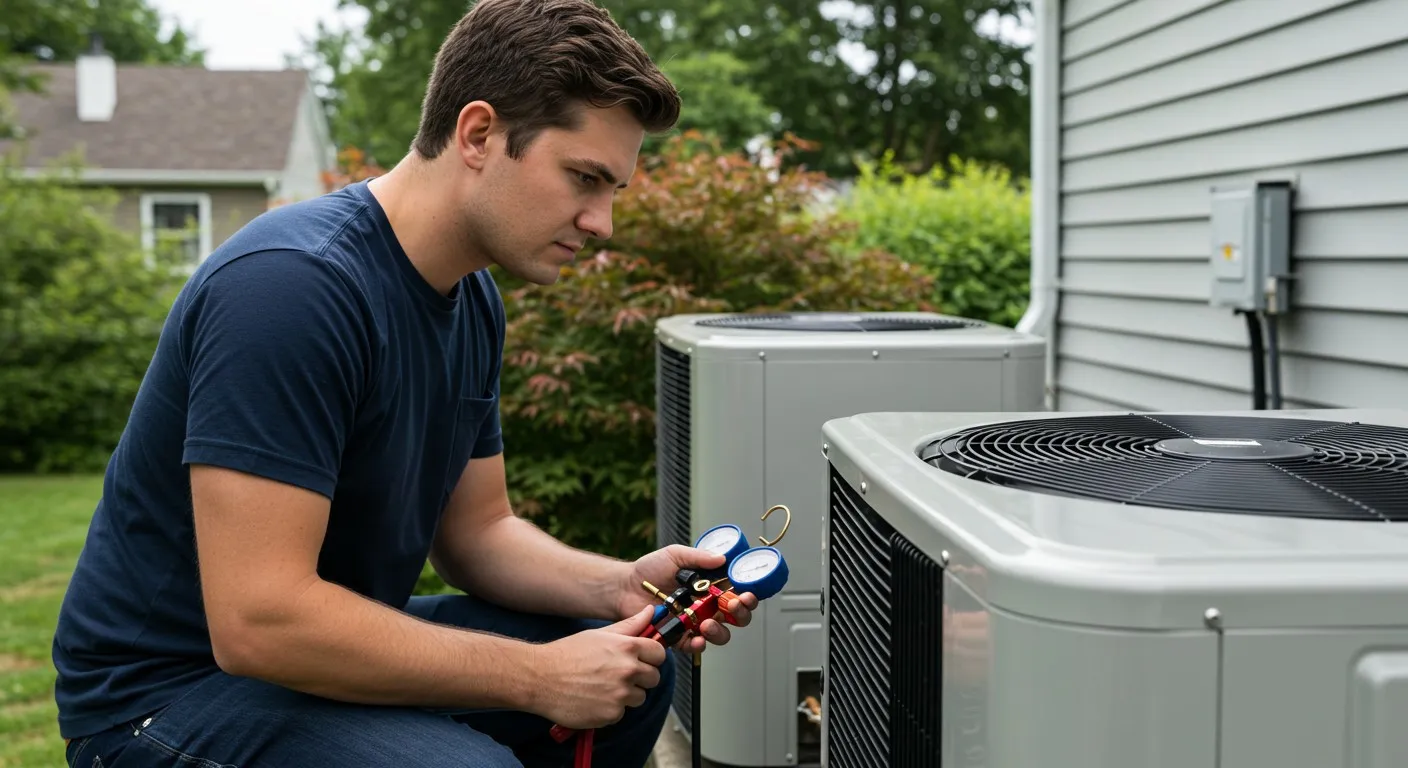
- Following electrical checks, the refrigerant levels are analyzed. Using gauges, the technician measures superheat and subcooling levels to determine if there is a leak or a blockage in the refrigerant lines.
- Once the problem is isolated, the technician explains the specific failure and presents the repair options. This explanation includes a breakdown of the parts needed and the labor required.
- After you approve the work, the repair is executed. This may involve brazing new lines, replacing a capacitor, swapping out a defrost board, or cleaning the coils.
- Finally, the system is tested. The technician runs the heat pump through a full cycle, checking the temperature differential (delta T) between the supply and return air to verify the system is heating or cooling effectively.
Analyzing Common Heat Pump Failures
Airtech Mechanical Service Inc. technicians frequently encounter specific failure points that plague heat pumps. Understanding these components helps homeowners realize why professional intervention is necessary.
Reversing Valve Malfunctions
The reversing valve is what distinguishes a heat pump from a standard air conditioner. It directs the flow of refrigerant, allowing the system to switch between heating and cooling modes. When this valve gets stuck, the system will blow cold air when you want heat, or vice versa. Replacing a reversing valve requires recovering the refrigerant and brazing a new valve into place, a task that demands precision and certification.
Compressor Issues
The compressor is the heart of the system, pumping refrigerant between the indoor and outdoor units. Signs of compressor failure include hard starting (struggling to turn on), loud banging noises, or tripping the circuit breaker. In many cases, a "hard start kit" can be installed to assist the compressor, but if the internal windings are damaged, the compressor must be replaced.
Frozen Evaporator Coils
Ice buildup on the indoor or outdoor coils indicates a problem with heat transfer. This is often caused by restricted airflow (dirty filters) or low refrigerant levels due to a leak. Simply melting the ice does not solve the problem; the leak must be located and sealed, or the airflow issue must be corrected to prevent the ice from returning.
Electrical Component Failure
Capacitors, contactors, and relays regulate the electrical current flowing to the motors. These components degrade over time due to heat and vibration. A swollen or weak capacitor can prevent the fan or compressor from starting, eventually leading to motor burnout if not addressed promptly.
When to Repair vs. When to Replace
Deciding between repairing an existing unit and investing in a new system is a financial and logical decision. While our priority is to repair your equipment, there are mathematical thresholds where replacement becomes the more prudent option.
- The 50% Rule: If the cost of the repair approaches or exceeds 50% of the value of a new system, replacement is generally recommended. Major repairs, such as replacing a compressor or a leaking coil out of warranty, often fall into this category.
- System Age: The average lifespan of a heat pump in a coastal climate is typically 10 to 15 years. If your unit is over 12 years old and requires a significant repair, investing in a new system often yields a better return on investment.
- Refrigerant Type: Older systems use R-22 (Freon), which has been phased out and is now prohibitively expensive. If your older R-22 system has a refrigerant leak, topping it off is a temporary and costly fix. Upgrading to a system that uses R-410A or newer refrigerants is a smarter long-term strategy.
- Frequency of Breakdowns: If you have required multiple repairs in the last two years, the system is likely entering the end of its reliable service life. Continuing to pay for piecemeal repairs is often more expensive than a monthly payment on a new, warrantied unit.
- Efficiency Ratings: Older heat pumps often have SEER ratings of 10 or 12. Modern units start at 14 and go much higher. Replacing a low-efficiency unit can lower monthly energy bills significantly, helping to offset the installation cost.
Local Factors Affecting Heat Pumps in New Bern
Operating a heat pump in New Bern presents specific challenges due to the local geography and climate. The proximity to the Neuse and Trent Rivers contributes to higher humidity levels, which your heat pump must work harder to remove during the summer.
- Humidity Control: In cooling mode, the heat pump acts as a dehumidifier. If the unit is short-cycling (turning on and off too quickly) due to a mechanical fault, it will cool the air but fail to remove moisture, leaving the home feeling clammy. Proper repair ensures the unit runs long enough to pull humidity out of the air.
- Salt Air Corrosion: For homes closer to the water, salt spray can accelerate the corrosion of the aluminum fins on the outdoor condenser coil. During repairs, technicians check for structural integrity in the fins. If the fins are crumbling, heat transfer is diminished, and the compressor is at risk of overheating.
- Defrost Cycle in Winter: While our winters are mild, temperatures do drop near freezing. Heat pumps have a defrost cycle to melt ice off the outdoor unit. If the sensors controlling this cycle fail, the outdoor unit can turn into a block of ice, stopping heat production. Technicians verify that the defrost board and sensors are calibrated correctly for local winter conditions.
- Hurricane Seasonality: The region is prone to storms. After severe weather, it is common to find debris lodged in the outdoor fan or electrical issues caused by power surges. Inspecting the unit after a storm is a critical maintenance step to ensure no hidden damage has occurred.
Technical Expertise and Differentiators
The quality of a heat pump repair relies heavily on the technical proficiency of the service provider. Modern heat pumps utilize advanced electronics, variable-speed motors, and complex zoning capabilities.
- Advanced Diagnostics: Technicians utilize digital manifolds and psychrometric calculations to measure the exact performance of the system. This data-driven approach eliminates guesswork.
- NATE-Certified Technicians: Certifications indicate a technician has passed rigorous testing on real-world HVAC scenarios. This knowledge is essential for troubleshooting inverter-driven systems and communicating thermostats.
- Code Compliance: Repairs involving electrical alterations or refrigerant handling adhere strictly to North Carolina building codes and environmental regulations. This ensures safety and protects the homeowner from liability.
- Inventory Readiness: Service vehicles are stocked with universal parts and manufacturer-specific components to minimize downtime. The goal is to resolve the issue in one visit, restoring the home environment immediately.
Maintaining Efficiency After Repair
Once a repair is completed, maintaining the efficiency of the heat pump is necessary to prevent future failures. The technician will verify that the system is drawing the correct amperage and that airflow is unrestricted.
- Filter Management: The single most effective way to protect a heat pump is regular filter changes. A clogged filter increases static pressure, forcing the blower motor to work harder and reducing air velocity across the coils.
- Outdoor Unit Clearance: Keeping the area around the outdoor unit clear of shrubs, grass, and debris ensures adequate airflow. The unit needs to breathe to release heat in the summer and absorb heat in the winter.
- Ductwork Integrity: Leaky ducts can result in a loss of up to 30% of conditioned air. If the repair involves the air handler, technicians often inspect the plenum and nearby duct connections to ensure they are sealed tight.
Restoring Your Home Comfort
A broken heat pump is an urgent issue that requires a decisive solution. By choosing professional repair services, you ensure that the system is fixed correctly, efficiently, and safely. The focus is always on extending the life of your equipment while ensuring your home remains comfortable regardless of the forecast.
Whether you are dealing with a complete system shutdown, strange noises, or an inability to maintain temperature, Airtech Mechanical Service Inc. provides the technical skill required to get your system back on track. Do not let a mechanical failure compromise your comfort, contact us today.
Other Services