

Heat Pump Service in Jacksonville, NC
Struggling with constant temperature shifts in Jacksonville? Upgrade your home's comfort with our professional heat pump services. Learn more about our diagnostic visits and affordable maintenance plans.
Is Your Heat Pump Ready for the Season?
Struggling with a heat pump that just can’t handle the Jacksonville summer heat or the sudden chill of winter? When your system fails to maintain a consistent temperature, you might be due for a professional service check to restore efficiency and comfort. Contact us immediately to schedule a diagnostic visit or ask about financing options to get your system running today.
A heat pump is the lifeline of your home in North Carolina, tasked with both heating and cooling duties year-round. When performance lags, Airtech Mechanical Service Inc. provides the technical expertise required to resolve airflow issues, electrical faults, and refrigerant leaks. We focus on restoring your system to factory specifications, ensuring you aren't paying for wasted energy.
- Get your heat pump serviced within 24 hours to restore home comfort.
- Ensure year-long efficiency with our comprehensive seasonal tune-ups.
- Access cost-effective maintenance plans that keep future repairs affordable.
All services are backed by a full warranty and performed in strict compliance with local permits and safety codes.
Comprehensive Heat Pump Servicing: What to Expect Today
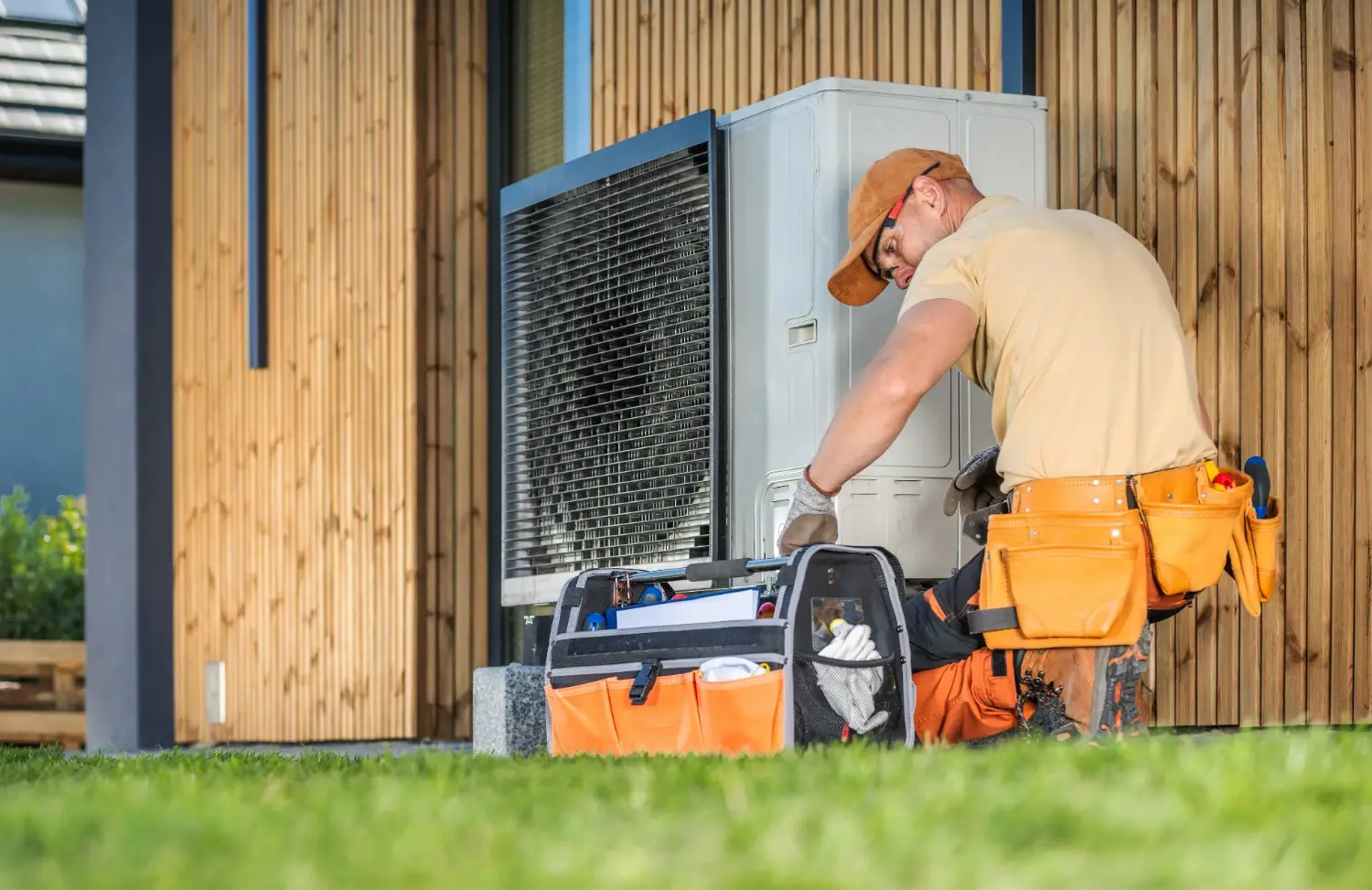
When you request a service visit, the goal is not merely to patch a problem but to optimize the entire system. Heat pumps run almost continuously in our climate, meaning wear and tear occurs faster than in systems that only operate seasonally. A professional service call involves a systematic inspection of the indoor air handler and the outdoor compressor unit to identify failing components before they cause a total breakdown.
A standard service appointment addresses the critical mechanics that drive efficiency. Technicians arrive equipped to handle high-voltage electrical testing, pressure stabilization, and airflow balancing. You receive a detailed report on the health of your system, covering everything from the condition of the compressor to the cleanliness of the evaporator coils.
Scope of Service and Inclusions
The service protocol is designed to address the specific stressors placed on heat pumps in this region. The following elements are standard in our performance checks:
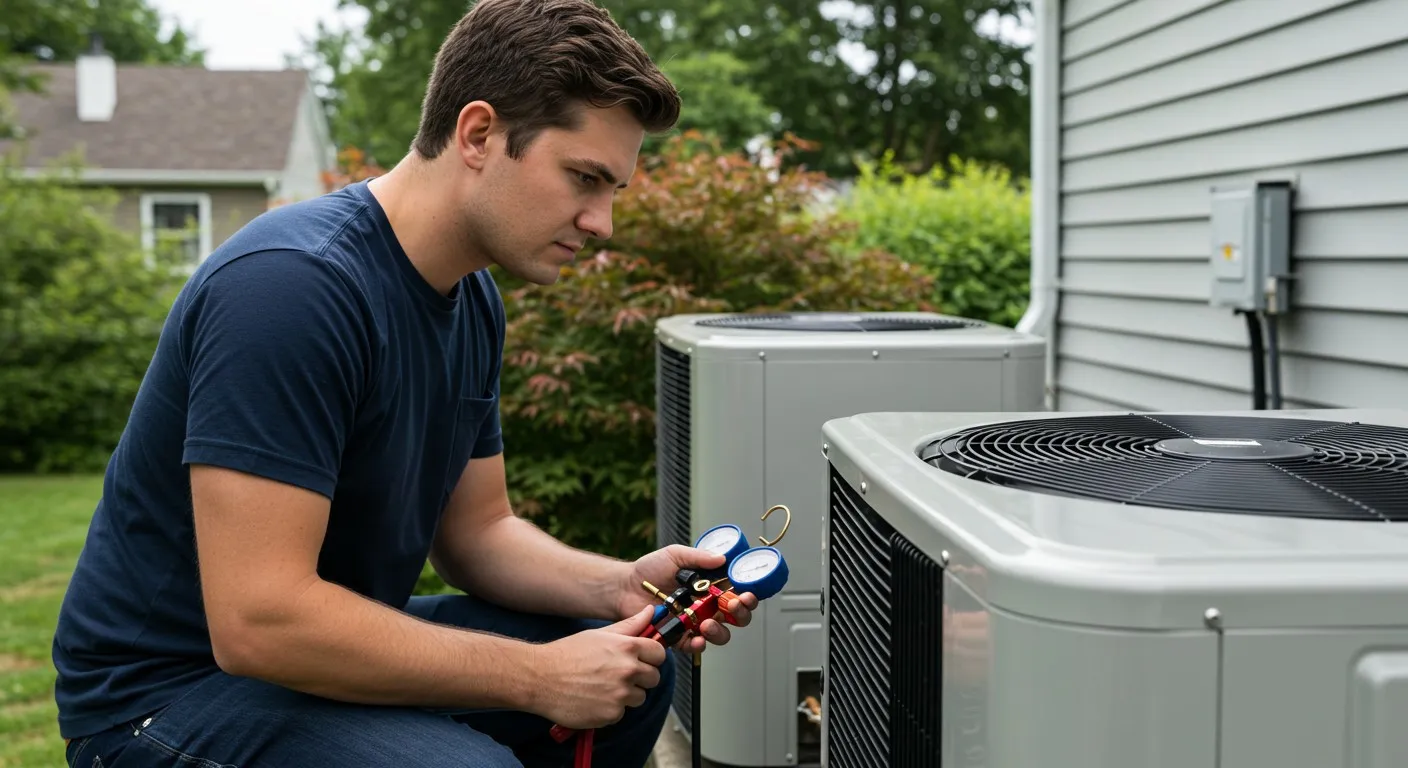
- Refrigerant Charge Verification: Technicians measure superheat and subcooling levels to ensure the refrigerant charge meets the manufacturer's exact specifications. Incorrect levels can cause the coil to freeze or the compressor to overheat.
- Electrical Connection Tightening: Loose connections create resistance, leading to voltage drops and burnt wires. We torque all electrical contacts to prevent hazardous failures.
- Reversing Valve Testing: The reversing valve is what allows your heat pump to switch between heating and cooling. We test this solenoid to ensure it shifts modes smoothly without sticking.
- Defrost Cycle Inspection: In colder months, your outdoor unit must defrost itself to prevent ice buildup. We simulate a defrost cycle to verify the sensors and control boards are functioning correctly.
- Auxiliary Heat Check: When temperatures drop significantly, the electric heat strips (emergency heat) must engage. We test the amperage of these strips to ensure they provide backup heat when needed.
- Airflow and Static Pressure Analysis: Restricted airflow kills efficiency. We check static pressure across the blower to identify ductwork issues or clogged filters that are suffocating the system.
The Mechanics of Heat Pump Restoration
Restoring a heat pump to peak performance follows a rigorous process. This ensures that the root cause of any irregularity is addressed, rather than just treating a symptom. Whether you are dealing with short-cycling, strange noises, or lukewarm air, the service process provides a definitive solution.
- Diagnostic Evaluation: The process begins with a conversation about the issues you are noticing. Technicians then attach gauges and meters to the system to read operating pressures and electrical draw. This data pinpoints exactly where the system is deviating from the norm.
- Component Isolation: If a specific part is failing, such as a start capacitor or a fan motor, it is isolated and tested independently. This confirms the failure is not a symptom of a larger control board issue.
- Cleaning and Clearing: Efficiency often drops due to debris. The outdoor coil is chemically cleaned to remove dirt, grass, and pollen that block heat transfer. The condensate drain line is flushed to prevent water damage and algae growth, which is common in humid environments.
- Calibration: Once components are cleaned or replaced, the system is calibrated. This involves adjusting the blower speed to match the ductwork capacity and setting the thermostat to communicate effectively with the air handler.
- Final Performance Test: The system is run in both heating and cooling modes (if weather permits) to verify temperature splits. The technician measures the temperature of the air entering the return and leaving the supply to confirm the unit is conditioning the air effectively.
When Replacement Beats Repair
Deciding between sinking money into a repair or investing in a new system is a financial calculation based on system age, efficiency, and current condition. While our primary goal is to service and repair your existing equipment, there are specific thresholds where replacement becomes the more economical choice.
The 50% Rule
A common guideline used in the industry is the 50% rule. If the cost of the repair approaches 50% of the value of a new system, replacement is generally the smarter financial move. This is particularly true if the equipment is out of warranty, as you are investing in a depreciating asset.
Age and Refrigerant Type
Heat pumps generally have a lifespan of 10 to 15 years. If your unit is over 12 years old and requires a major component like a compressor, repair is rarely advised. Additionally, older systems may use R-22 refrigerant, which has been phased out and is prohibitively expensive to restock. Upgrading to a system that uses R-410A or newer refrigerants resolves this availability issue.
Frequency of Breakdowns
If you have required multiple service calls in the last two years, your system has likely entered the end-of-life phase. "Nickel and diming" repair costs often exceed the monthly payment of a financed high-efficiency replacement. Persistent issues usually indicate that the compressor or coils are degrading beyond the point of reliable restoration.
Efficiency Ratings (SEER and HSPF)
Older heat pumps often have SEER (Seasonal Energy Efficiency Ratio) ratings of 10 or 12. Modern standards require minimums of 14 or 15, with high-efficiency units reaching over 20 SEER. Moving from a 10 SEER unit to a 16 SEER unit can reduce energy consumption significantly. If your energy bills are spiking despite regular service, the inherent inefficiency of the old unit is likely the culprit.
Local Considerations for Jacksonville Homeowners
Operating a heat pump in Jacksonville presents unique challenges due to the specific climate and environmental factors of Onslow County. The salt air from the coast, combined with high humidity, accelerates corrosion on outdoor units. Servicing protocols here must account for these environmental aggressors to prolong the life of the equipment.
Humidity Control
Our region is classified as humid subtropical. A primary function of your heat pump during the summer is dehumidification. If the system is oversized or short-cycling, it cools the air too quickly without running long enough to remove moisture. This leaves the home feeling clammy and promotes mold growth. Proper service includes checking that the blower speeds are set to maximize moisture removal.
Corrosion and Coil Protection
For homes closer to the water, salt spray can corrode aluminum fins and copper tubing on the outdoor condenser. During a service visit, technicians check for signs of galvanic corrosion. If detected early, specialized coatings can sometimes be applied, or a plan can be made to replace the coil before a catastrophic refrigerant leak occurs.
Permits and Regulations
Any significant repair involving the refrigerant circuit or electrical modifications requires adherence to North Carolina mechanical codes. Technicians ensure that all work performed meets state and local regulations. This is critical not only for safety but also for maintaining the validity of your home insurance and manufacturer warranties.
Transition Seasons
In this area, we often experience days where the system needs to heat in the morning and cool in the afternoon. This constant switching places stress on the reversing valve. Regular maintenance ensures this component remains lubricated and responsive, preventing the system from getting stuck in one mode during the volatile spring and autumn months.
Optimizing Airflow and Ductwork
A heat pump is only as good as the ductwork connected to it. Even a brand-new unit will fail to perform if the air distribution system is compromised. Part of a comprehensive service involves inspecting the visible ductwork for leaks, disconnects, or kinks.
- Static Pressure Balance: High static pressure is the enemy of a heat pump. It forces the blower motor to work harder, leading to premature burnout. We measure the pressure to determine if the ductwork is undersized or if the return air grille is too small.
- Leaky Ducts: In many homes, conditioned air escapes into the attic or crawlspace through unsealed joints. Sealing these leaks keeps the air where you want it, inside your living space, and reduces the workload on the heat pump.
- Filter Sizing: Using a filter with a MERV rating that is too high for your specific duct system can restrict airflow. We advise on the correct filter type that balances air quality filtration with necessary airflow for the heat pump.
Emergency Heat vs. Heat Pump Mode
Understanding your thermostat settings is a vital part of service education. Many homeowners accidentally leave their system in "Emergency Heat" or "Auxiliary Heat" mode, which relies entirely on expensive electric resistance heating strips.
During a service check, Airtech Mechanical Service Inc. verifies that your thermostat is programmed to prioritize the heat pump compressor, which is far more efficient than the backup strips. The backup heat should only engage during the defrost cycle or when the outdoor temperature drops to a level where the heat pump cannot keep up (usually below 35 degrees). We test the lockout controls to ensure the expensive backup heat stays off unless absolutely necessary.
The Value of Routine Maintenance Agreements
Reactive repair is almost always more expensive than proactive maintenance. Waiting for a breakdown usually means paying for emergency service rates and suffering through downtime during extreme weather. Maintenance agreements shift the focus to prevention.
- Priority Service: Agreement holders often receive priority scheduling during peak seasons when demand surges.
- Extended Equipment Life: documented maintenance records are often required to keep manufacturer warranties valid. Neglecting annual service can void the warranty on a compressor or coil.
- Energy Savings: A clean, calibrated system draws less amperage and runs for shorter cycles to satisfy the thermostat. This directly translates to lower utility bills.
- Safety Inspections: Regular checks include inspecting wire integrity and ensuring there are no burnt components that could pose a fire risk.
Final Thoughts on System Longevity
Maintaining a comfortable home environment requires a heat pump that operates reliably regardless of the forecast. Whether you are dealing with a sudden failure or simply want to ensure your system is prepared for the coming season, professional intervention is the key to longevity and efficiency. From checking refrigerant levels to tightening electrical connections, every step of the service process is designed to protect your investment.
Do not wait until the system fails completely. Secure your home’s comfort and efficiency with a professional inspection.
Ready to restore your heat pump's performance? Contact us today to schedule your comprehensive service visit.
Other Services