

Heat Pump Repair in Havelock, NC
Experiencing heat pump issues in Havelock? Contact Airtech Mechanical Service Inc. for rapid, reliable repair and maintenance services. Schedule your visit today.
Is Your Heat Pump Ready for Extreme Weather?
Facing unexpected heat pump failure in Havelock’s unpredictable climate? Immediate professional repair service can restore your comfort today; contact us now to schedule a diagnostic visit. Whether you are dealing with a system that won’t cycle off or a unit blowing cold air in winter, waiting often leads to higher energy bills and further mechanical damage. Airtech Mechanical Service Inc. provides rapid response to troubleshoot and resolve system failures effectively.
- Get a same-day solution to heat pump breakdowns.
- Enhance your system’s efficiency with expert scheduled maintenance.
- Reliable local service with transparent pricing.
Certified, local experts backed by prompt, professional service and warranties.
Comprehensive Diagnostics and Immediate Repair Solutions
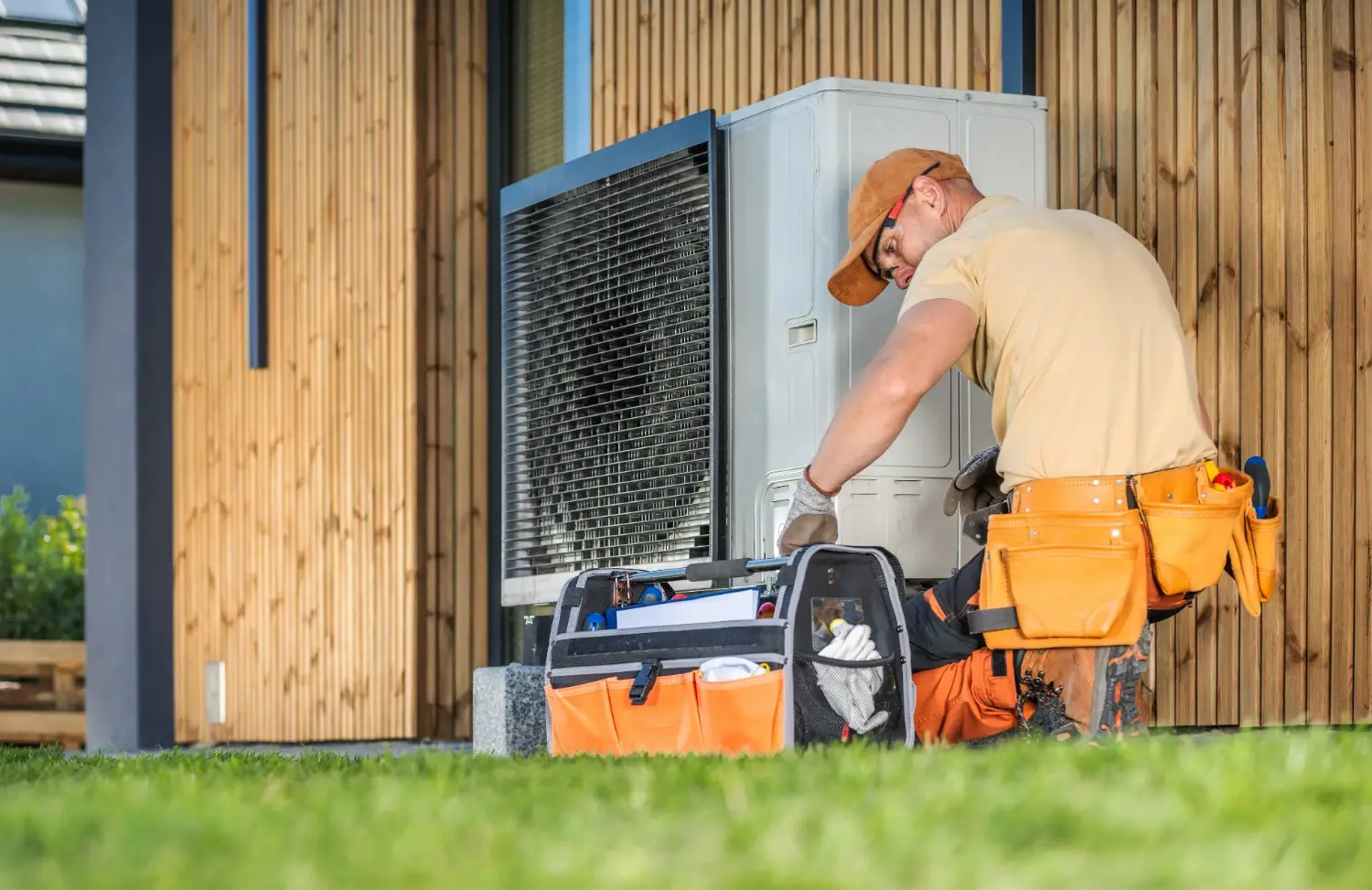
When a heat pump fails, the priority is identifying the root cause quickly to minimize downtime. Unlike standard furnaces, heat pumps are complex systems that manage both heating and cooling through refrigerant cycles. A malfunction in one component, such as the reversing valve or the compressor, can render the entire system useless. Our technicians arrive equipped to perform a full system analysis, checking electrical connections, refrigerant pressures, and airflow metrics to pinpoint the exact issue.
We focus on restoring your system to its original factory specifications. We do not apply temporary bandages to mechanical problems; we replace faulty components with OEM-grade parts that ensure longevity. The goal is to return your home to a comfortable temperature immediately while verifying that the system is running safely and efficiently.
Common Heat Pump Issues We Resolve
Heat pumps in North Carolina face heavy usage year-round due to the humid subtropical climate. This constant operation can lead to specific wear-and-tear issues that require professional intervention.
- Reversing Valve Failure: If your unit cools but won't heat (or vice versa), the reversing valve is often stuck. This component is responsible for switching the direction of the refrigerant flow. We replace stuck solenoids or the entire valve assembly to restore dual-function capability.
- Refrigerant Leaks: Low refrigerant levels reduce the system's ability to transfer heat. This often manifests as ice buildup on the outdoor coil or a system that runs constantly without reaching the set temperature. We locate leaks using electronic detectors, seal the breach, and recharge the system to the precise manufacturer specifications.
- Electrical Control Malfunctions: Corroded wires, blown capacitors, or failed relays can prevent the compressor or fan from starting. This is particularly common in coastal areas where salt air accelerates oxidation. We inspect and replace compromised electrical components to prevent fire hazards and system failure.
- Frozen Outdoor Units: While a light frost is normal during the defrost cycle, a unit encased in thick ice indicates a problem with the defrost control board, sensors, or low refrigerant. We troubleshoot the defrost cycle to ensure the unit can melt ice accumulation effectively.
- Blower Motor Issues: If air isn't moving through your vents, the indoor blower motor may be burnt out or blocked. We test amp draws and capacitor strength to determine if a repair or replacement is necessary.
The Technical Repair Process: What to Expect
Understanding the repair process helps homeowners make informed decisions. We follow a structured protocol to ensure every repair is executed correctly and safely. This eliminates guesswork and ensures that the quote you receive is accurate based on actual mechanical data.
- Initial System Evaluation: The technician begins by listening to the unit and checking the thermostat operation. We verify if the thermostat is sending the correct voltage signals to the indoor and outdoor units.
- Component Isolation: We isolate individual components to test their performance. This includes measuring the resistance in the compressor windings, checking the capacitance of the start and run capacitors, and testing the limit switches.
- Airflow and Static Pressure Analysis: Poor airflow is a leading cause of heat pump failure. We measure static pressure in the ductwork and check the condition of the air filter and evaporator coil. Restricted airflow forces the system to overwork, leading to premature failure.
- Refrigerant Cycle Verification: Technicians attach gauges to measure superheat and subcooling levels. These metrics tell us exactly how the refrigerant is changing state inside the coils. Incorrect levels indicate leaks or restrictions in the metering device.
- Execution of Repair: Once the problem is diagnosed, we present a clear explanation and a flat-rate quote. Upon approval, we proceed with the repair using stocked parts from our service vehicles.
- Performance Testing: After the repair is complete, we do not simply leave. We cycle the system through all modes (heating, cooling, defrost, and emergency heat) to verify that the repair holds under load. We also check the temperature differential (Delta T) between the supply and return air to confirm the system is conditioning the air effectively.
When to Repair vs. When to Replace Your Heat Pump
Deciding between a major repair and a full system replacement is a financial and logistical decision. While Airtech Mechanical Service Inc. aims to extend the life of your current equipment, there are mathematical and mechanical realities that sometimes make replacement the more prudent option.
The 50% Rule
A general industry standard is the 50% rule. If the cost of the repair approaches 50% of the value of a new system, replacement is generally the better investment. This is because a major repair on an old unit does not reset the clock on the rest of the components. You might fix the compressor today, only to have the blower motor fail next month.
Age and R-22 Refrigerant
Heat pumps have an average lifespan of 10 to 15 years. If your unit is over 12 years old, parts availability may be limited. Furthermore, older units likely utilize R-22 (Freon), a refrigerant that has been phased out. Repairs involving R-22 are exponentially more expensive due to scarcity. If your system leaks R-22, upgrading to a modern system using R-410A or newer refrigerants is often more cost-effective than a recharge.
Frequency of Breakdowns
If you have required repairs more than twice in the last two years, the system is demonstrating a pattern of failure. Continuing to pour money into a failing asset results in diminishing returns. A new system offers warranty protection that an older, repaired unit cannot provide.
Efficiency Ratings (SEER and HSPF)
Older heat pumps often have SEER (Seasonal Energy Efficiency Ratio) ratings of 10 or 12. Modern units start at 14 SEER and go much higher. By replacing an aging unit, you can lower your monthly utility bills significantly. We can calculate your potential return on investment (ROI) based on current energy costs in Havelock and the efficiency rating of a new unit.
Local Factors Affecting Heat Pump Performance
Operating a heat pump in Havelock requires attention to specific environmental factors. The local climate presents unique challenges that standard maintenance guidelines may not address.
Humidity Management
The humid subtropical climate means your heat pump acts as a primary dehumidifier during the summer. If the system is short-cycling (turning on and off too quickly) due to a dirty filter or an oversized unit, it will fail to remove moisture from the air. This leads to a clammy indoor environment and promotes mold growth in ductwork. Our repairs often involve adjusting blower speeds to optimize humidity removal.
Coastal Corrosion and Oxidation
Proximity to the coast introduces salt into the air. Salt is highly corrosive to aluminum fins and copper tubing found in heat pump coils. It also attacks electrical contacts. We check for signs of galvanic corrosion during every service call. If you live closer to the water, we may recommend specific protective coatings or more frequent cleaning of the outdoor coils to prevent rapid deterioration.
Emergency Heat Usage
In this region, temperatures occasionally drop below the efficiency balance point of air-source heat pumps. When this happens, the "Auxiliary" or "Emergency" heat strips engage. If your electricity bill spikes unexpectedly, it is often because a malfunction is forcing the expensive heat strips to run when they shouldn't (e.g., during mild weather). We test the outdoor thermostats and defrost boards to ensure the heat strips only engage when absolutely necessary, request emergency service today.
Storm Preparedness
Severe weather, including hurricanes and tropical storms, poses a risk to outdoor HVAC equipment. High winds can damage fan blades or impact the unit with debris. Flooding can submerge electrical components. Following a major storm event, it is crucial to have the system inspected before restarting it to prevent short circuits or permanent compressor damage.
Why Professional Troubleshooting Matters
Attempting DIY repairs on a heat pump is dangerous and often ineffective. Heat pumps operate with high-voltage electricity (240V) and high-pressure refrigerant gases. Mishandling these components can result in severe injury or fatal electrical shock. Furthermore, modern heat pumps utilize complex printed circuit boards and proprietary communication protocols that require specialized diagnostic tools.
- Warranty Preservation: Most manufacturer warranties require proof that repairs were performed by a licensed HVAC professional. DIY repairs or service by unlicensed handymen can void your parts warranty, leaving you liable for the full cost of future replacements.
- Refrigerant Compliance: The EPA strictly regulates the handling of refrigerants. Venting refrigerant into the atmosphere is illegal. Certified technicians carry the necessary Section 608 certification to handle, recover, and recharge refrigerant safely and legally.
- Correct Part Selection: Universal parts often do not work correctly with high-efficiency heat pumps. A generic motor might physically fit but fail to communicate with the variable-speed control board. We use OEM or equivalent parts that match the exact specifications of your model.
Schedule Your Heat Pump Repair
A malfunctioning heat pump disrupts your daily life and compromises your home's safety. Whether the system has stopped running entirely or is struggling to maintain temperature, immediate action prevents minor issues from escalating into catastrophic failures. We prioritize restoring your heating and cooling capacity quickly, with a focus on technical precision and long-term reliability.
Do not tolerate uncomfortable temperatures or risking higher utility bills due to an inefficient system. Trust Airtech Mechanical Service Inc. for accurate diagnostics and effective repairs.
Call us today to secure your appointment and restore your home’s comfort.
Other Services