

Heat Pump Repair in Beaufort, NC
Experiencing heat pump problems in Beaufort? Contact us for rapid diagnostics and expert repair services to restore your comfort efficiently and reliably.
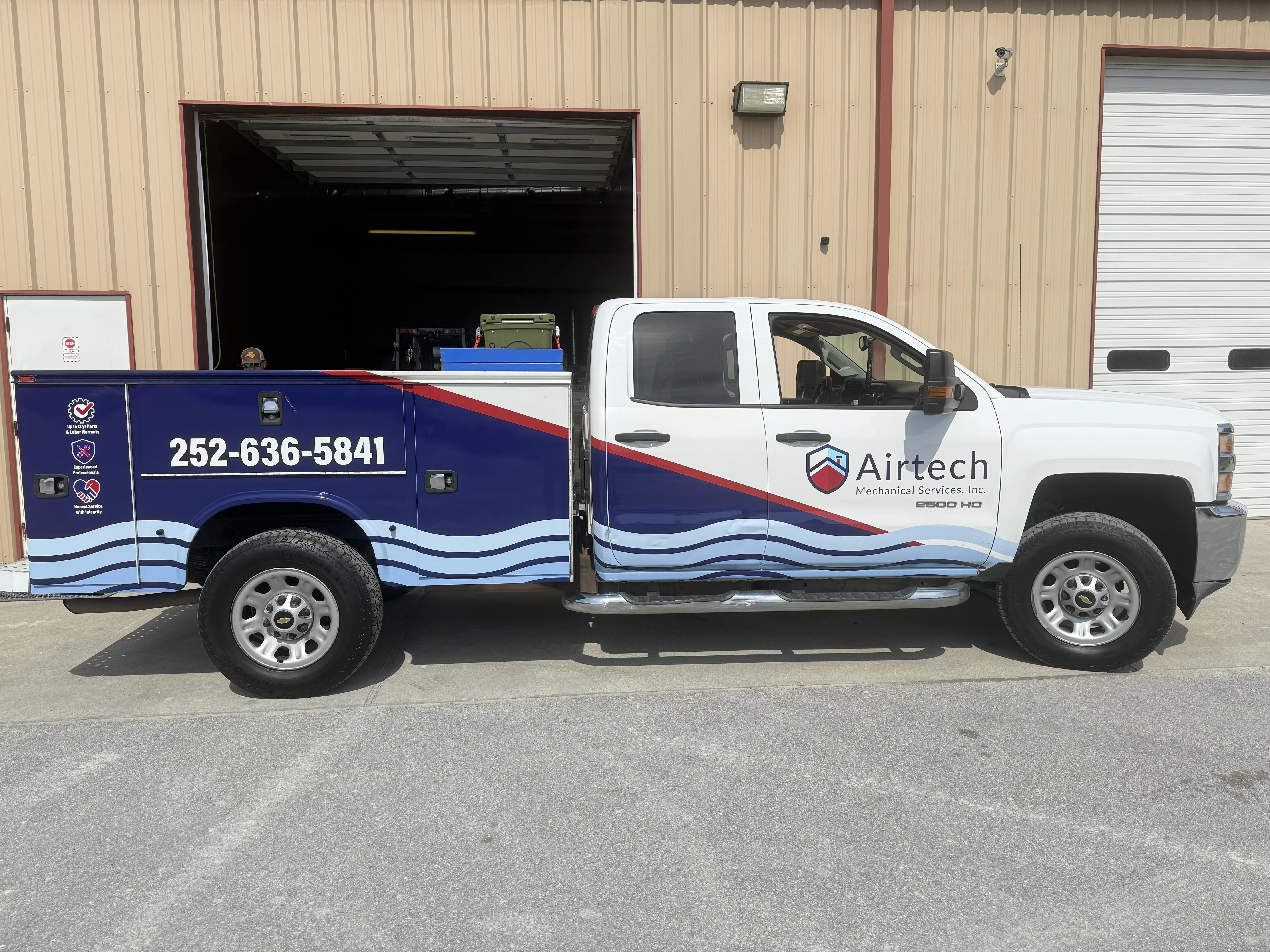
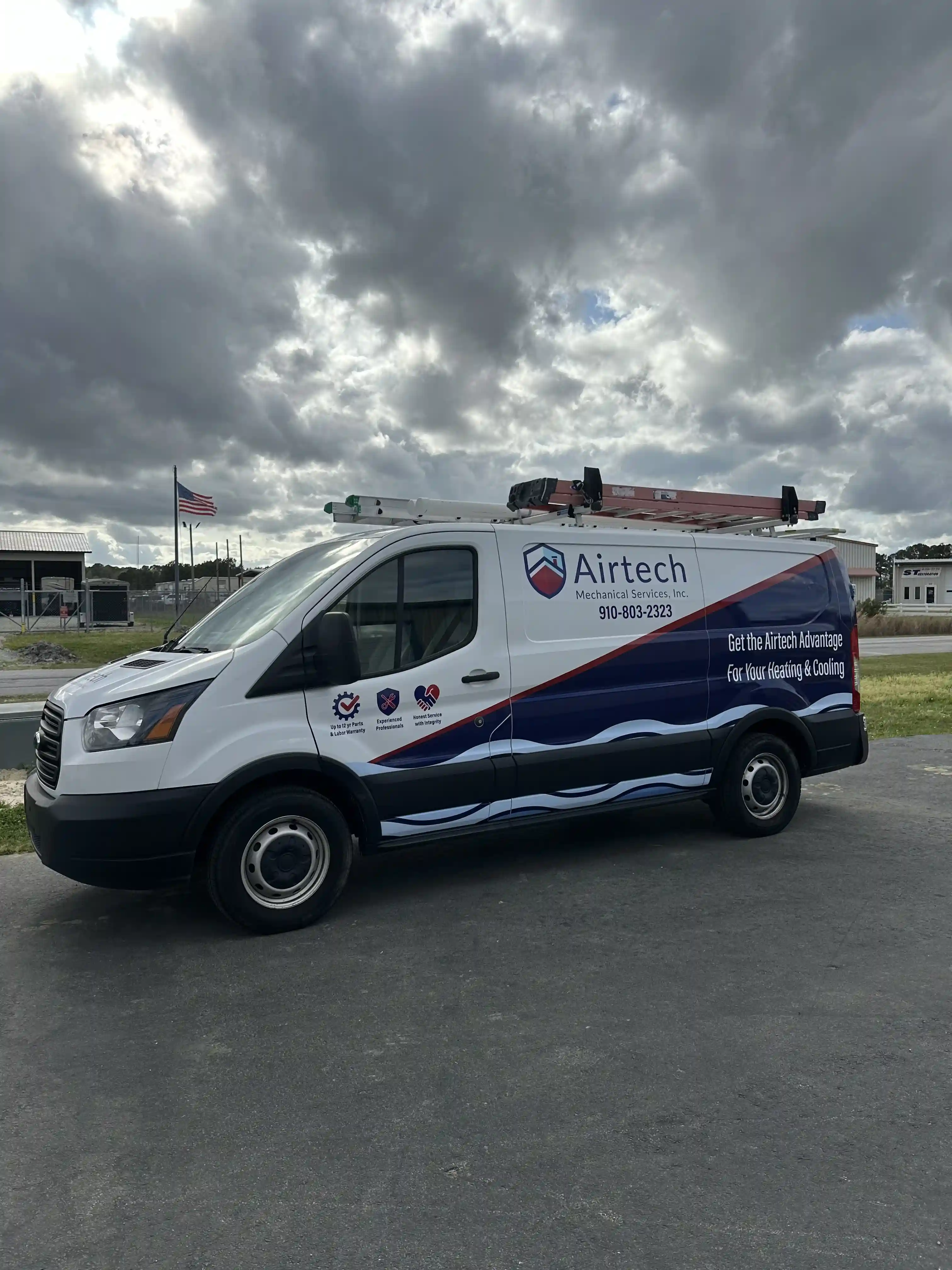
Restore Your Indoor Comfort With Rapid Heat Pump Repair
Don't let a broken heat pump leave you uncomfortable in Beaufort's variable climate. Immediate, expert service is just a call away, so contact us now to schedule your diagnostic visit. When your system fails to switch between heating and cooling or stops running altogether, you need a solution that addresses the root cause immediately rather than a temporary patch. Airtech Mechanical Service Inc. provides comprehensive diagnostics and repair services designed to get your system back online quickly.
- Restore your comfort today with focused, same-day repair protocols.
- Ensure reliable performance year-round with thorough, experienced servicing.
- Protect your home from seasonal extremes with expert maintenance advice.
All services are fully licensed and insured for your peace of mind.
Diagnostic and Repair Scope: What to Expect Today
When a heat pump malfunctions, the issue often stems from the complex interplay between electrical components, refrigerant levels, and airflow dynamics. Unlike standard air conditioners, heat pumps rely on a reversing valve to switch between heating and cooling modes. If this component fails, you might find your system blasting cold air during a chilly Beaufort evening or blowing hot air during a humid afternoon. A professional response begins with a systematic evaluation of the entire system to isolate the failure.
The immediate goal of a service visit is to restore the thermal balance in your home. Technicians arrive equipped to handle high-priority failures such as compressor lockouts, frozen coils, or electrical shorts. In coastal environments, specific attention is paid to the outdoor unit, where salt air may have corroded contacts or sensor connections. The repair scope includes testing the thermostat communication, verifying refrigerant pressures, and inspecting the auxiliary heat strips. These heat strips are your backup heat source; if they engage inappropriately due to a heat pump malfunction, your energy bills can skyrocket unnecessarily.
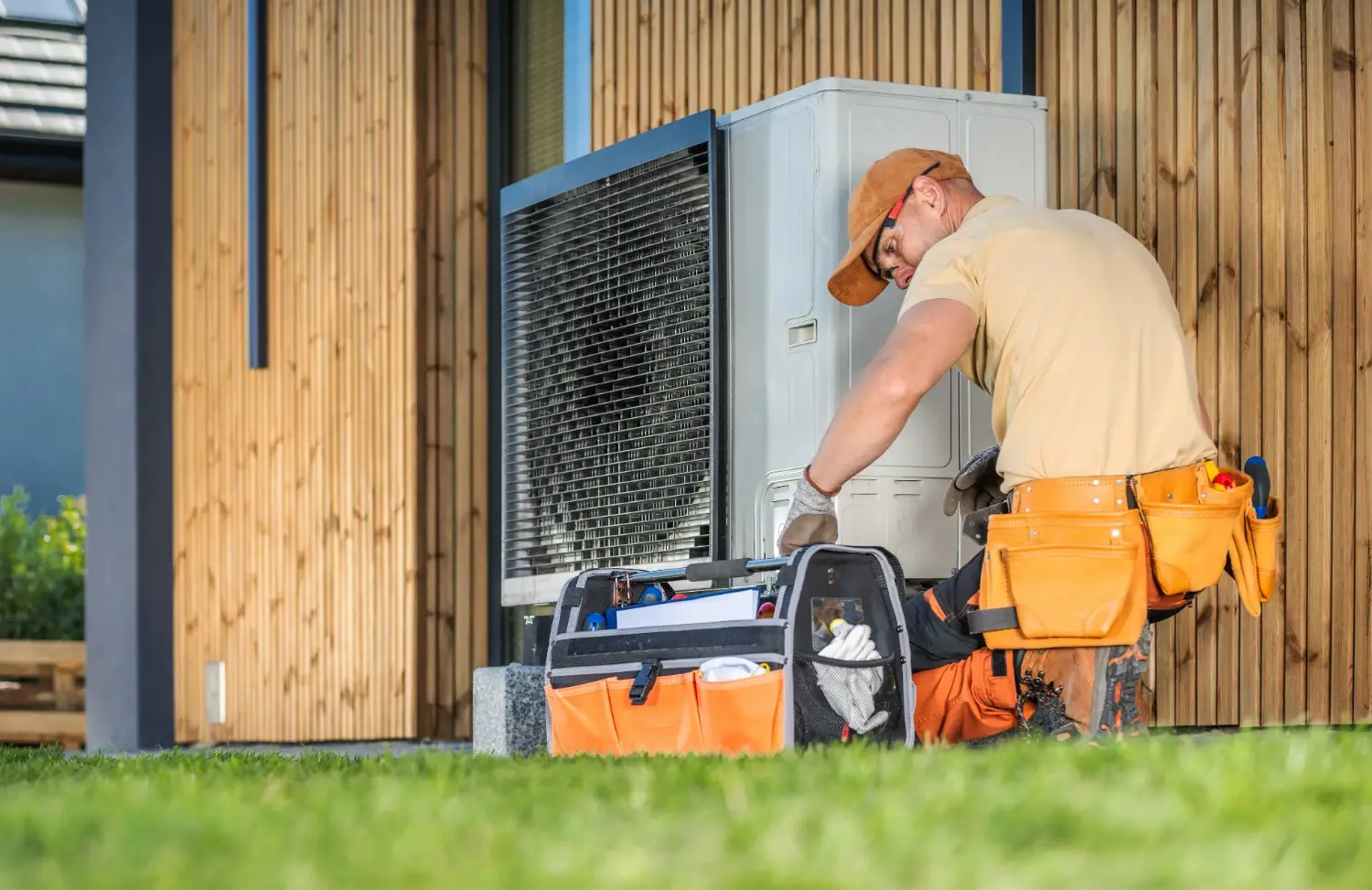
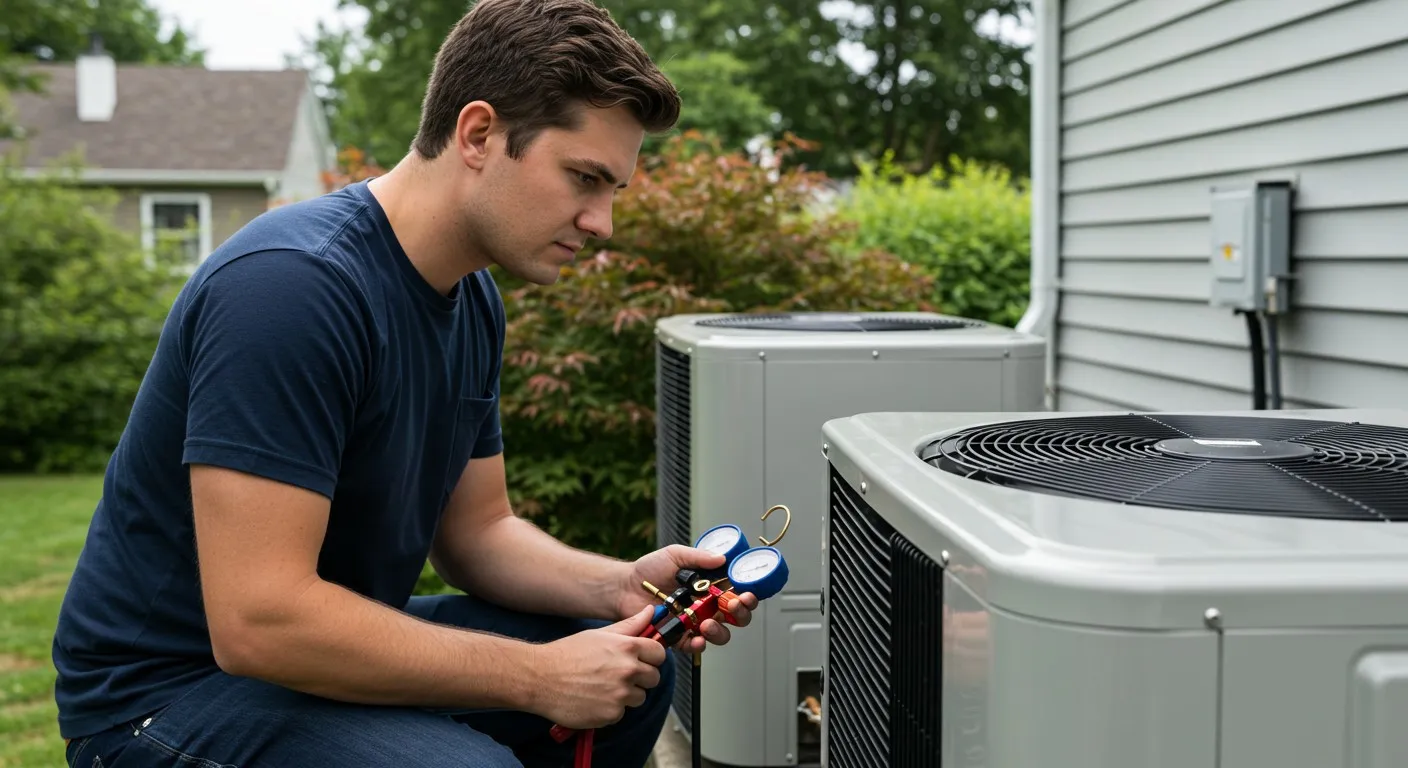
You can expect a transparent assessment of the problem. A technician will remove the access panels, hook up digital gauges to read superheat and subcooling levels, and test capacitors for proper microfarad readings. This data-driven approach ensures that the repair addresses the actual mechanical failure rather than just the symptoms. Whether the issue lies in a faulty defrost control board preventing ice removal in winter or a clogged condensate drain triggering safety switches in summer, the objective is to leave you with a fully operational system before the truck leaves your driveway.
The Repair Workflow: From Call to Comfort
Understanding the steps involved in a professional heat pump repair helps alleviate the stress of a breakdown. The process is designed to be efficient, minimizing downtime and disruption to your daily routine. Professional providers prioritize organization and clear communication from the moment the dispatch is initiated.
- Initial Dispatch and Assessment: The process begins when a technician is dispatched to your location. Upon arrival, they will respect your property by using shoe covers and drop cloths where necessary. The technician will ask specific questions about the symptoms you noticed, strange noises, smells, or specific times of day the unit struggles.
- System Diagnostics: Using advanced diagnostic tools, the technician tests the electrical circuit, the compressor amperage, and the fan motor performance. They will check the reversing valve operation, which is critical for heat pumps. This stage identifies whether the issue is a minor electrical component failure or a major mechanical breakdown.
- Detailed Explanation and Approval: Once the issue is identified, you receive a detailed explanation of what went wrong and why. You will be presented with a clear scope of work required to fix it. This is not an estimate based on guesswork; it is a firm plan of action. No work proceeds until you understand the diagnosis and authorize the repair.
- Execution of Repair: The technician proceeds with the approved repairs using OEM (Original Equipment Manufacturer) or high-quality aftermarket parts. This might involve brazing a refrigerant line, replacing a dual-run capacitor, swapping out a fan motor, or recalibrating the refrigerant charge.
- System Verification and Testing: After the component is replaced, the system is not just turned on; it is stress-tested. The technician measures the temperature split (the difference between air entering and leaving the vents) to ensure the heat pump is transferring heat effectively. They also verify that the defrost cycle initiates and terminates correctly.
- Site Cleanup and Final Report: The work area is cleaned thoroughly. You receive a final report detailing the work performed, parts replaced, and notes on the overall health of the system for your records.
Making the Call: Repair vs. System Replacement
Deciding between repairing an existing heat pump and investing in a new system is a significant financial decision. This choice is rarely black and white, but specific technical and financial indicators can guide you toward the most logical path. The goal is to maximize the return on your investment while ensuring consistent comfort.
- The Age of the Equipment: Heat pumps generally have a lifespan of 10 to 15 years. In coastal areas like Beaufort, this can sometimes be shorter due to environmental factors. If your unit is under 10 years old, repair is typically the best option unless the compressor has failed. If the unit is over 12 years old and requires a major repair, replacement often offers better long-term value due to advancements in energy efficiency.
- The Cost of Repair Relative to Value: Industry professionals often use the "50% Rule." If the cost of the repair approaches 50% of the value of a new system (or 50% of the unit's current market value), replacement is usually the wiser financial move. Additionally, consider the frequency of repairs. If you have paid for repairs multiple times in the last two years, those costs add up to a down payment on a new, warranted system.
- Refrigerant Type and Availability: Older heat pumps utilize R-22 refrigerant, which has been phased out and is now prohibitively expensive to restock. If your older system has a refrigerant leak, simply topping it off is a temporary and costly fix. Modern systems use R-410A or newer, more eco-friendly refrigerants. If your system relies on R-22, a major leak is a strong signal to upgrade.
- Energy Efficiency and Performance: Heat pump technology has improved drastically in recent years. Modern systems with higher SEER2 (Seasonal Energy Efficiency Ratio) ratings can significantly lower monthly utility bills compared to units from a decade ago. If your current system struggles to maintain humidity levels or results in exorbitant energy bills despite running constantly, the operational savings of a new unit might offset the installation cost over time.
Beaufort Climate Factors and Local Requirements
Operating a heat pump in Beaufort presents unique challenges that generic advice often misses. The local climate is characterized by high humidity, salt-laden air, and distinct storm seasons, all of which impact how a heat pump functions and degrades over time.
- Salt Air Corrosion Management: Proximity to the ocean means the air contains higher concentrations of salt. This acts as an electrolyte, accelerating corrosion on aluminum fins and copper tubing within the outdoor condenser unit. Over time, this oxidation reduces the heat transfer capability of the coil, forcing the compressor to work harder. Repairs in this region often involve inspecting these coils for "fin rot." Technicians may recommend applying protective coatings or rinsing protocols to extend the life of the repair.
- Humidity Control Priorities: In this region, a heat pump does more than change the temperature; it is the primary dehumidifier for the home. If a system is short-cycling (turning on and off too quickly) due to a faulty thermostat or incorrect refrigerant charge, it will fail to remove moisture. This leads to a clammy indoor environment and potential mold growth. Repair protocols here prioritize long, steady run times to ensure adequate moisture removal.
- Hurricane Season Considerations: From June through November, the threat of hurricanes requires specific attention to the outdoor unit. During a repair visit, it is common practice to check the tie-down straps and the stability of the concrete pad. Ensuring the unit is securely anchored prevents catastrophic damage during high-wind events. Additionally, technicians check for debris accumulation from storms that may have lodged inside the fan guard, restricting airflow.
- Permitting and Code Compliance: When significant repairs involve handling refrigerant or altering electrical circuits, adherence to North Carolina mechanical codes is mandatory. Licensed professionals ensure that all work complies with local regulations, which is vital for maintaining homeowner insurance validity and future property resale value.
Why Professional Service Ensures Long-Term Reliability
Heat pumps are sophisticated pieces of machinery that operate under high pressure and high voltage. Attempting DIY repairs or relying on general handymen often leads to misdiagnosis, further damage, or safety hazards. Professional HVAC technicians bring a level of expertise that guarantees the safety and efficiency of your system.
- Accurate Troubleshooting: A professional does not guess. They understand the thermodynamics of the refrigeration cycle. For example, a system that is icing up could be low on refrigerant, but it could also have a dirty filter or a bad blower motor. A professional distinguishes between these causes immediately, saving you money on unnecessary parts.
- Access to Specialized Parts: Many heat pump components are proprietary or require specific specifications that are not available at big-box stores. Airtech Mechanical Service Inc. maintains access to a wide supply chain of OEM parts, ensuring that the components installed in your system match the manufacturer's engineering standards perfectly.
- Warranty Protection: Most manufacturers require proof of professional maintenance and repair to honor their warranties. Unauthorized repairs can void these warranties, leaving you responsible for expensive compressor or coil replacements in the future. Professional service comes with documentation that preserves your warranty status.
- Safety and Electrical Expertise: Heat pumps use high-voltage electricity and store lethal charges in capacitors even when the power is off. Professionals are trained in lock-out/tag-out procedures and electrical safety to prevent injury and fire hazards. Furthermore, handling refrigerant requires EPA certification to prevent environmental contamination.
Technical Differentiators in Heat Pump Service
Choosing a service provider goes beyond just finding someone to turn a wrench. The quality of the repair depends on the technical protocols followed by the technician. High-quality service focuses on returning the system to factory specifications, not just getting it to run.
- Airflow Verification: A critical, often overlooked step is verifying static pressure. If the ductwork is restricting airflow, even a perfectly repaired heat pump will fail prematurely. Technicians measure static pressure to ensure the blower motor is moving the correct volume of air (CFM) across the coil.
- Refrigerant Charge Precision: Modern heat pumps are sensitive to refrigerant levels. Being undercharged or overcharged by just a few ounces can reduce efficiency by over 10%. Professionals use digital scales and subcooling/superheat calculations to charge the system to the exact ounce required for optimal performance.
- Electrical Component Analysis: Rather than waiting for a part to fail, technicians analyze the wear on electrical contactors and motors. Pitted contactors can cause voltage drops that damage the compressor. Identifying these small issues during a repair visit prevents a secondary breakdown a few months later.
- Defrost Cycle Calibration: In the winter, the defrost board controls when the unit melts ice off the outdoor coil. If this is calibrated incorrectly, the unit may defrost too often (wasting energy) or not enough (crushing the coil with ice). Professionals simulate a defrost cycle to ensure the sensors and timers are acting correctly.
Securing Your Comfort with Expert Solutions
When your heat pump falters, the priority is clear: restore function, efficiency, and comfort as quickly as possible. Ignoring the signs of a struggling system, whether it’s odd noises, spikes in energy bills, or inconsistent temperatures, can lead to total system failure when you need it most. By choosing a dedicated, licensed provider, you ensure that your system is handled with the technical precision required for the coastal environment.
Proper diagnosis and repair do more than fix the immediate problem; they extend the lifespan of your investment and improve the air quality in your home. Don't wait for a minor issue to become a major expense. Secure your home’s comfort and efficiency today by reaching out to the experts.
Contact Airtech Mechanical Service Inc. to schedule your heat pump repair and restore your peace of mind.
Other Services