

Heat Pump Installation in Morehead City, NC
Boost your home comfort with expert heat pump installation in Morehead City. Experience enhanced energy efficiency with our professional services. Call now!
Restore Reliable Comfort with Expert Heat Pump Installation
Is your current heating system failing to keep up with fluctuating coastal weather, leaving you with cold spots, humidity issues, or skyrocketing energy bills? Contact us today to schedule your comprehensive evaluation or to discuss our flexible financing options.
Homeowners in Morehead City know that maintaining indoor comfort requires a system capable of handling high summer humidity and chilly winter nights without driving up utility costs. A professionally installed heat pump offers a versatile solution, heating and cooling your home efficiently from a single unit. Upgrading your system eliminates the stress of frequent breakdowns and uneven temperatures, providing a stable indoor environment regardless of the forecast.
Benefits of upgrading your system now:
- Experience quick installation timelines that minimize disruption to your daily routine.
- Enjoy enhanced home comfort through advanced, energy-efficient heat pump technology that manages humidity and temperature simultaneously.
- Benefit from affordable pricing structures and flexible financing options designed to fit your budget.
All installations are fully compliant with local building codes, backed by robust manufacturer warranties, and easily managed through transparent financing plans.
What You Get With a Professional Installation
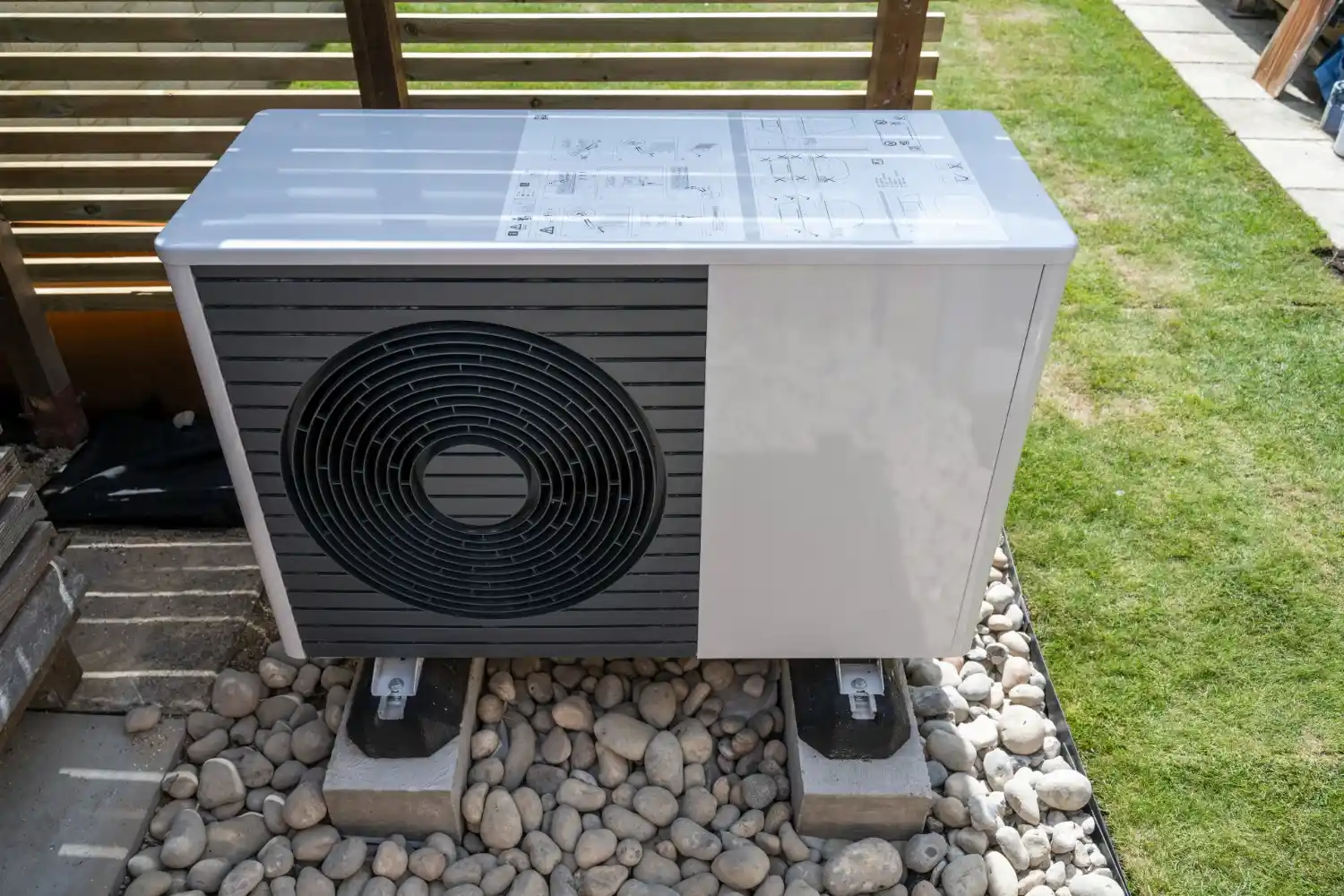
When you commit to a new heat pump installation, you are investing in a complete overhaul of your home's thermal regulation system. This is not merely swapping out a box outside; it is a calibrated process to ensure the new equipment operates at peak efficiency for years to come.
A standard installation service includes:
- Load Calculation: A Manual J load calculation is performed to determine the exact heating and cooling requirements of your specific floor plan. This prevents the common issues of short-cycling (unit too big) or inability to reach set temperatures (unit too small).
- Equipment Selection: Assistance in selecting the right SEER2 and HSPF2 rated equipment that balances upfront cost with long-term energy savings.
- Site Preparation: Safe removal and disposal of your old unit, including the recovery of old refrigerant according to EPA regulations.
- System Integration: Connection of the new indoor air handler and outdoor condenser, including necessary electrical upgrades and thermostat calibration.
- Testing and Balancing: rigorous testing of airflow, refrigerant pressures, and electrical draw to verify the system performs to manufacturer specifications.
Residents in Morehead City and surrounding areas benefit from modern systems that operate significantly quieter than older models. New units also offer better dehumidification, which is critical for preventing mold growth and maintaining structural integrity in coastal homes.
How the Installation Process Works
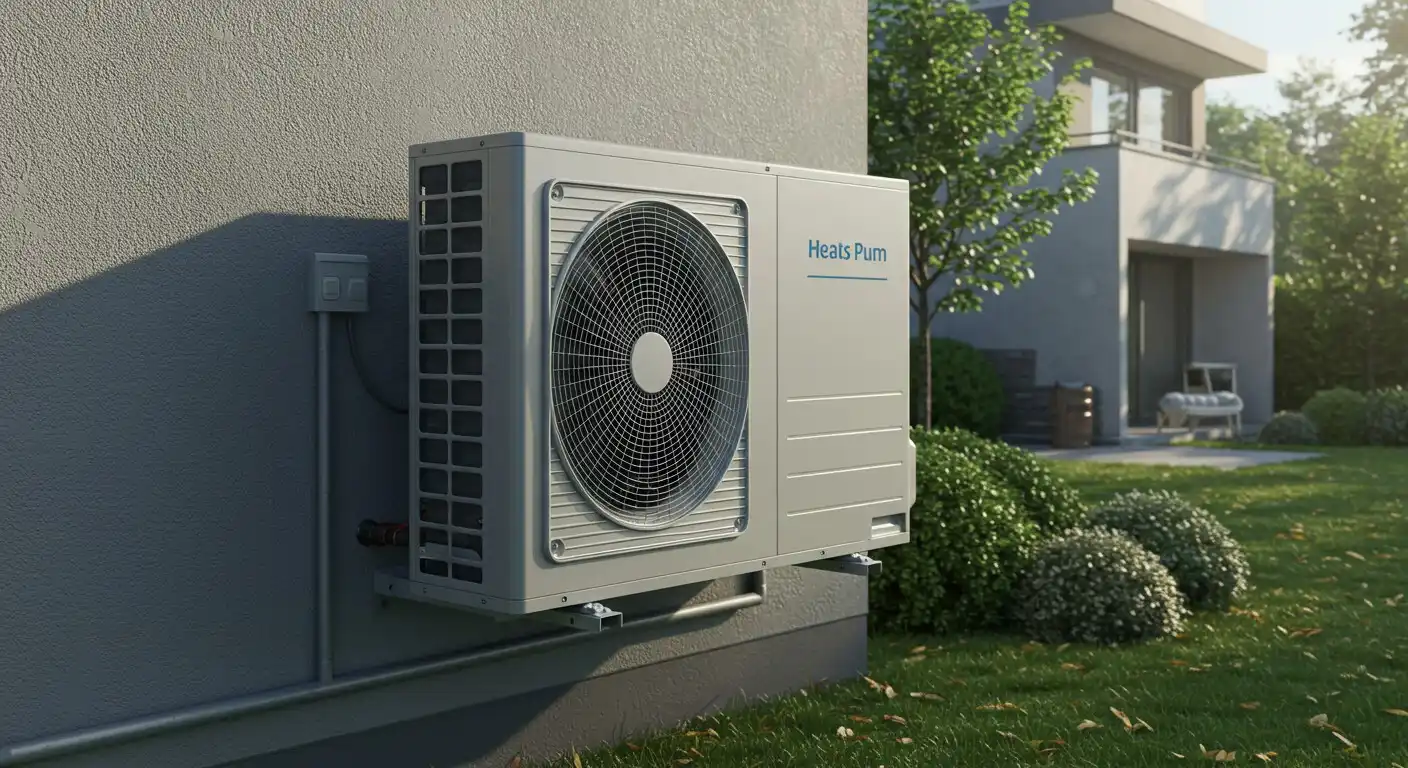
Understanding the sequence of events helps homeowners prepare for the installation day. The goal is to ensure a seamless transition from the old unit to the new system with precision and safety as top priorities.
The installation workflow typically follows these steps:
- Assessment and Sizing: Technicians first assess the existing ductwork and insulation levels. If the ductwork is leaking or undersized, even the best heat pump will fail to perform. Measurements are taken to ensure the new indoor and outdoor units fit the available space.
- Safe Removal of Old Equipment: Power is disconnected, and the existing refrigerant is pumped down or recovered into approved cylinders. The old condenser and air handler are disconnected from the electrical supply and the line set. The area is cleaned to prepare for the new equipment.
- Positioning the New Units: The outdoor unit requires a stable, level pad, often elevated to protect against potential flooding or debris accumulation, which is particularly relevant in coastal regions. The indoor unit is positioned to align with the return and supply plenums.
- Connecting the Line Set: Copper refrigerant lines are routed between the indoor and outdoor units. These lines are brazed (welded) using nitrogen to prevent internal oxidation. This step is critical; poor brazing can lead to leaks and compressor failure later.
- Electrical and Control Wiring: High-voltage wiring is connected to the disconnect box and the unit. Low-voltage control wiring is run to the thermostat and between the units to ensure proper communication for heating, cooling, and defrost cycles.
- Vacuum and Charging: A deep vacuum is pulled on the system to remove all moisture and non-condensables from the lines. This is measured in microns. Once the vacuum is verified, the refrigerant is released or added to meet the exact factory specifications for the length of the line set.
- Startup and Commissioning: The system is powered on. Technicians measure static pressure, temperature drop (delta T), and amperage to ensure the system is running within safe parameters.
When to Choose Replacement Over Repair
Deciding between repairing an aging system and investing in a new heat pump is a financial and logical calculation. While repairs may seem cheaper in the short term, throwing money at a failing system often costs more over time.
Consider replacement if your system meets these criteria:
- Age of the Unit: Heat pumps typically last 10 to 15 years. If your unit is approaching or has surpassed this age range, major components like the compressor are at higher risk of failure.
- Frequency of Repairs: If you have required multiple service calls in the last two years, or if the cost of a current repair approaches 50% of the value of a new system, replacement is the more economically sound choice.
- Rising Energy Bills: As components wear out, motors work harder and coils become less efficient at heat transfer. A sudden or gradual increase in electricity usage without a change in weather or habits indicates the system is losing efficiency.
- Uneven Comfort and Humidity Issues: If some rooms are freezing while others are hot, or if the air feels clammy despite the AC running, the system may be struggling to move air or remove moisture effectively. New systems offer variable-speed options that solve these comfort gaps.
- R-22 Refrigerant: If your older unit utilizes R-22 (Freon), it is obsolete. R-22 is no longer produced, making repairs involving refrigerant leaks prohibitively expensive.
Airtech Mechanical Service Inc. helps homeowners evaluate these factors objectively, providing data on potential energy savings to help calculate the return on investment for a new installation.
Local Considerations for Coastal Heating and Cooling
Installing a heat pump in a coastal environment requires specific attention to environmental factors that do not affect inland properties. The salt air and humidity levels in this region can accelerate corrosion and reduce the lifespan of HVAC equipment if not properly addressed during installation.
Key local factors include:
- Corrosion Protection: Salt spray can eat away at the aluminum fins of a heat pump’s condenser coil. Systems installed here often benefit from special coastal coatings or the selection of units designed with all-aluminum coils to resist galvanic corrosion.
- Humidity Management: The summers here are intensely humid. An oversized unit will cool the house too quickly and shut off before it has removed the moisture, leading to a "cave-like" feel. Proper sizing is strictly adhered to so the unit runs long enough to dehumidify the air.
- Hurricane Preparedness: Local codes often require outdoor units to be strapped down or secured to the pad to prevent them from tipping or becoming projectiles during high-wind events. Elevating the unit is also common to protect against storm surges or localized flooding.
- Permitting and Inspections: Replacing a heat pump involves high-voltage electricity and pressurized refrigerant. Permits are generally required to ensure the work meets safety standards. Professional installers handle the administrative burden of pulling permits and scheduling the final inspection with the county or city.
Technical Advantages of Modern Heat Pumps
The technology driving modern heat pumps has advanced significantly in the last decade. Homeowners are no longer limited to loud, single-stage units that blast air at full speed until the thermostat is satisfied.
Innovations available in current models:
- Inverter Technology: Variable-speed compressors (inverters) adjust their output in tiny increments. Instead of turning on and off efficiently, they ramp up or down to maintain the temperature within a fraction of a degree. This results in significantly lower energy consumption and quieter operation.
- Smart Thermostat Integration: New systems pair seamlessly with smart thermostats, allowing you to control the climate from your phone, set schedules, and even receive alerts if the system detects a performance issue.
- improved Defrost Cycles: Heat pumps can freeze up in the winter. Modern boards use demand-defrost logic rather than simple timers. This means the unit only goes into defrost mode when ice is actually detected, saving energy and keeping the home warmer.
- Dual Fuel Capability: For those who prefer gas heat, a heat pump can be paired with a gas furnace. The heat pump handles the mild days (which are frequent here), and the furnace takes over only when temperatures drop significantly, maximizing efficiency.
Energy Efficiency and Return on Investment
The primary driver for many heat pump installations is the reduction in monthly utility expenses. Heat pumps are unique because they move heat rather than generate it, making them two to three times more efficient than electric resistance heating (like baseboards or electric furnaces).
Understanding the efficiency ratings:
- SEER2 (Seasonal Energy Efficiency Ratio 2): This measures cooling efficiency. The higher the number, the less electricity the unit uses to cool your home. New regulations have raised the minimum standards, ensuring even base models are more efficient than units from a decade ago.
- HSPF2 (Heating Seasonal Performance Factor 2): This measures heating efficiency. A higher HSPF2 rating means the unit is better at extracting heat from the outside air during the winter months.
- Rebates and Incentives: High-efficiency systems often qualify for tax credits under the Inflation Reduction Act or rebates from local utility providers. These financial incentives can significantly lower the net cost of the installation.
Ensuring Long-Term Performance
Once the installation is complete, the longevity of the system depends on how it is maintained. A new heat pump is a significant asset that adds value to the property. Protecting that asset starts immediately after installation.
Post-installation best practices:
- Regular Filter Changes: The most common cause of system failure is airflow restriction due to dirty filters.
- Annual Maintenance: Professional check-ups twice a year (spring and fall) ensure the coils are clean, the drain lines are clear, and the electrical connections are tight.
- Debris Clearance: Keeping the area around the outdoor unit free of leaves, shrubs, and sand buildup ensures proper airflow and heat exchange.
Secure Your Comfort Today
Delaying the replacement of a failing HVAC system often leads to emergency situations during the worst possible weather. Proactive installation ensures you have the time to choose the right system, secure financing, and schedule the work at your convenience rather than out of desperation.
Whether you are looking to lower your carbon footprint, reduce monthly bills, or simply guarantee a warm home during the winter, a modern heat pump is the ideal solution for this climate. Airtech Mechanical Service Inc. provides the technical expertise and local knowledge required to ensure your new system delivers optimal performance from day one, contact us today.
Ready to upgrade your home comfort? Contact us now to schedule your heat pump installation consultation.
Other Services