

Heat Pump Installation in Emerald Isle, NC
Explore top-of-the-line heat pump installation services in Emerald Isle. Ensure your home's comfort with our expert, energy-efficient solutions. Schedule now!
Need Efficient Heat Pump Installation in Your Home?
Struggling with an outdated or inefficient heating system in Emerald Isle can lead to skyrocketing energy bills and uneven temperatures during humid summers or chilly winter nights. Contact us today or ask about our financing options to schedule your consultation.
Upgrading your HVAC equipment is a significant decision that impacts your comfort and budget for years to come. Airtech Mechanical Service Inc. specializes in high-performance heat pump solutions designed to handle the specific climate challenges of the North Carolina coast.
- Achieve efficient temperature control with top-rated products designed for coastal environments.
- Enjoy quick, reliable installations by certified experts who respect your time and property.
- Benefit from full-service support, from load calculation and installation to ongoing maintenance.
All installations are performed with precise adherence to local codes, complete with warranties and flexible financing options.
Comprehensive Heat Pump Solutions for Coastal Climates
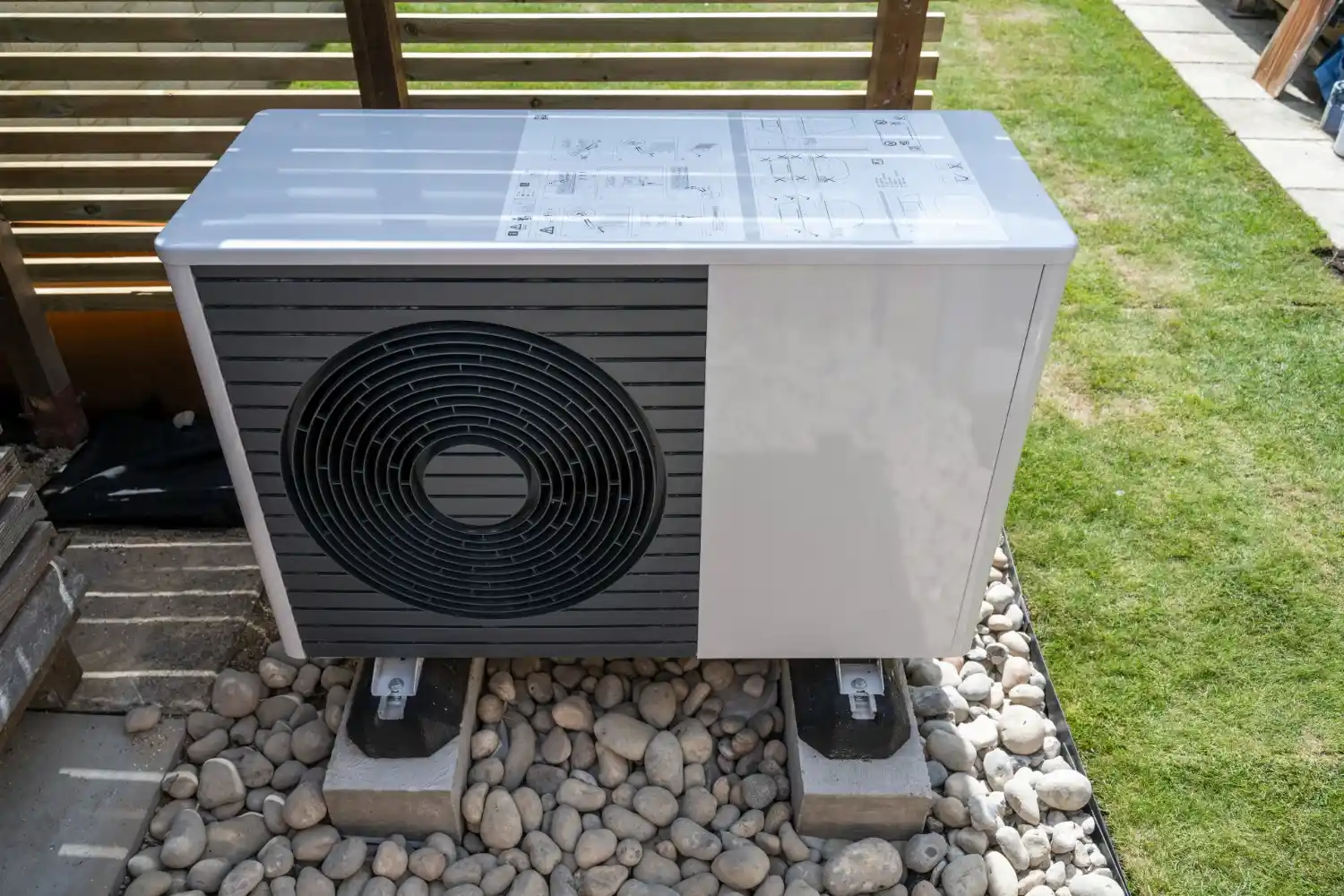
A heat pump is one of the most versatile and efficient HVAC systems available, but its performance depends entirely on the quality of the installation. Unlike a furnace that generates heat, a heat pump moves heat. During the humid summers in Emerald Isle, it acts like a high-efficiency air conditioner, removing heat and humidity from your home. In the winter, it reverses the process, extracting ambient heat from the outdoor air to warm your living space.
When you invest in a new installation, you are purchasing a complete system upgrade, not just a box sitting outside your home. The modern equipment we install offers advanced features that standard units from a decade ago cannot match.
- High-Efficiency Outdoor Units: We install units with high SEER2 (Seasonal Energy Efficiency Ratio) and HSPF2 (Heating Seasonal Performance Factor) ratings. These metrics ensure that you get the maximum amount of heating or cooling for every unit of electricity consumed.
- Matched Air Handlers: The indoor unit must be perfectly matched to the outdoor condenser to ensure proper airflow and static pressure. Mismatched systems often lead to premature failure and loud operation.
- Smart Thermostat Integration: Modern installations often include smart thermostats that allow for precise scheduling, remote access, and humidity control, which is vital for maintaining comfort in our region.
- Auxiliary Heating Elements: While heat pumps are efficient, extreme cold snaps may require backup heating. We properly size and install electric heat strips to ensure you never lose comfort, even on the coldest nights of the year.
The scope of our work ensures that every component functions in harmony. We do not simply swap boxes; we engineer a solution that fits the thermal envelope of your property.
The Installation Process: What to Expect
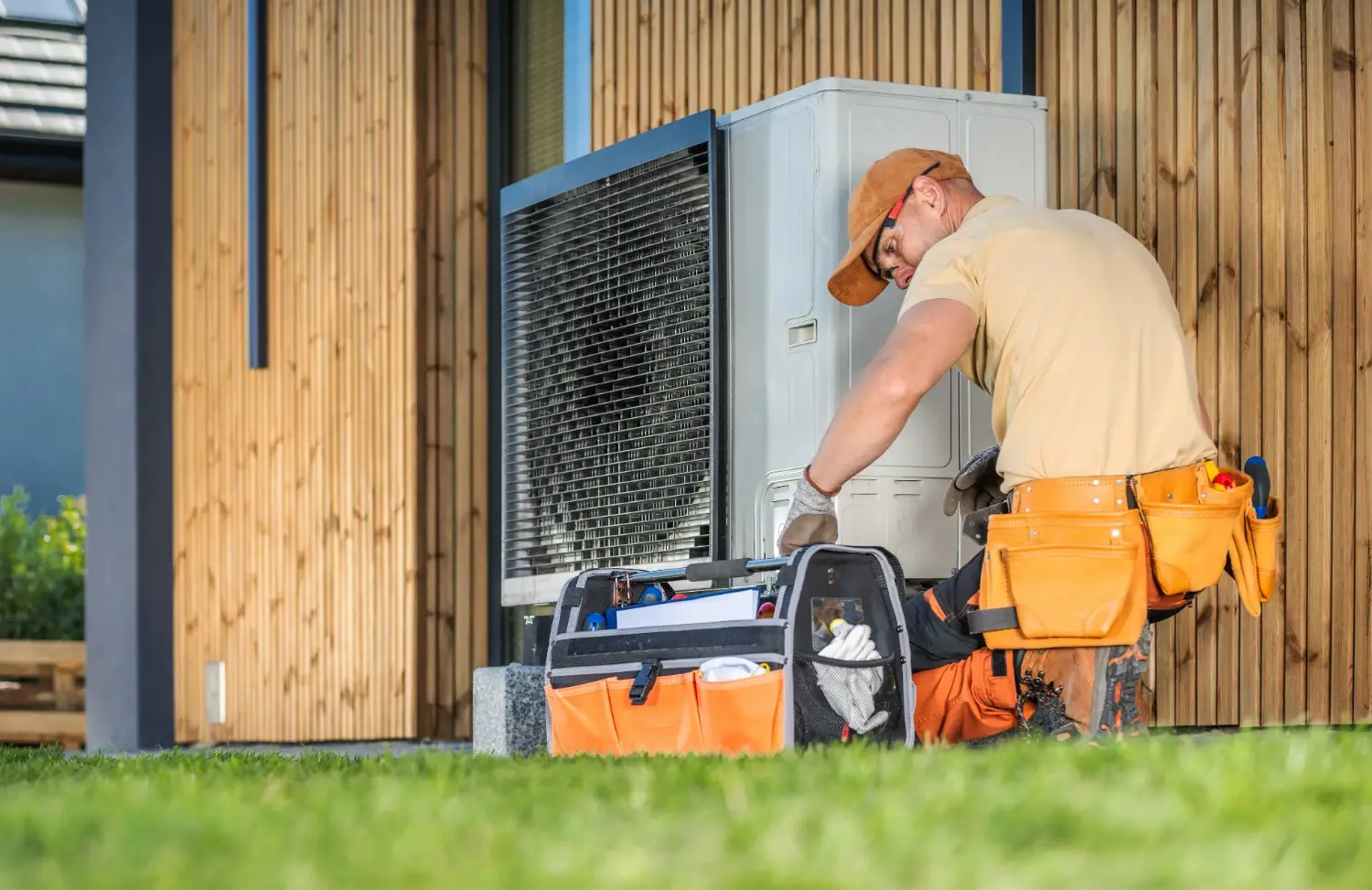
A professional installation follows a rigorous, step-by-step protocol to ensure the longevity of the system. Cutting corners during this phase results in efficiency losses that persist for the life of the unit. We handle every aspect of the project, ensuring a seamless transition from your old unit to your new, high-efficiency system.
- Load Calculation and Sizing: The process begins with a Manual J load calculation. This engineering calculation determines exactly how much heating and cooling your home requires based on square footage, insulation levels, window placement, and orientation. Installing a unit that is too large causes "short cycling," where the unit turns on and off rapidly, failing to dehumidify the air. A unit that is too small will run continuously without reaching the set temperature. We ensure the sizing is exact.
- Site Preparation and Safety: Technicians prepare the installation site by laying down drop cloths and wearing shoe covers to protect your flooring. Safety disconnects and electrical supplies are checked to ensure they meet current code requirements for the new equipment.
- Removal of Existing Equipment: The old system is disconnected and removed. This involves reclaiming any remaining refrigerant according to EPA regulations to prevent environmental contamination. The old unit is hauled away and disposed of properly.
- Equipment Positioning: The new outdoor unit is placed on a composite pad or elevated stand. In coastal areas like Emerald Isle, elevation is critical to protect the unit from potential water accumulation and to allow for proper drainage during the defrost cycle in winter.
- Refrigerant Line Connection: Copper refrigerant lines are connected between the indoor and outdoor units. These lines are brazed with nitrogen flowing through them to prevent oxidation inside the pipe, a critical step often skipped by budget installers that prevents future compressor failure.
- Vacuum and Charging: Once connected, the system is pressure-tested for leaks. A deep vacuum is pulled to remove all moisture and air from the lines. Finally, the system is charged with the precise amount of refrigerant required by the manufacturer specifications.
- Commissioning and Testing: The system is turned on and tested in both heating and cooling modes. Technicians verify airflow, measure static pressure, and check the temperature split (the difference in temperature between the air entering and leaving the unit) to confirm optimal operation.
Repair vs. Replace: Making the Financial Decision
Homeowners often grapple with the decision to repair an aging unit or invest in a replacement. While repairs can extend the life of a system, there is a tipping point where a new installation becomes the more financially sound choice.
Consider the following factors when evaluating your current system:
- Age of the Equipment: Most heat pumps have a lifespan of 10 to 15 years. If your unit is over 12 years old, major components like the compressor or reversing valve are statistically likely to fail soon. Investing in a major repair on a unit near the end of its life typically yields a poor return on investment.
- Frequency of Breakdowns: If you have required repairs more than once in the last two years, your system is becoming unreliable. The "50% Rule" suggests that if the cost of the repair is 50% of the value of the system, you should replace it.
- Rising Energy Bills: Heat pumps lose efficiency as they age due to coil corrosion and wear on mechanical parts. If your energy usage has increased despite normal weather patterns, your system is working harder to provide the same level of comfort. New systems can be significantly more efficient, often lowering monthly utility costs enough to offset a portion of the installation price over time.
- Refrigerant Type: Older systems utilize R-22 refrigerant (Freon), which has been phased out and is incredibly expensive to acquire. If your older unit has a refrigerant leak, the cost to recharge it may approach the cost of a down payment on a new, modern system that uses eco-friendly R-410A or R-454B refrigerants.
- Comfort Issues: If some rooms are always too hot while others are too cold, or if the unit struggles to remove humidity during the summer, a new installation with modern zoning capabilities or variable-speed blowers can resolve these airflow issues permanently.
Local Considerations for Emerald Isle Installations
Installing HVAC equipment in a coastal environment involves unique challenges that do not exist inland. The salt air and high humidity in Emerald Isle significantly impact how equipment must be selected and installed.
- Salt Air Corrosion Protection: The salt spray from the ocean accelerates corrosion on aluminum coils and steel cabinets. We prioritize units with special coastal coatings or all-aluminum coils that resist corrosion better than traditional copper-to-aluminum bonds. Neglecting this factor can cut the lifespan of a heat pump in half.
- Humidity Management: Our region experiences extremely high humidity. Standard single-stage heat pumps often cool the air quickly but turn off before they have removed enough moisture, leading to a "clammy" feeling indoors. Two-stage or variable-speed heat pumps are strongly recommended for this area. These units can run at lower speeds for longer periods, effectively acting as whole-home dehumidifiers while cooling.
- Permitting and Inspections: All heat pump replacements and new installations require a mechanical permit. This ensures the work meets state and local building codes. We handle the entire permitting process, scheduling the necessary inspections to ensure your system is safe and compliant. This is crucial for insurance purposes and future home sales.
- Utility Rebates: North Carolina utility providers frequently offer rebates for homeowners who upgrade to high-efficiency ENERGY STAR® certified heat pumps. We stay up to date on current incentive programs and assist you in identifying which equipment qualifies, potentially lowering your net investment.
Why Technical Expertise Matters for Heat Pumps
A heat pump is a complex piece of thermal machinery. Unlike a gas furnace, which relies on simple combustion, a heat pump relies on precise thermodynamics and refrigerant pressures. The difference between a high-performing system and a problematic one is rarely the brand of the equipment, but rather the skill of the installation team.
- Airflow is Critical: Heat pumps are sensitive to airflow. If the ductwork is undersized or restricted, the system pressure rises, efficiency drops, and the compressor is strained. We assess your ductwork to ensure it can handle the airflow requirements of the new system.
- Electrical Precision: Modern high-efficiency units use sophisticated electronics and inverters. Proper grounding, wire sizing, and surge protection are mandatory to protect these sensitive components from power fluctuations, which can be common during summer thunderstorms.
- Warranty Validation: Manufacturers have strict guidelines for installation. If a unit is not registered properly or if it is installed without following specific protocols (such as nitrogen brazing or proper vacuum levels), the warranty may be voided. We ensure all warranty paperwork is filed and that the installation meets the strictest manufacturer standards.
Securing Your Home Comfort
A heat pump installation is an investment in your property value and your daily quality of life. By selecting the right equipment and ensuring it is installed correctly, you secure consistent comfort, improved indoor air quality, and lower operational costs.
We focus on delivering a seamless experience, minimizing disruption to your home while maximizing the performance of your new system. From the initial assessment to the final walkthrough, the priority is verifying that the system performs exactly as designed.
Airtech Mechanical Service Inc. stands ready to upgrade your home with a reliable, high-efficiency heat pump system. Stop overpaying for energy and tolerating inconsistent temperatures.
Contact us today to discuss your heat pump installation options and secure your comfort for the seasons ahead.
Other Services