

Heat Pump Installation in Craven, NC
Ensure your comfort with professional heat pump installations in Craven County. Explore high-efficiency solutions, financing options, and expert advice today.
Is Inconsistent Heating or High Energy Bills Disrupting Your Comfort?
Experiencing frequent breakdowns or seeing a sudden spike in energy costs can be frustrating, especially when you are trying to maintain a comfortable indoor environment against the humidity and fluctuating temperatures typical of the region. If your current system is failing to keep up, contact Airtech Mechanical Service Inc. immediately to discuss financing options or schedule a site evaluation. Residents in Craven County often face the challenge of managing indoor climate control during the intense summer thunderstorms and the surprisingly chilly winter nights, making a reliable system essential for safety and comfort.
- Get a professional heat pump installation assessed and scheduled rapidly to minimize downtime.
- Benefit from modern, high-efficiency systems designed to significantly lower monthly utility expenses.
- Enjoy peace of mind with extended labor and parts warranties on all new equipment.
All installations comply strictly with local building codes and come with comprehensive financing options to fit your budget.
Comprehensive Heat Pump Replacement and Installation Services
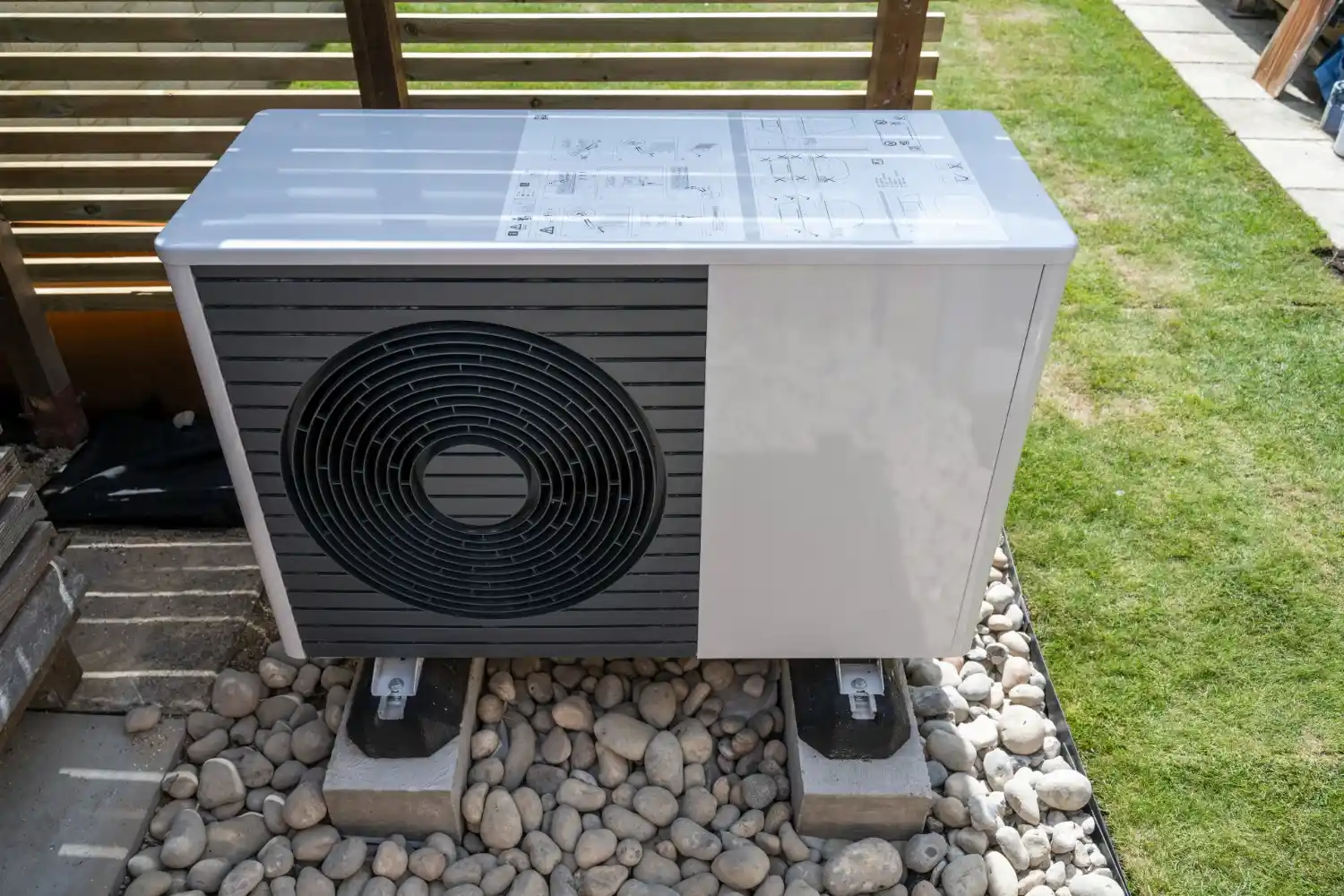
When you commit to a new heat pump installation, you are investing in the primary comfort engine of your home. A modern installation goes far beyond simply swapping out a box outside your house. It involves a complete assessment of your home’s thermal characteristics to ensure the new equipment performs exactly as rated.
Precise Load Calculation and Sizing
The most critical step in installing a heat pump is determining the correct size. An oversized unit will short-cycle, turning on and off too frequently, which leads to poor humidity control, a major issue in our humid subtropical climate. Conversely, an undersized unit will run continuously without ever reaching the set temperature. We perform detailed Manual J load calculations that account for your home's square footage, insulation levels, window orientation, and air leakage rates. This ensures the system selected is perfectly matched to the specific demands of your property.
System Selection: Ducted vs. Ductless
We provide installation services for both traditional split-system heat pumps and ductless mini-split configurations.
- Ducted Systems: Ideal for homes with existing ductwork. These systems utilize your current ventilation infrastructure to distribute conditioned air. We inspect existing ducts for leaks or insulation failures before connecting the new unit to ensure no energy is wasted.
- Ductless Mini-Splits: Perfect for additions, garages, or older homes without ductwork. These allow for zoned climate control, meaning you can keep the living room cool while reducing energy usage in unoccupied bedrooms.
Efficiency Ratings and SEER2 Standards
Modern heat pumps are rated by Seasonal Energy Efficiency Ratio (SEER2) for cooling and Heating Seasonal Performance Factor (HSPF2) for heating. We install high-efficiency units that meet or exceed current federal standards. Higher SEER2 ratings indicate lower energy consumption for the same amount of cooling. Moving from an older 10 SEER unit to a modern 16+ SEER2 system can result in substantial energy savings immediately upon installation.
Auxiliary Heating Solutions
While heat pumps are incredibly efficient, the efficiency can drop during extreme freezes. We install properly sized electric heat strips (auxiliary heat) within the air handler. These strips act as a backup to ensure your home remains warm during the rare instances when the outdoor temperature drops significantly below freezing, or while the heat pump is in defrost mode.
The Professional Installation Process
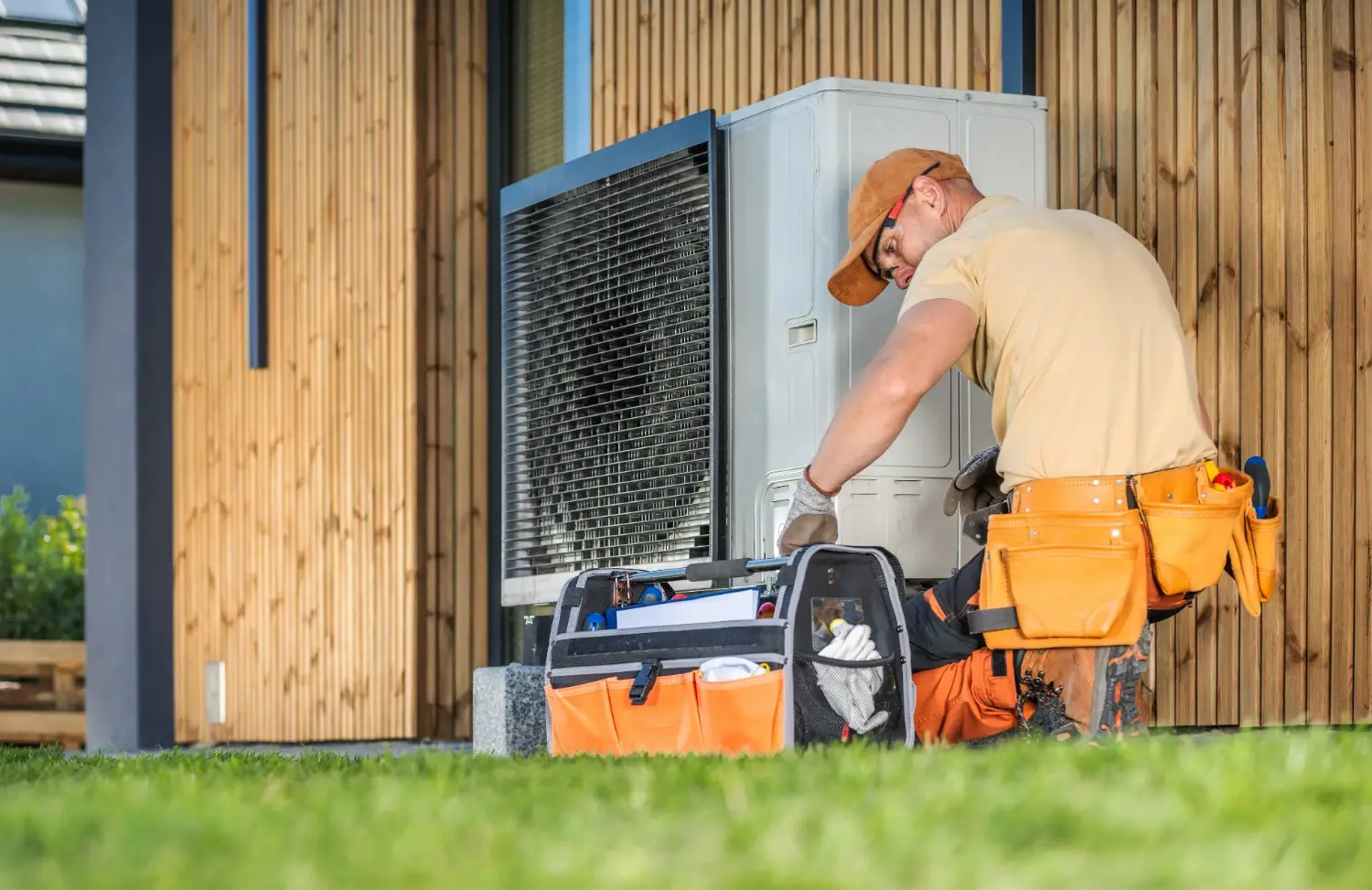
A quality heat pump is only as good as its installation. Even the most expensive, top-tier equipment will fail prematurely if the installation protocols are not followed meticulously. Airtech Mechanical Service Inc. follows a strict, standardized procedure to ensure longevity and peak performance.
Site Preparation and Safety
- First, technicians arrive on-site to assess the safety of the workspace. This includes turning off electrical power at the breaker panel and the disconnect box.
- Flooring protection is laid down in traffic areas to prevent damage to your home during the removal of the old indoor air handler.
- The existing refrigerant is pumped down or recovered according to EPA regulations. Venting refrigerant into the atmosphere is illegal and environmentally harmful; we ensure zero-emission recovery.
Removal and Equipment Setting
- Next, the old outdoor condenser and indoor air handler are disconnected and removed from the property.
- The placement pad for the outdoor unit is inspected. If the ground has settled, we level the area or install a new composite pad. This is vital because an unlevel compressor wears out faster and operates noisily.
- Snow legs or risers are installed if necessary to keep the outdoor unit above potential standing water or snow accumulation, ensuring proper drainage and airflow.
Connections and Brazing
- New copper refrigerant lines (line sets) are installed or, if reusing existing lines, they are rigorously flushed to remove old oil and contaminants.
- Technicians braze the copper connections using nitrogen purging. Flowing nitrogen through the lines while brazing prevents oxidation (soot) from forming inside the copper. If this step is skipped, that soot eventually clogs the specialized valves in the new system.
- A new filter drier is installed in the liquid line to capture any moisture or debris that might remain in the system.
Vacuum and Charge
- Once the system is physically connected, a vacuum pump is attached to evacuate air and moisture from the lines. We pull a deep vacuum, measured in microns, to ensure the system is completely tight and dry.
- The system is then charged with the precise amount of refrigerant specified by the manufacturer. Incorrect charging reduces efficiency and can damage the compressor.
Final Commissioning
- Finally, the system is powered on and tested in both heating and cooling modes.
- Technicians measure static pressure in the ductwork and check the temperature differential (Delta T) across the coil to verify the unit is exchanging heat correctly.
- The thermostat is programmed, and the user is briefed on operation and maintenance requirements.
When Full Replacement Beats Another Repair
Homeowners often struggle with the decision to repair an aging unit or invest in a new one. While repairs are sometimes feasible, there is a tipping point where sinking money into an old system becomes financially irresponsible.
The 50% Rule
A common industry standard for decision-making is the 50% rule. If the cost of the repair approaches 50% of the value of a new system, replacement is the smarter financial move. This is particularly true if the warranty on the existing unit has expired. Spending half the cost of a new unit to patch an old one effectively buys you a few more months of service, whereas a new unit buys you 10 to 15 years of reliable performance.
System Age and R-22 Availability
Heat pumps generally have a lifespan of 10 to 15 years. If your unit is over 12 years old, major component failures (like a compressor or coil leak) signal the end of its useful life. Additionally, older systems utilize R-22 refrigerant (Freon), which has been phased out. R-22 is becoming prohibitively expensive and difficult to source. Upgrading to a system that uses R-410A or newer refrigerants future-proofs your home and lowers service costs.
Frequency of Breakdowns
If you have required emergency repairs more than twice in the last two years, the system is unreliable. "Nickel and diming" refers to the accumulation of smaller repair bills, capacitors, contactors, fan motors, that eventually total the cost of a down payment on a new system. A new installation eliminates these surprise costs and restores reliability.
Comfort and Humidity Issues
As heat pumps age, their compressors lose compression, and coils can become fouled, leading to reduced capacity. If your system runs all day but cannot maintain the set temperature, or if your home feels clammy and humid despite the AC running, the system has lost its ability to dehumidify effectively. In our region, humidity control is just as important as temperature control for preventing mold growth and maintaining comfort.
Navigating Local Climate and Regulations
Operating in the Craven County area requires specific attention to environmental factors that generic installations often overlook. The humid subtropical climate presents unique challenges that your heat pump must be equipped to handle.
Humidity Management
July and August are notoriously wet months in this region. A properly installed heat pump acts as a dehumidifier during the cooling cycle. We prioritize variable-speed air handlers and two-stage compressors because they run for longer cycles at lower speeds. This extended run time allows the system to pull more moisture out of the air compared to a single-stage system that blasts cold air quickly and then shuts off. Lower humidity allows you to set the thermostat higher while still feeling cool, saving energy.
Hurricane and Storm Preparation
Our area is vulnerable to tropical storms and hurricanes, particularly from June through November. Local codes dictate specific tie-down requirements for outdoor mechanical equipment.
- We ensure all outdoor condenser units are securely anchored to their concrete or composite pads using code-approved hurricane straps or bolts.
- This prevents the unit from tipping over or becoming a projectile during high-wind events, protecting both your investment and your home’s structure.
Permitting and Inspections
Heat pump installation is a major construction activity that requires electrical and mechanical permits. Operating without a permit can lead to fines, issues when selling your home, and voided insurance claims if a fire occurs. We handle the entire permitting process with the local municipal offices. This includes filing the application, scheduling the required inspections, and ensuring the work passes all code requirements regarding electrical disconnects, wire sizing, and breaker compatibility.
Corrosion Protection
While not directly on the beach, the regional air content can still accelerate corrosion on standard aluminum coils. We recommend and install systems with coated coils or all-aluminum construction that resist oxidation. This extends the life of the condenser and prevents the dreaded "rotten egg" smell associated with dirty sock syndrome, which occurs when bacteria grow on corroded coils.
Why Professional Installation Matters
Choosing the right contractor is arguably more important than choosing the brand of equipment. A top-tier brand installed poorly will fail within a few years, while a mid-range brand installed perfectly can last for decades.
Extended Equipment Lifespan
Factory warranties usually cover parts for 10 years, but they almost always require proof of professional installation by a licensed contractor. DIY or handyman installations often void these warranties immediately. By hiring certified professionals, you ensure that if a part fails in year seven, the manufacturer will cover it. Furthermore, precise installation protocols regarding refrigerant charge and airflow reduce stress on the compressor, directly correlating to a longer system life.
Safety and Electrical Compliance
Heat pumps require significant electrical power, often utilizing 220V circuits. Improper wiring can lead to fires, equipment damage, or personal injury. Professional installers verify that the existing electrical panel can handle the load of the new unit, upgrade breakers as necessary, and ensure all high-voltage connections are torqued to specification to prevent arcing.
Smart Home Integration
Modern heat pumps are compatible with smart thermostats and home automation systems. We can integrate your new installation with Wi-Fi-enabled controls, allowing you to monitor energy usage, adjust schedules remotely, and receive alerts if the system detects an issue. This level of control is essential for maximizing efficiency and comfort in a modern home.
Securing Your Comfort Today
Delaying the replacement of a failing heat pump often leads to a complete system breakdown at the most inconvenient time, usually during a heatwave or a sudden freeze. Proactive replacement allows you to choose the system that best fits your needs rather than being forced to take whatever is available during an emergency.
We provide transparent timelines, clear scopes of work, and a commitment to leaving your home cleaner than we found it. From the initial load calculation to the final walkthrough, every step is executed with precision and respect for your property.
Don't wait for total system failure to address your heating and cooling needs. Secure a reliable, energy-efficient future for your home by scheduling your consultation with Airtech Mechanical Service Inc. today.
Other Services