

Heat Pump Installation in Beaufort, NC
Upgrade to a high-efficiency heat pump in Beaufort for consistent climate control and energy savings. Contact us now to schedule your professional installation!
Is Inconsistent Climate Control Impacting Your Home Comfort?
Do you experience the frustration of an inefficient heating and cooling system during the peak of Beaufort’s humid summers or the unexpected chill of winter? If your current system fails to maintain a consistent temperature or causes energy bills to spike, it is time to secure a reliable upgrade. Contact us today to schedule your consultation or discuss financing options for a new system.
Airtech Mechanical Service Inc. specializes in high-efficiency replacements that restore balance to your indoor environment. Homeowners facing mechanical failures or outdated technology need a solution that addresses both temperature control and humidity management immediately.
- Secure professional installation services that prioritize system longevity and manufacturer compliance.
- Achieve enhanced indoor comfort and superior energy efficiency with modern heat pump technology.
- Access transparent project scopes and clear communication without hidden fees or surprise costs.
Enjoy peace of mind with comprehensive warranties and straightforward financing options designed to make your upgrade accessible.
Comprehensive Heat Pump Installation Solutions
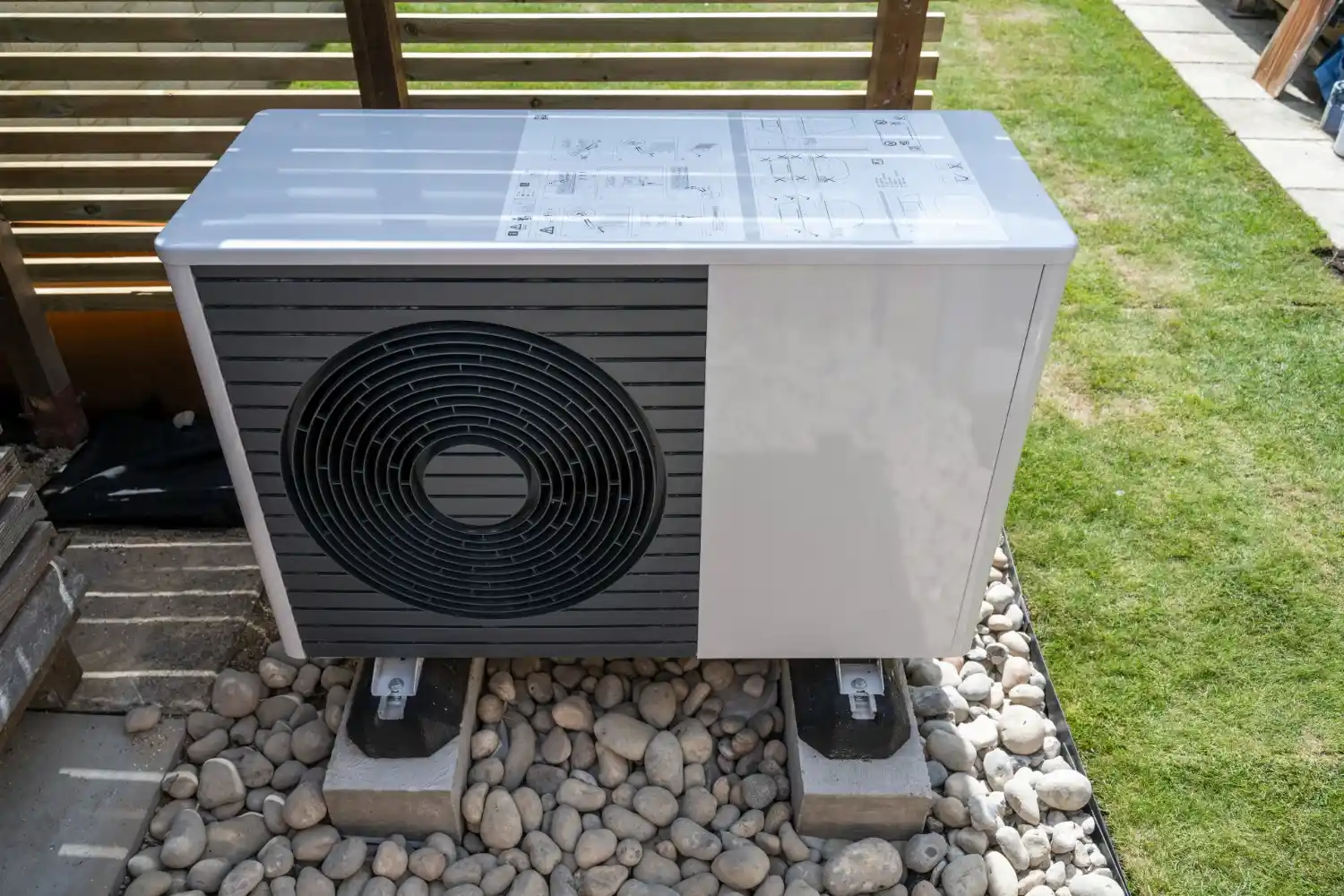
Investing in a new heat pump is about more than just swapping out a box outside your home; it is about engineering a solution that fits the specific thermal envelope of your property. A modern installation ensures that your heating and cooling needs are met efficiently, regardless of the fluctuating weather patterns in North Carolina. The focus remains on delivering a system that operates quietly, reduces energy consumption, and provides precise temperature control in every room.
System Sizing and Load Calculation
The most critical aspect of a successful installation is proper sizing. An oversized unit will short-cycle, turning on and off too frequently, which fails to remove humidity effectively, a major issue in coastal environments. Conversely, an undersized unit will run continuously without ever reaching the set temperature, leading to premature wear and excessive electricity costs. We utilize industry-standard Manual J load calculations to determine the exact heating and cooling requirements of your specific floor plan.
Ductwork Inspection and Modification
Even the most advanced heat pump cannot perform efficiently if the air distribution system is compromised. Leaky, crushed, or poorly designed ductwork results in significant energy loss. Part of the installation scope involves a thorough assessment of existing ducts. If necessary, modifications are made to ensure optimal airflow and static pressure, guaranteeing that the conditioned air reaches the living spaces rather than escaping into attics or crawlspaces.
High-Efficiency Equipment Options
Modern systems offer features that older units simply cannot match. Variable-speed compressors and multi-stage blowers adjust their output in small increments to match the heating or cooling demand of the moment. This technology maintains a steady temperature rather than blasting full-capacity air and then shutting off. This leads to better dehumidification in the summer and consistent warmth in the winter without the "cold blow" effect associated with older heat pumps.
The Installation Process: From Assessment to Airflow
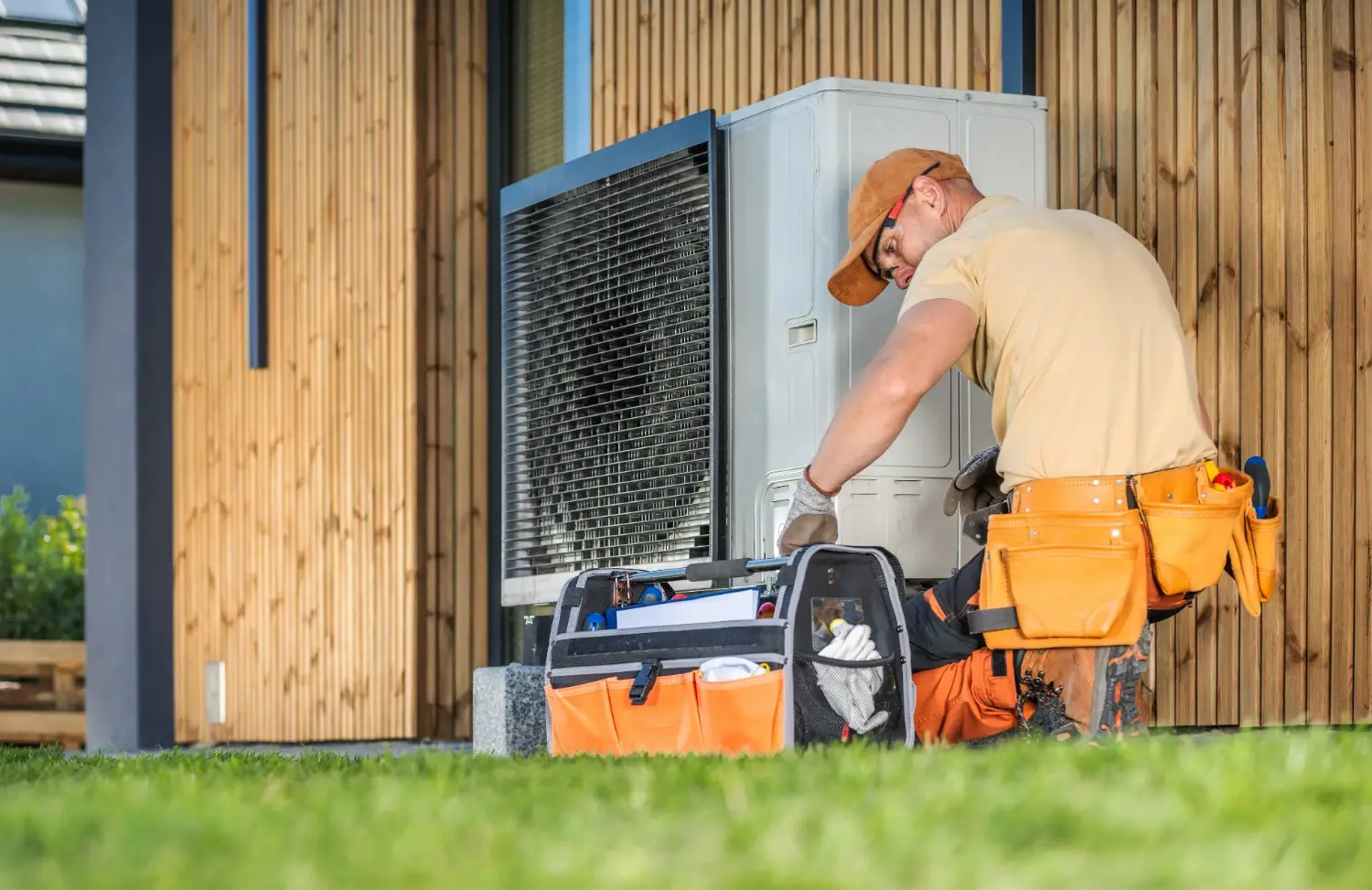
A professional installation follows a rigorous protocol to ensure the equipment operates according to manufacturer specifications. Skirting steps or rushing the process often leads to future breakdowns and voided warranties. The workflow is designed to be seamless, minimizing disruption to your daily routine while adhering to strict safety and quality standards. Contact us today.
- Site Evaluation and Selection: The process begins with a physical evaluation of the installation site. Technicians verify that the outdoor pad is level and positioned correctly to allow for proper airflow and service access. For the indoor unit, the location is checked to ensure it can accommodate the new equipment dimensions and that drainage lines can be routed effectively.
- Removal and Disposal of Existing Equipment: Technicians safely disconnect the old unit, recovering any remaining refrigerant in accordance with EPA regulations to prevent environmental contamination. The old equipment is removed from the property and disposed of properly, leaving a clean slate for the new system.
- System Positioning and Connection: The new outdoor condenser and indoor air handler are set in place. If the system requires a new thermostat or control wiring, these are installed at this stage. Technicians connect the refrigerant lines (line set) between the indoor and outdoor units. These lines are brazed using nitrogen purging to prevent oxidation inside the copper tubing, a critical step for the longevity of the compressor.
- Electrical and Drainage Setup: High-voltage and low-voltage electrical connections are secured and tested for safety. Condensate drain lines are installed with safety switches to prevent water damage in case of a blockage. This is particularly important in humid climates where the system pulls significant moisture from the air.
- Vacuum and Refrigerant Charging: Before the system is started, a deep vacuum is pulled on the refrigerant lines to remove all moisture and non-condensables. Once the vacuum holds, the system is charged with the precise amount of refrigerant required by the manufacturer. Incorrect charging is a leading cause of poor efficiency, so this step is handled with precision tools.
- Final Commissioning and Walkthrough: The system is powered on and tested across all modes of operation. Technicians measure static pressure, temperature split, and airflow to verify performance. Finally, the homeowner receives a walkthrough of the new thermostat operation and maintenance requirements, ensuring full confidence in the new system.
Repair vs. Replacement: Making the Financial Choice
Deciding whether to repair an aging unit or invest in a replacement is a common dilemma. While repairs may seem cheaper upfront, they often act as a temporary bandage on a failing system. Understanding the long-term financial implications helps homeowners make a logical, data-driven decision.
The 50% Rule
A standard industry benchmark for this decision is the 50% rule. If the cost of the repair approaches 50% of the value of the system, or if the repair cost multiplied by the age of the unit exceeds $5,000, replacement is generally the more fastidious financial move. Pumping money into a system that is nearing the end of its lifespan yields diminishing returns.
Refrigerant Availability and Cost
Older heat pumps utilize R-22 refrigerant, which has been phased out due to environmental regulations. If your older unit suffers a refrigerant leak, the cost to recharge it can be exorbitant, and supplies are limited. Modern systems use R-410A or newer, more eco-friendly refrigerants that are readily available and more efficient. Transitioning to a modern platform eliminates the risk of being stuck with an unserviceable unit.
Frequency of Breakdowns
If you find yourself calling for service multiple times a year, the cumulative cost of service calls and parts often outweighs the monthly investment of a new, warrantied system. Reliable operation is valuable; a new installation resets the clock on component wear and provides warranty protection that eliminates the fear of unexpected repair bills.
Energy Efficiency Gains
Heat pump technology has advanced significantly in the last decade. A unit installed 15 years ago likely has a SEER (Seasonal Energy Efficiency Ratio) rating of 10 or 12. Today’s standard units start at much higher efficiency levels. Upgrading can result in immediate reductions in monthly utility bills, often offsetting a portion of the installation cost over time.
Navigating Beaufort’s Climate and Coastal Requirements
Installing HVAC equipment in Beaufort, NC, requires specific considerations that do not apply to inland regions. The local climate and geography dictate specific installation standards to ensure the equipment survives and performs in a coastal environment.
- Humidity Management: The humid subtropical climate means that latent load (moisture removal) is just as important as sensible load (temperature reduction). Systems must be configured to prioritize dehumidification, potentially utilizing two-stage or variable-speed compressors that run longer at lower speeds to pull more moisture from the air. This prevents the "cold and clammy" feeling inside the home and inhibits mold growth.
- Corrosion Protection: Proximity to salt water accelerates corrosion on outdoor condenser coils and metal casings. Standard units may deteriorate rapidly if not protected. We recommend equipment with coated coils or specific coastal protection packages designed to withstand salt spray. This extends the lifespan of the unit significantly compared to standard untreated equipment.
- Hurricane and Wind Code Compliance: Local building codes often require specific tie-downs or strapping for outdoor units to ensure they remain secure during high-wind events. Compliance with these regulations is not optional; it ensures the safety of your property and fulfills insurance requirements. Proper elevation of the outdoor unit is also considered to protect against potential flooding or standing water during heavy storms.
- Permitting and Inspections: Any major HVAC replacement requires a mechanical permit to ensure the work meets safety codes. Professional installers handle the administrative burden of pulling permits and scheduling the required county or city inspections. This validates that the electrical connections, gas lines (if applicable), and mechanical setups are safe for occupancy.
Why Homeowners Trust the Upgrade to Modern Systems
Selecting the right partner for your heat pump installation defines the quality of your long-term comfort. The difference between a functional system and a high-performance system lies in the technical expertise of the installers and the quality of the equipment selected.
Technical Proficiency and Certification
Modern heat pumps involve complex electronics and precise refrigerant management. Installation teams are trained on the latest manufacturer protocols, ensuring that advanced features like smart thermostats and zoning capabilities are configured correctly. Airtech Mechanical Service Inc. employs technicians who understand the science of thermodynamics and airflow, ensuring your system is tuned for peak performance from day one.
Warranty Stewardship
A new system comes with manufacturer warranties that cover parts for ten years or more, provided the unit is registered and installed correctly. Professional installers ensure that all registration paperwork is filed accurately. Furthermore, labor warranties provided by the service company offer a safety net, ensuring that if any issues arise during the initial period, they are rectified without cost to the homeowner.
Long-Term Asset Protection
A heat pump is a significant structural asset to your home. A professional installation increases the resale value of the property. Prospective buyers look for modern, well-maintained mechanical systems. Documentation of a professional installation, complete with permits and load calculations, serves as proof of the home’s value and maintenance history.
Financing and Rebates
Upgrading your system does not always require an immediate lump-sum payment. Various financing options allow homeowners to spread the cost over time, making the project budget-friendly. Additionally, high-efficiency units often qualify for utility rebates or tax credits. Professional teams stay informed about current incentives and assist homeowners in identifying opportunities to save money on the initial purchase.
Taking action now to replace an aging or inefficient heat pump eliminates the risk of sudden failure during extreme weather. By choosing a professional installation, you secure a comfortable, energy-efficient home environment for years to come.
Prioritize your comfort and financial savings by scheduling your installation assessment today.
Advanced Heat Pump Systems Installed With Technical Accuracy
Professional heat pump installation in Beaufort, NC requires precise configuration to ensure balanced performance and efficient operation. Airtech Mechanical Service Inc. installs heat pump systems designed to integrate seamlessly with existing infrastructure and usage demands. Incorrect setup often limits system effectiveness. Our technicians deliver installations built for reliability and controlled operation.
Improve system efficiency with a heat pump installed to precise specifications.
Schedule Professional Heat Pump Installation Service
Other Services