

Heat Pump Installation in Atlantic Beach, NC
Seeking top-quality HVAC installation in Atlantic Beach? Trust Airtech Mechanical Service Inc. for rapid, precise service tailored to coastal conditions. Learn more today!
Inconsistent Temperatures and Rising Energy Bills Signal a System Failure
Living in Atlantic Beach means dealing with salt air, high humidity, and fluctuating temperatures that wreak havoc on aging HVAC systems, often leaving homeowners with units that run constantly but fail to cool or heat effectively. If your heat pump is short-cycling, making unusual noises, or causing your electric bill to spike unexpectedly, you need immediate professional intervention to restore comfort and efficiency. Contact us today or inquire about our financing options to schedule your assessment.
When you choose Airtech Mechanical Service Inc. for your installation needs, you eliminate the guesswork associated with HVAC replacement. We prioritize technical precision and speed to ensure your home returns to a comfortable baseline without unnecessary delays.
- Rapid response times for assessments to prevent prolonged discomfort.
- Transparent, itemized pricing structures so you know exactly what you are paying for.
- Installation and system commissioning performed by certified HVAC professionals.
We handle all necessary permitting through Carteret County and provide comprehensive labor and parts warranties for every installation.
What To Expect From a Professional Installation
A heat pump installation is more than just swapping boxes; it is a construction project within your home that dictates your comfort for the next 15 years. The scope of a professional installation focuses on optimizing the system for the specific thermal envelope of your property. In coastal environments, this also means selecting equipment designed to withstand corrosive salt air and high moisture levels.
When you authorize an installation, the process begins with a technical evaluation, not a sales pitch. The goal is to match the equipment capacity to the load requirements of the structure. An oversized unit will short-cycle, leading to poor humidity control, a critical failure in our region, while an undersized unit will run continuously, driving up wear and tear.
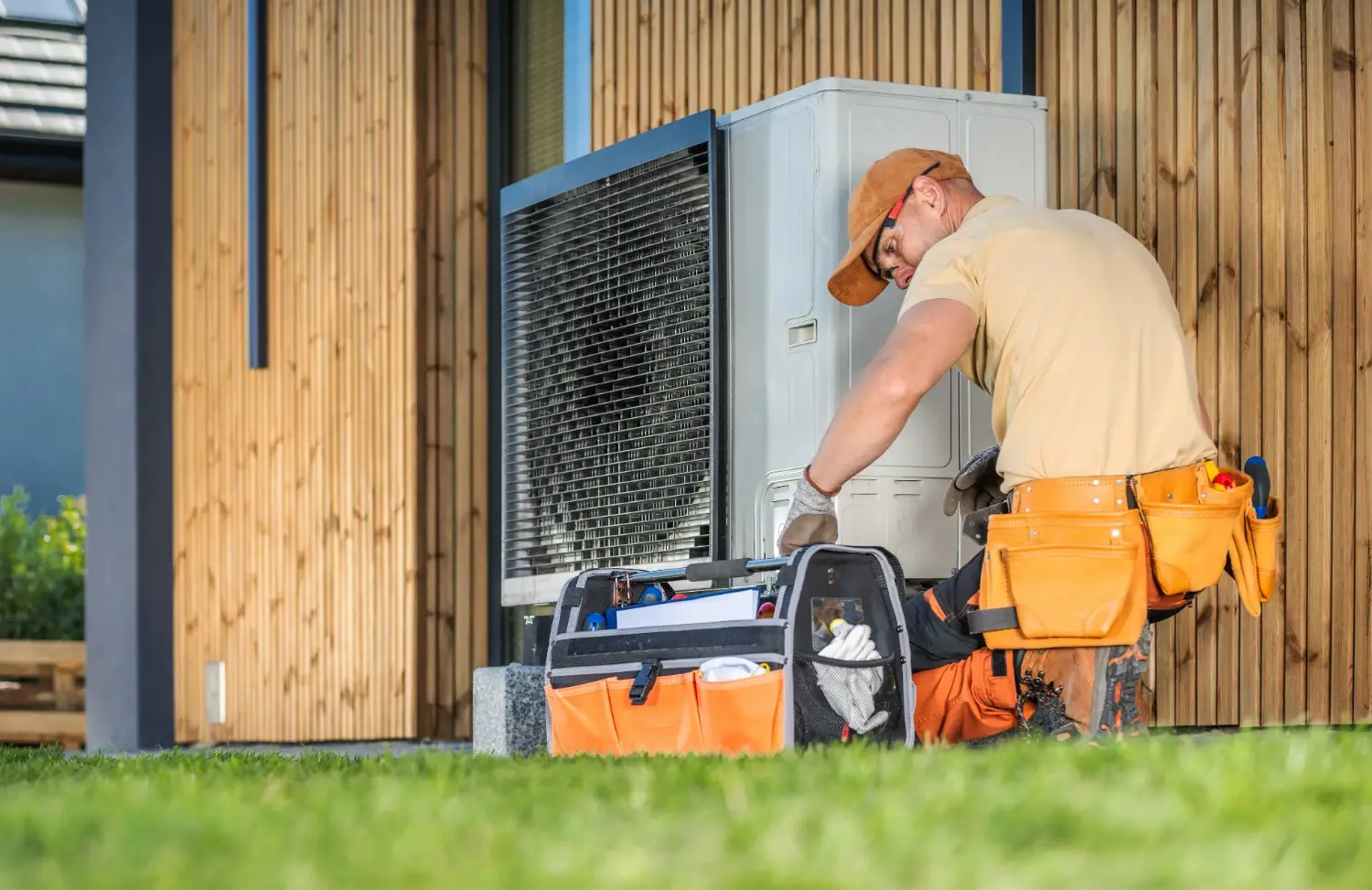
Standard installation services include the safe recovery of refrigerant from your old unit, removal and disposal of existing equipment, and the preparation of the installation site. This preparation often involves leveling the ground for the outdoor condenser, inspecting existing electrical connections for code compliance, and evaluating the condition of the copper line sets. If the existing lines are compromised or incompatible with modern refrigerants, they are replaced or flushed to ensure the new system operates without contamination.
The Installation Process: From Assessment to Airflow
A systematic approach ensures that nothing is overlooked during the transition from your old unit to the new high-efficiency system. We adhere to a strict protocol to guarantee that the equipment performs according to the manufacturer's specifications.
- Load Calculation and Sizing: The process starts with a Manual J load calculation. This calculation looks at square footage, insulation levels, window types, and orientation to determine the exact heating and cooling British Thermal Units (BTUs) required. This step is non-negotiable for achieving maximum efficiency.
- Site Protection and Preparation: Technicians lay down drop cloths and wear shoe covers to protect your flooring. The area around the indoor air handler and outdoor condenser is cleared to ensure safe access. Electrical circuits are shut off, and safety checks are performed before any demolition begins.
- Refrigerant Recovery and Removal: Old refrigerant is captured in recovery cylinders according to EPA regulations to prevent environmental venting. The old equipment is then disconnected from the ductwork and electrical supply and removed from the property.
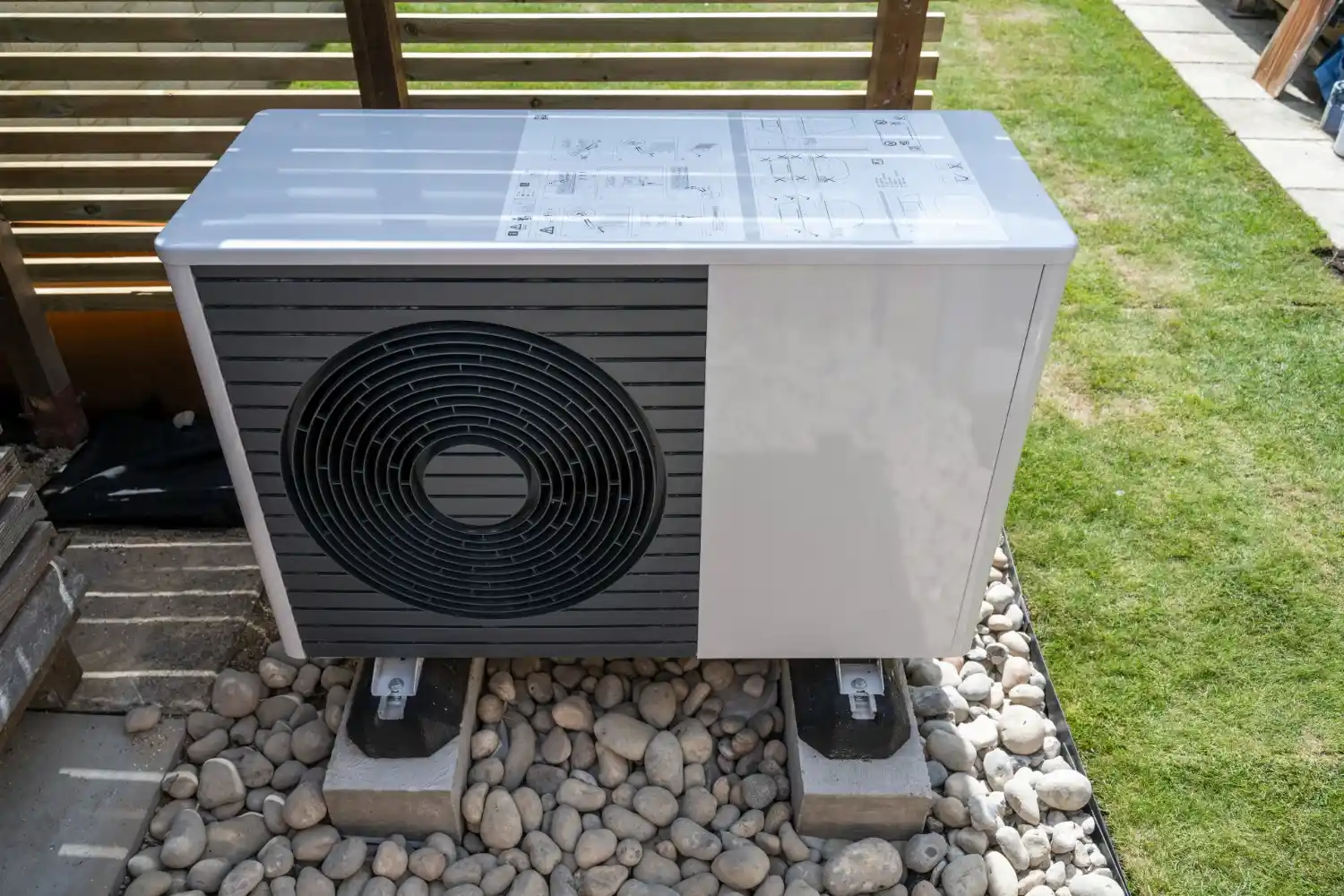
- Equipment Positioning: The new indoor air handler is positioned and sealed to the existing supply and return plenums. Outside, the condenser is set on a composite pad or elevated stand, which is crucial in flood-prone zones or areas with heavy vegetation.
- Line Set and Electrical Connection: Copper refrigerant lines are brazed with nitrogen flowing through them to prevent oxidation inside the pipe. High-voltage wiring is connected to the disconnect box, and low-voltage control wiring is run to the thermostat.
- Vacuum and Charging: A deep vacuum is pulled on the system to remove all moisture and non-condensables from the lines. Once the vacuum holds, the system is charged with the precise amount of refrigerant required for the line set length.
- System Commissioning: The unit is powered on, and technicians measure static pressure, airflow, and temperature splits. This data validates that the installation was successful and the system is operating at its rated efficiency.
Deciding Between Repair and Full Replacement
Homeowners often struggle with the decision to repair an existing unit or invest in a new one. While repairs can solve immediate problems, there is a financial tipping point where replacement becomes the more logical economic choice. This decision usually hinges on the age of the system, the cost of the repair, and the type of refrigerant the current system uses.
- The 50% Rule: If the cost of the repair approaches 50% of the value of the system, replacement is generally recommended. Spending thousands on a compressor for a 12-year-old unit is rarely a sound investment, as other components are likely to fail shortly after.
- System Age and Reliability: Heat pumps in coastal areas typically have a shorter lifespan than those inland due to corrosion. If your system is over 10 years old and requires major repairs, it has likely reached the end of its serviceable life. Continuing to patch an aging system often results in a "money pit" scenario where cumulative repair costs exceed the price of a new unit.
- Refrigerant Phase-Outs: Older systems utilize R-22 refrigerant, which is no longer produced and is exorbitantly expensive to source. If your R-22 system develops a leak, replacement is almost always the only viable option. Modern systems use more environmentally friendly refrigerants that are readily available and efficient.
- Efficiency Gains: Heat pump technology has advanced significantly in the last decade. Replacing a 10 SEER unit with a modern 15+ SEER2 system can result in substantial energy savings. In a climate where the AC runs for a large portion of the year, these operational savings can offset the installation cost over time.
Local Factors Affecting Installation Requirements
Installing a heat pump in Atlantic Beach requires adherence to specific local codes and an understanding of the environmental challenges unique to the Crystal Coast. A generic installation approach often leads to premature failure due to the harsh elements.
- Corrosion Protection: Salt spray is aggressive. Standard aluminum fins on condenser coils can disintegrate within a few years if not properly protected. We recommend equipment with factory-applied coastal coatings or all-aluminum coil designs that resist galvanic corrosion. This extends the lifespan of the outdoor unit significantly.
- Hurricane and Wind Codes: The outdoor unit must be secured to withstand high wind loads associated with hurricane season. Local codes in Carteret County dictate specific tie-down methods and stand requirements. Ensuring the unit is strapped correctly prevents it from becoming a projectile during a storm and protects the refrigerant lines from rupturing.
- Permitting and Inspections: All HVAC replacements require a permit from the local building department. This ensures that the electrical work meets safety standards and the equipment is sized correctly. A final inspection by a county official is a standard part of the process to verify compliance.
- Flood Zone Considerations: Many properties in the area are in flood zones. In these instances, the outdoor unit may need to be elevated on a stand or platform to stay above the base flood elevation. This protects the compressor and electrical components from saltwater intrusion during storm surges.
Airtech Mechanical Service Inc. is familiar with these local nuances and ensures every installation meets strict regional compliance standards.
Why Proper Sizing and Airflow Management is Critical
The most advanced heat pump will fail to provide comfort if it is not sized correctly or if the ductwork cannot support the required airflow. In our humid climate, an oversized unit will cool the house too quickly. This satisfies the thermostat before the system has run long enough to remove moisture from the air. The result is a home that feels cold but clammy, often leading to mold growth and musty odors.
Conversely, restricted airflow due to poor duct design kills efficiency. High static pressure forces the blower motor to work harder, reducing its lifespan and increasing noise levels. A professional installation includes an assessment of the duct system to ensure it can deliver the air required by the new heat pump. If the ducts are undersized, leaky, or disconnected, simply installing a new unit will not solve the underlying comfort issues.
We focus on the "V" in HVAC—Ventilation and Velocity. By balancing the air pressure within the home, we ensure even temperatures across all rooms. This eliminates hot spots in the summer and cold drafts in the winter. Proper airflow also maximizes the filtration capability of the system, improving indoor air quality by effectively cycling air through the filter media.
Energy Efficiency Ratings and Long-Term Value
Understanding efficiency ratings is key to making an informed purchasing decision. For heat pumps, you need to look at both the SEER2 (Seasonal Energy Efficiency Ratio) for cooling and the HSPF2 (Heating Seasonal Performance Factor) for heating. These newer metrics, introduced to reflect real-world installation conditions more accurately, give you a better idea of expected energy consumption.
- SEER2 Importance: Since cooling is a major demand in our region, a higher SEER2 rating directly correlates to lower summer electric bills. Moving from a standard baseline unit to a high-efficiency inverter-driven system can reduce cooling costs by 30% or more.
- HSPF2 and Heating: While our winters are mild, they can still be chilly. A heat pump with a high HSPF2 rating extracts heat from the outside air more efficiently, even as temperatures drop. This reduces the reliance on expensive auxiliary heat strips, which are essentially electric resistance heaters that consume three times as much energy as the heat pump compressor.
- Inverter Technology: Traditional systems operate at 100% capacity or 0%—on or off. Inverter-driven compressors can ramp up or down to match the exact heating or cooling load of the home. This variable-speed operation maintains a precise temperature, runs quieter, and removes more humidity than single-stage systems.
Secure Your Comfort With a Reliable Installation
Your home’s mechanical system is the engine that drives your daily comfort. Ignoring signs of failure or delaying necessary replacement often leads to emergency situations during the hottest or coldest days of the year. A professionally installed heat pump provides consistent temperature control, improved indoor air quality, and peace of mind knowing your system is backed by industry-leading warranties and local support.
At Airtech Mechanical Service Inc., we are committed to delivering precise, code-compliant installations that stand up to the coastal environment. We don't just swap boxes; we engineer comfort solutions tailored to your home.
Call Us Now!
Don't wait for a total system breakdown to take action. Contact us today to schedule your consultation and secure a more efficient, comfortable home.
Other Services