

Mini Split Service in Jacksonville, NC
Looking for reliable mini split services in Jacksonville? Contact Airtech Mechanical Service Inc for expert repair and installation. Ensure your comfort today!
Is Your Mini Split Ready for Jacksonville's Humid Summer?
Don't let Jacksonville's peak summer heat catch you off guard with a malfunctioning mini split system; contact Airtech Mechanical Service Inc. today to schedule immediate repair or to discuss financing options for a new installation. Ensure comfort with our expert mini split services designed specifically for local climate demands and humidity levels.
- Get same-day service availability to beat the heat and dangerous humidity levels.
- Expert installations and repairs that strictly adhere to all local building codes and hurricane safety standards.
- Energy-efficient solutions designed to lower monthly utility costs while maximizing indoor comfort.
All services come with a solid warranty and flexible options for financing to make premium comfort affordable.
Comprehensive Diagnostics and Rapid Repair Solutions
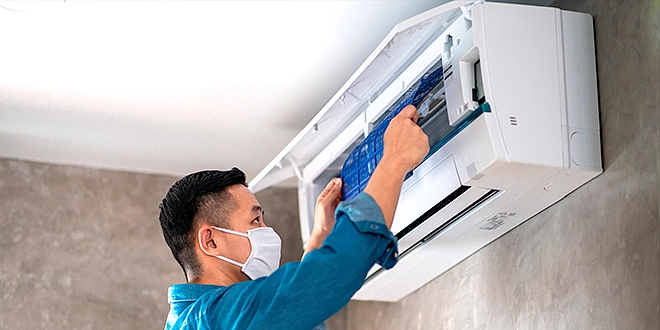
When a ductless system fails, the impact on your indoor environment is immediate. The distinct advantage of a mini split is its ability to provide targeted cooling and heating, but this also means that when a specific zone goes down, it can disrupt the entire flow of your home. We provide a rigorous diagnostic process that goes beyond surface-level symptoms to identify the root cause of the malfunction. Our technicians arrive with fully stocked trucks, ready to address issues ranging from refrigerant leaks to communication failures between indoor and outdoor units.
The service begins with a thorough evaluation of the air handler. Common issues often stem from neglected maintenance, such as clogged filters or blocked drain lines, which can lead to water damage or system freezing. We inspect the blower wheel for debris buildup, which significantly reduces airflow and efficiency. If your system is leaking water down the wall, it is often a sign of a blockage in the condensate line or a failure in the condensate pump. We clear these blockages and test the drainage system to ensure proper flow, preventing potential mold growth and structural damage to your home.
We also focus heavily on the electrical and mechanical components of the outdoor condenser. Mini splits rely on sophisticated inverter technology to modulate compressor speed. When these boards fail or sensors drift out of calibration, the system may run inefficiently or stop altogether. We test the voltage and amperage of the compressor, inspect the control boards for signs of thermal damage, and verify the integrity of all communication wires. If the system is low on refrigerant, we do not simply top it off; we locate the leak, repair the connection (often at the flare fittings), and recharge the system to the manufacturer's exact specifications.
Preventative maintenance is included in our service approach. While addressing the immediate repair, we also check for potential future failure points. This includes cleaning the condenser coils to ensure maximum heat rejection, tightening all electrical connections to prevent arcing, and verifying that the system is cycling properly. Our goal is to leave you with a system that operates at peak performance, handling the humid conditions of Jacksonville without strain.
.webp)
A Streamlined Approach to Ductless System Installation
Installing a mini split system requires precision and a deep understanding of thermodynamics and airflow dynamics. A poor installation can result in reduced efficiency, frequent breakdowns, and a shortened lifespan for the equipment. Our installation process is methodical, ensuring that every component is sized correctly and installed according to strict industry standards. We handle everything from single-zone units for room additions to multi-zone systems that condition an entire property.
- Site Assessment and Load Calculation: The process begins with a detailed manual J load calculation. We measure the square footage of the room, assess insulation levels, check window orientation, and account for internal heat gains. This ensures the unit selected has the exact BTU capacity required for the space. Oversized units cycle too frequently and fail to dehumidify, while undersized units run constantly without reaching the set temperature.
- Mounting the Indoor Unit: Technicians locate a structurally sound section of the wall to mount the indoor air handler. The mounting plate is leveled perfectly to ensure proper drainage. We carefully drill the penetration hole for the line set, tilting it slightly downward to the exterior to facilitate gravity drainage. The unit is then secured, ensuring it is flush against the wall for a clean aesthetic.
- Running the Line Set and Wiring: We route the refrigerant lines, drain tube, and communication wire from the indoor unit to the exterior. These components are bundled and protected within a line hide cover to ensure a neat appearance and protection from the elements. We take care to bend the copper tubing gently to avoid kinks that could restrict refrigerant flow.
- Setting the Outdoor Condenser: The outdoor unit is placed on a composite pad or mounted on a wall bracket, depending on local ground conditions and flood risks. We ensure adequate clearance around the unit for airflow. The system is then bolted down securely, a critical step in hurricane-prone areas like ours to prevent movement during high winds.
- Connections and Vacuum Procedure: Once the units are physically in place, we connect the refrigerant lines using precision flaring tools to create leak-proof seals. Before releasing the refrigerant, we perform a triple evacuation process using a vacuum pump. This removes all moisture and non-condensables from the lines, which is vital for the longevity of the compressor and the oil within the system.
- Final Commissioning: The system is powered on and tested in both cooling and heating modes. We measure the temperature differential (delta T) across the coil to verify performance. We also demonstrate how to use the remote control or smart thermostat integration, ensuring you understand how to operate your new system for maximum efficiency.
Deciding Between System Repair and Full Replacement
Homeowners often face the difficult decision of whether to invest in repairs for an aging unit or to replace the system entirely. Making the right choice depends on a mathematical evaluation of the system's age, repair costs, and current efficiency performance. We provide the data you need to make a financially sound decision that benefits your long-term comfort and budget.
- The 50% Rule and System Age: A general guideline in the HVAC industry is the 50% rule: if the cost of the repair approaches 50% of the value of a new system, replacement is usually the better option. Mini split systems generally have a lifespan of 12 to 15 years. If your unit is over 10 years old and requires a major component replacement, such as a compressor or an inverter board, investing in a new system is often more logical. Older units use outdated refrigerants (like R-22) which are expensive and difficult to source, making repairs increasingly costly as time goes on.
- Efficiency and Technology Gains: Newer mini split systems offer significantly higher SEER2 (Seasonal Energy Efficiency Ratio) ratings compared to models from a decade ago. Modern inverter compressors can ramp up and down with incredible precision, using only the energy necessary to maintain the set temperature. If your current system causes high energy bills or struggles to maintain consistent temperatures, replacing it with a high-efficiency model can result in immediate monthly savings that help offset the installation cost.
- Warranty Coverage: When a major repair is performed on an out-of-warranty system, the warranty on the new part is typically limited to one year. Conversely, a new installation typically comes with a 10-to-12-year manufacturer warranty on parts and the compressor. This long-term protection provides peace of mind that you will not face unexpected repair bills for the foreseeable future. If your system has a history of frequent breakdowns, the cumulative cost of service calls often exceeds the investment in a reliable new unit.
- Availability of Parts: As models become obsolete, sourcing specific control boards or motors becomes a challenge. This can lead to extended downtime while waiting for parts to be located or shipped. In the heat of summer, waiting days or weeks for a part is not an option. Upgrading to a current model ensures that parts are readily available and that the system is supported by the manufacturer.
Navigating Local Climate Challenges and Regulations
Operating HVAC equipment in North Carolina presents unique challenges due to the specific climate and weather patterns of the region. The high humidity levels require systems that are capable of long run times to effectively remove moisture from the air. Mini splits are excellent for this, provided they are sized correctly. A system that short-cycles will cool the air quickly but leave the room feeling clammy and uncomfortable. We ensure that your system is optimized for humidity control, often recommending "dry mode" settings or specific fan speeds to enhance moisture removal.
Hurricane Preparedness and Equipment Safety
The coastal influence brings the threat of hurricanes and tropical storms. Wind-borne debris and high gusts pose a significant risk to outdoor condenser units. Local codes in Jacksonville and surrounding areas require specific tie-down methods and mounting standards to ensure the unit remains secure during a storm. We inspect existing installations to verify that the condenser is properly anchored to the pad or wall bracket. Additionally, we recommend the installation of surge protectors. Lightning strikes and power surges are common during summer storms, and the sensitive electronics in mini split inverter boards are highly susceptible to voltage spikes. A surge protector acts as a gatekeeper, sacrificing itself to save your expensive equipment.
Permitting and Code Compliance
HVAC work is regulated to ensure safety and energy efficiency. Replacing a system or installing a new circuit for a mini split requires adherence to the North Carolina Building Code and the National Electrical Code (NEC). Unpermitted work can lead to issues when selling your home or complications with insurance claims in the event of a fire or failure. We handle the permitting process, ensuring that the wire gauge, breaker size, and disconnect placement meet all legal requirements. This includes verifying that the condensate management system meets code to prevent water damage to the building structure.
Corrosion Protection
The proximity to the coast means that salt air can accelerate corrosion on the aluminum fins of the condenser coil. This corrosion reduces heat transfer efficiency and can eventually cause refrigerant leaks. We recommend and apply protective coatings for units in coastal zones and verify that the equipment selected is built with corrosion-resistant materials. Regular washing of the outdoor coils is also emphasized to remove salt buildup and extend the life of the unit.
Why Homeowners Trust Us for Ductless Climate Control
Airtech Mechanical Service Inc. stands apart by focusing on technical precision and transparent communication. We understand that inviting a technician into your home requires trust, which is why our team is background-checked, drug-tested, and fully insured. We respect your property by using drop cloths and shoe covers, leaving the workspace cleaner than we found it.
We do not believe in high-pressure sales tactics. Our technicians are paid to solve problems, not to upsell unnecessary accessories. When we recommend a repair or a replacement, it is backed by diagnostic data and a clear explanation of the benefits. We work with all major brands of ductless systems, ensuring that we have the expertise to service whatever equipment you have in your home. Our commitment is to restore your comfort quickly and correctly, without cutting corners on materials or workmanship.
From the initial phone call to the final system test, our process is designed to reduce stress and provide a definitive solution to your heating and cooling needs. We offer flexible scheduling to accommodate your busy life and transparent pricing so you know exactly what to expect before any work begins.
Experience the difference of working with a dedicated mini split specialist. Contact us today to schedule your service or consultation and secure your comfort for the seasons ahead.
Ongoing Care That Maintains Multi-Zone Coordination
Routine mini split service in Jacksonville, NC helps preserve airflow balance, control responsiveness, and coordinated system behavior. Airtech Mechanical Service Inc. services mini split systems with attention to both zone-level and system-wide performance. Skipped service often leads to gradual output inconsistency. Our service methodology supports dependable operation.
Sustain mini split performance with service structured for long-term reliability.
Continue With Professional Mini Split System Care
Other Services