

Mini Split Service in Havelock, NC
Need rapid mini split repair in Havelock, NC? Contact us today for expert diagnostics and high-quality service to restore your system efficiently. Schedule now!
Resolve Mini Split Issues Quickly with Expert Services
Facing unexpected mini split breakdowns? Immediate repair services are crucial for your comfort and safety, especially when humidity levels rise. Contact Airtech Mechanical Service Inc. today or inquire about our flexible financing options to restore your system immediately.
When a ductless system fails in Havelock, NC, the internal temperature climbs rapidly, putting your home at risk of moisture damage and discomfort. You require a service provider that understands the intricate electronics and inverter technology specific to these units. We provide comprehensive diagnostics and rapid repairs to get your zones back to the desired temperature.
- Rapid response team available 24/7 to address urgent problems.
- Technicians certified in the latest mini split technology ensure efficient problem resolution.
- Transparent pricing and warranties provide peace of mind and reliable service.
All services are fully licensed, with extended warranties and flexible financing options.
.webp)
Comprehensive Mini Split Diagnostics and Repair Scope
Ductless heating and cooling systems operate differently than traditional central air conditioning. They rely on sophisticated inverter boards, electronic expansion valves, and distinct communication lines between indoor and outdoor units. When Airtech Mechanical Service Inc. arrives at your property, the focus is on pinpointing the specific failure point within this complex network to avoid unnecessary part replacements.
A thorough service visit begins with analyzing the error codes. Unlike standard thermostats, mini split heads often use a series of flashing lights or remote control codes to indicate specific malfunctions. Technicians interpret these signals to determine if the issue is electrical, refrigerant-related, or mechanical.
The scope of service typically includes:
- Communication Line Testing: The wiring between the indoor head and the outdoor condenser carries both power and data. Technicians test for voltage drops or signal interruptions that cause the unit to stop running or behave erratically.
- Refrigerant Charge Verification: Mini splits require precise refrigerant levels to function correctly. A system that is even slightly low on charge will struggle to dehumidify and cool, often freezing up the coils. Leak detection is performed using electronic sniffers to locate the source of the loss.
- Sensor Calibration Checks: Thermistors measure air and coil temperatures to regulate the inverter compressor speed. If these sensors drift out of calibration, the system may short cycle or fail to reach the set temperature.
- Drainage System Clearing: Ductless units remove significant moisture from the air. Technicians clear the condensate drain line and test the condensate pump (if applicable) to prevent water from backing up and damaging your walls.
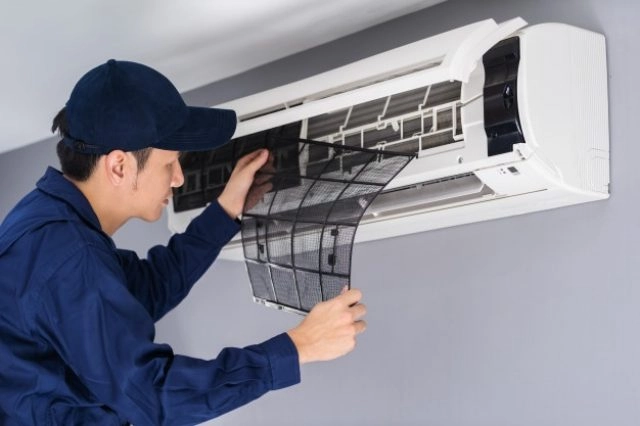
- Blower Wheel Cleaning: The barrel fan inside the indoor unit can accumulate dust and mold, which unbalances the fan and reduces airflow. Deep cleaning restores quiet operation and efficiency.
The Installation and Replacement Process
When a repair is no longer feasible or you are upgrading to a new system, the installation process requires strict adherence to manufacturer specifications. Improper installation is the leading cause of premature mini split failure. A professional installation ensures that the equipment operates at its rated SEER (Seasonal Energy Efficiency Ratio) and provides reliable comfort for years.
The process is methodical and designed to minimize disruption to your home while ensuring a weather-tight seal and proper mechanical function.
- Load Calculation and Sizing: Before any equipment is ordered, a technician calculates the heating and cooling load for the specific room or zone. Oversizing a unit leads to short cycling and poor humidity control, while undersizing results in the unit running constantly without satisfying the thermostat.
- Mounting the Indoor Unit: The mounting plate is leveled and secured to the wall studs. This step is critical to ensure the unit drains condensate water correctly by gravity.
- Wall Penetration: A single three-inch hole is drilled through the exterior wall. Technicians use care to avoid electrical wires and plumbing. The hole is sleeved to protect the line set and sealed to prevent pests and drafts from entering the home.
- Running the Line Set: The insulated copper refrigerant lines, drain tube, and communication wire are bundled and run from the indoor unit to the outdoor location. Line set covers are installed on the exterior to protect the insulation from UV degradation and improve aesthetics.
- Connecting the Outdoor Unit: The condenser is mounted on a composite pad or wall bracket to keep it above potential snow lines and away from dirt splashback. Refrigerant lines are flared and torqued to precise specifications to prevent leaks.
- Vacuum and Pressure Test: This is the most critical step. A vacuum pump removes all moisture and air from the lines. A micron gauge confirms that the system is tight and dry before refrigerant is released.
- Final Commissioning: The system is powered on, and technicians verify that it heats, cools, and drains properly. Users are trained on remote control functions and filter maintenance.
When to Replace vs. Repair Your Ductless System
Deciding between repairing an existing mini split or investing in a replacement involves analyzing the long-term costs and benefits. While ductless systems are durable, they eventually reach a point where continued repair is essentially throwing money away.
Homeowners should evaluate the following criteria to make a financially sound decision:
- Age of the Equipment: Most mini splits have a lifespan of 12 to 15 years. If your unit is over 10 years old and requires a major repair, such as a compressor or inverter board replacement, investing in a new system with a fresh warranty is often the smarter choice.
- The 50% Rule: If the cost of the repair approaches or exceeds 50% of the cost of a new system, replacement is generally recommended. This is particularly true for older units using phased-out refrigerants.
- Frequency of Breakdowns: If the system has required multiple service calls in the last two years, it indicates that internal components are failing sequentially. Replacement eliminates the uncertainty of "what will break next."
- Efficiency Gains: Modern mini splits offer significantly higher SEER ratings than models from a decade ago. Replacing an older unit can result in immediate monthly energy savings, effectively subsidizing the cost of the new installation over time.
- Parts Availability: As manufacturers update their technology, parts for older models become scarce and more expensive. If a specific control board or motor takes weeks to source, replacement provides an immediate solution to restore comfort.
Regional Considerations for Havelock Operations
Operating a mini split in Havelock requires attention to specific environmental factors that influence system performance and longevity. The local climate is classified as humid subtropical, which presents unique challenges for HVAC equipment.
High humidity levels during the summer months mean that your system works harder to remove moisture from the air. If a mini split is not sized correctly or maintained properly, it may fail to dehumidify the space, leading to a clammy indoor environment and potential mold growth inside the air handler.
- Salt Air and Corrosion: Proximity to the coast introduces salt into the air. This can accelerate corrosion on the aluminum fins of the outdoor condenser. Regular rinsing and the application of anti-corrosive coatings can extend the life of the outdoor unit.
- Hurricane Season Preparation: Late summer and early fall bring the threat of hurricanes and high winds. Outdoor units must be securely anchored to their pads or brackets to prevent them from shifting or tipping during a storm. State codes mandate specific tie-down requirements to ensure safety.
- Winter Operation: While winters are generally mild, temperatures can drop below freezing. Modern mini splits with low-ambient heating capabilities are essential. Condensate from the outdoor unit (which occurs during heating mode) must be directed away from walkways to prevent icing hazards.
- Permitting and Electrical Codes: Local building codes require permits for new HVAC installations and significant electrical modifications. A dedicated electrical circuit is usually required for the outdoor unit. Professional technicians ensure all work complies with the National Electrical Code (NEC) and local Havelock amendments to ensure safety and pass inspection.
Why Professional Service Matters for Warranty and Performance
Attempting DIY repairs on mini splits or hiring unlicensed handymen often leads to voided warranties and compromised performance. Manufacturers of ductless systems have strict warranty clauses that require proof of professional installation and maintenance.
Mini splits contain high-voltage electronics and high-pressure refrigerant. Mishandling these components can cause severe injury or catastrophic equipment failure. For example, contaminating the refrigerant lines with moisture during installation acts like acid inside the compressor, leading to burnout shortly after operation.
Professional service ensures that:
- Refrigerant Handling is Compliant: Technicians are EPA-certified to handle, recover, and charge refrigerant responsibly, adhering to environmental regulations.
- Electrical Safety is Prioritized: Inverter systems use capacitors that store high voltage even after power is disconnected. Professionals know how to safely discharge these components before servicing.
- Warranty Claims are Valid: Should a part fail, a licensed contractor can process the warranty claim with the manufacturer, covering the cost of the part. Without service records from a licensed provider, manufacturers often deny claims.
Ensuring Long-Term Reliability
Consistent maintenance is the key to protecting your investment. Airtech Mechanical Service Inc. recommends a bi-annual service schedule, once in the spring before the cooling season and once in the fall before the heating season. This proactive approach identifies loose electrical connections, refrigerant leaks, and sensor issues before they result in a system breakdown during extreme weather.
During these maintenance visits, deep cleaning the indoor coils and blower wheels is paramount. Because mini splits do not use ductwork, the indoor unit is located directly in the living space. If biological growth occurs on the blower wheel due to dust and moisture, it is blown directly into the room, affecting indoor air quality. Professional cleaning involves dismantling the cabinet to access and sanitize these hard-to-reach components.
Furthermore, checking the outdoor unit's airflow is vital. Debris such as leaves, grass clippings, and dirt can block the condenser coil, causing the system to overheat and consume excessive electricity. Keeping this coil clean ensures the system exchanges heat efficiently, keeping utility bills manageable.
By choosing a dedicated service provider, you ensure that your ductless system remains a reliable source of comfort regardless of the season. From navigating local permit requirements to handling complex inverter repairs, professional expertise delivers results that quick fixes cannot match.
Secure the longevity and efficiency of your mini split system today. Avoid the inconvenience of sudden failures and the high cost of emergency replacements. Click below to schedule your comprehensive service or repair.
Schedule Your Mini Split Service Now.
System Care Designed to Preserve Zone Balance
Routine mini split service in Havelock, NC, helps maintain airflow accuracy, control responsiveness, and coordination between indoor units. Airtech Mechanical Service Inc. services mini split systems with attention to system balance and mechanical condition. Skipped service often leads to gradual performance decline. Our service methodology supports consistent operation.
Sustain mini split system performance with service structured for long-term reliability.
Continue With Professional Mini Split System Care
Other Services