

Mini Split Service in Hampstead, NC
Struggling with HVAC efficiency in Hampstead? Contact Airtech Mechanical Service Inc. for expert mini split maintenance and ensure your system performs optimally.
Experiencing Inefficient Cooling or Heating?
In Hampstead, humidity and fluctuating temperatures can make a struggling HVAC system unbearable, driving up energy costs while failing to keep your home comfortable. For immediate assistance with your mini split system, contact us today to schedule a diagnostic visit.
As seasons change in this coastal region, keeping your home's climate controlled becomes a pressing concern. Managing your HVAC system efficiently saves money and guarantees comfort for your family. Airtech Mechanical Service Inc. provides the specialized attention required to keep these ductless systems running at peak performance.
- Ensure effective and efficient performance with seasonal tune-ups.
- Reduce your energy bills with a properly maintained mini split system.
- Get peace of mind with 24/7 emergency services and robust warranties.
Enjoy hassle-free installation backed by comprehensive warranties and flexible financing options.
Comprehensive Ductless System Care
Mini split systems offer superior efficiency and zoning capabilities, but they require specific technical expertise that differs from traditional central air conditioning. When you request service, the goal is to restore the unit to factory specifications, ensuring that the inverter technology functions correctly to modulate temperatures without energy spikes.
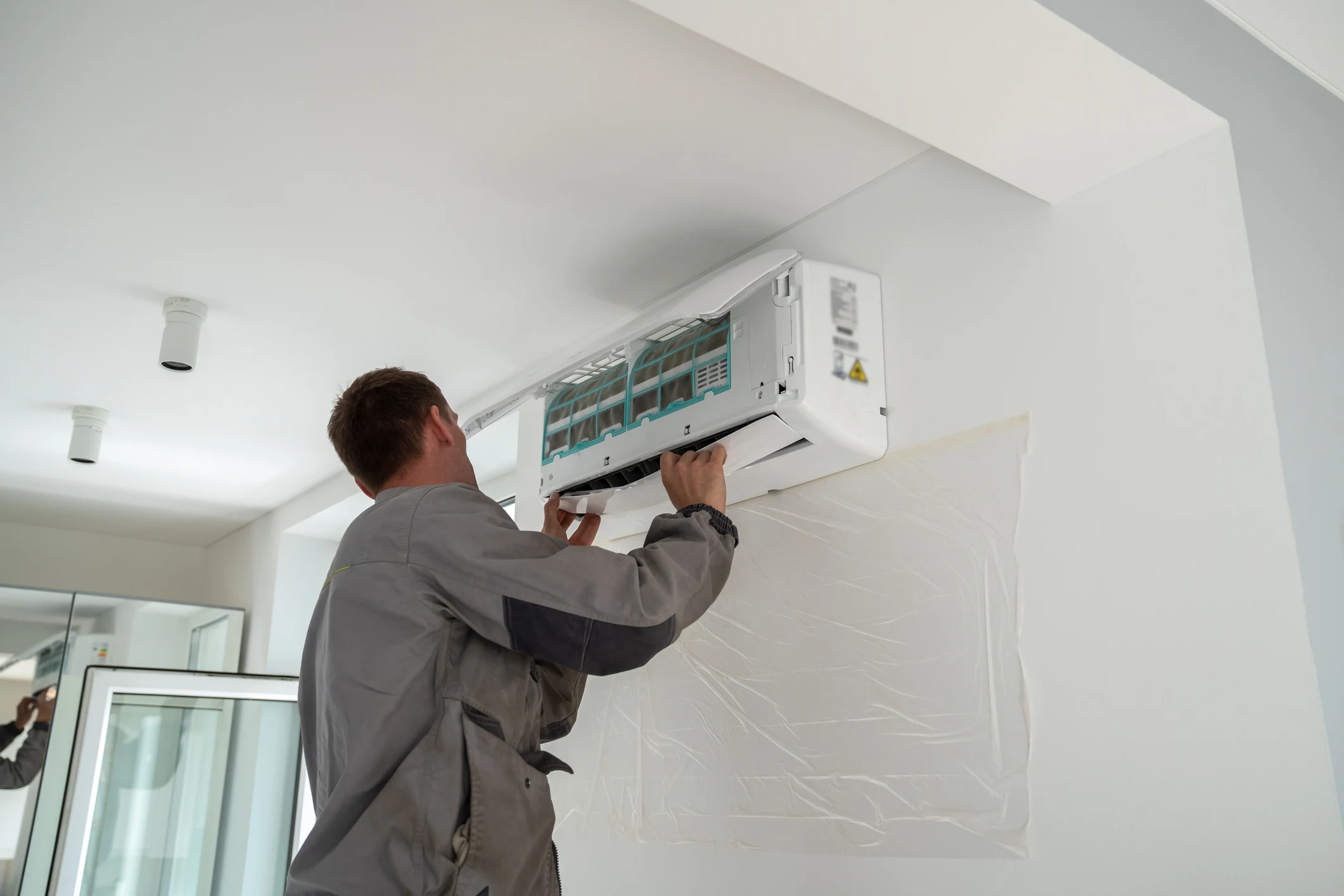
The scope of service for a mini split involves a thorough examination of both the indoor air handling unit and the outdoor condenser. Unlike standard split systems, ductless units have complex electronic boards and sensors that communicate constantly. A standard service visit addresses the following critical areas:
- Refrigerant Charge Verification: Technicians measure operating pressures and subcooling to ensure the system holds the correct amount of refrigerant. Even a slight leak can drastically reduce efficiency and freeze up the coils.
- Inverter Board Analysis: The heart of a mini split is the inverter board. Testing the voltage and communication lines between the indoor and outdoor units ensures the system modulates speed correctly.
- Blower Wheel Cleaning: Ductless heads are prone to accumulating mold and dust on the blower wheel. This buildup creates drag, reduces airflow, and can cause the unit to become noisy or vibrate.
- Condensate Drain Clearance: Because these units remove significant humidity from Hampstead homes, the drain lines can clog with algae. Clearing and treating these lines prevents water damage to walls and floors.
- Filter and Coil Maintenance: Cleaning the reusable filters and the evaporator coils restores airflow, allowing the system to exchange heat efficiently.
How the Service Process Works
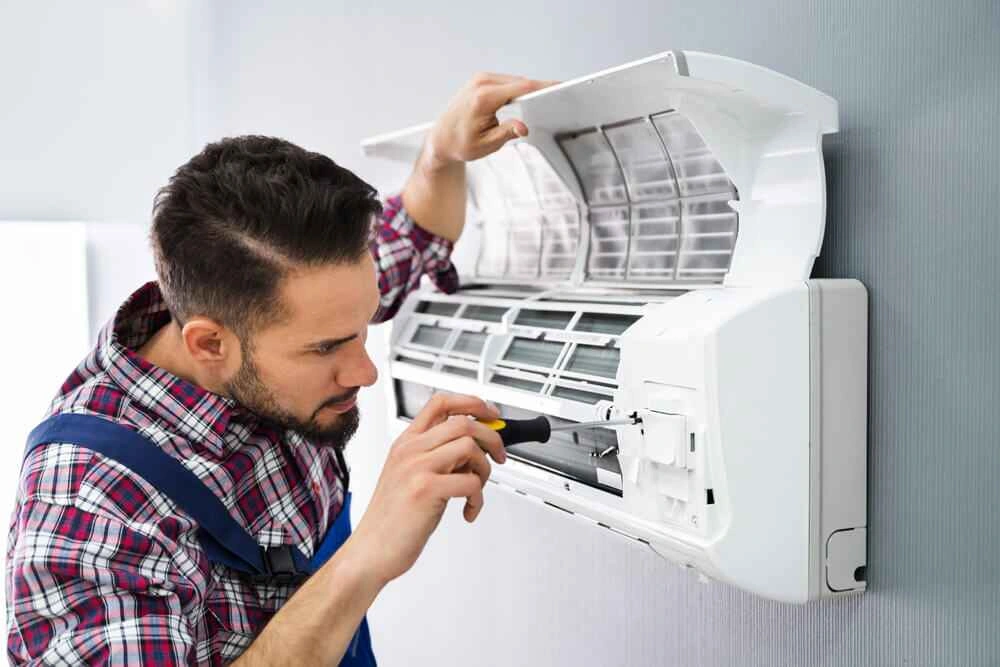
Addressing issues with a ductless system requires a methodical approach to diagnose faults accurately without unnecessary parts replacement. The process moves from symptom identification to systemic resolution.
- Initial Assessment: The technician arrives to evaluate the system's current operation. This includes checking error codes displayed on the unit or the remote control and listening for irregular sounds such as gurgling or grinding.
- Electrical and Mechanical Testing: Using specialized multimeters and gauges, the electrical connections are tightened, and amperage draws on the compressor and fan motors are measured. This step identifies components that are working too hard due to wear or lack of maintenance.
- Deep Cleaning and Sanitization: If the service call is for maintenance or air quality concerns, the casing is removed to access the interior components. A localized wash bag is often used to catch debris while the blower wheel and coils are deep cleaned.
- System Re-calibration: Once repairs or cleaning are complete, the system is restarted. The technician verifies that the temperature differential (the difference between air going in and air coming out) is within the manufacturer’s specified range.
- Final Reporting: You receive a detailed breakdown of what was performed, the current status of the system, and any recommendations for future care to prevent unexpected breakdowns.
Determining the Right Path for Your System
Homeowners often face the dilemma of whether to invest in repairs for an aging unit or to upgrade to a modern system. Making this decision requires analyzing the age of the equipment, the cost of the repair, and the potential energy savings of a new unit.
The 50% Rule
A general guideline used in the industry is the 50% rule. If the cost of the repair approaches or exceeds 50% of the value of the system, replacement is usually the smarter financial move. This is particularly true if the unit is out of warranty.
Age and Refrigerant Type
Mini splits generally have a lifespan of 10 to 15 years. If your system is approaching the 10-year mark and faces a major component failure—such as a compressor or inverter board—investment in a new system is often more prudent. Older systems may also utilize phased-out refrigerants, making them expensive to recharge. Newer models utilize environmentally friendlier refrigerants and offer higher SEER (Seasonal Energy Efficiency Ratio) ratings.
Frequency of Breakdowns
If you find yourself calling for service multiple times a year, the cumulative cost of these visits will quickly outpace the monthly cost of financing a new installation. A system that struggles to maintain temperature on the hottest days in Hampstead is a sign of declining compressor health.
Efficiency Gains
Modern mini split technology has advanced rapidly. Upgrading to a new system can offer higher efficiency ratings, leading to noticeable reductions in monthly utility bills. New units often come with enhanced features like Wi-Fi connectivity, allowing for remote climate control.
Addressing Regional Climate Challenges
Hampstead presents a unique set of environmental challenges that directly impact the longevity and performance of mini split systems. Being located near the coast means equipment is exposed to elements that can accelerate wear and tear if not properly managed.
Salt Air Corrosion
The proximity to the ocean introduces salt spray into the air. Salt is highly corrosive to aluminum and copper, the primary metals used in condenser coils. Without regular rinsing and the application of protective coatings, the fins on the outdoor unit can deteriorate, leading to a loss of heat transfer capability and eventual system failure. Airtech Mechanical Service Inc. recommends specific maintenance schedules to mitigate coastal corrosion.
High Humidity Management
Summers in this region are characterized by high humidity levels. Mini splits are excellent at dehumidification, but this creates a heavy load on the condensate drainage system. Algae and mold grow rapidly in these warm, wet environments. Regular treatment of drain pans and lines is essential to prevent overflows that can damage interior drywall and flooring.
Hurricane and Storm Prep
The region is susceptible to tropical storms and hurricanes. Outdoor units must be securely mounted to wind-rated pads or stands. During service visits, technicians check the integrity of the mounting hardware to ensure the unit remains stable during high-wind events. Additionally, ensuring that refrigerant lines are protected and covered helps prevent damage from flying debris.
Winter Efficiency
While winters are mild, temperatures can drop effectively enough to require reliable heating. Heat pump mini splits work by extracting heat from the outside air. Ensuring the outdoor coil is clean allows the system to defrost properly during frosty mornings, maintaining a warm indoor environment without utilizing backup electric heat strips, which are more expensive to run.
Why Specialized Attention Matters
Ductless heating and cooling systems are sophisticated pieces of technology. Unlike traditional forced-air systems that rely on simple on/off switches, mini splits use variable-speed compressors and complex algorithms to adjust cooling and heating output.
Inverter Technology Expertise
The inverter-driven compressor adjusts its speed to match the heating or cooling load of the room. This requires a technician who understands DC voltage and frequency conversion. Generic HVAC knowledge is often insufficient for diagnosing communication errors between the indoor and outdoor boards.
Zoning Complexity
One of the primary benefits of mini splits is the ability to control different zones independently. When a problem arises, it may be isolated to a single head unit while others function normally. Investigating these isolated issues requires tracing refrigerant flow and electrical signals through the branch box or multi-zone condenser to pinpoint the exact failure point.
Proper Sizing and Placement
During installation or replacement, correct sizing is non-negotiable. An oversized unit will short-cycle, failing to dehumidify the room, while an undersized unit will run constantly, driving up energy bills. Placement of the indoor head unit affects airflow distribution. Technicians assess the room layout to ensure the unit is positioned to circulate air effectively without creating drafts.
Common Signs Your System Needs Attention
Recognizing the early warning signs of system failure allows for proactive repairs, preventing total system loss during the peak of summer or winter.
- Ice Formation: If you see ice building up on the outdoor unit during summer or on the indoor coil, it indicates an issue with refrigerant levels or airflow. Running the unit in this condition can damage the compressor.
- Water Leaks: Water dripping from the indoor unit usually points to a clogged condensate line or a cracked drain pan. This should be addressed immediately to prevent property damage.
- Unusual Noises: Popping, clicking, or grinding sounds suggest mechanical issues with the fan motor or thermal expansion/contraction of plastic parts that need lubrication or adjustment.
- High Energy Bills: A sudden spike in electricity usage without a change in weather or habits often indicates the system is losing efficiency and running longer than necessary to maintain the set temperature.
- Weak Airflow: If the unit is running but the air coming out is weak, the blower wheel is likely clogged with dust and mold, or the filters are obstructed.
Protecting Your Investment
A mini split system is a significant investment in your home’s value and your family’s comfort. Neglecting maintenance inevitably leads to premature failure and decreased efficiency. By adhering to a regular service schedule, you extend the life of the equipment and ensure it operates at the efficiency levels you paid for.
Professional service goes beyond simple filter changes. It involves a holistic view of the system's health, from the electrical components to the refrigerant cycle. In the demanding climate of Hampstead, professional oversight is the key to consistent comfort.
Take the next step in securing your home’s comfort. Ensure your system is ready to handle whatever the weather brings.
Schedule your comprehensive mini split service now.
Other Services