

Mini Split Service in Craven, NC
Beat the summer heat in Craven with expert mini-split services. Fast troubleshooting, flexible scheduling, and no hidden fees. Schedule your service today!
Overcome the Heat and Humidity with Expert Mini-Split Services
High humidity levels and scorching temperatures make a functioning cooling system a necessity rather than a luxury, and a breakdown can quickly turn your indoor environment uncomfortable and unsafe. If your ductless system is failing to dehumidify or cool your home effectively, contact Airtech Mechanical Service Inc. immediately to schedule a diagnostic visit or discuss financing options for a replacement.
Residents in Craven, NC, understand that the humid subtropical climate requires precise temperature control, and a malfunctioning unit often leads to mold growth and sleepless nights. We provide rapid, professional servicontce designed to restore your comfort quickly and reliably.
- Fast troubleshooting and repair, aimed at minimizing discomfort.
- Flexible scheduling around your availability, including same-day service.
- Clear, upfront pricing with no hidden fees.
All services are fully licensed and come with a robust warranty for peace of mind.
Comprehensive Diagnostics and Repair for Ductless Systems
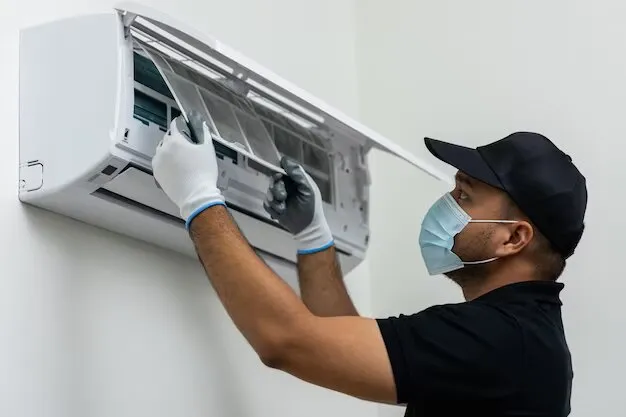
When a mini-split system fails, the symptoms are often distinct from central air conditioning issues. You might notice water dripping down the wall from the indoor air handler, a refusal to switch from heating to cooling, or strange communication error codes flashing on the unit’s display. Airtech Mechanical Service Inc. specializes in addressing the unique mechanical and electrical complexities of ductless technology. Unlike standard HVAC technicians who may only understand central forced-air systems, a dedicated mini-split specialist understands the intricate inverter technology and proprietary wiring that drives these high-efficiency units.
The service begins with a thorough evaluation of the system's performance. Inverter-driven compressors do not simply turn on and off; they modulate speed based on demand. Diagnosing a failure here requires advanced tools to measure DC voltage conversion and frequency. Technicians verify that the outdoor condenser is communicating correctly with the indoor evaporator heads. Issues often stem from communication wire degradation or voltage irregularities, which can shut down the entire system to protect the compressor.
Common repair scenarios addressed during a service call include:
- Refrigerant Leak Detection and Recharge: Ductless systems rely on critical charge levels. Even a minor leak at a flare connection can drastically reduce efficiency and freeze the coils. Technicians use electronic leak detectors and nitrogen pressure tests to locate the breach before recharging the system to manufacturer specifications.
- Condensate Drainage Correction: In humid areas like Craven, the volume of water removed from the air is substantial. If the drain line is clogged with algae or the condensate pump fails, water will back up. Service includes flushing lines and replacing faulty pumps to prevent water damage to drywall and flooring.
- Control Board Replacement: Power surges or overheating can damage the main printed circuit board (PCB). Technicians carry diagnostic readers to isolate board failures and replace them with OEM parts to restore functionality.
- Blower Wheel Cleaning: Due to the high moisture content in the local air, dust and mold can accumulate rapidly on the blower wheel inside the wall unit. This restricts airflow and spreads odors. Deep cleaning restores airflow and improves indoor air quality.
.webp)
The Installation and Replacement Process
Installing a new mini-split or replacing an aging unit is a multi-step process that requires precision to ensure the system operates at its rated SEER (Seasonal Energy Efficiency Ratio). A proper installation ensures the unit can handle the heavy cooling load required during July and August while remaining efficient during the milder winter months.
The process is methodical and adheres to strict manufacturer guidelines to preserve warranties:
- Load Calculation: Before any equipment is selected, a calculation determines the exact BTU capacity needed for the specific room or zone. This accounts for window size, insulation levels, and the room's orientation relative to the sun. Oversized units will short-cycle and fail to dehumidify, while undersized units will run constantly without reaching the set temperature.
- Mounting and Placement: The indoor unit must be mounted on a vibration-absorbing bracket, perfectly level to ensure proper drainage. The location is selected to maximize air distribution throughout the space.
- Drilling and Penetration: A precise 3-inch hole is drilled through the exterior wall for the line set, drain tube, and communication wire. Technicians use slightly downward angles to facilitate gravity drainage for condensate.
- Line Set Installation: Copper refrigerant lines are run from the indoor unit to the outdoor condenser. These lines are insulated and often covered with protective housing to shield them from UV rays and physical damage.
- Pressure Testing and Vacuuming: Once connected, the lines are pressurized with nitrogen to test for leaks. Afterward, a vacuum pump removes all moisture and air from the lines. This step is critical; moisture left in the lines mixes with oil to create acid, which destroys the compressor.
- Electrical Connections: A dedicated circuit is typically required for the outdoor unit. Licensed technicians handle the high-voltage connections to the disconnect box and the communication wiring between the indoor and outdoor components.
Deciding Between Repair and Replacement
Homeowners often face the dilemma of whether to invest in repairing an existing unit or replacing it entirely. Making the right financial decision depends on the age of the system, the cost of the repair, and the future reliability of the equipment.
Consider the "5,000 Rule" often used in the industry: Multiply the age of the equipment by the estimated repair cost. If the total exceeds $5,000, replacement is generally the more prudent investment. For example, a 10-year-old system requiring a $600 repair (Total: 6,000) is a candidate for replacement, whereas a 3-year-old system with the same repair cost (Total: 1,800) is worth fixing.
Factors influencing this decision include:
- Refrigerant Type: Older systems may use R-410A, which is currently the standard but is subject to regulatory changes, or even the obsolete R-22. If your system relies on an outdated refrigerant that is expensive or impossible to source, replacement is necessary.
- Compressor Health: The compressor is the heart of the system. If it fails and the unit is out of warranty, the cost of the part and labor usually approaches the cost of a new outdoor unit.
- Efficiency Gains: Modern mini-splits offer significantly higher SEER ratings than models from a decade ago. Upgrading to a high-efficiency system can lower monthly electricity bills, offsetting the installation cost over time.
- Frequency of Breakdowns: If a unit has required multiple service calls in the past two years, it indicates that major components are nearing the end of their lifecycle. Continued repairs become a "money pit" scenario.
At Airtech Mechanical Service Inc., the focus is on providing data-driven recommendations. If a system is beyond its useful life, technicians provide a clear breakdown of replacement options that fit the specific zoning requirements of the home.
Local Factors Affecting Ductless Performance
Operating a mini-split in Craven, NC, presents specific challenges due to the regional environment. The combination of high annual rainfall, averaging 50 to 60 inches, and high humidity impacts how these systems must be maintained and installed.
- Humidity Control is Paramount: The primary battle in this region is moisture. Mini-splits effectively act as dehumidifiers while they cool. However, if the system is oversized, it will cool the room too quickly and shut off before it has removed adequate moisture. This results in a cold, clammy room. Proper sizing is critical to ensure long run times that actively pull moisture from the air. Furthermore, the high ambient humidity accelerates the growth of biological matter in the drain pan and drain line. Regular maintenance to flush these lines is not optional in this climate; it is a requirement to prevent water leaks.
- Salt Air and Corrosion: For properties located near water, salt spray can corrode the aluminum fins of the outdoor condenser. This corrosion acts as an insulator, preventing heat transfer and causing the system to work harder. Over time, it can lead to refrigerant leaks. Using condensers with anti-corrosive coatings or scheduling regular chemical cleanings of the outdoor coil is essential to extend the equipment's lifespan in this environment.
- Permitting and Electrical Codes: HVAC work involving circuit modifications or unit replacements requires adherence to local building codes. This ensures that the electrical load is calculated correctly and that the installation meets safety standards. Professional services handle the permitting process, ensuring that the work passes inspection and does not complicate future real estate transactions. Unauthorized work can lead to insurance claim denials in the event of an electrical fire or water damage.
- Seasonal Maintenance Windows: Given the mild winters and hot summers, heat pumps here run nearly year-round. This lack of downtime means maintenance should be scheduled during the shoulder seasons, spring and autumn. Checking the reversing valve, which switches the unit between heating and cooling modes, is a critical step before the weather turns, ensuring you aren't left without heat during a sudden frost or without cooling during a heatwave.
Why Professional Service Matters
Ductless systems are sophisticated pieces of technology that require specialized training to service. While they eliminate the bulk of ductwork, they introduce complex electronics and high-pressure refrigerant lines that demand precision. Attempting DIY repairs or hiring general handymen often results in voided manufacturer warranties and reduced system efficiency.
Authorized service providers carry the specific diagnostic tools required to communicate with the onboard computers of major mini-split brands. They have access to proprietary error code manuals and direct lines to manufacturer technical support for complex issues. Furthermore, professional installation guarantees that the system is evacuated properly (vacuumed down to 500 microns or less), ensuring no moisture remains in the lines, a step frequently skipped by unqualified installers that leads to premature compressor death.
Choosing a dedicated service ensures that the investment in your home’s comfort is protected. From correct flare nut torque specifications to proper wire shielding, the details matter. Residents in Craven rely on consistent performance to handle the local climate, and professional care delivers that stability.
Airtech Mechanical Service Inc. remains committed to delivering superior technical service for all ductless applications. Whether you require an emergency repair on a sweltering afternoon or a consultation for a multi-zone installation, prompt and accurate solutions are available, contact us today.
Don't let a faulty system compromise your comfort or your home's air quality.
Secure your comfort today by scheduling your expert mini-split service.
Ongoing Care Designed for Multi-Zone Stability
Professional mini split service in Craven, NC, helps maintain system accuracy across individual zones and shared components. Airtech Mechanical Service Inc. services mini split systems to preserve airflow balance, control response, and operational consistency. Skipped service often results in uneven performance. Our service process supports long-term reliability.
Maintain stable mini split operation with service designed for zoned systems.
Request Professional Mini Split Service
Other Services