

Mini Split Installation in Swansboro, NC
Explore how our high-efficiency mini-split systems in Swansboro can reduce your energy bills and enhance comfort. Schedule an assessment today and experience precise temperature control in every room.
Eliminate Hot Spots and High Energy Bills with Ductless Technology
Swansboro’s humid summers often overwhelm traditional central air systems, leaving specific rooms uncomfortable while driving utility costs through the roof. Our mini-split systems provide a targeted, energy-efficient solution that delivers precise temperature control exactly where you need it, bypassing the energy loss associated with leaky ductwork. Contact us today to schedule a comprehensive site evaluation or discuss financing options available for your home.
- Slash monthly cooling expenses by utilizing high-efficiency inverter technology that adjusts power usage based on real-time demand.
- Achieve consistent comfort in hard-to-cool areas, such as sunrooms, garage conversions, or master bedrooms, regardless of the humidity outside.
- Experience a seamless, low-impact installation process performed by certified technicians familiar with coastal weather challenges.
All installations are fully compliant with local Swansboro building codes and come backed by robust manufacturer warranties for your peace of mind.
What to Expect From a Modern Mini Split Installation
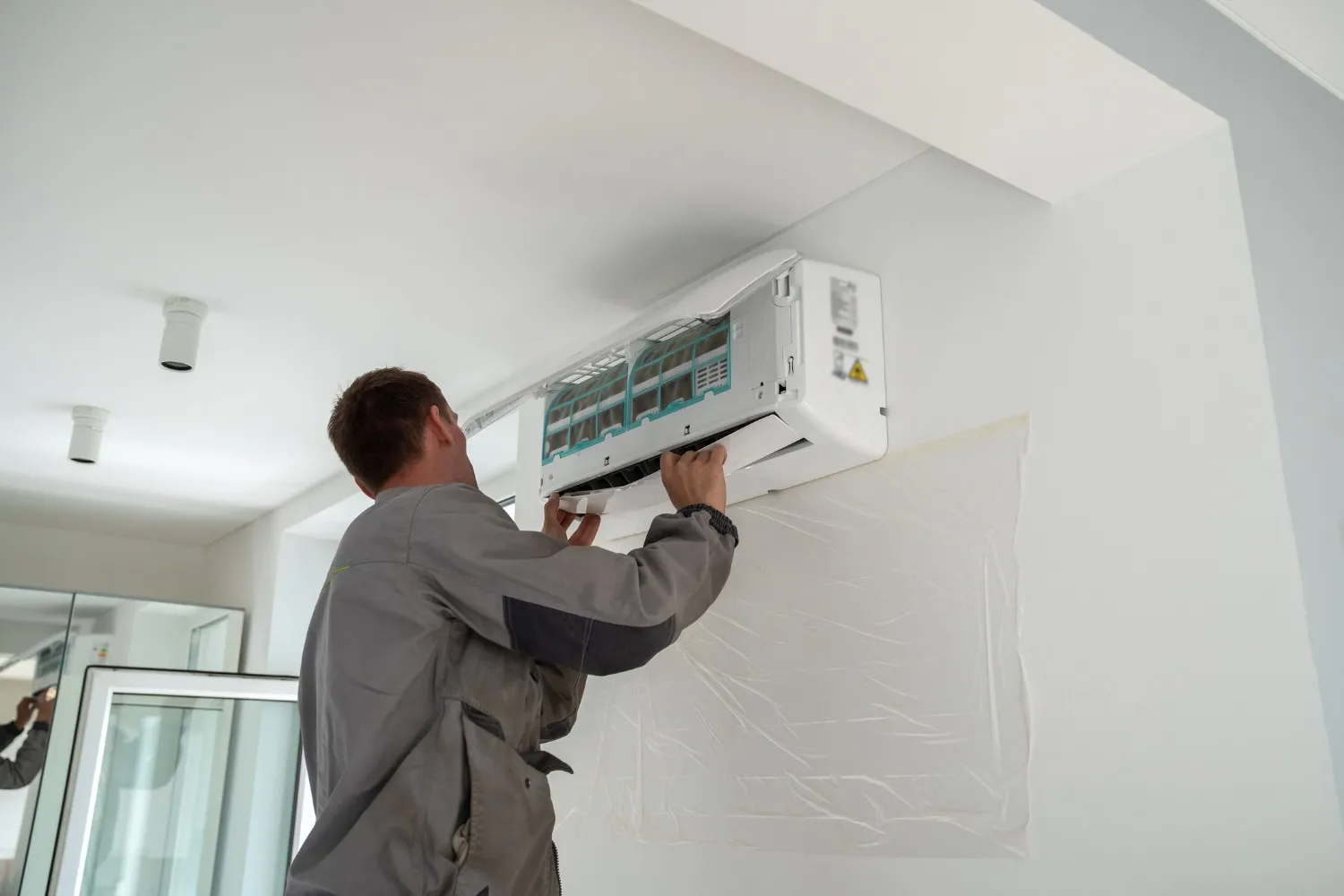
When you invest in a ductless mini-split system, you are purchasing more than just an air conditioner; you are upgrading to a versatile heat pump system capable of handling both heating and cooling. Today’s market offers systems that are drastically different from the loud, inefficient window units of the past. A professional installation provides a permanent, wall-mounted, or ceiling-recessed solution that integrates quietly into your living space.
The scope of a standard installation includes the placement of an outdoor condenser unit and one or more indoor air handlers. These components are connected by a conduit housing the power cable, refrigerant tubing, and a condensate drain. Because no ductwork is required, the structural integrity of your home remains intact, and you avoid the 30% energy loss typical of forced-air duct systems.
Current systems feature inverter-driven compressors. Unlike traditional HVAC units that cycle on and off, creating temperature swings and power spikes—inverters run continuously at variable speeds. This technology maintains the set temperature within a fraction of a degree, removing humidity effectively, which is essential for homes in Swansboro.
Single-Zone vs. Multi-Zone Applications
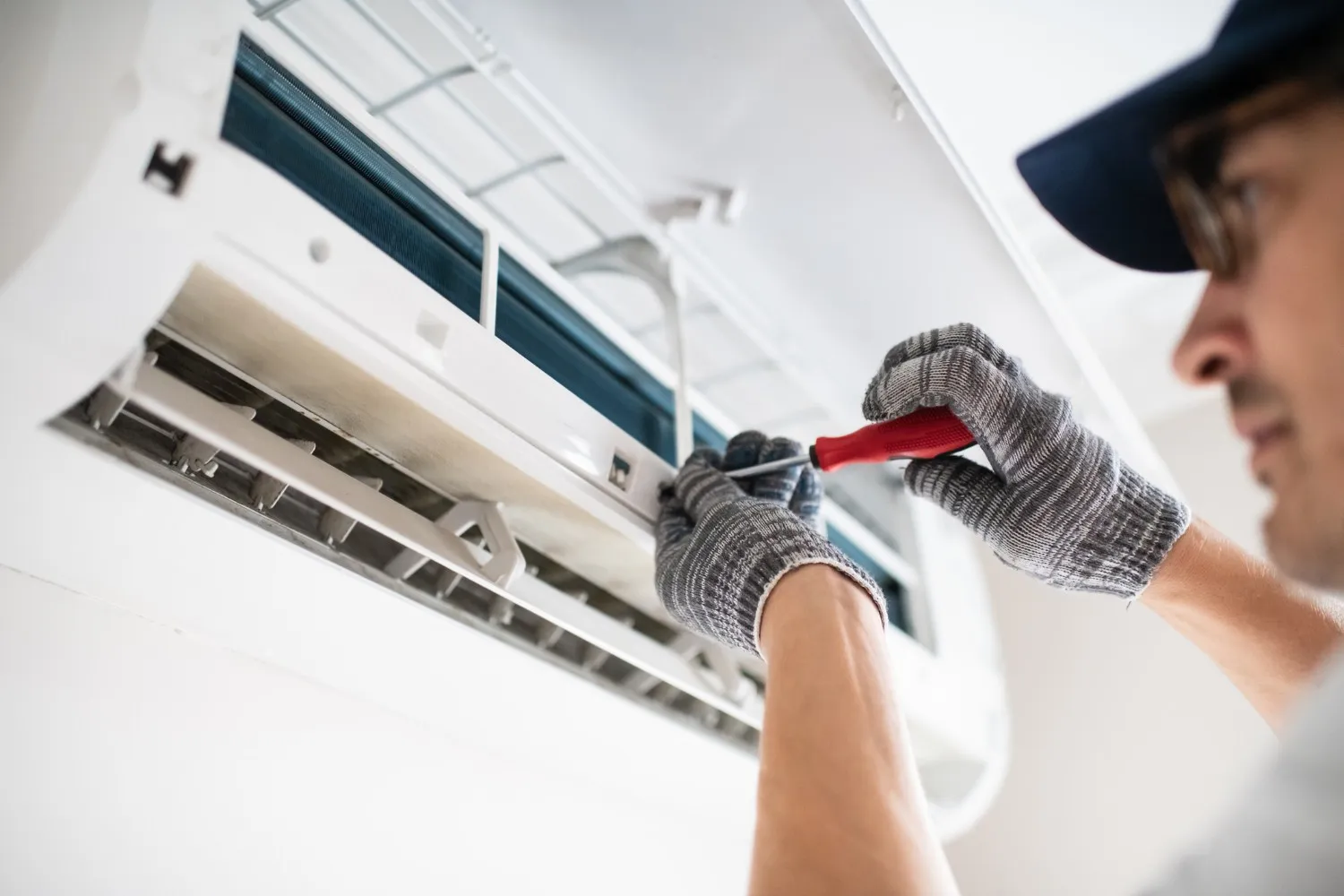
Homeowners typically choose between single-zone and multi-zone configurations based on their specific layout requirements.
- Single-Zone Systems: These are designed to condition a single room or an open-concept area. They are the ideal solution for tackling a specific "hot spot" in the house, such as a bonus room above a garage or a newly constructed home office that the central system cannot reach effectively.
- Multi-Zone Systems: A single outdoor compressor can support up to eight indoor units. Each indoor unit operates independently, allowing for true zoning. You can keep the living room cool during the day and the bedrooms comfortable at night, without wasting energy conditioning unoccupied spaces.
The Installation Workflow: From Assessment to Operation
Professional installation is a structured process designed to ensure maximum efficiency and equipment longevity. While ductless systems are less invasive than central HVAC replacements, they require precision to function correctly. The process begins long before the technician drills the first hole.
Site Evaluation and Load Calculation
The most critical step is sizing the unit correctly. An undersized unit will run constantly without reaching the desired temperature, while an oversized unit will short-cycle, failing to dehumidify the air properly.
- Technicians perform a Manual J load calculation to determine the exact BTU requirements for the space.
- Factors assessed include room square footage, ceiling height, insulation levels, window orientation, and local climate data.
- Placement of the indoor unit is selected to maximize airflow distribution and ensure the unit is accessible for future maintenance, such as filter cleaning.
Structural Mounting and Connections
Once the design is finalized, the physical installation proceeds.
- Technicians install a mounting plate for the indoor unit on an exterior wall or a designated interior partition.
- A small, three-inch hole is drilled through the wall to accommodate the refrigerant lines and control wiring. This hole is sealed tightly to prevent air leakage or pest intrusion.
- The outdoor condenser is positioned on a composite pad or mounted to the side of the house using brackets. In coastal areas, elevating the unit is often necessary to protect it from ground debris and potential water accumulation.
System Vacuum and Charge
Connecting the refrigerant lines requires a sealed environment to prevent contamination.
- Technicians use a vacuum pump to remove all moisture and air from the lines before releasing the refrigerant.
- Pressure tests are conducted to ensure there are no leaks in the system.
- The electrical connections are finalized, connecting the indoor and outdoor units to the main power supply.
Final Testing and Walkthrough
The system is not considered installed until it has been performance-tested.
- The unit is run in both cooling and heating modes to verify proper operation.
- Drainage is tested to ensure condensate flows away from the indoor unit properly, preventing water damage to walls.
- Technicians demonstrate how to use the remote control or smart thermostat integration, explaining features like "dry mode" for humidity control and programmable timers.
Deciding Between Repair and Replacement
If you currently rely on older window units, portable ACs, or an aging mini-split, determining when to upgrade is a financial and comfort-based decision. While repairs can extend the life of equipment, there is a tipping point where a new installation becomes the more economical choice.
Signs It Is Time to Replace
- Age of Equipment: If your current supplemental cooling units are over 10 to 12 years old, they likely rely on outdated refrigerant (R-22) which is expensive and difficult to source. Modern systems use environmentally friendly refrigerants and offer significantly higher SEER (Seasonal Energy Efficiency Ratio) ratings.
- Inconsistent Temperatures: When a unit runs constantly but fails to lower the humidity or temperature, the compressor is likely failing or the unit is undersized for the current heat load.
- Rising Energy Bills: A sudden spike in electrical usage often indicates that the equipment is losing efficiency and working harder to maintain the same output.
- Noise Levels: Modern ductless systems are whisper-quiet. If your current unit rattles, buzzes, or disrupts conversations, internal components are likely worn out.
The Efficiency Advantage
Replacing an older 10 SEER unit with a modern 20+ SEER mini-split can result in substantial energy savings. In a climate like North Carolina, where cooling demands are high for a significant portion of the year, the return on investment through utility savings often offsets the installation cost within a few years. Airtech Mechanical Service Inc. helps homeowners evaluate these savings to make data-driven decisions, see financing options.
Local Installation Considerations for Swansboro
Installing HVAC equipment in a coastal environment requires specific attention to environmental factors. Swansboro is subject to salt air, high humidity, and potential storm activity, all of which influence how a mini-split should be installed.
Corrosion Protection
Salt spray can accelerate the corrosion of outdoor condenser coils.
- Standard aluminum fins can deteriorate rapidly in coastal zones.
- We recommend and install units with specialized anti-corrosive coatings on the heat exchanger coils.
- Proper placement away from direct prevailing winds can further extend the lifespan of the outdoor unit.
Hurricane Preparedness
Local building codes in coastal North Carolina often dictate specific tie-down requirements for HVAC equipment.
- Outdoor units must be securely anchored to a concrete pad or mounted on wind-rated brackets to withstand high wind loads during tropical storms and hurricanes.
- Elevation is considered to keep the unit above potential flood levels or standing water during heavy downpours.
Permitting and Electrical Requirements
Mini-split installations involve electrical work and structural modifications, requiring adherence to local safety standards.
- A dedicated electrical circuit is usually required to power the outdoor unit. Existing wiring for window units is rarely sufficient.
- Permits ensure that the installation meets all fire and safety codes, protecting your home insurance validity.
- Professional installers handle the permitting process, ensuring the job passes all municipal inspections.
Why Professional Sizing and Installation Matters
While the hardware itself is important, the quality of the installation dictates the performance and lifespan of the system. A poorly installed top-of-the-line brand will perform worse than a correctly installed mid-range unit.
Avoiding Common Installation Errors
DIY or handyman installations often lead to critical failures that void manufacturer warranties.
- Improper Flaring: The copper tubing connections must be flared with precision. Poor flares are the leading cause of refrigerant leaks.
- Kinked Lines: mishandling the line set can restrict refrigerant flow, killing the compressor.
- Drainage Issues: If the gravity drain is not pitched correctly, water will back up into the indoor unit and leak down your interior wall.
Warranty Protection
Major manufacturers require proof of installation by a licensed HVAC contractor to honor their warranties. These warranties typically cover parts for 5 to 10 years and compressors for up to 12 years. By choosing a professional service, you ensure that your investment is protected against defects.
Indoor Air Quality Benefits
Beyond temperature control, a properly installed mini-split improves indoor air quality.
- Advanced filtration systems capture dust, pollen, and allergens.
- The lack of ductwork means dust and mold do not accumulate in hidden channels to be blown around the house.
- "Dry Mode" functions specifically to remove excess moisture from the air, inhibiting mold growth in humid Swansboro homes.
Precision Comfort Designed for Coastal Living
Ductless mini-split systems offer a smarter, more efficient way to control comfort in Swansboro homes challenged by humidity, hot spots, and rising energy costs. With expert sizing, coastal-ready installation practices, and advanced inverter technology, Airtech Mechanical Service Inc. delivers solutions that perform reliably year after year. If you are ready to eliminate uneven temperatures and gain precise control over your indoor environment, contact us today to schedule your ductless mini-split consultation and take the next step toward efficient, customized comfort.
Other Services