

Mini Split Installation in Hampstead, NC
Experience efficient climate control with our mini split installation services in Hampstead. Call today for fast setup & enjoy lower energy bills!
Suffering from Unreliable Air Conditioning?
Hot, humid days in Hampstead making indoor life unbearable? Our mini split installations provide the prompt, reliable relief you need, so call or inquire about our financing options today. Airtech Mechanical Service Inc. specializes in deploying high-efficiency ductless systems that tackle the specific climate challenges of the North Carolina coast.
- Rapid installation by certified technicians ensures your comfort without delay.
- Enjoy lower energy bills with highly efficient mini split systems.
- 24/7 availability to resolve any emergent air conditioning needs.
Licensed and vetted, offering extended warranties and flexible financing options.
Immediate Solutions for Indoor Comfort
A mini split system offers a versatile solution for homeowners facing inconsistent temperatures, high energy costs, or the need to condition spaces without existing ductwork. When you schedule an installation today, the focus is on immediate climate control and long-term efficiency. Unlike traditional central HVAC systems that require invasive renovation to run ducts, a ductless mini split connects an outdoor compressor to indoor air-handling units through a small conduit. This allows for a streamlined installation process that respects the structural integrity of your home.
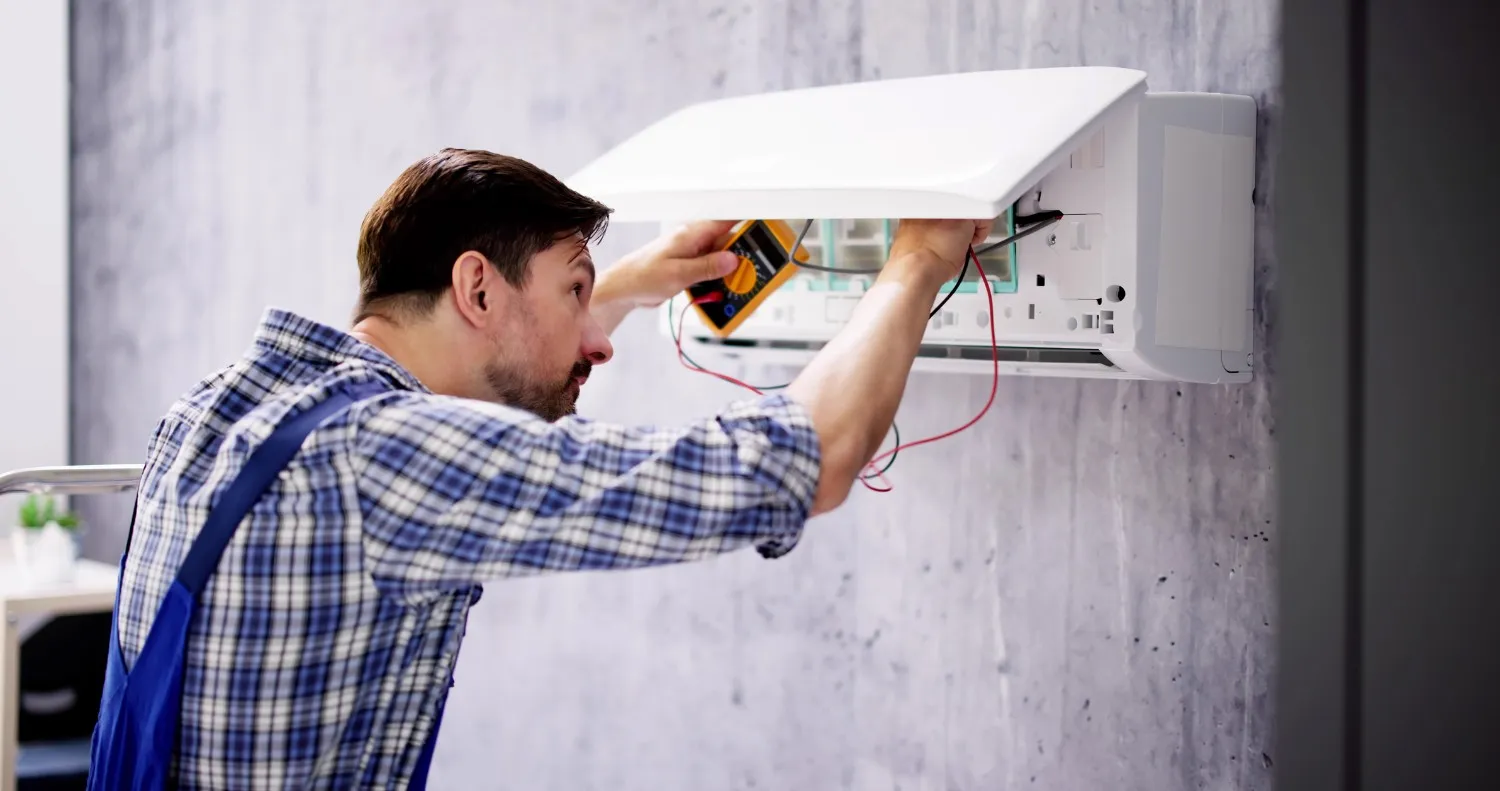
You receive a complete assessment of your specific cooling and heating loads. This ensures the equipment size matches the room requirements exactly. An oversized unit will short-cycle, failing to dehumidify the air, a critical failure in our humid region, while an undersized unit will run constantly without reaching the set temperature. The scope of service includes the mounting of indoor units, the secure placement of the outdoor condenser, and the specialized electrical and refrigerant connections required to bring the system online.
Homeowners in Hampstead often utilize these systems for room additions, converted garages, sunrooms, or older homes where ductwork is impossible to install. The technology allows for zoning, meaning you only pay to cool or heat the rooms currently in use. This targeted approach eliminates the energy waste associated with cooling unoccupied areas of the house. You gain precise temperature control via remote or smart-home integration, allowing for immediate adjustments to humidity and temperature levels.

The Installation Process Explained
Installing a ductless mini split is a precise technical procedure that requires specialized tools and handling of high-pressure refrigerants. While the process is less disruptive than installing central air, it follows a strict sequence to ensure manufacturer warranties remain valid and the system operates at peak efficiency.
Site Evaluation and Load Calculation
- Technicians begin by calculating the thermal load of the specific zone. This involves measuring window square footage, insulation levels, room orientation, and internal heat sources.
- The ideal location for the indoor air handler is selected. This spot must support the weight of the unit, allow for proper drainage, and provide optimal airflow distribution across the room.
- The outdoor location is chosen to minimize noise transfer and ensure the condenser has adequate clearance for airflow and maintenance.
Mounting the Indoor Unit
- A mounting plate is secured to the interior wall. This plate acts as the anchor for the air handler.
- Technicians drill a small, three-inch hole through the exterior wall. This penetration is used to route the refrigerant lines, drain tubing, and control wiring from the indoor unit to the exterior.
- The indoor unit is mounted securely, and the bundle of lines is fed carefully through the wall to prevent kinking or damage to the insulation.
Setting the Outdoor Condenser
- The outdoor unit is placed on a composite pad or mounted to the exterior wall using brackets. This keeps the unit level and off the ground, protecting it from dirt, debris, and potential water accumulation during heavy rains.
- Technicians ensure the unit is vibration-isolated to reduce operational noise.
Connecting the System
- Refrigerant lines are connected between the indoor and outdoor units. These copper lines create a closed loop for the heat transfer fluid.
- A vacuum pump is used to remove all moisture and air from the lines before the refrigerant is released. This step is critical; any moisture left in the lines can freeze or cause acid formation, destroying the compressor.
- Electrical connections are made, adhering to local safety codes to power the system reliably.
- The condensate drain is routed to ensure water removed from the air flows away from the home’s foundation.
Testing and Commissioning
- The system is powered on and tested in both cooling and heating modes.
- Technicians verify that the temperature drop across the coil is within specifications.
- The user interface is demonstrated, ensuring you understand how to operate the modes, fan speeds, and timer functions.
When to Switch to Ductless Technology
Deciding between repairing an aging system or installing a new mini split involves evaluating efficiency, comfort, and long-term costs. Many homeowners rely on inefficient window units or aging central systems that struggle to keep up with the summer heat. There are clear indicators that a switch to ductless technology is the superior financial and functional choice.
Efficiency Gaps and Energy Bills
- If your current energy bills are spiking despite moderate usage, your existing system has likely lost efficiency. Window units often have low SEER (Seasonal Energy Efficiency Ratio) ratings, consuming vast amounts of electricity for minimal cooling.
- Ductless systems utilized by Airtech Mechanical Service Inc. often boast SEER ratings well above 20, drastically reducing monthly operational costs compared to older 10 or 12 SEER central units.
- If you have central air but notice significant energy loss, it may be due to leaky ductwork. According to energy experts, typical duct systems lose 20% to 30% of the air moving through them. Mini splits eliminate this loss entirely.
Uneven Temperatures and Comfort Issues
- "Hot spots" or "cold zones" in a house indicate that the current HVAC system cannot balance the load. This is common in multi-story homes or sprawling ranch-style layouts found throughout Hampstead.
- If you find yourself constantly adjusting the thermostat to cool one room while freezing another, a zoned mini split solution resolves the issue immediately.
- Noise is another factor. As compressors age, they become louder. Mini splits are whisper-quiet, with indoor units often operating at decibel levels lower than a library whisper.
System Age and Repair Frequency
- If your current cooling equipment is over 10-15 years old and requires a major repair, such as a compressor replacement or a refrigerant leak fix, the cost of repair often approaches 50% of the cost of a new system.
- Investing in a new mini split resets the warranty clock, providing coverage for parts and compressor failures for up to a decade, whereas repairs typically only guarantee the specific part changed for a year or less.
Regional Considerations for Installation
Operating HVAC equipment in North Carolina requires specific attention to environmental factors. The climate here is characterized by high humidity and salt air exposure due to coastal proximity. These elements dictate specific installation protocols to prevent premature failure.
Humidity Control
- The primary challenge in this region is not just lowering the temperature but removing moisture. High humidity makes indoor air feel warmer than it is, leading to mold growth and discomfort.
- Mini splits feature a "Dry Mode" specifically designed to dehumidify without over-cooling the space. Correct sizing is paramount here; a unit that is too powerful will cool the room so quickly that it shuts off before it has had time to pull moisture from the air.
- We ensure the condensate drainage system is robust. In high-humidity environments, these units produce a significant amount of water. Gravity drains are preferred, but condensate pumps are installed when gravity drainage is not feasible to prevent interior water damage.
Coastal Corrosion Protection
- Salt spray can corrode the aluminum fins and copper coils of an outdoor condenser rapidly.
- Equipment selection often favors units with anti-corrosive coatings on the heat exchanger.
- Location planning involves placing the outdoor unit in areas that receive less direct prevailing wind from the ocean side where possible, or installing wind baffles to protect the fan motor operation.
Permitting and Electrical Codes
- Installation involves high-voltage electrical work. A dedicated circuit is almost always required at the breaker panel to handle the amperage of the outdoor unit.
- Local codes dictate disconnect box placement within sight of the outdoor unit for safety during servicing.
- Compliance with local noise ordinances regarding the placement of the outdoor unit relative to property lines is verified during the planning phase.
Operational Modes and Features
Modern mini split systems offer more than just an on/off switch. Understanding the available modes helps you maximize comfort and efficiency throughout the year.
Inverter Technology
- Unlike traditional compressors that simply turn on at 100% power and then turn off, inverter-driven compressors modulate their speed. They ramp up to reach the desired temperature and then slow down to maintain it.
- This prevents the uncomfortable temperature swings associated with conventional systems and significantly reduces electricity consumption.
Heat Pump Capabilities
- Most mini splits installed today are heat pumps. This means they can reverse the flow of refrigerant to provide heating during the winter.
- Because our winters involve lows in the 30s and 40s, these systems are incredibly efficient heating sources, often capable of extracting heat from the outdoor air even when temperatures drop well below freezing.
- This dual functionality eliminates the need for a separate furnace or baseboard heaters in the serviced zones.
Filtration and Air Quality
- Indoor units are equipped with multi-stage filtration systems. Washable filters trap dust, pollen, and large particulates.
- Some advanced models include ionizing filters or enzyme coatings to reduce bacteria and odors, improving indoor air quality without the need for standalone air purifiers.
Professional Standards and Differentiators
Choosing the right contractor for your mini split installation is as important as the brand of equipment you select. The longevity of the system is directly tied to the quality of the installation, particularly regarding the refrigerant charge and flare connections.
Certified Expertise
- Technicians are trained specifically on the brands installed. This is crucial because different manufacturers have different torque specifications for connections and different protocols for digital communication wiring.
- Improper torque on flare nuts is the number one cause of refrigerant leaks in mini splits. Calibrated torque wrenches are used on every connection to ensure a leak-free seal.
Cleanliness and Respect for Property
- Installation often requires working inside finished living spaces. Drop cloths and shoe covers are standard protocols.
- Dust control measures are used when drilling through drywall and exterior siding to ensure no debris is left behind.
- All packaging materials and old equipment are removed and disposed of properly.
Warranty and Support
- Manufacturer warranties are often contingent on professional installation by a licensed HVAC contractor.
- Registration of the equipment is handled to ensure you receive the maximum warranty period available, often extending parts coverage to 10 or 12 years depending on the brand.
Secure Your Comfort Today
Delaying an HVAC upgrade often results in higher energy costs and the risk of total system failure during the hottest weeks of the year. A mini split system provides a scalable, efficient, and quiet solution tailored to the unique architectural and climatic needs of your home. Whether you need to cool a single hot room or condition an entire home without ductwork, the technology is available to solve the problem permanently.
Do not let the heat dictate your comfort level in your own home. Take control of your indoor environment with a system designed for performance and longevity. Contact Airtech Mechanical Service Inc. now to schedule your consultation and take the first step toward a cooler, more comfortable home.
Ready to upgrade? Call us immediately to discuss your mini split installation needs.
Other Services