

Mini Split Installation in Beaufort, NC
Beat the Beaufort heat with our efficient mini-split AC systems. Schedule your consultation today for customized cooling solutions and enjoy reliable climate control.
Is Your AC Ready for the Beaufort Heat?
Don't let another sweltering summer pass by with ineffective cooling. Discover how our mini-split systems can transform your home comfort efficiently. Call us today to schedule your consultation and secure reliable climate control.
- Reduce your energy bills with highly efficient mini-split technology.
- Experience customized cooling and heating in different zones of your home.
- Quick installation by certified professionals ensures minimal disruption.
All installations are backed by a comprehensive warranty and available financing options for peace of mind.
Overcome Beaufort’s Humidity with Advanced Cooling
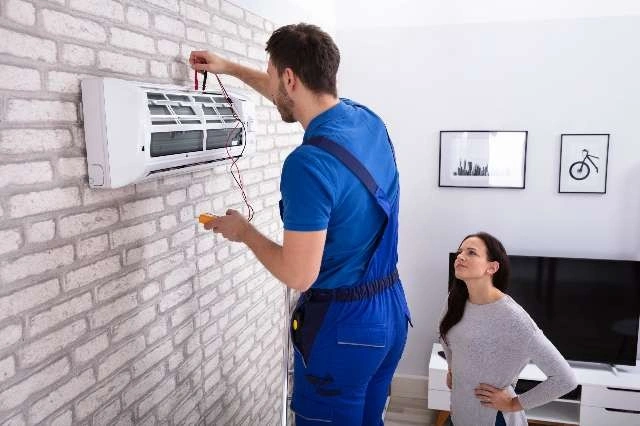
Living in Beaufort, NC, means dealing with high humidity levels and temperatures that frequently stay in the upper 80s during the summer. Traditional central air conditioning systems often struggle to balance temperature reduction with moisture removal. When a standard AC unit runs in short bursts, it cools the air quickly but shuts off before it can effectively dehumidify the space. This leaves your home feeling clammy and cold, rather than comfortable and dry.
Mini-split systems offer a superior solution for coastal climates. These ductless units utilize inverter technology, which allows the compressor to run at variable speeds. Instead of turning completely off, the system ramps down to maintain a constant temperature. This continuous operation allows the unit to pull moisture from the air constantly, resulting in a drier, more comfortable indoor environment even during the stickiest July afternoons.
Furthermore, the salt air and frequent storms in our region demand equipment that can withstand the elements. Ductless systems minimize the structural penetrations required in your home envelope, preserving the integrity of your siding and insulation. Whether you are retrofitting a historic home near the waterfront or outfitting a new addition, Airtech Mechanical Service Inc. provides the precise load calculations necessary to handle the specific heat and humidity loads of this area.
What You Get Today: Fast, Efficient Mini Split Installation
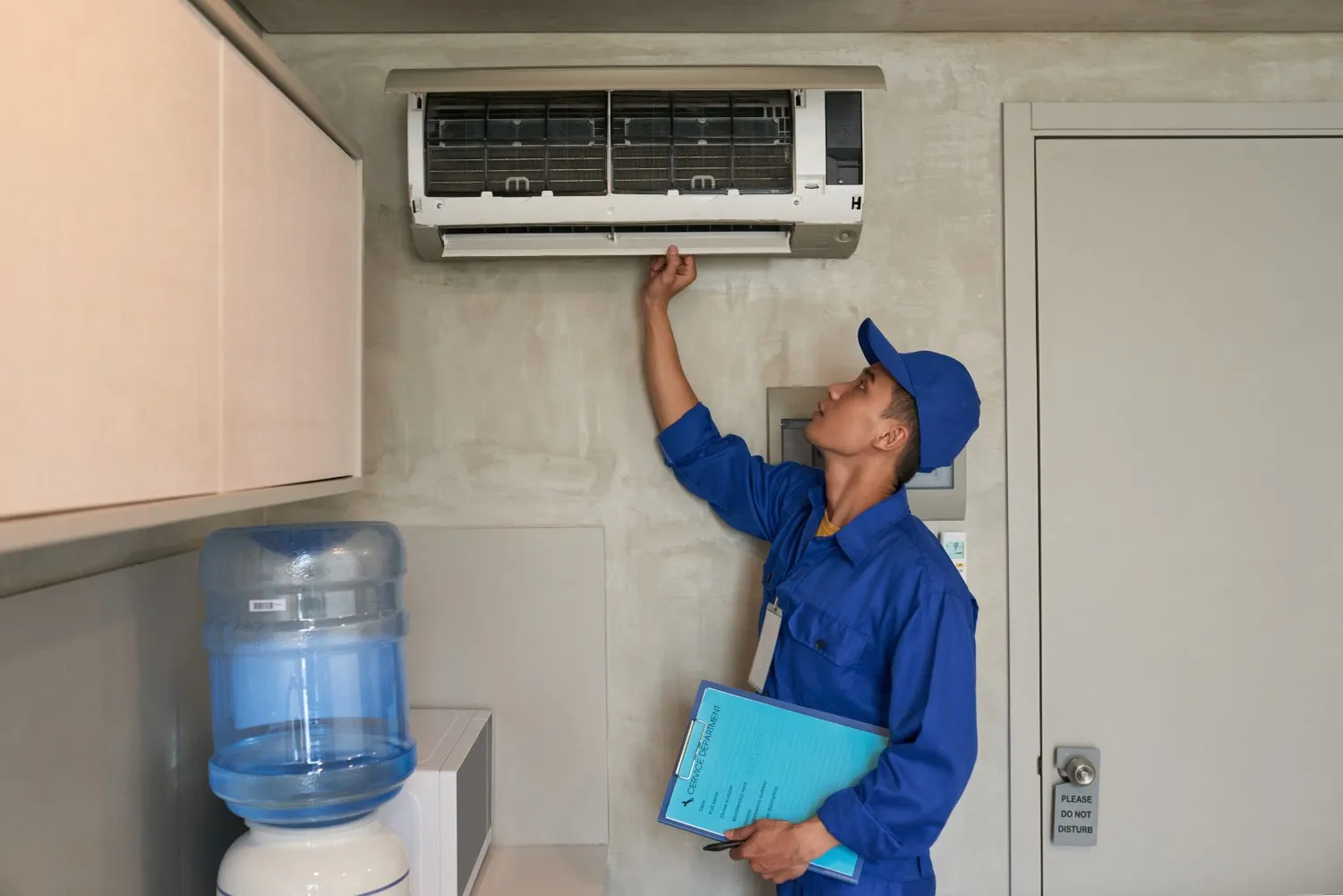
When you invest in a ductless cooling system, you are purchasing a versatile, two-part system designed for longevity and performance. The installation package typically includes an outdoor compressor/condenser and one or more indoor air-handling units, connected by a conduit housing the power cable, refrigerant tubing, and a condensate drain.
You receive a system that eliminates the energy loss associated with ductwork. In many homes, up to 30% of energy consumption is lost through leaks in the duct system. By delivering air directly into the designated zone, mini-splits ensure that you pay only for the cooling you actually use.
The installation includes:
- High-SEER Outdoor Unit: A rugged, weather-resistant condenser unit installed on a concrete pad or wall bracket, designed to resist corrosion common in coastal environments.
- Indoor Air Handlers: Sleek, wall-mounted, floor-mounted, or recessed ceiling units that blend with your interior design while delivering whisper-quiet airflow.
- Smart Control Systems: Handheld remotes or wall thermostats that allow you to set specific temperatures for individual rooms, giving you granular control over your comfort.
- Concealed Line Sets: Refrigerant lines are encased in durable line hide covers that protect the piping from UV rays and physical damage while matching your home’s exterior.
How Our Mini Split Installation Works
We prioritize a streamlined, technical approach to installation that respects your property and adheres to strict industry standards. Our process is designed to get your system up and running correctly on the first visit.
Site Evaluation and Load Calculation:
The process begins with a detailed assessment of the installation area. Technicians perform a Manual J load calculation to determine the exact British Thermal Unit (BTU) capacity required. This step is critical; an oversized unit will short-cycle and fail to dehumidify, while an undersized unit will run constantly without reaching the set temperature.
Mounting the Indoor Unit:
Technicians locate a spot on an exterior wall that is strong enough to hold the unit and allows for proper airflow distribution. A mounting plate is secured to the wall, ensuring it is perfectly level to allow for proper condensate drainage.
Drilling and Wall Penetration:
A small hole, typically three inches in diameter, is drilled through the wall to connect the indoor and outdoor units. This hole is drilled at a slight downward angle to the exterior to facilitate gravity drainage. Technicians take care to avoid electrical wires and plumbing lines within the wall cavity.
Outdoor Unit Setup:
The outdoor condenser is positioned to ensure maximum airflow and accessibility for future maintenance. In flood-prone areas or locations with high vegetation, the unit is often mounted on wall brackets to keep it elevated and clear of debris.
Connecting and Sealing:
Refrigerant lines, control wiring, and the drain hose are passed through the wall and connected to both units. The conduit is sealed with weather-proof caulk or expanding foam to prevent drafts, moisture intrusion, and pest entry.
Vacuum and Pressure Testing:
Before releasing refrigerant, the lines are pressure-tested with nitrogen to check for leaks. Subsequently, a vacuum pump removes all air and moisture from the lines. This step is non-negotiable, as moisture in the lines can freeze and damage the compressor or degrade the refrigerant oil.
System Startup and User Training:
The system is powered on, and technicians verify the refrigerant charge and temperature differential. Finally, you receive a walkthrough of the remote control functions, filter cleaning procedures, and maintenance schedules.
Deciding When Replacement Beats Repair
Homeowners often grapple with the decision to repair an aging window unit or central system versus investing in a new mini-split installation. While repairs may seem cheaper upfront, the long-term economics often favor replacement, particularly given the energy efficiency advancements in recent years.
Consider replacing your current system if:
- The Equipment is Over 10 Years Old: Most heat pumps and AC units have a lifespan of 10 to 15 years. If your unit is approaching this age, major components like the compressor are at higher risk of failure.
- Rising Energy Bills: If your utility costs are increasing despite normal usage, your system’s efficiency has likely degraded. Switching to a high-SEER mini-split can significantly lower monthly operational costs.
- Frequent Breakdowns: If you are calling for repairs more than once a season, or if the cost of a repair approaches 50% of the value of a new system, replacement is the financially sound choice.
- Inconsistent Temperatures: Hot spots, cold drafts, and high humidity levels indoors indicate that your current system can no longer handle the load. A zoned mini-split system resolves these issues by treating specific problem areas directly.
- Phase-Out of Refrigerants: Older systems often utilize R-22 refrigerant, which is no longer produced. Repairing a leak in an R-22 system is exorbitantly expensive compared to installing a new system that uses modern, eco-friendly refrigerants.
Airtech Mechanical Service Inc. helps you evaluate the lifecycle costs of your current equipment against the immediate benefits of a new installation.
Local Installation Guidelines: Permits and Regulations
Installing HVAC equipment in Beaufort involves navigating specific local building codes and regulations designed to ensure safety and storm resilience. Ignoring these requirements can lead to fines, insurance issues, or complications when selling your home.
Permitting Requirements:
Most HVAC installations require a mechanical permit from the local building department. This ensures that the equipment is sized correctly and installed according to safety codes. If electrical circuits need to be added or upgraded to power the mini-split, a separate electrical permit is also mandatory.
Historic District Considerations:
For homes located in historic preservation districts, external modifications are strictly regulated. Mini-split systems are often the preferred cooling solution for these properties because they do not require bulky ductwork that destroys original plaster or architectural details. However, the placement of the outdoor unit and the visibility of line sets must often be approved by local historic review boards.
Wind and Flood Ratings:
Given our coastal location, outdoor equipment must be anchored securely to withstand high wind loads associated with tropical storms and hurricanes. Additionally, local codes may dictate minimum elevation requirements for condensers to protect them from potential storm surges or flooding.
Electrical Standards:
Local codes require a dedicated disconnect box located within sight of the outdoor unit. This is a crucial safety feature for technicians servicing the unit. Grounding and wire sizing must strictly adhere to the National Electrical Code (NEC) as adopted by North Carolina.
Why Choose Us: Proven Reliability and Expertise
Selecting the right contractor is as important as selecting the right equipment. A poor installation can reduce the efficiency of a top-tier mini-split system by up to 30% and shorten its lifespan. You need a partner who understands the specific challenges of the coastal North Carolina environment.
Technical Certification:
Our technicians hold industry-recognized certifications, ensuring they have the theoretical knowledge and practical skills to handle complex refrigerant circuits and electrical connections. We stay updated on the latest inverter technologies and manufacturer best practices.
Local Climate Experience:
We understand the impact of salt air on HVAC equipment. We use installation practices that mitigate corrosion, such as applying protective coatings to connections and recommending equipment built with marine-grade materials where appropriate.
Comprehensive Warranty Support:
We stand behind our workmanship. In the unlikely event of a malfunction, we handle the warranty process with the manufacturer, saving you time and frustration. Our relationship with major brands ensures you have access to replacement parts and technical support when needed.
Respect for Your Home:
From using drop cloths to cleaning up all packaging materials, we treat your property with care. We ensure that line set covers are installed neatly and that wall penetrations are sealed to prevent water ingress.
Take the Next Step: Get Your Mini-Split Installed Today
When you are ready to upgrade your comfort with a quiet, efficient mini-split system, trust the experts who know the area best. We deliver precise climate control solutions tailored to your specific needs.
Take control of your indoor climate today. Contact us now to schedule your mini-split installation assessment.
Other Services