

Mini Split Installation in Atlantic Beach, NC
Upgrade comfort and efficiency in Atlantic Beach with tailored mini-split installation. Ensure precise temperature control in every room. Schedule your expert install today!
Eliminate Uneven Cooling and High Humidity with Precision Ductless Systems
Battling the Atlantic Beach heat can be tough, especially when humidity levels spike and your current system leaves hot spots in your home. Ensure your comfort and protect your property with our fast, reliable mini-split installation services that target specific cooling needs without the inefficiency of leaky ductwork. Contact us today to schedule your consultation.
- Experience immediate relief with streamlined installation services that get your system running quickly.
- Enjoy consistent temperatures in every room with expertly installed, zone-specific mini-splits.
- Reduce your energy bills with highly efficient, modern systems designed for the coastal climate.
All installations come with full warranty coverage and strictly adhere to local building codes for your peace of mind.

What to Expect From a Professional Mini-Split Installation
Installing a ductless heating and cooling system is a precise mechanical process that transforms how your home manages climate control. Unlike central HVAC systems that rely on extensive ductwork, a mini-split installation focuses on connecting an outdoor compressor to indoor air-handling units through a small conduit. This approach eliminates the energy loss associated with ductwork, which accounts for significant power wastage in traditional systems.
When you choose Airtech Mechanical Service Inc. for your installation, the process begins with a comprehensive load calculation. This step determines the exact BTU capacity required for your specific room dimensions, insulation levels, and window exposure. Skipping this step often leads to short-cycling units or inadequate dehumidification, particularly in the humid subtropical climate of Atlantic Beach.
The scope of work includes mounting the indoor unit on a designated wall, floor, or ceiling, establishing a secure concrete or composite pad for the outdoor condenser, and running the necessary refrigerant lines and electrical wiring. A professional installation ensures that the drainage system is gravity-fed or pump-assisted correctly to prevent water damage to interior walls. You receive a fully operational system that provides both heating and cooling capabilities, controlled via a remote or wall-mounted thermostat.
Technical Scope and System Components
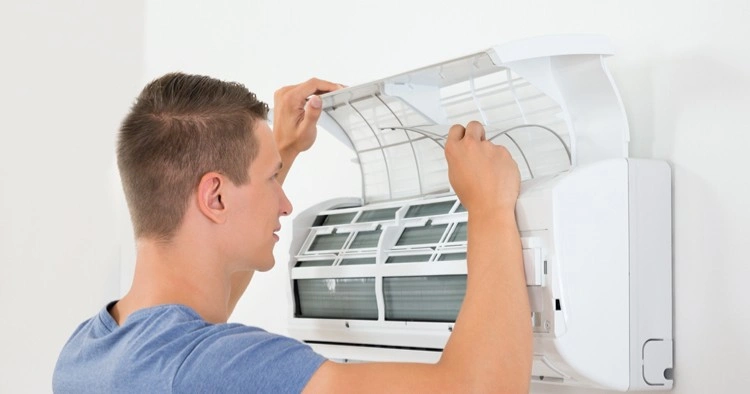
Understanding the components of your new system helps in recognizing the value of professional handling. A complete mini-split system consists of several critical parts that must work in unison.
- Outdoor Condenser: This unit houses the compressor and is responsible for dumping heat from inside your home to the outside during summer, or extracting heat from the outdoor air during winter.
- Indoor Evaporator Unit: This component circulates the air within the room. It contains the filter and the coil where heat exchange occurs.
- Line Set: These are the copper pipes that circulate refrigerant between the indoor and outdoor units. They must be insulated and vacuum-tested to prevent leaks.
- Communication Wire: A specialized cable that sends signals between the indoor and outdoor units, allowing the system to modulate speed based on demand.
- Condensate Drain Line: This removes the moisture pulled from the air during the cooling process.
The Installation Process Step-by-Step
A proper installation follows a strict sequence to ensure system longevity and efficiency. Our technicians follow a rigid protocol to ensure every connection is secure and compliant with safety standards.
- First, the technician selects the optimal location for the indoor unit. This spot must support the weight of the unit and allow for proper airflow distribution throughout the room.
- Next, a mounting plate is secured to the interior wall. The technician ensures this plate is perfectly level to facilitate proper drainage.
- Then, a three-inch hole is drilled through the exterior wall. This hole is drilled at a slight downward angle to the outside to ensure condensate flows out naturally.
- After drilling, the technician bundles the refrigerant lines, drain tube, and electrical cables and feeds them through the wall hole.
- Subsequently, the indoor unit is mounted securely onto the backing plate, and the connections are prepared on the exterior side.
- The outdoor unit is then positioned on a rigid pad or wall bracket. This placement accounts for vibration isolation and clearance requirements to ensure adequate airflow around the coil.
- Following placement, the refrigerant lines are connected to the outdoor valves using a flare connection. This requires a torque wrench to tighten to manufacturer specifications to prevent refrigerant leaks.
- Once connected, the technician performs a pressure test using nitrogen to verify the system is sealed tight.
- Finally, a vacuum pump removes all moisture and air from the lines before the refrigerant is released, and the system is powered on for a test run.
When to Replace vs. Repair Your Current System
Deciding between repairing an existing HVAC unit or installing a new mini-split system involves analyzing long-term costs and comfort requirements. While repairs might seem cheaper upfront, they are often temporary fixes for aging technology.
- Age of Equipment: If your current window units or central system is over 10 to 15 years old, efficiency has likely degraded significantly. New mini-splits offer higher SEER ratings, meaning they deliver more cooling for every dollar of electricity spent.
- Frequent Breakdowns: If you are calling for service multiple times a year, the cost of parts and labor will quickly exceed the monthly payment of a new installation.
- Inconsistent Temperatures: When certain rooms remain hot despite the AC running full blast, it indicates the current system cannot handle the load or the ductwork is compromised. A ductless unit solves this by treating the specific zone directly.
- Home Additions: For sunrooms, garage conversions, or new master suites, extending existing ductwork is often cost-prohibitive and inefficient. Installing a mini-split is the standard solution for these spaces.
- Noise Levels: Older systems can be intrusive. If the noise of your AC interrupts conversations or sleep, replacing it with a whisper-quiet ductless system improves quality of life.
Critical Local Factors for Atlantic Beach Installations
Operating HVAC equipment in a coastal environment presents unique challenges that standard installations do not address. The salt air in Atlantic Beach is highly corrosive and can degrade standard aluminum and copper coils rapidly.
- Corrosion Protection: We prioritize systems with anti-corrosive coatings on the outdoor condenser coils. This protection is vital for extending the lifespan of the unit against salt spray and humidity.
- Humidity Control: The local climate involves high humidity levels. We size units to ensure they run long enough to dehumidify the space effectively, rather than just cooling the air quickly and shutting off, which leaves the room feeling clammy.
- Wind and Storm Safety: Outdoor units must be anchored securely. During tropical storms or high winds, unsecure units can become projectiles or suffer damage from debris. We utilize heavy-duty hurricane straps or brackets where necessary.
- Permitting and Codes: Atlantic Beach and Carteret County have specific mechanical and electrical codes. All installations require proper permitting to ensure the electrical circuit can handle the load and that the refrigerant lines are protected. We handle the permitting process to ensure your installation passes all municipal inspections.
- Electrical Requirements: Mini-splits typically require a dedicated 220V circuit. We verify your electrical panel has the capacity to add this circuit without overloading your home’s main service. — schedule service today.
Efficiency and Zoning Capabilities
The primary advantage of a mini-split system lies in its ability to zone your home. Traditional systems operate on an "all or nothing" basis, cooling unoccupied rooms simply because the thermostat is triggered in the hallway.
- Targeted Comfort: You can install indoor units in the bedrooms and living areas, allowing you to keep sleeping areas cool while raising the temperature in unoccupied spaces.
- Inverter Technology: Unlike traditional compressors that simply turn on and off, modern mini-splits use inverter-driven compressors. These ramp up or down to match the exact cooling demand, which maintains a steady temperature without the energy spikes associated with starting a motor.
- SEER Ratings: Systems available today boast SEER (Seasonal Energy Efficiency Ratio) ratings well into the 20s and 30s. Transitioning from a 13 SEER central unit to a 25 SEER mini-split can result in substantial reductions in monthly utility expenses. apply for financing.
- Heating Performance: These systems are actually heat pumps. In the winter, the cycle reverses to provide efficient heating. Modern units can extract heat from the outside air even when temperatures drop significantly, providing year-round comfort for the mild winters in North Carolina.
Why Professional Sizing Matters
A common mistake in the HVAC industry is estimating size based solely on square footage. This "rule of thumb" often results in oversized units. While an oversized unit cools a room quickly, it does not run long enough to remove humidity. This results in a phenomenon known as "short cycling," which increases wear on the compressor and leaves the home prone to mold growth due to excess moisture.
- Heat Load Calculation: We perform a Manual J calculation that considers window quality, insulation R-values, ceiling height, and the orientation of the room relative to the sun.
- Airflow Dynamics: The placement of the indoor head affects how air circulates. Placing a unit above a television or near a heat source can disrupt the internal thermostat sensors. Professional placement ensures the unit reads the room temperature accurately.
- Drainage Planning: Condensate removal is a critical part of the cooling process. If a unit is oversized, it may generate moisture faster than the drain line can handle if not pitched correctly, leading to leaks.
Maintenance and Longevity of Ductless Systems
Once installed, a mini-split requires specific maintenance to operate at peak efficiency. Because these units do not use ducts, the filter is located directly at the indoor unit and captures dust and allergens before they enter the coil.
- Filter Cleaning: The mesh filters on indoor units should be cleaned monthly. This is a simple task that homeowners can perform to keep airflow unobstructed.
- Coil Cleaning: Over time, the indoor blower wheel and coil can accumulate dust and mold, especially in humid environments. Professional maintenance involves deep cleaning these components to prevent odors and maintain air quality.
- Refrigerant Checks: While a sealed system should not lose refrigerant, vibrations and thermal expansion can eventually loosen flare connections. Periodic professional checks ensure the charge remains optimal for efficiency.
- Condenser Clearance: The outdoor unit must remain free of vegetation and debris. In coastal areas, rinsing the outdoor coil with fresh water periodically helps remove salt buildup and preserves the metal fins.
Securing Your Comfort with Airtech Mechanical Service Inc.
Choosing the right partner for your mini-split installation determines the reliability and lifespan of your investment. We focus on technical precision, from the initial load calculation to the final pressure test. Our approach ensures that your system is not just installed, but integrated seamlessly into your home’s infrastructure to withstand the coastal elements.
Whether you are looking to cool a single sunroom or zone your entire property, our team provides the technical expertise required for a flawless setup. We navigate the specific challenges of the Atlantic Beach climate, ensuring your system handles both the sweltering summer heat and the corrosive salt air.
Call Us Now!
Ready to upgrade your home comfort with a high-efficiency ductless system? Get a quote for your mini-split installation today.
Other Services