

Indoor Air Quality in Atlantic Beach, NC
Experience optimal comfort with our indoor air quality services in Atlantic Beach. Breathe easy with our expert air purifiers, dehumidifiers, and personalized solutions. Schedule your assessment today!
Eliminating Allergens, Odors, and Excess Humidity
Living in a coastal environment often means battling invisible contaminants inside your home, from pervasive mold spores to lingering dampness that standard air conditioning cannot resolve. If you experience consistent allergies, musty odors, or a clammy feeling in your living space, our indoor air quality services in Atlantic Beach ensure your environment is clean, healthy, and properly balanced. Contact our team today to schedule a comprehensive air quality assessment or to discuss available financing options:
- Rapid response and assessment within 24 hours to identify pollution sources.
- Expert installation of whole-home air purifiers, dehumidifiers, and filters tailored to your specific needs.
- Regular maintenance and upgrades for lasting air quality improvement and humidity control.
Licensed services with comprehensive warranties to ensure your peace of mind regarding installation quality and equipment longevity. Airtech Mechanical Service Inc. provides the technical expertise required to neutralize airborne threats and restore comfort to your home.
Comprehensive Indoor Air Quality Solutions
Addressing poor indoor air quality requires more than a standalone store-bought filter; it demands a systematic approach to analyzing and treating the air circulating through your HVAC system. When you request service, the immediate goal is to diagnose the specific composition of your indoor air. Pollutants vary significantly depending on the age of the home, the tightness of the building envelope, and the efficiency of existing ventilation.
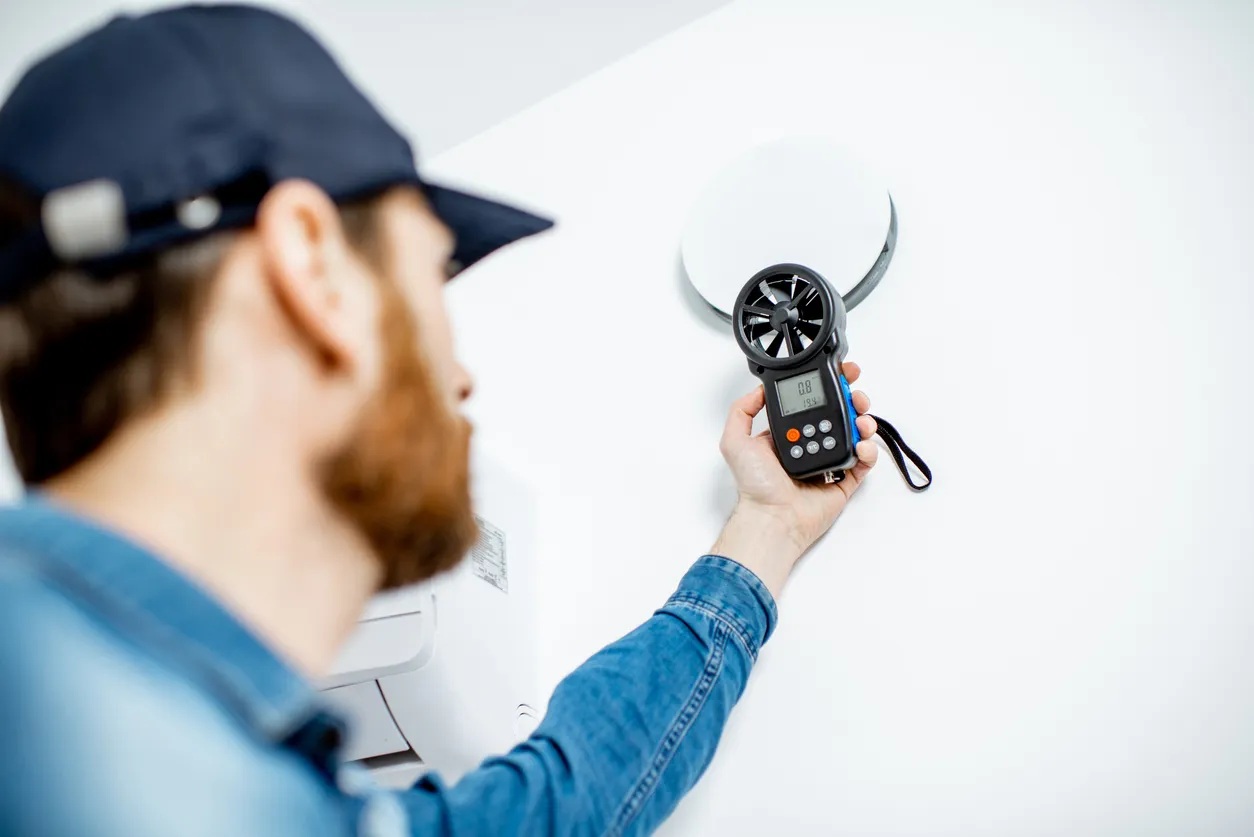
Atlantic Beach homeowners frequently deal with specific environmental loads, including salt aerosols and high moisture content. A professional intervention begins with data collection. Technicians measure particulate matter levels, Volatile Organic Compounds (VOCs), and relative humidity percentages. Once the baseline is established, the implementation of solutions focuses on three core pillars: source control, ventilation, and filtration.
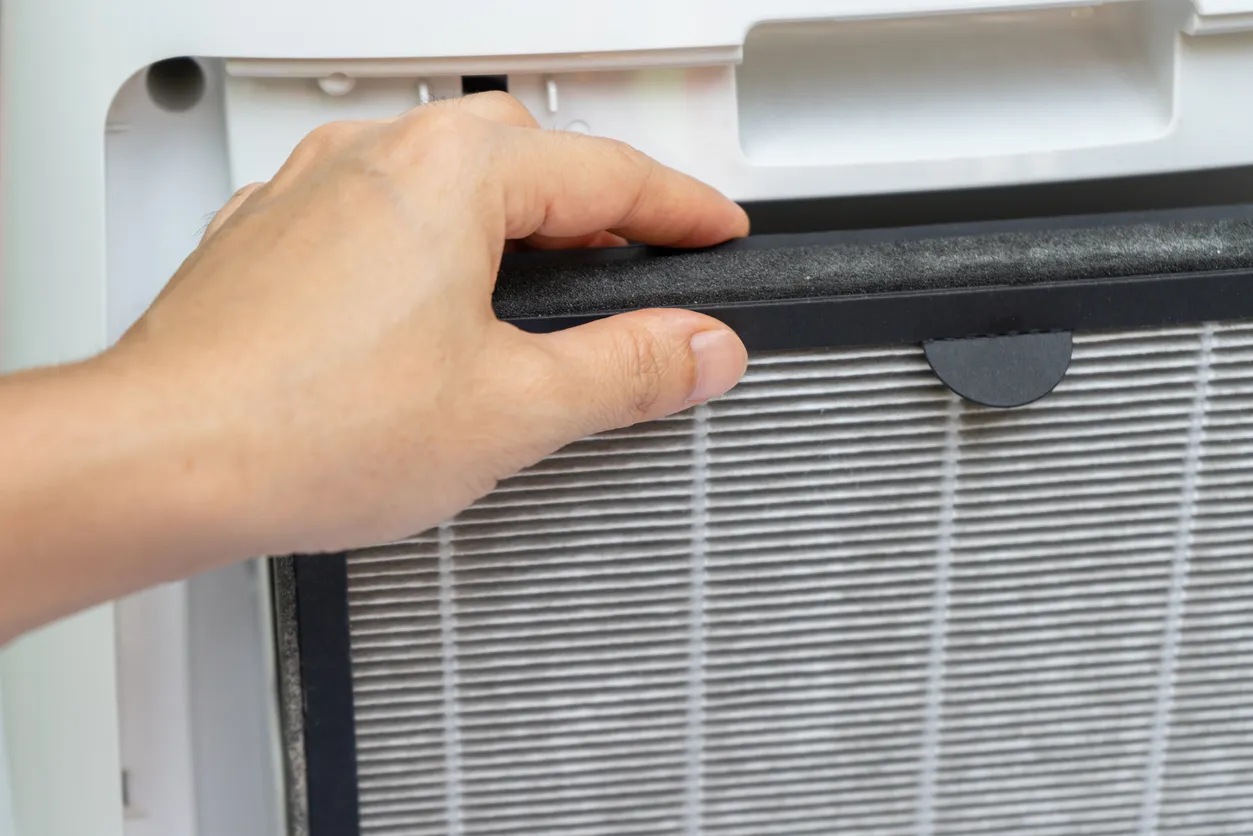
The scope of service includes the integration of advanced hardware into your central heating and cooling system. This often involves the installation of whole-home dehumidifiers to mechanically extract moisture that air conditioners leave behind. It also includes the retrofitting of high-efficiency media air cleaners that capture smaller particles, such as pet dander, pollen, and dust mite debris, that standard one-inch fiberglass filters miss. By addressing these issues holistically, the system works to protect both the occupants’ health and the structural integrity of the property from moisture damage.
The Installation and System Integration Process
Improving indoor air quality is a technical construction and mechanical process that must be executed with precision to avoid disrupting system static pressure. The process is designed to be seamless, ensuring that new components work in harmony with your current HVAC setup:
- Initial Site Survey and Load Calculation: Technicians perform a walkthrough to inspect ductwork for leaks, biological growth, or design flaws. They calculate the cubic footage of the home to size air purifiers and dehumidifiers correctly. Undersized units will run continuously without achieving results, while oversized units may short-cycle.
- Selection of IAQ Technology: Based on the survey, specific technologies are selected. This may include UV-C germicidal lights installed directly in the coil assembly to prevent mold replication, or Energy Recovery Ventilators (ERVs) to exchange stale indoor air with fresh outdoor air without losing energy.
- Mechanical Installation: The installation team cuts into the return or supply plenum to mount the new equipment. This step involves sheet metal fabrication to ensure airtight seals. For whole-home dehumidifiers, dedicated drainage lines are run to ensure condensate is removed safely away from the home’s foundation or into a drain line.
- Electrical Integration: Equipment is hardwired into the HVAC control board. This allows the air quality systems to operate automatically. For example, a dehumidifier can be programmed to trigger the blower fan even when the cooling cycle is off, ensuring continuous moisture control throughout the day.
- Testing and Verification: Once installed, the system is tested to ensure airflow remains optimal. Technicians verify that the static pressure within the ductwork is within manufacturer specifications to prevent strain on the blower motor. Final measurements are taken to confirm that humidity levels and particle counts are dropping.
Deciding Between Repair and System Replacement
Homeowners often struggle to determine whether their current air quality issues stem from a failing component that can be repaired or if the situation requires a complete system upgrade. Making the right decision depends on the age of the equipment, the severity of the symptoms, and the specific environmental challenges present in the home.
When to Repair or Maintain
- Clogged or Dirty Filters: If airflow is restricted solely due to a lack of maintenance, professional cleaning and high-grade filter replacement are usually sufficient.
- Minor Duct Leaks: If the issue is localized to specific rooms feeling dusty, sealing accessible ductwork or repairing disconnected joints can resolve the problem without new equipment.
- UV Bulb Burnout: If you have an existing UV light system that is no longer effective, simply replacing the bulb or the ballast is a cost-effective repair.
- Sensor Calibration: If a thermostat or humidistat is reading humidity levels incorrectly, recalibrating the controls can restore proper function.
When to Upgrade or Install New Systems
- Persistent Biological Growth: If mold or mildew reappears on vents or near the air handler despite cleaning, the existing system is failing to control humidity. This requires the installation of a dedicated whole-home dehumidifier.
- Structural Dampness: If you notice cupping wood floors, sticking doors, or peeling wallpaper, the ambient humidity is high enough to damage the home. Standard AC units cannot handle this load alone; an upgrade is necessary.
- Health Symptoms: If occupants experience chronic respiratory issues, asthma triggers, or headaches that subside when leaving the house, the current filtration is inadequate. Upgrading to HEPA-style filtration or catalytic air purifiers is the recommended solution.
- Obsolete Equipment: Older HVAC systems often lack the variable-speed blowers necessary for effective air filtration. upgrading the air handler or adding bypass filtration is often required to achieve modern air quality standards.
Coastal Climate Factors and Local Regulations
Operating HVAC and air quality equipment in Atlantic Beach presents unique challenges due to the coastal geography. The region experiences a humid subtropical climate, meaning that for a significant portion of the year, outdoor air is laden with moisture. Unlike inland areas where opening a window might provide ventilation, doing so here often introduces more humidity and salt-laden air into the home.
Humidity and Salt Corrosion
The proximity to the ocean introduces salt spray into the atmosphere. This accelerates the corrosion of outdoor condenser coils and metal components within the ventilation system. Air quality solutions here must be robust. Dehumidifiers and ventilators often require specialized coatings or durable construction to withstand the aggressive environment. Managing indoor humidity is not just about comfort; it is about preventing the rapid degradation of building materials and furnishings caused by constant dampness.
Permitting and Building Codes
Modifications to your heating and cooling system to add air quality components may trigger local building code requirements. In North Carolina, significant alterations to mechanical systems, including the addition of high-voltage electrical circuits for dehumidifiers or extensive ductwork modification, typically require a permit. This ensures that the electrical load is calculated correctly and that the installation meets fire and safety standards. Professional services handle the navigation of these codes, ensuring that all work is compliant with local municipal regulations.
Seasonal Considerations
While summer brings the peak of humidity, the shoulder seasons (spring and fall) in this region can be deceptive. Temperatures may be mild enough that the air conditioner does not run frequently, yet humidity remains high. This leads to "sick building syndrome" where the air becomes stagnant and moist. Airtech Mechanical Service Inc. recommends systems that can operate independently of the cooling cycle to maintain air quality during these transitional months.
Technical Precision and Service Standards
Achieving superior indoor air quality is a science that relies on measurement, physics, and proper airflow dynamics. The difference between a functional system and a failing one often lies in the quality of the installation and the accuracy of the equipment sizing:
- Data-Driven Diagnostics: Service begins with quantifying the problem. Utilizing industrial-grade hygrometers and particle counters provides a clear picture of the invisible threats in the air. This eliminates guesswork and ensures that the proposed solution directly addresses the identified contaminants.
- Airflow Management: Adding filtration adds resistance to the HVAC system. If this resistance is not calculated, it can choke the system, leading to frozen coils or burnt-out motors. Technicians ensure that any added filtration or purification device is matched to the blower’s capacity, maintaining the necessary static pressure for efficient operation.
- Holistic Moisture Control: Humidity is controlled not just by removing water but by managing air infiltration. Services include inspecting the building envelope to identify where humid outdoor air is entering. Sealing these infiltration points enhances the efficiency of dehumidifiers and prevents the system from being overwhelmed.
- NATE-Certified Expertise: Technicians are trained in North American Technician Excellence (NATE) standards, ensuring they understand the complexities of thermodynamics and psychrometrics (the study of moist air). This level of training is essential for troubleshooting complex air quality issues that simple filter changes cannot fix.
- Long-Term Protection: Installations come with warranties that cover both parts and labor. Beyond the manufacturer’s warranty on the equipment, the workmanship is guaranteed to ensure that duct connections remain sealed, drains flow freely, and electrical connections remain secure.
Call Us Now!
Ensuring the air inside your home is safe and clean is a vital investment in your health and property value. By addressing humidity, filtration, and ventilation with professional-grade solutions, you create a living space that is resilient against the harsh coastal elements. For expert assessment and installation of indoor air quality systems, contact Airtech Mechanical Service Inc. to schedule your consultation.
Other Services