

Air Quality Testing in Pine Knoll Shores, NC
Explore professional indoor air quality testing in Pine Knoll Shores. Discover tailored solutions for mold, VOCs, and more to ensure a healthier home environment. Contact us today!
Identify the Invisible Contaminants Affecting Your Health
Unexplained allergies, persistent musty odors, or a general feeling of heaviness in the air can signal that your home environment is compromised by hidden pollutants. For homeowners in Pine Knoll Shores, ignoring these symptoms often leads to exacerbated respiratory issues and long-term structural damage from unchecked moisture or mold growth. Contact us today to schedule your comprehensive assessment or inquire about our flexible financing options.
We provide immediate, data-driven insights into the state of your indoor environment:
- Rapid response team available for timely indoor air quality testing to address urgent health concerns.
- Detailed, easy-to-understand reports identifying specific pollutants like mold spores, VOCs, and radon levels.
- Custom solutions tailored to neutralize threats and improve your air quality based on the specific findings of our audit.
All services are certified and comply with local health regulations to ensure your peace of mind and safety.
Comprehensive Indoor Air Quality Audits: What to Expect
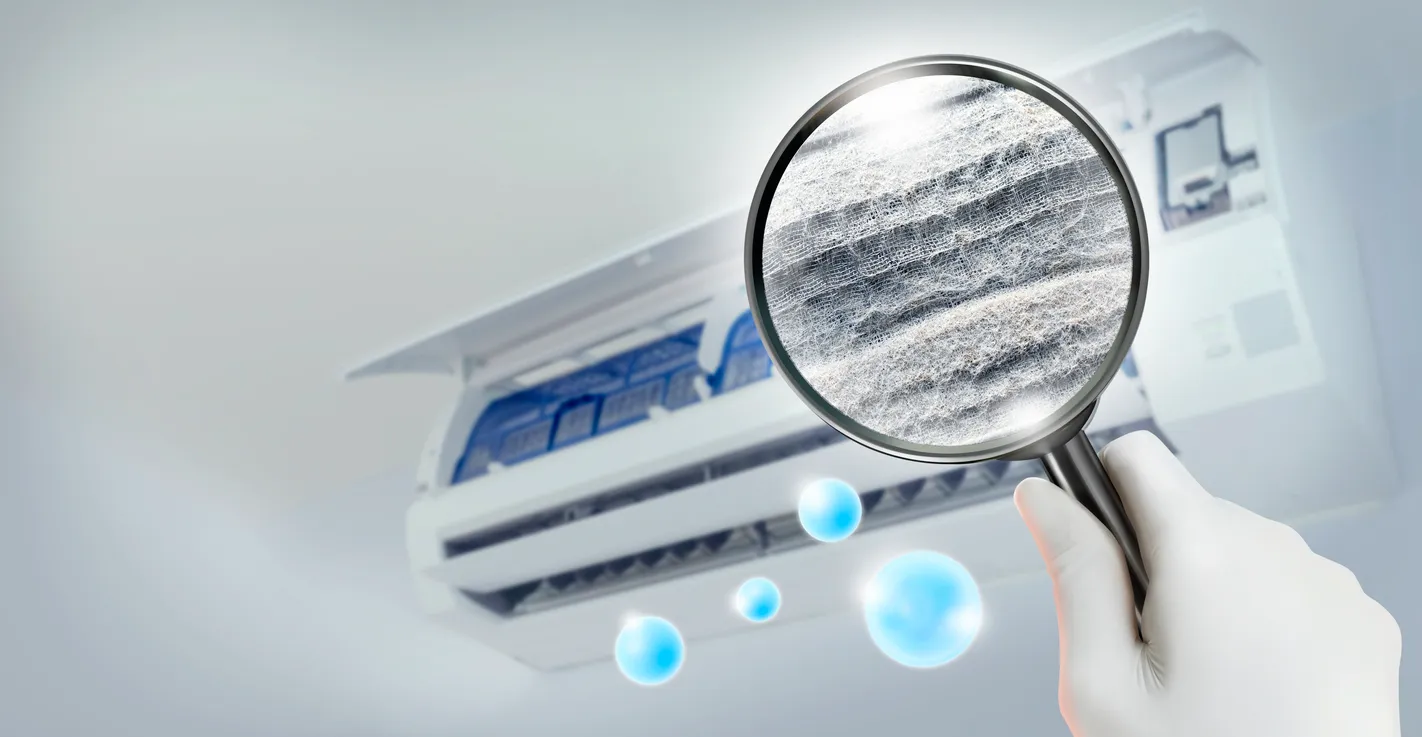
When you commission an air quality test, you are purchasing certainty. We do not simply guess at what might be wrong; we utilize advanced diagnostic tools to generate a precise map of your home’s atmospheric health. The service is designed to move beyond surface-level symptoms and identify root causes that impact comfort and health.
The scope of a professional air quality audit covers the full spectrum of potential indoor hazards. This is not a single-pass inspection but a multi-faceted analysis of the air you breathe every day:
- Biological Pollutant Detection: We analyze air samples for the presence of mold spores, pollen, pet dander, and dust mites. In humid coastal environments, biological growth is a primary driver of poor air quality. Our testing differentiates between harmless background levels and active infestations that require remediation.
- Chemical Contaminant Analysis (VOCs): Volatile Organic Compounds (VOCs) off-gas from paints, cleaning products, carpets, and furniture. High concentrations can cause headaches, dizziness, and long-term health risks. We measure total VOC levels to determine if your home lacks adequate ventilation.
- Combustion Byproduct Monitoring: Carbon monoxide and nitrogen dioxide are invisible killers often leaking from faulty furnaces, stoves, or water heaters. Precision sensors detect even trace amounts that standard residential detectors might miss, ensuring your combustion appliances are operating safely.
- Humidity and Temperature Mapping: High humidity is the precursor to mold and bacterial growth. We map relative humidity levels across different zones of your home to identify areas where moisture control is failing. This is particularly relevant for crawl spaces and attics where conditioned air meets unconditioned structures.
- Radon Testing: As a colorless, odorless gas that seeps up from the ground, radon is a leading cause of lung cancer. Professional testing is the only way to accurately measure radon levels and determine if mitigation is necessary for the safety of the household.
How the Assessment Process Works
The testing process is systematic and non-invasive. We respect your property and your time, ensuring that the data collection phase is efficient while providing the depth of analysis required for actionable results. Airtech Mechanical Service Inc. utilizes a protocol that ensures data integrity and repeatability:
- Visual Inspection and Consultation: The process begins with a physical walkthrough. Technicians look for visible signs of moisture intrusion, condensation on windows, discoloration on walls, or dust buildup around vents. We discuss specific symptoms you or your family members are experiencing to narrow the focus of the investigation.
- Sensor Deployment and Sampling: Calibrated equipment is placed in strategic locations throughout the living space. This includes laser particle counters to measure dust load, hygrometers for moisture, and specialized pumps that capture air samples onto cassettes for laboratory analysis. Surface swabs may be taken if visible mold growth is suspected.
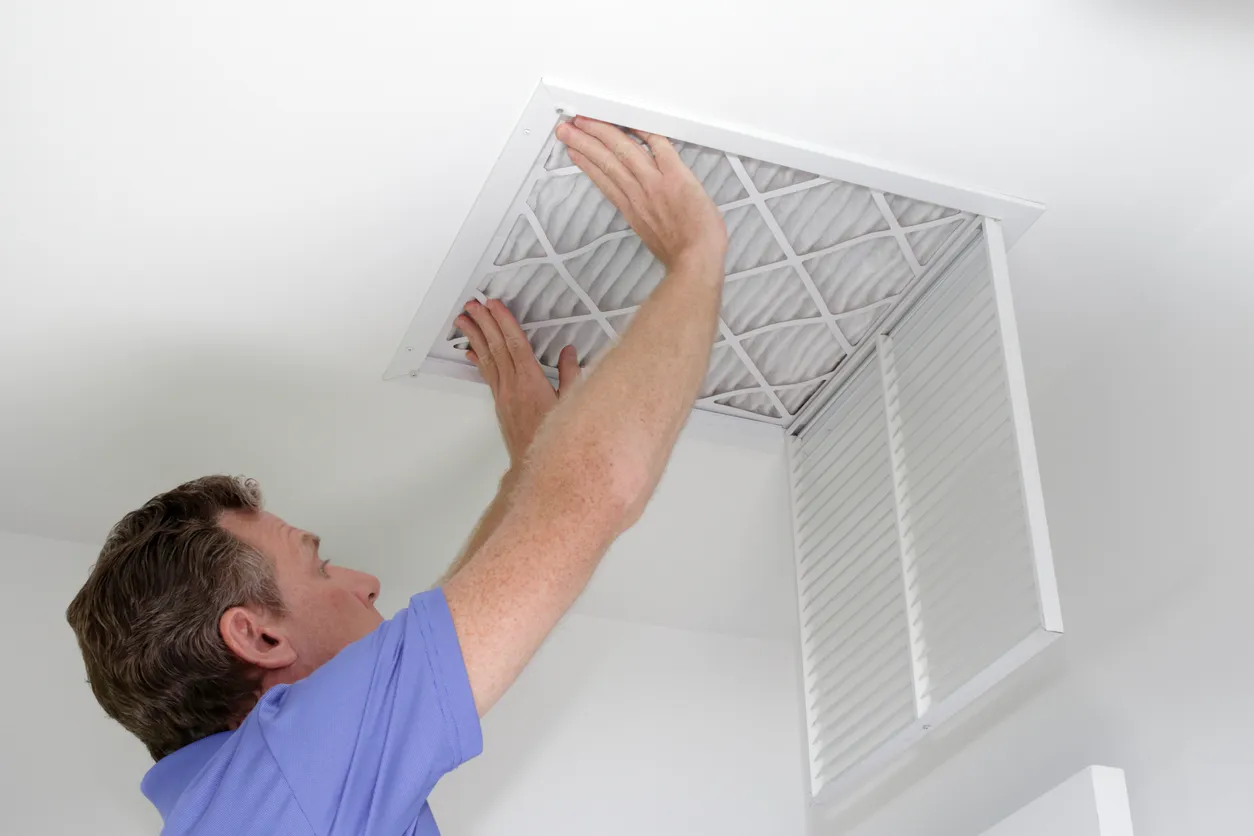
- HVAC System Evaluation: The heating and cooling system acts as the lungs of your home. We inspect the air handler, ductwork, and filtration systems to determine if the HVAC unit is circulating pollutants rather than removing them. Leaky ducts or dirty coils are frequent contributors to poor indoor hygiene.
- Laboratory Analysis: Physical samples are sent to accredited third-party laboratories. This ensures that the identification of mold types or chemical concentrations is unbiased and scientifically accurate.
- Report Generation and Strategy: Once lab results are finalized, we compile the data into a comprehensive report. This document details exactly what was found, the concentration levels compared to safety standards, and a prioritized list of corrective actions. You receive a clear path forward, whether that involves installing dehumidifiers, upgrading filtration, or sealing ductwork.
Determining When Testing is Necessary
Deciding to test your air quality is a move from reactive symptom management to proactive home health management. While annual checks are beneficial, certain scenarios dictate an immediate need for professional evaluation. Waiting until health issues become severe often results in higher remediation costs and prolonged discomfort:
- Persistent Health Symptoms: If family members suffer from congestion, eye irritation, headaches, or fatigue that improves when they leave the house and worsens when they return, the home environment is the likely culprit. This "Sick Building Syndrome" requires diagnostic testing to solve.
- Real Estate Transactions: Buying a home in Pine Knoll Shores represents a significant investment. A standard home inspection rarely covers detailed air quality metrics. Testing before closing ensures you are not inheriting a property with hidden mold issues or high radon levels.
- Post-Renovation Verification: Construction work kicks up dust, fiberglass, and releases chemical fumes from glues and varnishes. Testing after a renovation ensures that the construction dust has been properly cleared and that new materials are not off-gassing at dangerous levels.
- Following Water Damage Events: If your home has experienced a leak, flooding, or roof damage, moisture has entered the building envelope. Even after the water is dried, mold can begin to grow within 24 to 48 hours. Testing verifies that drying was successful and that fungal growth has not taken hold behind walls or under flooring.
- HVAC System Replacement: Before sizing a new HVAC system, understanding the home's infiltration rates and pollutant load helps in selecting the right equipment. It ensures that the new system includes the necessary air purification or humidity control add-ons.
Local Climate Factors Affecting Indoor Air
Operating in Pine Knoll Shores requires a specific understanding of coastal dynamics. The local environment presents unique challenges that generic advice often overlooks. The intersection of high ambient humidity, salt air, and specific soil conditions dictates how air quality must be managed in this region:
- Humidity Management is Critical: The humid subtropical climate means that moisture control is the single most important factor in maintaining good air quality. Excess moisture leads to dust mite proliferation and mold growth. Standard air conditioning is often insufficient to handle the latent heat load (humidity) present in this area, necessitating dedicated dehumidification strategies.
- Salt Aerosols and Corrosion: Proximity to the ocean introduces salt spray into the air. While not toxic, salt accelerates the corrosion of HVAC coils and metal ductwork. Corroded equipment becomes a breeding ground for bacteria and reduces the system's ability to filter air effectively.
- Seasonal Storm Impact: The region is prone to hurricanes and tropical storms. These events drive bulk water into homes and cause power outages that stop HVAC systems from running. The rapid rise in indoor temperature and humidity during a power outage creates a spike in biological growth risk.
- Closed Building Envelope: To conserve energy during hot summers, homes are often sealed tightly. While this keeps cooling costs down, it traps indoor pollutants. Without mechanical ventilation to introduce fresh air, concentrations of CO2 and VOCs can rise to unhealthy levels quickly.
Professional Testing vs. DIY Kits
Homeowners often debate the value of professional services versus store-bought testing kits. While DIY options appear cost-effective initially, they frequently lead to inconclusive results or false positives that cause unnecessary panic or false security:
- Accuracy and Calibration: Professional equipment is regularly calibrated and capable of detecting low-level contaminants that consumer-grade kits miss. A DIY mold petri dish will almost always show growth because mold is everywhere in nature; a professional test tells you if the concentration and type inside your home are dangerous compared to the outside air.
- Chain of Custody: For results to be actionable, especially for insurance claims or real estate negotiations, a strict chain of custody must be maintained. Samples collected by a certified technician and processed by an accredited lab carry weight that a DIY kit does not.
- Contextual Interpretation: A number on a page is useless without context. A professional understands the interplay between humidity, airflow, and pollutant sources. We interpret the data to tell you why a problem exists, not just that it does.
- Holistic Assessment: A DIY kit usually tests for one thing at a time. A professional audit looks at the house as a system. We identify how a crawl space issue is affecting the second-floor bedroom, providing a complete picture of building health.
Taking Action on Air Quality
Your home should be a sanctuary, not a source of illness. By identifying the specific contaminants present in your living space, you move from guessing to knowing. This clarity allows for targeted interventions that protect your property value and, more importantly, the health of those living inside. Whether the data points toward the need for crawl space encapsulation, UV light installation, or simple ventilation adjustments, the path to cleaner air begins with accurate testing.
We invite you to take the next step in securing a healthy home environment. Airtech Mechanical Service Inc. is ready to provide the rigorous testing and clear answers you need to breathe easier, contact us today.
Secure your home’s health today, schedule your professional air quality test now.
Other Services