

Air Quality Testing in Pamlico, NC
Ensure your home's air is safe with our certified air quality testing in Pamlico. We identify pollutants and provide actionable steps to clear your air. Learn more now!
Is Your Indoor Air Safe? Find Out With Certified Testing
Concerned about your indoor air quality, especially during the humid summer months in Pamlico? Our expert air quality testing can identify any issues and provide peace of mind. Call us directly or contact us online to schedule your comprehensive air assessment.
Many homeowners in North Carolina assume that because their windows are closed and their air conditioning is running, the air they breathe is clean. However, the EPA estimates that indoor air can be two to five times more polluted than outdoor air. Pollutants become trapped inside modern, energy-efficient homes, circulating through the HVAC system and affecting respiratory health. We utilize advanced diagnostic tools to detect invisible threats that standard filtration systems often miss:
- Discover and address hidden mold and moisture thanks to our comprehensive evaluation.
- Ensure your air is safe from over 150,000 potential contaminants including pollen and asbestos.
- Receive clear, actionable steps to improve your indoor environment.
Rely on our 25+ years of expertise and fully certified services to maintain your air clean and safe.
Comprehensive Air Quality Analysis: What We Detect
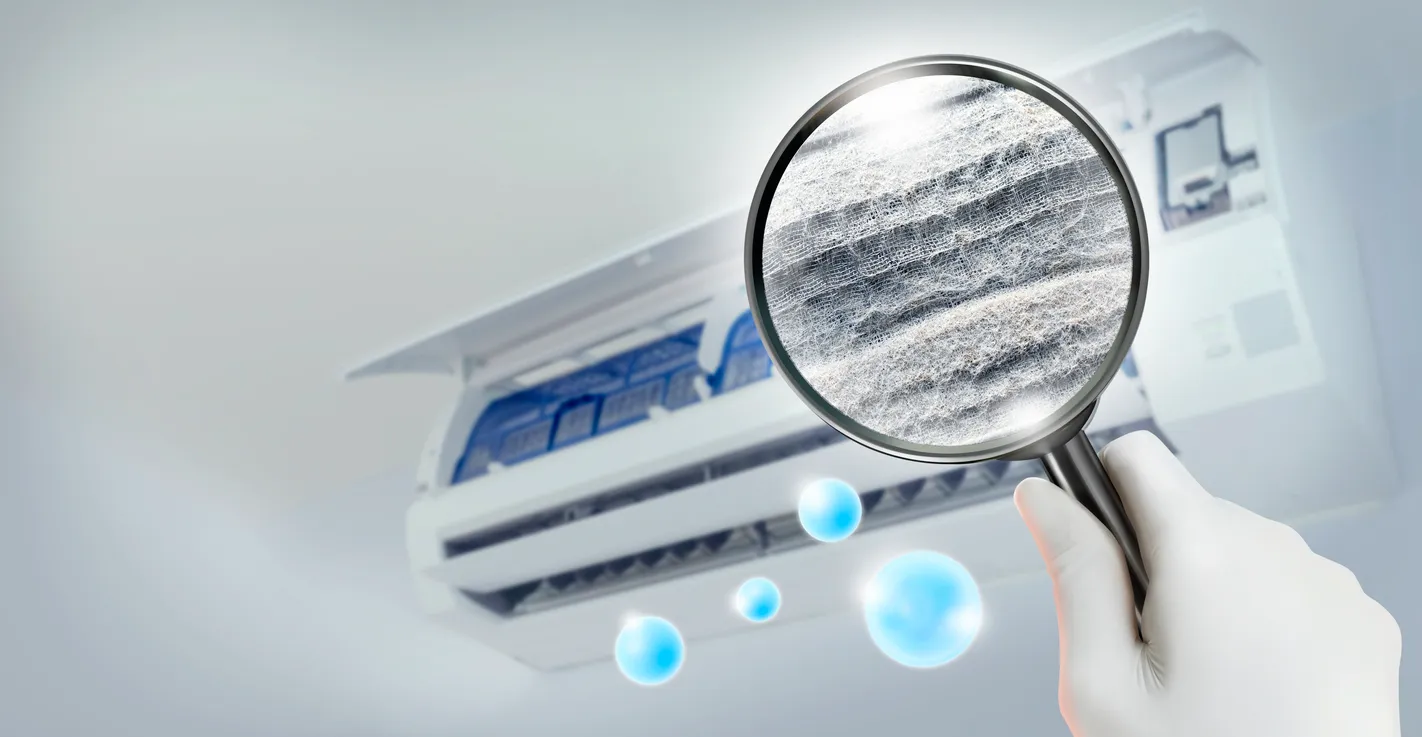
Professional testing goes far beyond a simple smoke detector or a generic store-bought mold kit. High-quality air assessment involves a multi-faceted approach to identify biological, chemical, and combustion-based pollutants. When Airtech Mechanical Service Inc. performs an evaluation, we deploy industrial-grade equipment designed to capture and analyze particulate matter at the microscopic level.
Biological Contaminants
Biological growth is a primary concern in humid climates. Our testing protocols specifically target living organisms or byproducts that thrive in moisture-rich environments:
- Mold and Spores: We test for active mold growth and airborne spores. This distinguishes between a minor surface issue and a systemic infestation behind drywalls or in ductwork.
- Bacteria and Viruses: Using bioaerosol sampling, we identify the presence of harmful bacteria that may be circulating through the ventilation system, often breeding in stagnant water within drain pans or humidifiers.
- allergens: We quantify the levels of dust mites, pet dander, and insect fragments (such as cockroach debris) which are potent triggers for asthma and allergic rhinitis.
- Pollen Infiltration: Even with windows closed, microscopic pollen grains can penetrate building envelopes. We determine if your home is adequately sealed against outdoor seasonal allergens.
Chemical Volatile Organic Compounds (VOCs)
Modern homes are filled with synthetic materials that off-gas chemicals over time. Our sensors detect the accumulation of these gases, which can cause headaches, dizziness, and long-term health complications:
- Formaldehyde: Often found in pressed wood products, glues, and insulation materials.
- Household Cleaners and Solvents: Chemicals from cleaning supplies, paints, and varnishes that linger in the air long after use.
- Pesticides: Residue from indoor pest control treatments or outdoor drift that has settled in carpets and furniture.
- Synthetic Fragrances: Phthalates and other chemicals released by air fresheners and scented candles that degrade air quality.
Combustion Byproducts
If your home utilizes gas furnaces, stoves, water heaters, or fireplaces, combustion safety is non-negotiable. We analyze the air for invisible, odorless gases that indicate improper venting or incomplete combustion:
- Carbon Monoxide (CO): Detecting low-level leaks that might not trigger a standard alarm but still cause chronic fatigue or nausea.
- Nitrogen Dioxide (NO2): A respiratory irritant common in homes with gas stoves lacking proper range hoods.
- Environmental Tobacco Smoke: Detecting second-hand smoke residue that settles on surfaces and re-releases toxins into the air.
Humidity and Ventilation Metrics
Testing is not just about what is in the air, but the condition of the air itself:
- Relative Humidity Levels: We measure moisture content to determine if the environment is conducive to mold growth (typically above 50-55%).
- Air Exchange Rates: We calculate how often fresh air replaces stale indoor air. Poor ventilation leads to the "stack effect," where pollutants accumulate rather than dilute.
- Temperature Consistency: Identifying hot or cold spots that may indicate duct leakage or insulation failures, contributing to condensation issues.
The Professional Testing Process
Securing a precise diagnosis of your indoor environment requires a structured, scientific workflow. We do not rely on guesswork or visual estimates alone. The process is designed to be non-invasive while providing granular data on the state of your home’s atmosphere:
- Initial Consultation and Visual Inspection: The process begins with a walkthrough of the property in Pamlico. Technicians look for visible signs of water damage, discoloration on walls or ceilings, condensation on windows, and the condition of the HVAC filtration system. We also review the history of the home, including recent renovations or water leaks.
- Strategy Development: Based on the visual assessment and your specific concerns (such as an odor or health symptom), we determine the most appropriate sampling strategy. This ensures we test for the relevant contaminants without unnecessary expense.
- Air Sampling: Technicians set up calibrated air pumps mounted on tripods. These pumps draw a specific volume of air over a set period through specialized cassettes or media. This captures airborne particulates, spores, and chemical vapors for analysis. Outdoor control samples are also taken to establish a baseline for comparison.
- Surface and Bulk Sampling: If visible growth or suspicious dust is present, we collect surface samples using tape lifts or swabs. In some cases, bulk material samples (like a piece of drywall or carpet) may be collected for laboratory analysis to identify specific fungal species or asbestos fibers.
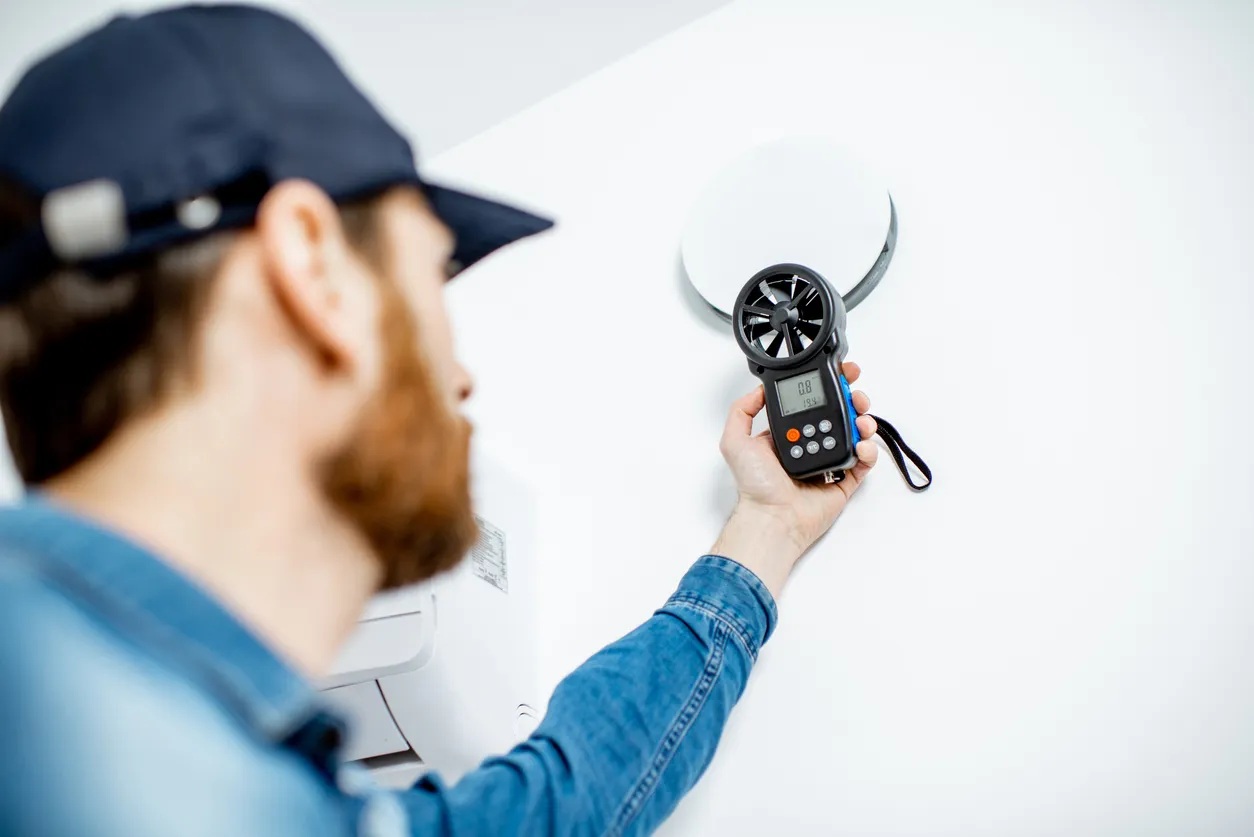
- Real-Time Digital Monitoring: For metrics like particulate matter (PM2.5 and PM10), humidity, temperature, and carbon dioxide levels, we use direct-reading instruments that provide immediate data on the current conditions of the home.
- Laboratory Analysis: Physical samples are sent to an accredited third-party laboratory. Microbiologists and chemists analyze the samples to identify the specific types and concentrations of pollutants present.
- Comprehensive Reporting: You receive a detailed report explaining the findings in plain English. This includes the raw laboratory data, interpretation of what those levels mean for health and safety, and specific recommendations for remediation, ventilation improvements, or filtration upgrades.
When to Schedule Air Quality Testing
Homeowners often tolerate subpar air quality until it manifests as a severe health issue or structural problem. Identifying the right time to test can prevent minor issues from becoming expensive remediation projects. There are specific triggers that indicate an immediate need for professional evaluation.
Unexplained Health Symptoms
If family members experience symptoms that improve when they leave the house and return when they come back, the indoor environment is likely the culprit:
- Persistent Allergies: Sneezing, watery eyes, or congestion that does not align with outdoor pollen seasons.
- Respiratory Issues: Chronic coughing, shortness of breath, or asthma attacks triggering frequently indoors.
- Fatigue and Headaches: Waking up tired or experiencing frequent headaches that clear up after spending time outdoors.
- Skin Irritation: Rashes or dryness that cannot be explained by dietary or dermatological issues.
Following Water Damage or Leaks
Moisture is the catalyst for biological growth. Even after a leak appears to be dried, moisture may remain trapped in wall cavities or under flooring:
- Post-Flooding: After any significant water intrusion event, testing ensures that drying was effective and mold has not taken root.
- Plumbing Failures: Hidden leaks behind walls often go unnoticed until mold spores are detected in the air.
- Roof Leaks: Water traveling through insulation can deposit contaminants into the living space or ductwork.
Real Estate Transactions and Renovations
Changes to the home structure or ownership are critical times for assessment:
- Buying a Home: An air quality test reveals hidden problems that a standard home inspection might miss, such as previous unmitigated water damage or methamphetamine residue.
- Post-Renovation: Construction work kicks up massive amounts of dust, drywall particles, and fiberglass. Testing ensures the contractor cleaned up effectively and that new materials are not off-gassing excessive VOCs.
- New HVAC Installation: Before installing a new system, testing validates whether the existing ductwork is clean enough to support the new unit without contaminating it immediately.
Persistent Odors and Environmental Changes
Sensory inputs are strong indicators of air quality failures:
- Musty Smells: A persistent earthy or musty odor usually indicates active mold growth, even if it is not visible.
- Stuffy Air: If the air feels heavy or stale, it indicates high CO2 levels and poor ventilation.
- Visible Dust: Excessive dust accumulation on furniture shortly after cleaning suggests filtration bypass or leaky ducts.
Local Considerations for Pamlico Residents
Testing for air quality in Eastern North Carolina requires an understanding of the specific environmental pressures affecting the region. The coastal climate introduces unique variables that generic testing protocols might overlook:
- High Humidity Challenges: Pamlico experiences high humidity levels for a significant portion of the year. This ambient moisture constantly seeks entry into conditioned spaces. Our testing focuses heavily on dew points and relative humidity management, as keeping indoor humidity below 50% is the most effective way to inhibit mold growth in this region.
- Seasonal Storm Impact: The area is prone to heavy rainfall and tropical systems, particularly from late summer through early autumn. These events drive bulk water against the home’s envelope. We assess the home’s ability to resist this moisture and check for "hidden" water intrusion points that only activate during wind-driven rain.
- Pollen and Agricultural Dust: Being in a region with dense vegetation and agricultural activity, local homes are subjected to high loads of outdoor particulates. We evaluate the building envelope’s tightness to ensure that outdoor allergens are not bypassing your filtration system through cracks in windows, doors, or attic spaces.
- Crawl Space Vulnerabilities: Many homes in the area are built on crawl spaces. These areas are notorious for trapping moisture and soil gases, which then rise into the living space via the stack effect. Our assessment includes evaluating the crawl space impact on the overall indoor atmosphere.
Why Professional Diagnosis Matters
While consumer-grade monitors are available, they lack the sensitivity and specificity required to make informed health decisions. A store-bought sensor might tell you that "air quality is poor," but it cannot tell you if the cause is a gas leak, a mold colony, or a new carpet. Professional testing provides data that is legally defensible and scientifically accurate.
We utilize calibrated, industrial equipment that is regularly audited for accuracy. The samples are analyzed by independent, certified laboratories, ensuring that the results are unbiased. This level of detail is essential for filing insurance claims related to mold remediation or for negotiating repairs during a real estate transaction. Furthermore, a professional assessment looks at the home as a system. We do not just identify the pollutant; we identify the pathway. Knowing you have mold is useful; knowing it is caused by negative pressure drawing air from a damp crawl space allows you to fix the root cause rather than just treating the symptom.
Accuracy and Actionable Results
Airtech Mechanical Service Inc. focuses on delivering data that leads to solutions. We do not sell fear; we provide facts. Our technicians are trained to interpret complex environmental data and translate it into a clear, prioritized plan of action for your home. Whether the solution involves source removal, ventilation upgrades, humidity control, or advanced filtration, you will have a roadmap to a healthier home.
Know What You’re Breathing, And Fix It With Confidence
Indoor air problems are often invisible, but their impact on your health and comfort is very real, especially in Pamlico’s humid climate. With certified testing, laboratory-backed analysis, and clear remediation guidance, Airtech Mechanical Service Inc. helps you identify exactly what’s in your air and how to correct it. Whether you’re dealing with allergies, moisture concerns, or post-storm risks, professional testing replaces uncertainty with facts and a clear path forward. Schedule your indoor air quality assessment today and take control of the air your family breathes.
Other Services