

Air Quality Testing in Hampstead, NC
Discover how expert air quality testing in Hampstead can pinpoint indoor air pollutants and provide actionable advice for healthier living. Schedule your test now!
Protect Your Health with Expert Air Quality Testing
Concerned about the air quality in your home or office, especially during the humid summer months or allergy season? Airtech Mechanical Service Inc. provides comprehensive air quality assessments to ensure you breathe easy. Contact us today to schedule your assessment or inquire about our available financing options.
Unseen contaminants can circulate through your property, causing respiratory issues, fatigue, and long-term health risks without visible warning signs. Residents in Hampstead often battle humidity-driven mold and seasonal allergens that bypass standard HVAC filters. Our testing process identifies these invisible threats so you can take definitive action to clear the air.
- Pinpoint harmful pollutants like mold, VOCs, and allergens.
- Get clear, actionable advice to improve your indoor air quality.
- Ensure your environment complies with health and safety standards.
- Licensed and insured professionals with over 20 years of trusted service.
What You Get With Professional Air Quality Assessments
When you commission a professional air quality test, you are purchasing data-driven clarity. Unlike basic over-the-counter kits which often provide false positives or limited scope, a professional assessment delivers a comprehensive breakdown of the particulate matter and biological growth within your structure. We utilize industrial-grade sensor technology and laboratory analysis to capture a true snapshot of your indoor environment.
The scope of service goes beyond a simple walk-through. Technicians analyze the airflow, ventilation patterns, and humidity levels that contribute to pollution accumulation. You receive a detailed report outlining the concentration levels of various contaminants. This report serves as the baseline for any necessary remediation or HVAC system upgrades. It transforms vague symptoms into hard data, allowing for targeted solutions rather than guesswork.
Your assessment typically includes:
- Bioaerosol Sampling: Detection of airborne mold spores, fungi, and bacteria that thrive in humid coastal environments.
- Particulate Analysis: Measurement of dust, pollen, fibers, and dander suspended in the breathing zone.
- Chemical Detection: Identification of Volatile Organic Compounds (VOCs) off-gassing from furniture, paint, cleaning supplies, or building materials.
- Gas Monitoring: Testing for carbon monoxide, carbon dioxide buildup, and radon levels where applicable.
- HVAC System Inspection: Visual checking of ductwork and air handlers to identify internal contamination sources.
- Humidity and Temperature Mapping: Logging relative humidity levels to identify zones prone to microbial growth.
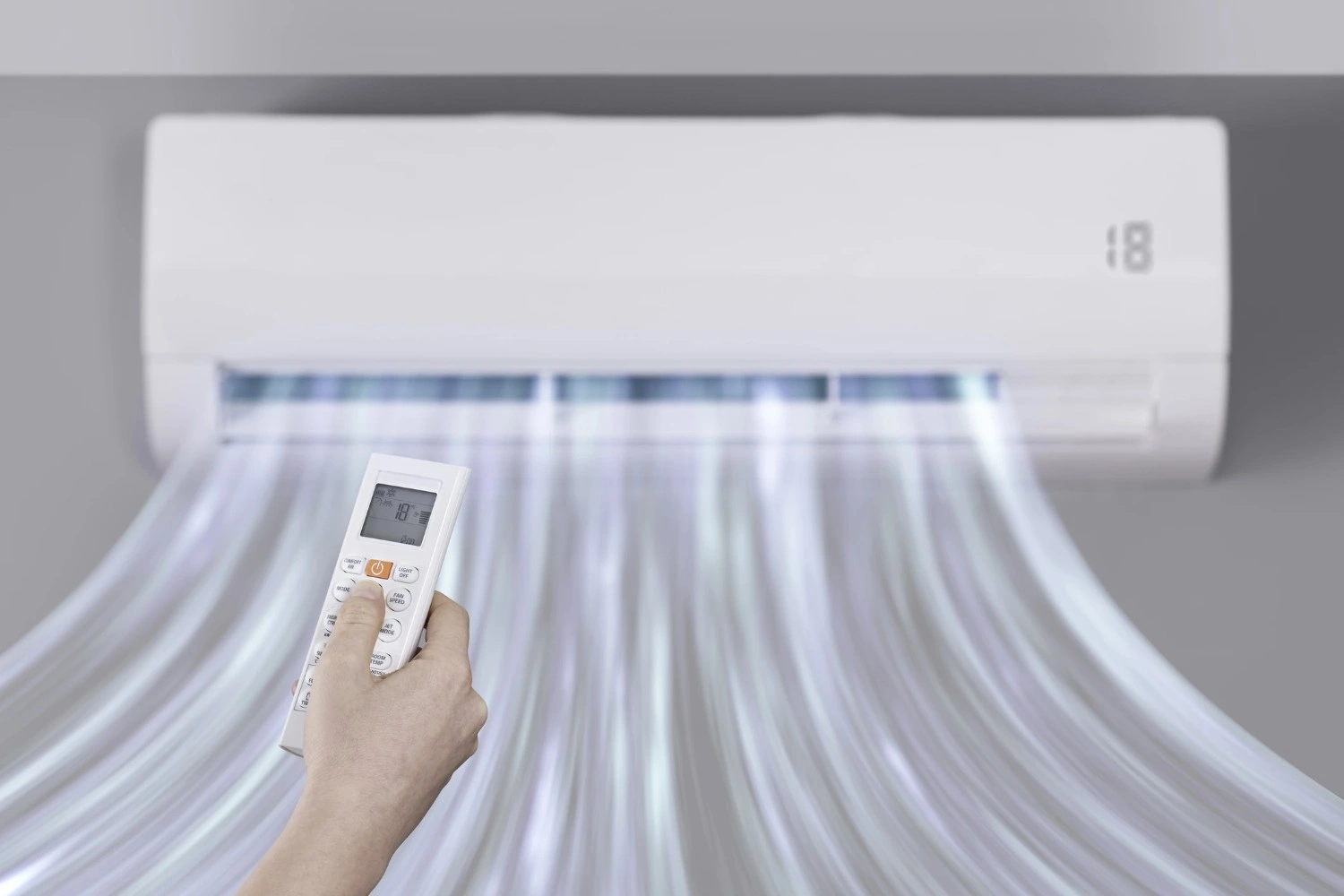
Indoor Air Quality Installation in house
The Air Quality Testing Process: How It Works
Understanding the sequence of our testing procedure helps you prepare for the visit and understand the results. The process is non-invasive and designed to disrupt your daily routine as little as possible. We focus on gathering accurate samples from key areas of the home, particularly where air circulation is stagnant or where family members spend the most time.
Initial Consultation and Visual Inspection
The process begins with a physical inspection of the property. Technicians look for visible signs of water damage, discoloration on walls, condensation on windows, and dust buildup around vents. This step helps identify "hot spots" where testing should be concentrated. We also discuss any specific health symptoms you or your family may be experiencing to tailor the testing parameters.
Sample Collection
Using calibrated air pumps and cassettes, we collect air samples from various zones in the house, as well as an outdoor control sample. The outdoor sample is crucial as it establishes a baseline; indoor mold counts, for example, should generally not exceed outdoor counts. If surface mold is suspected, swab or tape-lift samples are taken directly from the affected materials for laboratory culture.
Laboratory Analysis
Samples are sent to an accredited third-party laboratory. We do not process samples in the van; they require sterile, controlled environments for accurate analysis. Microbiologists examine the samples to identify specific genera of mold or chemical compounds. This eliminates bias and ensures the results are legally and scientifically sound.
Reporting and Consultation
Once the lab data returns, we compile a comprehensive report. This document interprets the raw data into understandable terms. We explain whether the levels found are normal, elevated, or hazardous. Finally, we provide specific recommendations for correction, which may include ventilation improvements, humidity control, or filtration upgrades.
When to Test: Signs Your Home Needs an Inspection
Deciding when to invest in air quality testing often depends on observing changes in your environment or your health. While annual inspections are recommended for preventative maintenance, certain triggers dictate an immediate need for professional analysis. Waiting until visible growth appears often means the problem has already advanced significantly.
Persistent Health Symptoms
If occupants experience allergy-like symptoms that subside when they leave the house and return when they come back, the building is likely the cause. Headaches, fatigue, dizziness, congestion, and eye irritation are common indicators of poor indoor air quality (IAQ). If seasonal allergies seem to last all year, it is time to test.
Following Water Damage or Leaks
Moisture is the primary catalyst for biological pollutants. If you have experienced a roof leak, plumbing failure, or flooding from a storm, air quality testing is essential even after the water is dried. Mold can begin to colonize behind drywall and under flooring within 24 to 48 hours of moisture exposure. Testing verifies that the drying process was successful and that no hidden growth remains.
Musty Odors
A persistent earthy or musty smell is a strong indicator of active microbial growth (MVOCs). Even if you cannot see mold, the odor suggests it is present in wall cavities, crawl spaces, or HVAC ducting. Air testing can confirm the presence of these spores before you start tearing down walls.
Real Estate Transactions
Buying a new home in Hampstead brings unknowns. An air quality test provides due diligence, ensuring you aren't inheriting a property with a hidden mold problem or a history of unmitigated water damage. It protects your investment and provides leverage during negotiations if issues are found.
High Humidity Events
After periods of extended humidity or HVAC failure, indoor environments can become incubators for dust mites and mold. If your home feels "sticky" or you notice condensation on pipes and windows, the air quality has likely degraded.
Local Factors Affecting Air Quality
The coastal climate significantly influences how residents in Hampstead manage their indoor environments. The region experiences distinct seasonality that presents unique challenges for maintaining pure indoor air. Understanding these local factors is critical for interpreting test results and planning long-term solutions.
Humidity and Moisture Control
High humidity is a year-round reality here, but it peaks during the summer months. Excess moisture in the air prevents pollutants from settling, keeping them suspended where they are easily inhaled. Furthermore, sustained relative humidity above 50-60% creates the perfect breeding ground for dust mites and mold. Standard air conditioning often struggles to remove enough moisture without supplemental dehumidification, leading to "sick building" syndrome in many local homes.
Seasonal Storms and Water Intrusion
The area is prone to tropical storms and hurricanes from June through November. Heavy precipitation and high winds can drive water into building envelopes through roof vents, window seals, and foundations. Even minor water intrusion events can lead to long-term air quality degradation if not properly mapped and remediated. Testing often reveals spikes in spore counts following these seasonal weather events.
Pollen and Outdoor Allergens
The temperate climate allows for a long growing season, which means an extended pollination period for trees, grasses, and weeds. Pine pollen, in particular, is prevalent in the region. While these are outdoor allergens, they easily infiltrate homes through leaky windows, doors, and attic ventilation. Airtech Mechanical Service Inc. finds that many homes lack the envelope tightness or filtration necessary to keep these high-load outdoor allergens from accumulating indoors.
Why Precision Matters in Environmental Testing
There is a significant difference between a DIY petri dish test and a professional environmental assessment. Store-bought kits lack the airflow calibration to tell you how much of a pollutant is in the air; they simply tell you that it exists, which is often misleading since mold spores are present in almost every environment on earth.
Calibrated Equipment
We use industrial-grade air pumps calibrated to specific flow rates (liters per minute). This allows the laboratory to calculate the exact concentration of spores or particles per cubic meter of air. This quantitative data is necessary to determine if a home is statistically safer or more dangerous than the outdoor environment.
Chain of Custody
Professional testing follows a strict chain of custody. From the moment the sample is taken until it is analyzed by the microbiologist, its handling is documented. This ensures the integrity of the sample is not compromised by cross-contamination or temperature fluctuations during transport.
Interpretation of Data
Raw data is useless without context. A high spore count of Cladosporium (a common outdoor mold) means something very different than a low count of Stachybotrys (black mold). Understanding the difference between common environmental flora and water-damage indicators requires professional expertise. We interpret the data based on building science principles, helping you understand not just what is in the air, but why it is there.
Types of Pollutants We Analyze
Our testing protocols are designed to cast a wide net or zoom in on specific suspects depending on your needs. A comprehensive understanding of the specific pollutants affecting your property allows for targeted filtration and ventilation strategies.
- Volatile Organic Compounds (VOCs): These are carbon-based chemicals that evaporate easily at room temperature. Common sources include fresh paint, new carpeting, aerosol sprays, and dry-cleaned clothing. High VOC levels can cause headaches and central nervous system damage over time.
- Mold and Fungi: We test for the full spectrum of fungal growth. This includes allergenic molds (causing asthma/allergies) and toxigenic molds (producing mycotoxins). Identifying the species helps trace the moisture source, as different molds require different saturation levels to grow.
- Carbon Dioxide (CO2): Elevated CO2 levels indicate poor ventilation. When a home is sealed too tightly without fresh air exchange, stale air accumulates, leading to drowsiness and difficulty concentrating. This is a common issue in newer, energy-efficient construction.
- Formaldehyde: Often found in pressed wood products, glues, and insulation, formaldehyde is a known carcinogen. Testing is crucial for homes that have recently undergone renovation or have new furniture.
- Radon: Though colorless and odorless, radon is a radioactive gas that can seep up from the ground through foundation cracks. It is the second leading cause of lung cancer. While levels vary by geography, testing is the only way to confirm safety.
Taking Action Toward Cleaner Air
Once the results are in, the path forward becomes clear. Air quality testing is the diagnostic step that precedes the cure. Whether the data points toward the need for crawl space encapsulation, whole-home dehumidification, UV germicidal lights, or high-efficiency media filters, you will have a roadmap based on science, not speculation.
Our team focuses on the "whole home" approach. We understand that air quality is strictly tied to HVAC performance, insulation, and building envelope integrity. By identifying the root cause of the contamination—whether it is a lack of fresh air intake, high humidity, or active leaks—we empower you to make permanent improvements to your living space.
Take control of your indoor environment. Don't let invisible pollutants dictate your health or comfort. Schedule your professional air quality assessment today and breathe with confidence, contact us today.
Get your air quality tested today.
Other Services