

Air Quality Testing in Emerald Isle, NC
Explore professional air quality testing services in Emerald Isle, NC. Discover how to ensure your home is safe and free from pollutants. Schedule your assessment now!
Is Your Home's Air Making You Sick?
Concerned about unexplainable headaches, persistent allergies, or respiratory problems that seem to worsen when you are at home? These physical symptoms are often the primary indicators of poor indoor air quality, signaling that invisible contaminants may be circulating through your living space. For homeowners in Emerald Isle, NC, ensuring the safety of the air you breathe is critical for long-term health and comfort; contact us today or inquire about our financing options to schedule a professional assessment.
Many residents assume their HVAC system filters out all harmful particles, but standard filters are often insufficient against volatile organic compounds, mold spores, and high humidity levels common in coastal regions. Identifying the root cause requires precise data and expert analysis rather than guesswork.
- Accurate air quality testing conducted by certified professionals to identify specific contaminants.
- Quick, reliable results provided through detailed reports to ensure your safety and comfort.
- Effective, data-driven solutions tailored to improve your home's air quality permanently.
Fully licensed and equipped to handle all your air quality needs, we provide the answers necessary to create a healthy indoor environment.
The Reality of Indoor Air Pollution
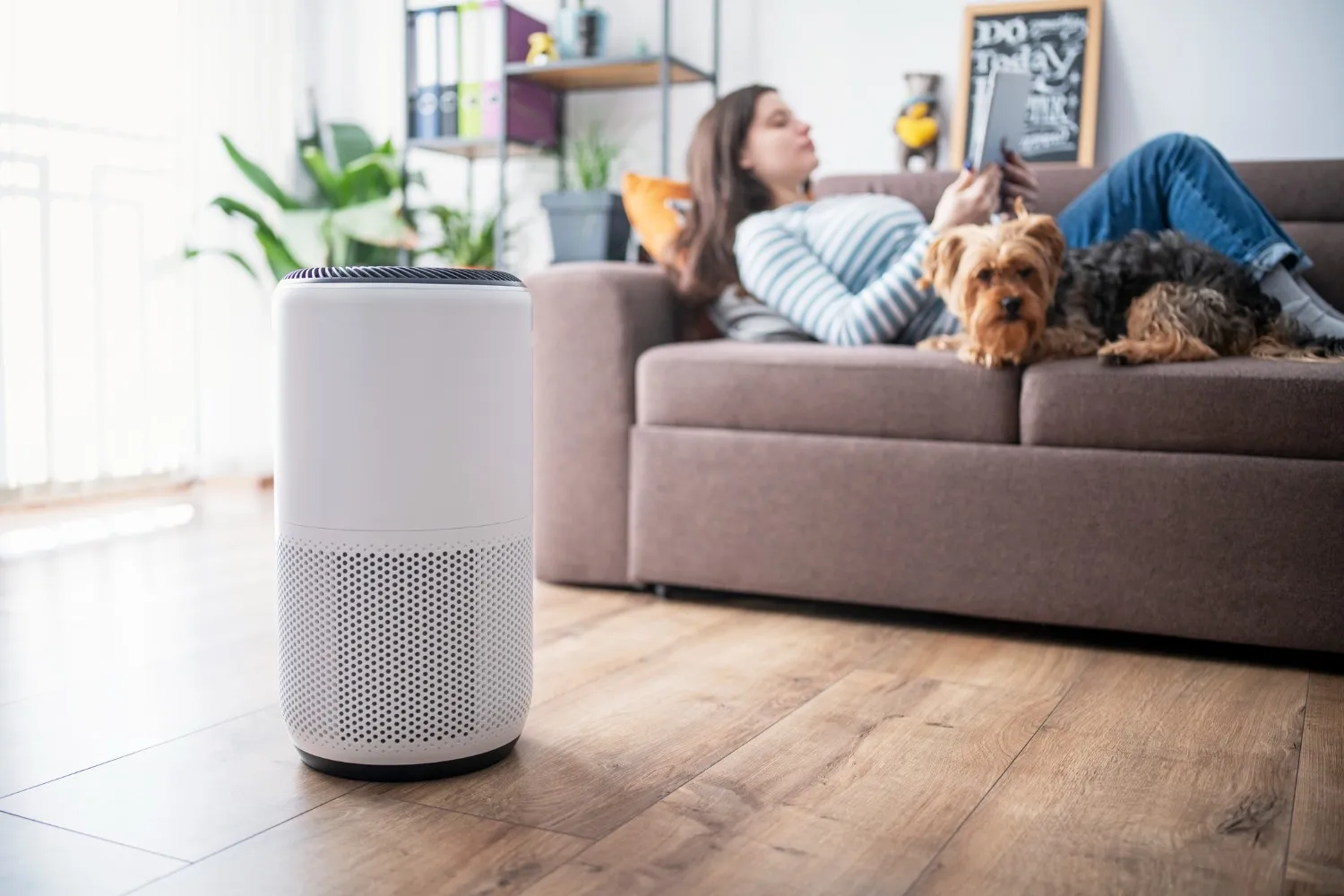
Indoor air pollution is a serious concern that often goes unnoticed until health symptoms arise. While the air outside in Emerald Isle may feel fresh and breezy, modern homes are built to be airtight for energy efficiency. This construction style is excellent for keeping conditioned air inside, but it also traps pollutants, moisture, and allergens, allowing them to accumulate to dangerous levels.
Without proper ventilation and filtration, the concentration of indoor pollutants can be two to five times higher than outdoor levels. This accumulation creates a stagnant environment where bacteria, viruses, and mold can thrive. Professional air quality testing cuts through the ambiguity. It provides a scientific snapshot of what you and your family are breathing, moving beyond basic assumptions to concrete evidence.
Common Contaminants Detected During Testing
A comprehensive air quality test looks for a variety of pollutants that affect health and home integrity.
- Biological Pollutants: This category includes mold spores, pollen, pet dander, dust mites, bacteria, and viruses. In humid coastal environments, biological growth is the most frequent offender.
- Volatile Organic Compounds (VOCs): These are gases emitted from certain solids or liquids. Common sources include paints, lacquers, cleaning supplies, pesticides, building materials, and furnishings. High VOC levels can cause eye, nose, and throat irritation, headaches, and nausea.
- Carbon Monoxide and Dioxide: Improperly functioning combustion appliances (gas stoves, furnaces) can leak these gases. Elevated carbon dioxide levels indicate poor ventilation, leading to drowsiness and headaches, while carbon monoxide is a deadly, odorless gas.
- Particulate Matter: These are microscopic particles of dust, dirt, soot, or smoke. When inhaled, these particles can settle deep in the lungs, aggravating asthma and other respiratory conditions.
- Humidity and Moisture Levels: While not a pollutant itself, uncontrolled humidity is the catalyst for mold growth and dust mite proliferation. Testing measures relative humidity to determine if the environment is supporting biological contaminants.
How the Testing Process Works
Professional air quality testing is a structured process designed to gather representative samples of your home's environment. It is not a quick visual check but a thorough investigation using calibrated equipment.
Initial Consultation and Visual Inspection
The process begins with an assessment of the property. Technicians look for visible signs of moisture intrusion, mold growth, or ventilation issues. They examine the HVAC system, ductwork, and areas prone to dampness, such as crawl spaces or basements. This visual data helps determine where to place sampling equipment for the most accurate results.
Air and Surface Sampling
Once the strategy is set, the physical collection of data begins.
- Air Sampling: Technicians use specialized pumps to pull a specific volume of air through a cassette or filter. This captures airborne particles, including mold spores and allergens. Samples are typically taken from the area of concern and a control sample from the outdoors for comparison.
- Surface Sampling: If visible mold or suspicious substance is present on walls, floors, or furniture, technicians may use swabs or tape lifts to collect a sample. This helps identify the specific genus of mold and whether it is actively growing.
- Real-Time Monitoring: Some equipment provides immediate readings for particulate matter, VOCs, temperature, and humidity. These real-time data points offer instant insight into the current state of the environment.
Laboratory Analysis and Reporting
Collected samples are sealed and sent to an accredited third-party laboratory. Microbiologists and chemists analyze the samples to identify the types and concentrations of contaminants present. The final product is a detailed report. This document explains exactly what was found, compares the levels to safety standards, and provides a clear baseline for necessary remediation or HVAC adjustments.
Interpreting Results: When Action is Required
Receiving the test results is the pivotal moment in the process. A report showing elevated levels of contaminants requires immediate action to protect the occupants of the home. The data dictates the solution.
- High Humidity: If the report indicates relative humidity consistently above 50-60%, the solution may involve installing a whole-home dehumidifier or repairing leaks in the building envelope.
- Mold Spores: The presence of mold spores, particularly those not found in the outdoor control sample, usually indicates an active moisture problem. Remediation involves removing the mold source and fixing the moisture entry point.
- Elevated VOCs: High chemical readings often require increased ventilation. This might mean installing an Energy Recovery Ventilator (ERV) to swap stale indoor air with fresh outdoor air without losing energy efficiency.
- Particulate Matter: High dust and allergen counts suggest that the current HVAC filtration is inadequate. Upgrading to high-efficiency media filters or installing electronic air cleaners can resolve this issue.
Airtech Mechanical Service Inc. uses these findings to recommend specific, targeted interventions rather than generic "one-size-fits-all" products. This ensures that homeowners invest only in the equipment or repairs necessary to solve their specific air quality puzzle.
The Coastal Factor: Managing Emerald Isle's Climate
Living in Emerald Isle presents unique challenges regarding indoor air quality due to the specific climate conditions of the North Carolina coast. The region experiences hot, humid summers and mild winters, combined with high annual precipitation.
Humidity and Mold Control
The most significant battle for coastal homeowners is moisture. The humid subtropical climate means that outdoor air carries a high moisture content for much of the year. When this warm, moist air infiltrates a cool, air-conditioned home, condensation can occur inside walls, ductwork, and on cold surfaces. This creates the perfect breeding ground for mold and mildew.
Standard air conditioners remove some humidity, but they are primarily designed to control temperature. In many cases, an AC unit will satisfy the thermostat setting and shut off before it has removed enough moisture from the air. Air quality testing reveals if your home is suffering from "short cycling" or if the humidity load is simply too high for the current HVAC system to handle alone.
Salt Air and Corrosion
Coastal air contains salt aerosols. While salt air is generally not a toxic pollutant, it accelerates corrosion on HVAC coils and electronic components. Corroded systems operate less efficiently and can become sites for microbial growth if drainage pans rust and fail to drain properly. Regular testing and inspections ensure that the physical degradation of the system isn't contributing to poor air quality.
Seasonal Allergens
The mild climate means a longer growing season for many plants, extending the duration of pollen seasons. Additionally, the damp environment supports dust mites year-round. Testing can pinpoint if the "stuffy" feeling in a home is due to chemical off-gassing or biological allergens, allowing for the correct filtration strategy to be implemented.
Professional Testing vs. DIY Kits
Homeowners often consider over-the-counter DIY test kits as a first step. While these kits are inexpensive, they often lack the accuracy and context required to make informed decisions about home health.
Limitations of DIY Options
Most DIY mold kits use a "settle plate" method, which is a petri dish left open to the air. Spores that are heavy enough to fall out of the air land on the dish and grow.
- Lack of Quantification: These kits cannot tell you how many spores are in the air, only that some spores exist. Since mold is naturally present everywhere, a positive result on a petri dish is often meaningless without volume data.
- No Airflow Calibration: DIY kits do not actively pull air across the medium. They miss lighter, smaller particles that remain suspended in the air and are arguably more dangerous when inhaled.
- False Alarms or False Security: Without a control sample from the outdoors, it is impossible to know if the indoor environment is worse than the outside.
The Professional Advantage
Professional testing utilizes calibrated pumps that draw a known volume of air (e.g., 15 liters per minute) over a set time. This allows the lab to calculate the exact concentration of contaminants per cubic meter of air. Professionals also understand building science, they know where to test (near return vents, in bedrooms, near potential leaks) to get a representative sample. The interpretation of the data is just as valuable as the data itself; understanding the difference between a harmless background level and a toxic infestation requires experience and training.
Signs You Need an Air Quality Test Now
Waiting until health issues become severe is not the ideal strategy. Certain triggers indicate that an immediate assessment is necessary to prevent long-term damage to both health and property.
- Persistent Odors: Musty, chemical, or stale smells that do not go away with cleaning suggest a hidden source of contamination.
- Visible Condensation: Water droplets on windows, pipes, or walls indicate humidity levels are out of control.
- Recent Water Damage: If the home has experienced leaks, flooding, or roof damage from tropical storms, testing is essential to ensure mold has not taken hold behind drywall or under flooring.
- Real Estate Transactions: Before buying a home in a coastal area, an air quality test can reveal hidden moisture issues that a standard home inspection might miss.
- New Renovations: Remodeling can release asbestos, lead dust, or high levels of VOCs from new flooring and paint. Testing ensures the air is safe after construction concludes.
- Unexplained Health Symptoms: If family members experience fatigue, dizziness, or respiratory irritation that improves when they leave the house, the building is likely the cause.
Ensuring Your Home is Safe
Clean air is a fundamental component of a safe home. The invisible nature of indoor pollutants means that reliance on smell or sight is insufficient. Through advanced diagnostic tools and laboratory analysis, homeowners can identify the exact nature of their air quality issues.
Whether the solution involves installing whole-home dehumidification to combat the Emerald Isle humidity, upgrading filtration to trap allergens, or remediating a specific mold issue, the process starts with accurate data. Do not let poor air quality compromise your quality of life or the value of your property.
Call Us Now!
Take control of your indoor environment. Secure the health of your family by validating the air you breathe. Schedule your comprehensive air quality test today to breathe easier and live better.
Other Services