

Air Quality Testing in Beaufort, NC
Struggling with indoor air pollution in Beaufort, NC? Schedule a professional air quality assessment today to improve your home's air and well-being. Learn more.
Breathing Problems at Home? Could Be Your Air Quality
Feeling the effects of poor air quality in your home can be distressing. From allergies to asthma, the air you breathe indoors might be impacting your health more than you realize, especially given the humid conditions often found in Beaufort, NC. Contact us today to schedule a professional indoor air quality assessment for your home.
We provide a direct path to cleaner air through:
- Comprehensive air quality testing that identifies specific pollutants.
- Tailored solutions including air purifiers and filters to meet your home's needs.
- Professional installation and maintenance for ongoing indoor air comfort.
Licensed and equipped to enhance your indoor air quality, ensuring peace of mind with every service.
What to Expect During a Professional Air Quality Assessment
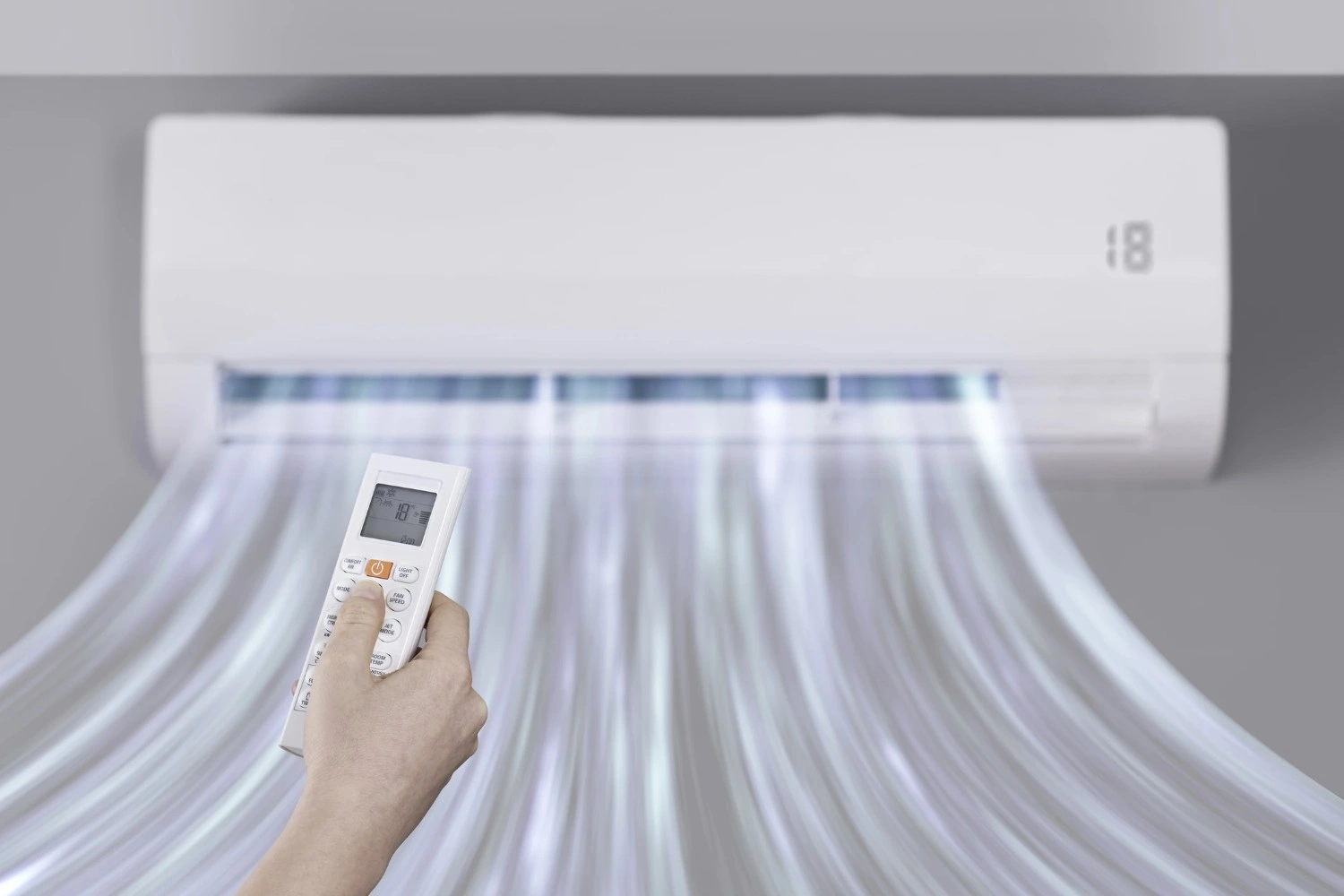
When you decide to investigate the air inside your home, you are looking for data, not guesswork. A professional assessment goes far beyond what a standard off-the-shelf DIY kit can provide. The goal is to identify the microscopic contaminants and invisible gases that circulate through your HVAC system and settle in your living spaces.
The scope of a professional test involves a multi-point inspection. Technicians do not simply walk in and sniff the air; they utilize advanced monitoring equipment designed to detect specific concentrations of pollutants. This includes particulate matter like dust, dander, and pollen, but it also extends to chemical compounds. Volatile Organic Compounds (VOCs) are common in many homes, off-gassing from carpets, paint, and cleaning supplies. In a closed environment, these can reach concentration levels that cause headaches and respiratory irritation.
Another major component of the assessment is biological testing. This is particularly relevant for residents in coastal areas where moisture levels fluctuate. The testing process looks for mold spores, bacteria, and dust mites. High humidity levels often encourage biological growth inside ductwork or in crawl spaces, which then gets distributed throughout the house whenever the AC kicks on. The assessment identifies the source of the growth, not just the presence of it in the air.
You also receive a comprehensive analysis of your ventilation effectiveness. Modern homes are built tightly to conserve energy, but this often traps stale air inside. The assessment measures carbon dioxide levels and humidity percentages to determine if your home is exchanging indoor air with fresh outdoor air at an appropriate rate. The final deliverable is a detailed report outlining exactly what is in your air, the concentration levels compared to safety standards, and a clear roadmap for remediation.
How the Testing and Analysis Process Works
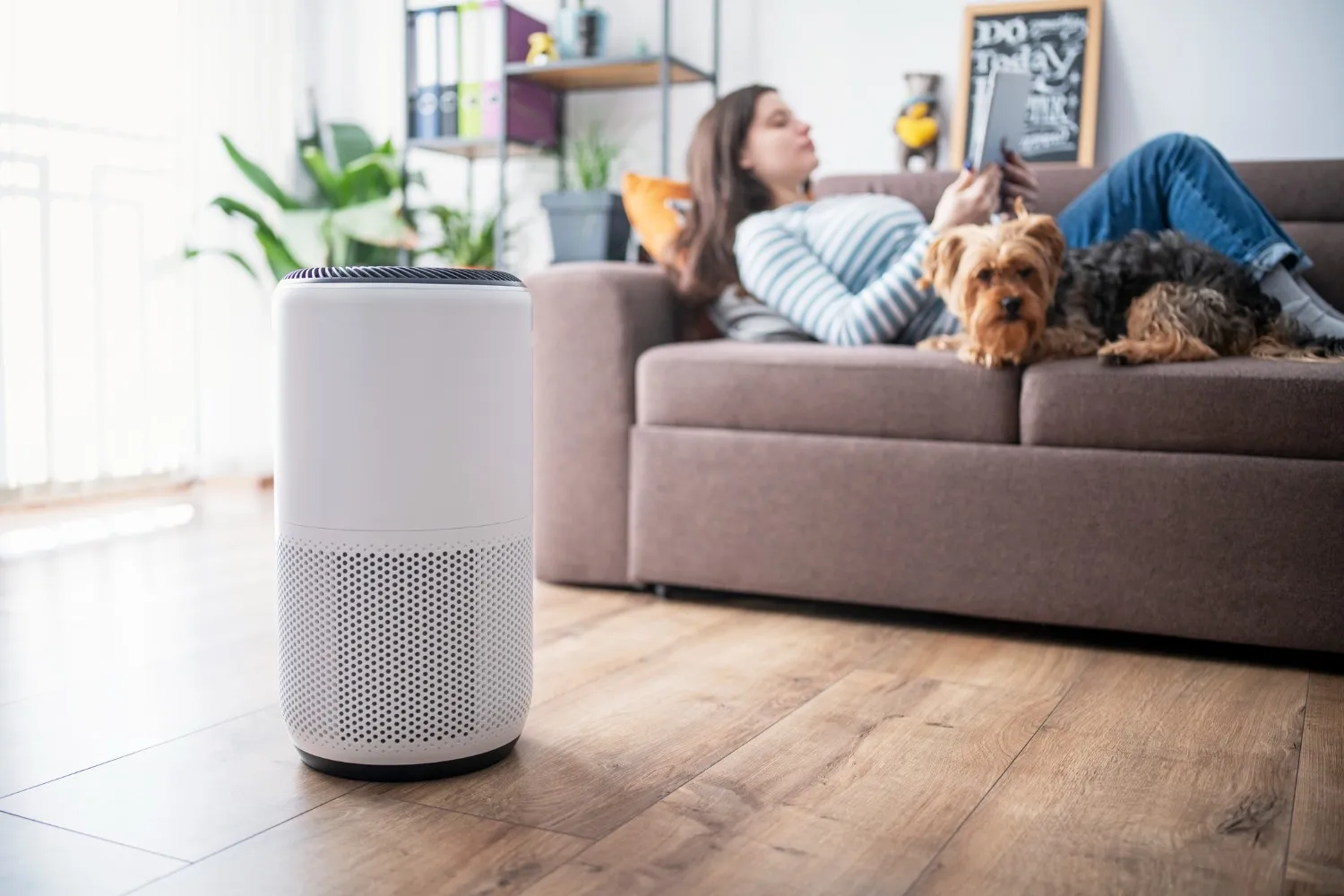
The process of improving your indoor environment follows a structured, scientific approach. It is designed to be non-intrusive while gathering the necessary data to make informed decisions about your home's mechanical systems.
Initial Consultation and Visual Inspection:
The process begins with a thorough walkthrough of the property. Technicians look for visible signs of moisture intrusion, condensation on windows, discoloration on vents, or dust buildup around registers. This step helps identify potential "hot spots" where air quality issues may originate, such as a damp basement or a poorly ventilated attic.
Sample Collection and Monitoring:
Next, specialized equipment is deployed to collect air samples. This may involve continuous monitoring devices left for a short period to track fluctuations in humidity and particulate matter, or "grab samples" that capture a volume of air for laboratory analysis. Surface samples may also be taken if mold growth is suspected on specific building materials.
Laboratory Analysis and Data Interpretation:
Airtech Mechanical Service Inc. utilizes precise data interpretation methods. Samples are often analyzed to determine the exact strain of mold or the specific chemical composition of VOCs present. This step is crucial because different pollutants require different removal strategies. For example, a heavy concentration of dust requires different filtration than a high level of formaldehyde or benzene.
Review of Findings and Solution Strategy:
Once the data is processed, the findings are presented clearly. The focus shifts from identification to solution. This is not a generic sales pitch but a technical recommendation based on the hard numbers from the report. If humidity is the driver, the solution involves dehumidification. If particulates are the issue, the solution involves high-efficiency filtration.
Implementation of Remediation Measures:
The final phase is the installation or adjustment of equipment. This might involve integrating a UV germicidal light into the existing HVAC system, installing a whole-home air purifier, or adjusting the ventilation intake. The goal is to alter the mechanical operation of the home to actively combat the pollutants identified during testing.
Signs You Should Prioritize Air Quality Testing
Deciding when to move from suspicion to action can be difficult, as air quality issues are often invisible. However, your home and your body often give clear signals that the environment is compromised. Recognizing these signs early allows for faster remediation and prevents long-term exposure to harmful elements.
Persistent Respiratory Issues:
If family members experience allergies, coughing, sneezing, or congestion that seems to worsen when they are inside the house and improve when they leave, the indoor air is likely the culprit. This is often referred to as "Sick Building Syndrome."
Unexplained Odors:
Musty, stale, or chemical smells that do not go away with cleaning suggest a persistent source. A musty smell almost always indicates hidden mold growth or standing water, while chemical odors may suggest off-gassing from building materials or issues with gas appliances.
Excessive Dust Buildup:
If you find yourself dusting constantly, or if you see dust accumulating on vent covers shortly after cleaning, your filtration system is failing, or your ductwork is compromised. This dust is what you are breathing in every day.
Humidity Issues and Condensation:
In humid climates, seeing condensation on the inside of windows or feeling a "sticky" sensation on surfaces indicates that the HVAC system is not effectively removing moisture. Excess moisture is the primary fuel for mold and dust mites.
Recent Renovations or New Furniture:
New flooring, fresh paint, and new cabinetry release high levels of VOCs for months after installation. If you have recently remodeled, testing ensures that these chemical levels are being properly ventilated and filtered out of the living space.
Addressing Coastal Climate Challenges
Living in Beaufort brings specific environmental factors that directly influence indoor air quality. The humid subtropical climate means that moisture control is not optional; it is a necessity. High ambient humidity creates a constant battle against biological growth. When outdoor humidity remains high for extended periods, standard air conditioning units often struggle to remove enough moisture without over-cooling the house. This imbalance leads to cold, clammy indoor air that is perfect for mold proliferation.
Testing in this region often focuses heavily on relative humidity levels and the dew point within the home. The North Carolina Department of Environmental Quality and other regional bodies emphasize the importance of maintaining indoor humidity below 50% to inhibit mold growth. Professional testing verifies whether your current system is achieving this metric or if supplemental dehumidification is required.
Seasonality also plays a major role. During the hurricane season in late summer and fall, heavy precipitation increases the risk of water intrusion in crawl spaces and attics. Even minor leaks can lead to major air quality degradation if not detected. Conversely, during the milder winters, homes are kept sealed tight to retain heat. This lack of ventilation means that any pollutants generated inside, from cooking, cleaning, or pet dander, are trapped and recirculated.
Local building codes and standards in Eastern North Carolina increasingly recognize the importance of ventilation. Professional services adhere to these standards, ensuring that any modifications made to improve air quality, such as installing fresh air intakes or energy recovery ventilators, are compliant with local regulations and suitable for the specific load calculations of the home.
Why Precision Matters in Air Analysis
There is a significant difference between guessing at a problem and scientifically diagnosing it. Many homeowners attempt to solve air quality issues by purchasing standalone HEPA filters from a big-box store. While these units can help, they are often band-aids that do not address the root cause. If the source of the problem is a leaky return duct pulling in fiberglass and mold from the attic, a portable air purifier will never solve the issue.
Professional testing provides the blueprint for a permanent solution. It distinguishes between a ventilation problem, a filtration problem, and a humidity problem.
Targeted Filtration:
Instead of guessing at the MERV rating you need, testing reveals the particle size of the contaminants. This dictates whether you need a standard media filter or a hospital-grade filtration system capable of trapping viruses and bacteria.
HVAC Integration:
Portable units only clean the air in one room. Data-driven solutions focus on whole-home integration. By installing purification and dehumidification systems directly into the central HVAC ductwork, every cubic foot of air circulating through the home is treated.
Energy Efficiency:
Poor air quality is often linked to system inefficiency. Leaky ducts that let in dust also let out conditioned air. High humidity makes the air feel warmer, causing you to lower the thermostat and waste energy. addressing air quality often lowers utility bills by creating a more efficient, sealed, and controlled environment.
Long-Term Health Protection:
The ultimate differentiator is the protection of the home’s occupants. By identifying dangerous pollutants like radon, carbon monoxide, or black mold, professional testing serves as a critical safety measure for the family.
Secure Your Home’s Air Health
Your home should be a sanctuary, not a source of respiratory stress. Ignoring the signs of poor air quality can lead to long-term health issues and degradation of your property’s interior. By choosing professional testing, you move from uncertainty to action, ensuring that every breath you take inside your home is clean and safe.
Airtech Mechanical Service Inc. provides the expertise and technology required to diagnose and resolve even the most complex indoor air quality challenges. Do not wait until symptoms worsen or odors become unbearable.
Take control of your indoor environment today by scheduling a professional air quality test.
Other Services