

HVAC Service in Havelock, NC
Immediate HVAC solutions for high humidity and system failures in Havelock. Get professional diagnostics, 24/7 emergency responses, and expert installation. Call now!
High Humidity and System Failures Require Immediate HVAC Solutions
Battling Havelock's high humidity or getting ready for the hurricane season can challenge any HVAC system, leading to unexpected breakdowns when you need cooling or heating the most. Whether it's a full system failure or a preventive check-up, your comfort cannot wait, so call Airtech Mechanical Service Inc. immediately or apply for financing to restore your system today.
- Rapid response teams available 24/7 for HVAC emergencies.
- Expert installations and maintenance grounded in decades of local experience.
- Competitive pricing with clear, upfront estimates.
Fully licensed and insured, with flexible financing options available.
Comprehensive HVAC Service and Diagnostics
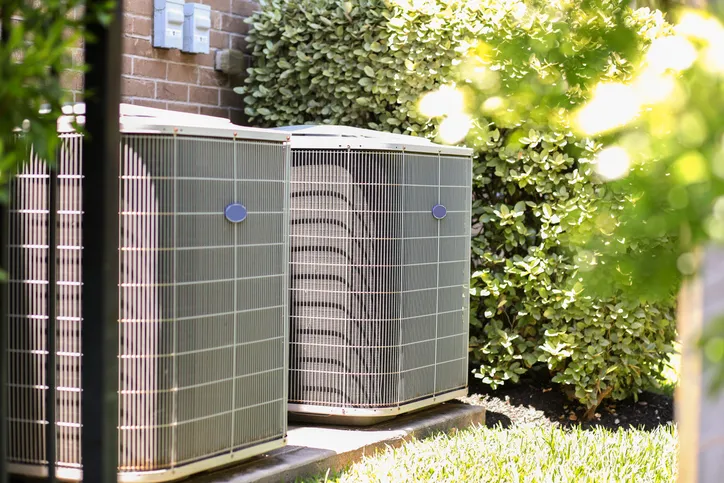
When an HVAC system falters in Havelock, the immediate priority is identifying the root cause of the inefficiency or failure. A professional service call involves a systematic evaluation of the entire heating and cooling infrastructure. The goal is not merely to patch a problem but to restore the system to manufacturer specifications. Airtech Mechanical Service Inc. employs a rigorous diagnostic protocol to ensure every component functions correctly. Schedule service today.
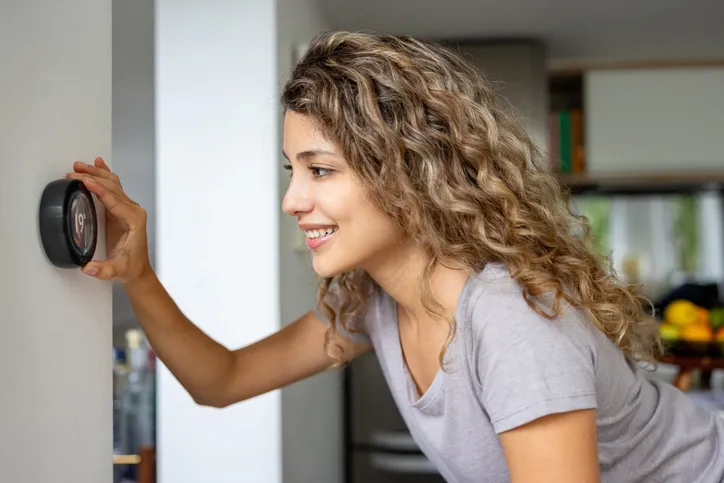
The diagnostic process begins with an assessment of the thermostat and control systems. Technicians verify that the user interface is communicating correctly with the air handler and the outdoor condenser. Modern systems often utilize digital communication paths that require specific calibration. If the thermostat is functioning, the focus shifts to airflow. Restricted airflow is a primary cause of system icing and compressor failure. Technicians measure static pressure across the filter and the evaporator coil to ensure that air is moving freely through the ductwork.
Electrical components undergo strict testing. This includes checking the voltage and amperage on all motors and the compressor. A capacitor that is operating outside of its rated microfarad range can cause motors to overheat and fail prematurely. Contactor points are inspected for pitting or carbon buildup, which can lead to voltage drops and eventual component failure. Furthermore, all wiring connections are tightened to prevent arcing or thermal damage.
Refrigerant levels are critical for proper heat exchange. Technicians attach gauges to measure subcooling and superheat levels. These metrics indicate exactly how much refrigerant is in the system and how well the coil is absorbing or rejecting heat. If the levels are low, it indicates a leak that must be located and repaired before recharging. Simply adding refrigerant to a leaking system is a temporary fix that violates EPA regulations and wastes money.
Routine service also includes clearing the condensate drain line. In a humid climate, an air conditioner removes a significant amount of moisture from the air. This water must drain away from the home. Algae and biological growth can block these lines, leading to water damage in ceilings or floors. A thorough cleaning ensures this moisture is evacuated properly.
The Installation and Replacement Process
Replacing a heating and cooling system is a construction project that requires precise engineering and execution. The process moves beyond simply swapping boxes; it involves integrating a new mechanical system into an existing structure. A successful installation ensures the equipment runs efficiently and lasts for its intended lifespan.
- Load Calculation: The first step is always a Manual J load calculation. This engineering standard calculates the exact amount of heating and cooling energy a specific structure requires. Factors such as square footage, window direction, insulation levels, and local weather patterns in Havelock dictate the size of the unit. Oversized units cycle on and off too frequently, failing to dehumidify, while undersized units run constantly without reaching the set temperature.
- Ductwork Assessment: Before new equipment is installed, the existing air distribution system is evaluated. Leaky or collapsed ducts will ruin the efficiency of a high-SEER system. Modifications may be necessary to the supply and return plenums to accommodate the airflow requirements of the new unit.
- Equipment Selection: Based on the load calculation, specific equipment is selected. This includes matching the condenser with the correct indoor coil and furnace or air handler. In many local homes, heat pumps are a preferred choice due to the mild winters, but dual-fuel systems (heat pump paired with a gas furnace) offer efficiency options for colder nights.
- Site Preparation: Technicians protect the workspace with drop cloths and safety gear. The old refrigerant is recovered according to environmental laws, and the old equipment is disconnected from electrical and gas lines.
- Installation: The new outdoor unit is leveled on a composite pad or raised on hurricane straps if required. The indoor unit is sealed to the ductwork to prevent air leakage. Refrigerant lines are brazed with nitrogen flowing through the copper to prevent oxidation, a critical step for modern refrigerants like R-410A.
- Commissioning: Once physically installed, the system is not just turned on; it is commissioned. This involves adjusting blower speeds to match static pressure requirements, charging the system with the precise amount of refrigerant, and verifying temperature splits.
Determining When Replacement Beats Repair
Homeowners often face the difficult choice between repairing an aging unit or investing in a new system. This decision relies on mathematical and mechanical realities rather than guesswork. Making the right choice depends on the age of the unit, the cost of the repair, and the future reliability of the equipment.
One standard industry metric is the "50% Rule." If the cost of the repair approaches 50% of the value of the system (or the cost of a new system), replacement is generally the wiser financial move. For example, replacing a compressor in a 12-year-old unit is rarely cost-effective. The rest of the system remains old, and other components like the fan motor or coils are likely to fail soon after.
The age of the system is a primary factor. In the local area, the combination of heat, humidity, and salt air can accelerate corrosion. Systems over 10 to 12 years old have often surpassed their peak efficiency. Modern systems adhere to higher SEER2 (Seasonal Energy Efficiency Ratio) standards. Replacing a 10 SEER unit with a 15 SEER system can result in significant energy savings, which helps offset the monthly cost of a new installation.
Refrigerant type also dictates this decision. Older systems utilizing R-22 refrigerant are becoming obsolete. R-22 is no longer manufactured, making repairs involving refrigerant charge prohibitively expensive. If an older system develops a leak, replacement is almost always the only viable option.
Frequency of breakdowns is the final indicator. If a system requires multiple service calls in a single year, it has become unreliable. The cumulative cost of service fees and minor repairs often exceeds the monthly payment of a financed new system. Moving to a new unit provides warranty protection, usually covering parts for 10 years, which eliminates the financial unpredictability of an aging system.
Navigating Local Requirements and Seasonality
Operating HVAC equipment in Havelock requires adherence to specific local considerations that differ from other regions. The climate and regulatory environment dictate how systems must be installed and maintained to ensure safety and compliance.
- Permitting and Inspections: Major HVAC work, including replacements and significant duct modifications, requires a mechanical permit. This ensures that the installation meets the North Carolina building code. Third-party inspections protect the homeowner by verifying that electrical connections are safe, gas lines are pressure-tested, and the system is properly sized.
- Hurricane Preparedness: The region is susceptible to tropical storms and hurricanes. HVAC installations must account for high wind loads. Outdoor units should be secured to their concrete pads or stands using approved tie-down straps or bolts. This prevents the unit from shifting or tipping during severe weather, which could rupture refrigerant lines or electrical whips.
- Humidity Management: The humid subtropical climate means that air conditioning is primarily a dehumidification process. Systems must be set up to run long enough to pull moisture out of the air. If a system is short-cycling, the home will feel cool but clammy. Specialized thermostats and variable-speed air handlers can be programmed to prioritize humidity removal, improving indoor air quality and preventing mold growth.
- Corrosion Protection: Proximity to the coast introduces salt spray into the air. This accelerates the corrosion of aluminum fins and copper tubing on outdoor units. Applying coastal coating protections or selecting units with all-aluminum coils can extend the life of the equipment in this environment.
Why Technical Precision Matters
The longevity and efficiency of any heating and cooling system depend almost entirely on the quality of the service and installation. A top-tier unit installed poorly will perform worse than a mid-range unit installed perfectly. The difference lies in the technical details, brazing techniques, vacuum levels during evacuation, and airflow calibration.
Technicians trained in advanced diagnostics do not guess. They utilize digital manifolds and combustion analyzers to see exactly what is happening inside the system. This precision prevents "parts changing," where components are swapped out hopefully rather than logically. It ensures that the problem is fixed the first time.
Furthermore, a focus on the entire building envelope ensures that the HVAC system works with the house, not against it. Understanding how insulation, windows, and ductwork interact allows for solutions that improve overall comfort rather than just blowing cold air. Airtech Mechanical Service Inc. focuses on this holistic approach to building science.
Secure Your Comfort and Efficiency
Maintaining a reliable indoor environment requires proactive care and timely decisions regarding repair or replacement. Delaying necessary service often leads to higher energy bills and catastrophic failures during peak weather conditions. Whether you require a complex diagnosis, a routine safety check, or a complete system modernization, professional execution is the key to long-term performance.
Ensure your home remains comfortable regardless of the forecast. Contact us today regarding your next project.
Other Services