

HVAC Installation in Pine Knoll Shores, NC
Need immediate HVAC installation in Pine Knoll Shores? Contact us now for fast, professional service, and flexible financing options to enhance your comfort.
Immediate HVAC Installation: Stay Cool and Comfortable
Struggling with an unreliable or broken HVAC system in Pine Knoll Shores? Get rapid, professional installation to ensure your comfort by contacting us immediately to schedule a consultation or discuss flexible financing options.
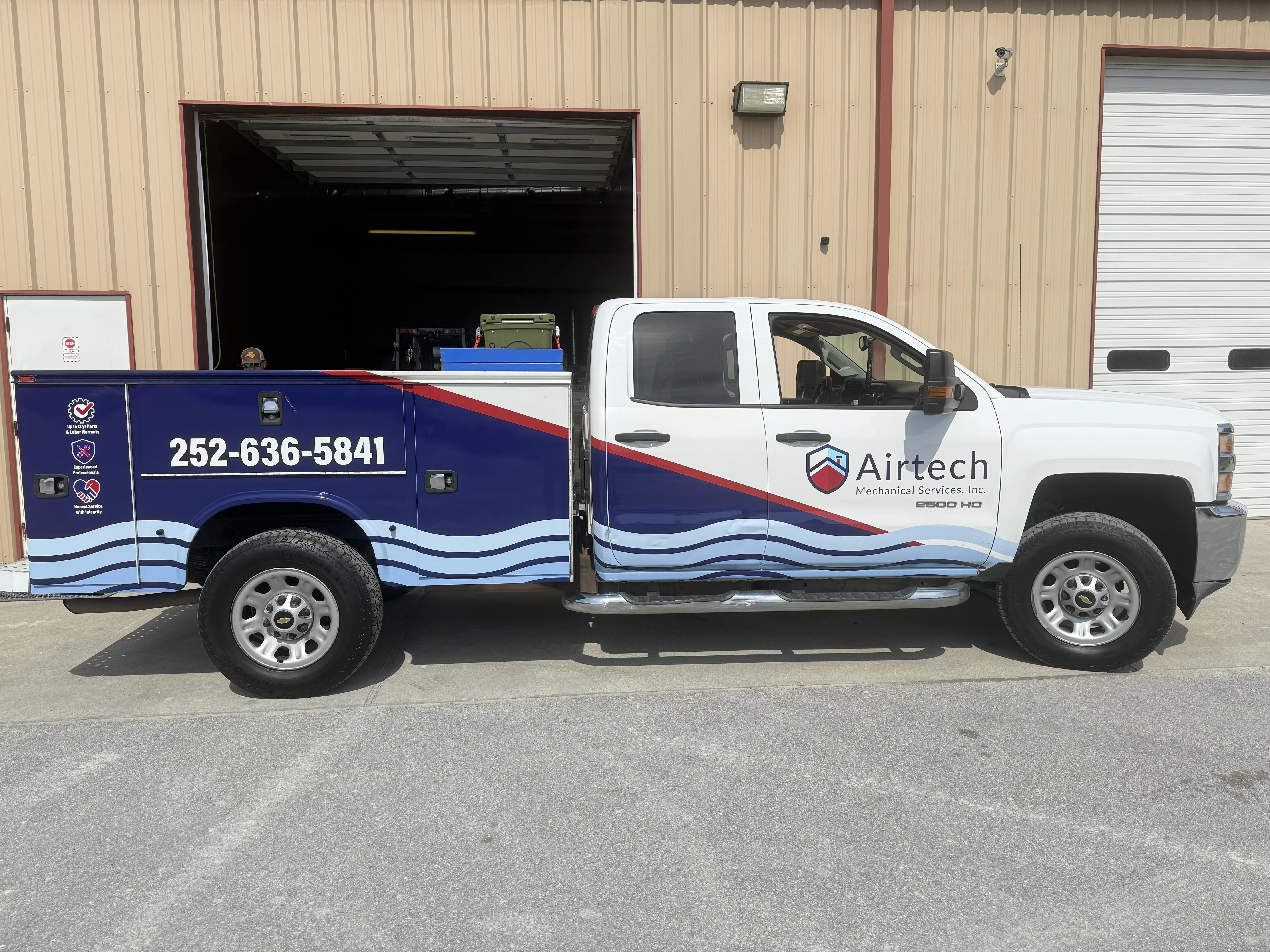
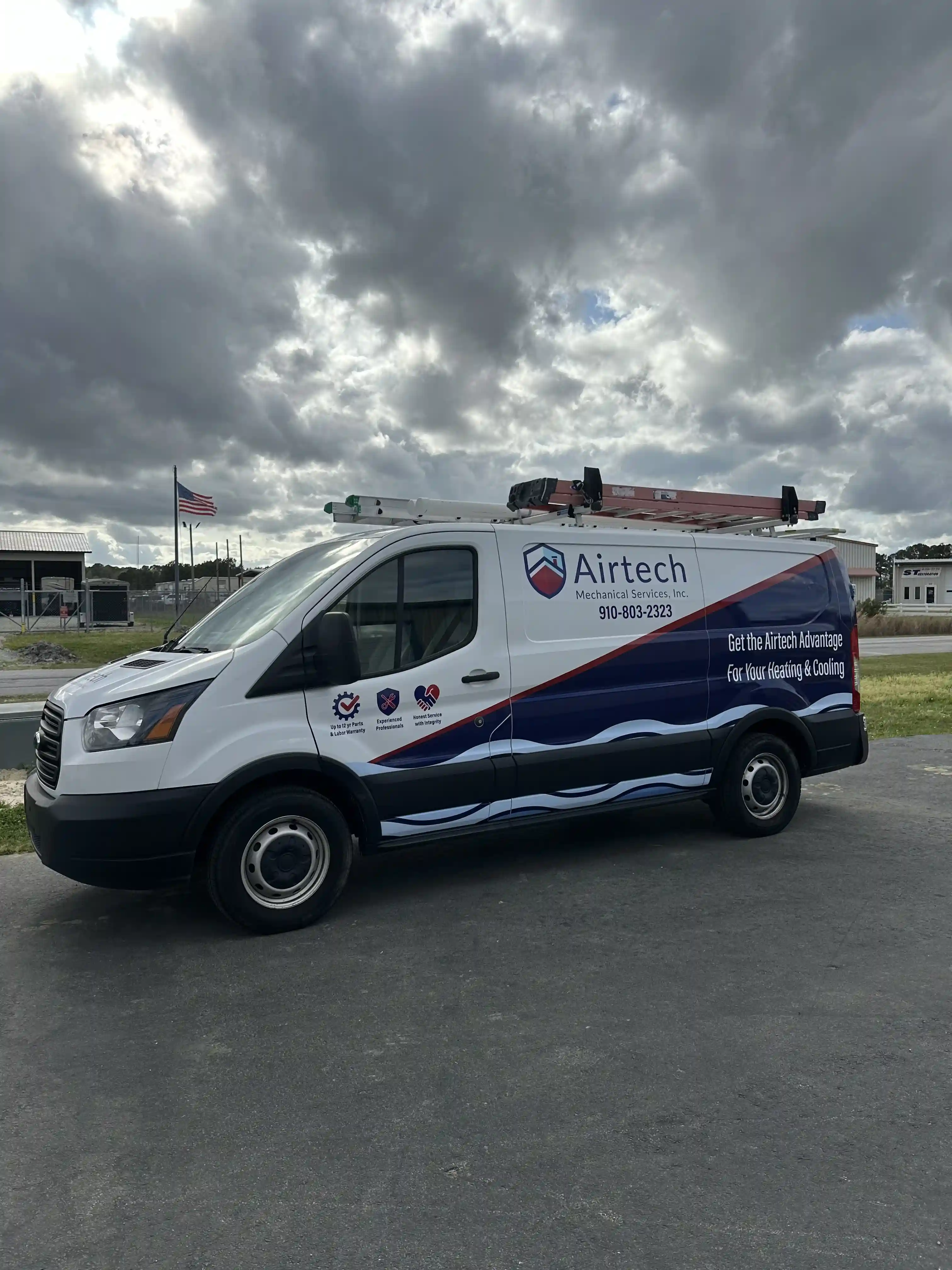
When your cooling system fails during the peak of humid North Carolina weather, waiting days for a solution is not an option. You need a partner who understands the urgency of restoring climate control to your home. Airtech Mechanical Service Inc. provides decisive, technical solutions to replace failing units with high-efficiency systems designed to withstand local coastal conditions.
- Fast consultation and same-day installation services available.
- Comprehensive warranties and straightforward financing options.
- Energy-efficient systems meeting all local codes and rebates.
All installations are fully licensed, meeting local codes with available financing to make it hassle-free.
Professional System Design and Implementation
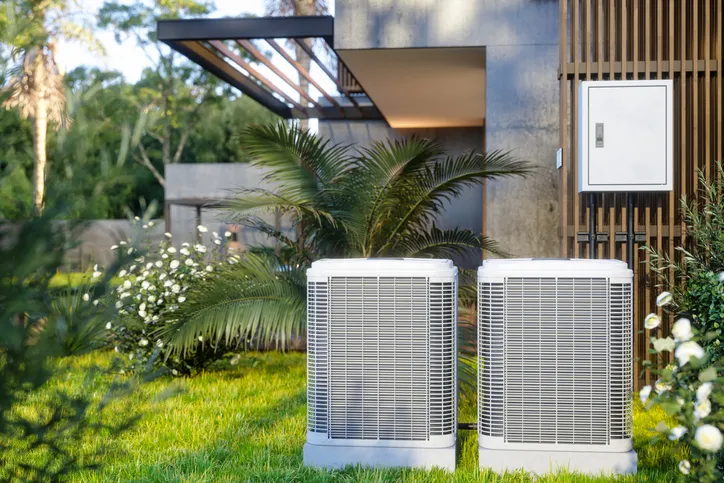
Replacing an HVAC system involves far more than swapping one metal box for another. It requires a comprehensive assessment of your home’s thermal properties, existing ductwork infrastructure, and specific comfort requirements. In the coastal environment of Pine Knoll Shores, where humidity levels remain high throughout the year, the design of your system dictates your long-term comfort and energy bills.
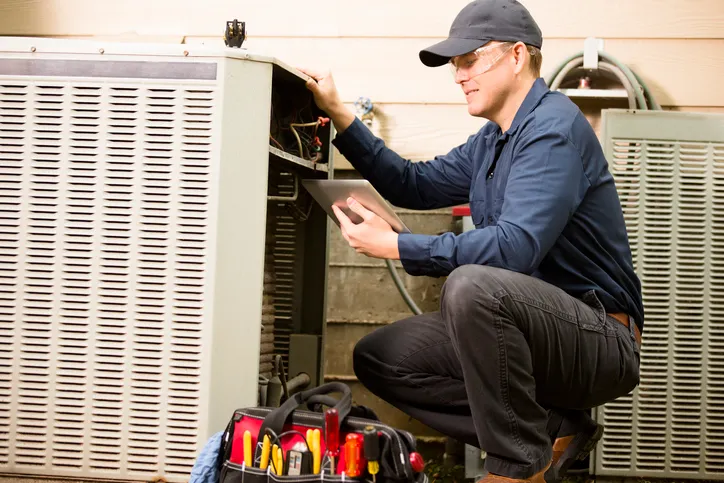
A professional installation begins with a Manual J load calculation. This technical assessment ensures the new unit is sized precisely for the square footage and insulation levels of the property. An oversized unit will short-cycle, cooling the air too quickly without removing humidity, leading to a clammy indoor environment and increased wear on the compressor. Conversely, an undersized unit will run continuously without ever reaching the set temperature, driving up electricity costs.
Modern installation services include a thorough evaluation of air quality goals. Standard systems filter out dust, but for homeowners concerned with allergens or mold, common issues in humid climates, integrated solutions such as whole-home dehumidifiers or UV light purifiers can be added during the installation phase. This proactive approach ensures that the new system delivers not just cold air, but clean, healthy air.
The scope of a professional replacement includes the safe removal and disposal of the old unit, adherence to EPA regulations regarding refrigerant handling, and the calibration of the new thermostat. Whether upgrading to a high-SEER central air conditioner or a variable-speed heat pump, the focus remains on optimizing the equipment for maximum efficiency from day one.
The Installation Workflow: From Assessment to Airflow
Understanding the sequence of events helps homeowners prepare for the installation day. A structured workflow ensures that no detail is overlooked and that the system performs according to manufacturer specifications immediately upon startup.
Site Preparation and Protection
- Technicians arrive and lay down drop cloths and floor protectors to ensure your home remains clean.
- The workspace around the indoor and outdoor units is cleared to allow safe access for heavy lifting and electrical work.
- Power to the existing HVAC circuits is shut off at the breaker panel for safety.
Refrigerant Recovery and Removal
- Certified technicians connect recovery machines to the old unit to safely remove existing refrigerants.
- This step is critical for environmental compliance and prevents harmful chemicals from venting into the atmosphere.
- Once empty, the old condenser (outdoor unit) and evaporator coil (indoor unit) are disconnected and removed from the property.
Modifications and Equipment Placement
- If necessary, the plenum (the box connecting the unit to ductwork) is modified to fit the new, likely more efficient, equipment.
- The new indoor air handler or furnace is positioned and leveled.
- The outdoor pad is inspected. In coastal areas, ensuring a stable, elevated composite pad is vital to prevent corrosion and sinking.
- The new condenser is placed on the pad, ensuring proper clearance for airflow.
Connections and Sealing
- Refrigerant lines (the copper tubing) are either flushed or replaced, then brazed to the new unit using nitrogen to prevent oxidation inside the pipes.
- High-voltage electrical wiring is connected, and a new disconnect box is often installed near the outdoor unit.
- Low-voltage thermostat wiring is connected and tested.
- Duct connections are sealed with mastic or foil tape to prevent air leakage, which is a major source of energy loss.
Vacuum, Charge, and Commissioning
- A vacuum pump removes moisture and air from the refrigerant lines to create a pure environment for the coolant.
- The system is charged with the precise amount of refrigerant specified by the manufacturer.
- Technicians perform a static pressure test to measure airflow resistance and verify the system is moving air efficiently.
- The system is powered on, and a complete cycle is observed to verify temperature differentials and humidity removal.
Determining When to Upgrade Your Climate Control System
Deciding between another repair bill and a full system replacement is a financial analysis that every homeowner eventually faces. While repairs can extend the life of a unit, there is a tipping point where investing in a failing system becomes "throwing good money after bad."
- The 50% Rule: A common metric used in the industry is the 50% rule. If the cost of the repair approaches 50% of the value of a new system, replacement is the more fiscally sound choice. This is particularly true if the current system is out of warranty. Major component failures, such as a blown compressor or a cracked heat exchanger, often fall into this category.
- System Age and R-22 Phase-out: HVAC systems generally last between 10 and 15 years. If your unit is approaching or has surpassed this age range, efficiency losses are likely significant. Older units may also utilize R-22 refrigerant (Freon), which has been phased out due to environmental regulations. Repairing leaks in R-22 systems is becoming prohibitively expensive due to the scarcity of the refrigerant. Upgrading to a modern system utilizes environmentally friendly R-410A or newer refrigerants, which are cheaper and more readily available, scheduled service today.
- Frequency of Breakdowns: If you have required service calls multiple times in the last two years, the system has become unreliable. "Band-aid" repairs often lead to a cascade of failures, where one worn part stresses another. A new installation eliminates the uncertainty of breakdown, providing peace of mind during extreme weather.
- Energy Bill Spikes: A sudden or gradual increase in utility bills without a change in usage habits often indicates the HVAC system is losing efficiency. As internal components wear, motors must work harder and compressors run longer to maintain the same temperature. Replacing a 10-SEER unit with a modern 16-SEER or higher system can result in immediate and substantial reductions in monthly energy costs.
Navigating Coastal Climate Demands and Regulations
Installing HVAC equipment in Pine Knoll Shores requires specific attention to the local environment. The combination of salt air, high humidity, and potential storm activity creates a unique set of challenges that standard installations may not address.
- Corrosion Protection: Salt spray is highly corrosive to standard aluminum and copper coils found in air conditioners. For homes located near the oceanfront or sound side, we recommend equipment with factory-applied coastal coatings or requesting aftermarket coating services. These protective layers prevent the aluminum fins from deteriorating, which would otherwise lead to a rapid loss of heat exchange efficiency and premature system failure.
- Humidity Management: The subtropical climate implies that an air conditioner must act as a dehumidifier just as much as a cooler. Airtech Mechanical Service Inc. emphasizes the importance of variable-speed technology for this region. Unlike single-stage systems that blast cold air at full capacity and then shut off, variable-speed units run at lower capacities for longer periods. This extended run time allows the system to pull more moisture out of the air, keeping the home comfortable at higher thermostat settings and preventing mold growth in ductwork.
- Hurricane Preparedness and Codes: Local building codes in coastal North Carolina are strict regarding wind resistance. Outdoor units must be securely anchored to their pads using approved hurricane straps or brackets. These regulations are not suggestions; they are requirements for passing county inspections. During installation, technicians ensure that all tie-downs meet the specific wind load ratings for the area. Additionally, electrical disconnects must be weather-rated and properly sealed against driving rain.
- Permits and Inspections: Professional installation always includes the procurement of necessary mechanical and electrical permits. This process ensures that a neutral third-party inspector verifies the safety and code compliance of the work. Skipping permits can lead to complications when selling the home or filing insurance claims in the event of storm damage.
Engineering Comfort for Long-Term Efficiency
The difference between a functional system and a high-performance system lies in the details of the installation. Even the most expensive, top-tier equipment will underperform if the ductwork is leaky or the airflow is restricted. BOFU (Bottom of the Funnel) decisions should prioritize contractors who validate their work with data, not just promises.
- Ductwork Integrity: A critical part of the installation process involves inspecting the existing air distribution system. In many older homes, ducts may have separated or insulation may have degraded. Sealing accessible ductwork ensures that the conditioned air you are paying for actually reaches the living spaces, rather than leaking into the attic or crawlspace. This step is often the "low-hanging fruit" of energy efficiency.
- Warranty Registration and Support: Equipment manufacturers offer robust warranties, often covering parts for 10 years or more. However, these warranties are frequently contingent on professional installation and timely registration. A professional service provider handles the product registration on your behalf, ensuring that your investment is protected. Furthermore, labor warranties provided by the installer cover the workmanship, bridging the gap that manufacturer warranties do not cover.
- Smart Thermostat Integration: Modern installations often include the setup of smart thermostats. These devices allow homeowners to monitor usage, set schedules remotely, and even receive alerts if the system performance drops. For vacation homes or rental properties common in the area, this remote access is invaluable for managing energy costs when the property is unoccupied.
Secure Your Home Comfort Today
When the time comes to replace your heating and cooling system, the quality of the installation is just as important as the brand of the equipment. A properly sized, expertly installed unit protects your home from humidity damage, lowers your monthly operational costs, and provides reliable comfort regardless of the forecast.
Don't let a failing system compromise your quality of life or safety. Choose a provider that understands the specific demands of the North Carolina coast and offers the technical expertise to get the job done right the first time. Airtech Mechanical Service Inc. is ready to help you navigate the options and execute a flawless installation.
Update your home with a high-efficiency system today, contact us now to schedule your comprehensive site evaluation and installation.
Other Services