

HVAC Installation in Morehead City, NC
Need quick HVAC installation in Morehead City? Contact Airtech Mechanical for immediate assessment and expert, code-compliant services. Schedule now!
Restore Your Home’s Comfort With Reliable HVAC Installation
Facing unexpected HVAC breakdowns in Morehead City can be overwhelming, leaving your property vulnerable to rising temperatures and unchecked humidity. At Airtech Mechanical Service Inc., we ensure your environment is comfortable again with fast, professional installation services; contact us immediately to schedule an assessment or discuss financing options.
When a system fails completely, waiting days for a resolution is not an option. We prioritize restoring your indoor climate control through efficient, code-compliant replacement procedures.
- Quick Response: Our team is available 24/7 for emergency installations to minimize downtime.
- Expert Installation: Certified and trained technicians ensure high-quality service and correct system sizing.
- Satisfaction Guarantee: Every installation comes with a robust warranty for peace of mind and long-term reliability.
All installations are fully compliant with local codes, with attractive financing options available to fit your budget.
What to Expect From Professional Installation Services
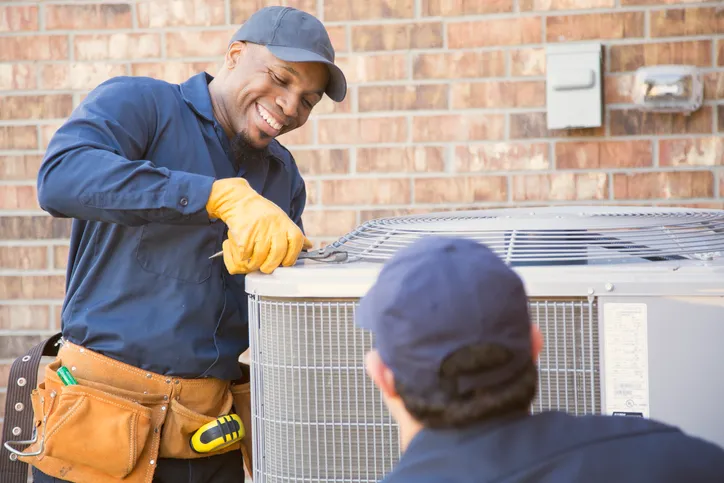
Investing in a new heating and cooling system involves more than simply swapping out a box. A professional installation focuses on optimizing the entire system to handle the specific thermal load of your property. In coastal areas like Morehead City, where humidity levels remain high throughout the summer and tropical storms are a seasonal reality, the installation quality determines the longevity of the unit.
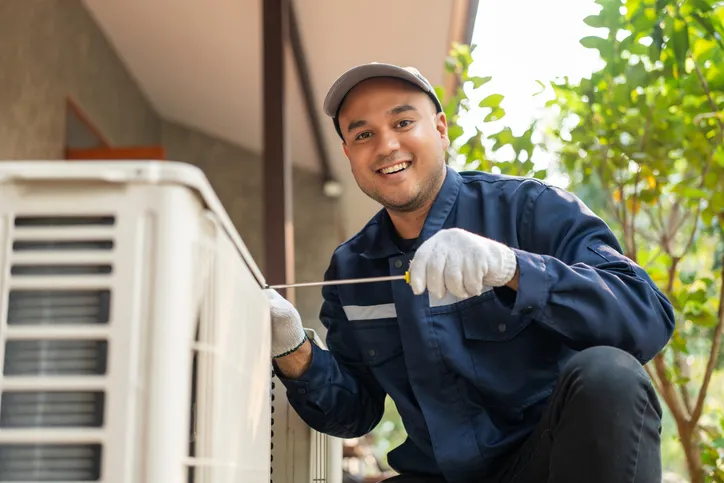
You receive a comprehensive service package designed to transition your home from a broken or inefficient unit to a high-performance system. This includes the safe removal and disposal of the old equipment, ensuring no hazardous materials or refrigerants are released into the environment. The scope of work covers the installation of the outdoor condenser, the indoor air handler or furnace, and the thermostat.
Technicians also inspect existing ductwork and refrigerant lines. If these components are leaking, uninsulated, or incorrectly sized, even a brand-new top-tier HVAC unit will fail to perform efficiently. The goal is to provide a turnkey solution where the new system operates at its rated SEER (Seasonal Energy Efficiency Ratio) from day one. You also receive a walkthrough of the new system’s operation, including how to program smart thermostats for maximum energy savings.
The System Replacement Process: Step-by-Step
A systematic approach prevents errors and ensures that every component functions in harmony. We do not cut corners; we follow a rigorous checklist to guarantee the safety and efficiency of your new HVAC system.
- Load Calculation and Sizing: First, technicians perform a Manual J load calculation. This engineering calculation determines exactly how much heating and cooling power your home requires based on square footage, insulation levels, window placement, and local climate data. Installing a unit that is too big causes short-cycling, while a unit that is too small runs constantly without cooling the space.
- Site Preparation and Protection: Next, the installation area is prepared. Technicians lay down drop cloths and protective coverings to keep your home clean. Power to the existing HVAC system is shut off at the breaker panel to ensure safety during the disconnection phase.
- Removal of Old Equipment: Then, the old refrigerant is recovered into a specialized tank to prevent atmospheric venting, adhering to EPA regulations. The old condenser and air handler are disconnected from the electrical and plumbing lines and physically removed from the property.
- Installation of New Components: Subsequently, the new indoor and outdoor units are positioned. For the outdoor unit, a solid, level pad is established, critical for drainage and vibration reduction. Inside, the evaporator coil and air handler are secured. If necessary, technicians fabricate custom sheet metal transitions to connect the new unit to existing ductwork seamlessly.
- Connections and Charging: Following the physical placement, the refrigerant lines are brazed (welded) together. A nitrogen pressure test is conducted to ensure there are no leaks in the new welds. Once verified, the system is evacuated with a vacuum pump to remove moisture and air, then charged with the precise amount of refrigerant specified by the manufacturer.
- Electrical and Thermostat Setup: High-voltage and low-voltage electrical connections are wired and tested for proper voltage. The new thermostat is installed and calibrated to communicate effectively with the new equipment.
- Final Commissioning and Testing: Finally, the system is powered on. Technicians measure airflow (static pressure), temperature split (the difference between supply and return air), and amp draw to verify the system is running within factory specifications.
Determining When Replacement Is the Smarter Investment
Homeowners often struggle with the decision to repair an aging unit or invest in a new one. While repairs can offer a short-term fix, there is a financial tipping point where replacement becomes the more logical economic choice.
- The 50% Rule: If the cost of the repair approaches 50% of the value of the system, replacement is generally recommended.
- The $5,000 Rule: Multiply the age of the equipment by the estimated repair cost. If the total exceeds $5,000, replacement is the better investment. For example, a 12-year-old unit requiring a $500 repair (12 x 500 = 6,000) should likely be replaced.
- Frequency of Breakdowns: If you have required multiple service calls in the last two years, the system is demonstrating a pattern of failure. Continuing to pay for service calls and parts often costs more annually than the financing payments on a new, warrantied system.
- Rising Energy Bills: As HVAC systems age, their efficiency drops significantly due to wear on the compressor and coil degradation. If your energy bills are climbing despite normal usage, the system is likely working twice as hard to produce the same amount of cooling.
- R-22 Refrigerant: If your older unit utilizes R-22 (Freon), it is obsolete. R-22 is no longer produced, making refills prohibitively expensive. Upgrading to a system that uses R-410A or newer refrigerants is necessary for long-term maintenance.
Navigating Local Requirements and Coastal Climate Factors
Installing HVAC equipment in coastal North Carolina requires specific attention to environmental factors that do not affect inland properties. The salt air in Morehead City is highly corrosive and can eat away at standard aluminum coils and steel cabinets within a few years.
- Corrosion Protection: Coastal installations often require specialized coatings on the condenser coils to prevent premature corrosion. Standard units may fail significantly faster without this protection. We recommend equipment built with materials designed to withstand saline environments.
- Humidity Control: The region experiences high humidity, particularly from June to September. A standard single-stage air conditioner may cool the air quickly but shut off before it has removed enough moisture. This leads to a cold but "clammy" indoor feeling. Two-stage or variable-speed systems are often superior in this climate because they can run at lower speeds for longer periods, extracting more moisture from the air without overcooling the home.
- Hurricane Preparedness and Codes: Local building codes mandate that outdoor units be securely anchored to withstand high winds during tropical storms and hurricanes. Concrete pads must be stable, and tie-down straps or brackets are required to prevent the unit from shifting or becoming a projectile during severe weather.
- Permitting and Inspections: HVAC replacement is a regulated construction activity. Permits are required to ensure the installation meets safety standards regarding electrical connections and gas piping (if applicable). Professional installers handle the permit application process and schedule the final county inspection to ensure your home remains compliant and insurable.
Why Professional Execution Matters
The most important day in the life of your heater or air conditioner is the day it is installed. Industry studies suggest that a significant percentage of HVAC equipment is installed incorrectly, leading to efficiency losses of up to 30%. This reduces the lifespan of the equipment and voids manufacturer warranties.
Airtech Mechanical Service Inc. employs technicians who understand the physics of airflow and thermodynamics. We do not rely on "rules of thumb." Every connection, weld, and wire is handled with precision.
- Proper Airflow: If the ductwork cannot handle the airflow of the new unit, the static pressure will increase, causing the blower motor to burn out prematurely. Professional assessment ensures the distribution system matches the equipment capacity.
- Refrigerant Charge Accuracy: An undercharged or overcharged system will not cool effectively and consumes excess electricity. We use digital gauges to ensure the charge is exact.
- Drainage Safety: Air conditioners produce gallons of water (condensate) daily during the summer. If the drain line is not properly pitched or trapped, water can back up and cause significant ceiling or floor damage. We install safety float switches to shut the unit down if a blockage occurs, protecting your property.
Maximizing Efficiency and Longevity
Once the installation is complete, the focus shifts to maintaining that high level of efficiency. Modern high-efficiency systems (SEER2 rated) utilize advanced technology such as variable-speed compressors and smart thermostats. These components communicate to adjust cooling output in real-time, matching the exact needs of your home rather than running at 100% capacity constantly.
To protect this investment, regular maintenance is essential. Manufacturer warranties require proof of annual maintenance to remain valid. This involves cleaning coils, checking refrigerant levels, and tightening electrical connections. A neglected system in a coastal environment will degrade rapidly.
Upgrading your HVAC system is a significant decision that impacts your daily comfort and monthly budget for the next 15 years. It requires a partner who understands the local climate, adheres strictly to building codes, and prioritizes technical excellence over speed.
Take the Final Step Toward Dependable Home Comfort
A professionally installed HVAC system protects your comfort, controls humidity, and ensures long-term efficiency in Morehead City’s demanding coastal climate. Choosing the right installation partner means fewer breakdowns, lower energy costs, and confidence that every detail meets code and manufacturer standards. With Airtech Mechanical Service Inc., your new system is engineered for reliability, performance, and lasting peace of mind from the moment it is turned on.
Don't let a failing system compromise your home's safety or comfort. Secure a professional installation that stands up to the coastal elements and delivers consistent performance, contact us today.
Schedule your on-site estimate now to restore reliable cooling and heating to your home.
Other Services