

HVAC Installation in Jacksonville, NC
Enhance your home's air quality and efficiency with our professional HVAC installation services in Jacksonville. Expert solutions for your comfort. Learn more.
Is Your Current System Failing to Handle the Humidity?
When the North Carolina heat strikes, a reliable HVAC system isn’t just a comfort, it’s a necessity to protect your home from humidity damage and your family from heat stress. If you are experiencing uneven cooling, spiking energy bills, or a unit that simply cannot keep up with the demand, contact us or inquire about our financing options to secure a solution immediately.
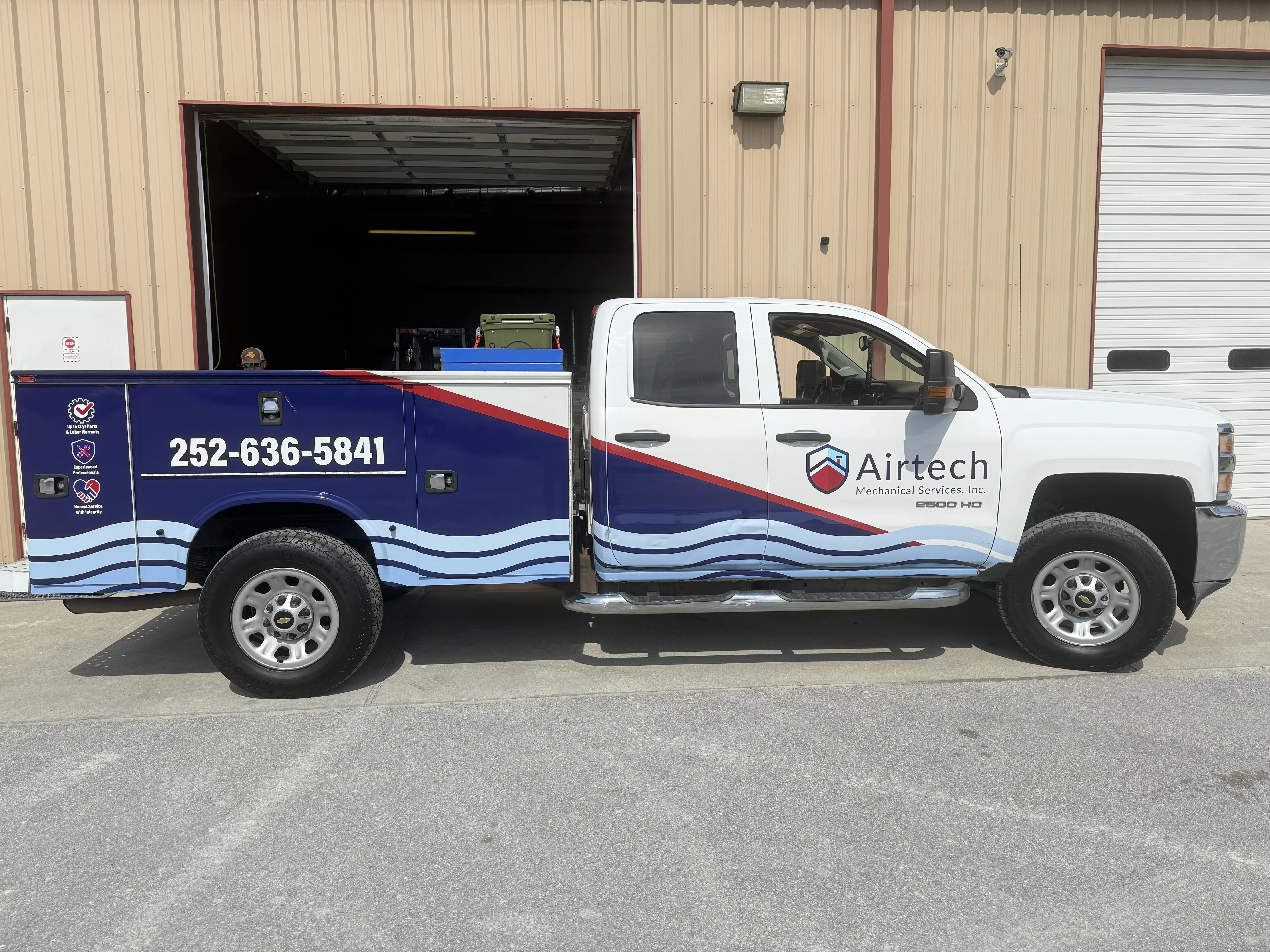
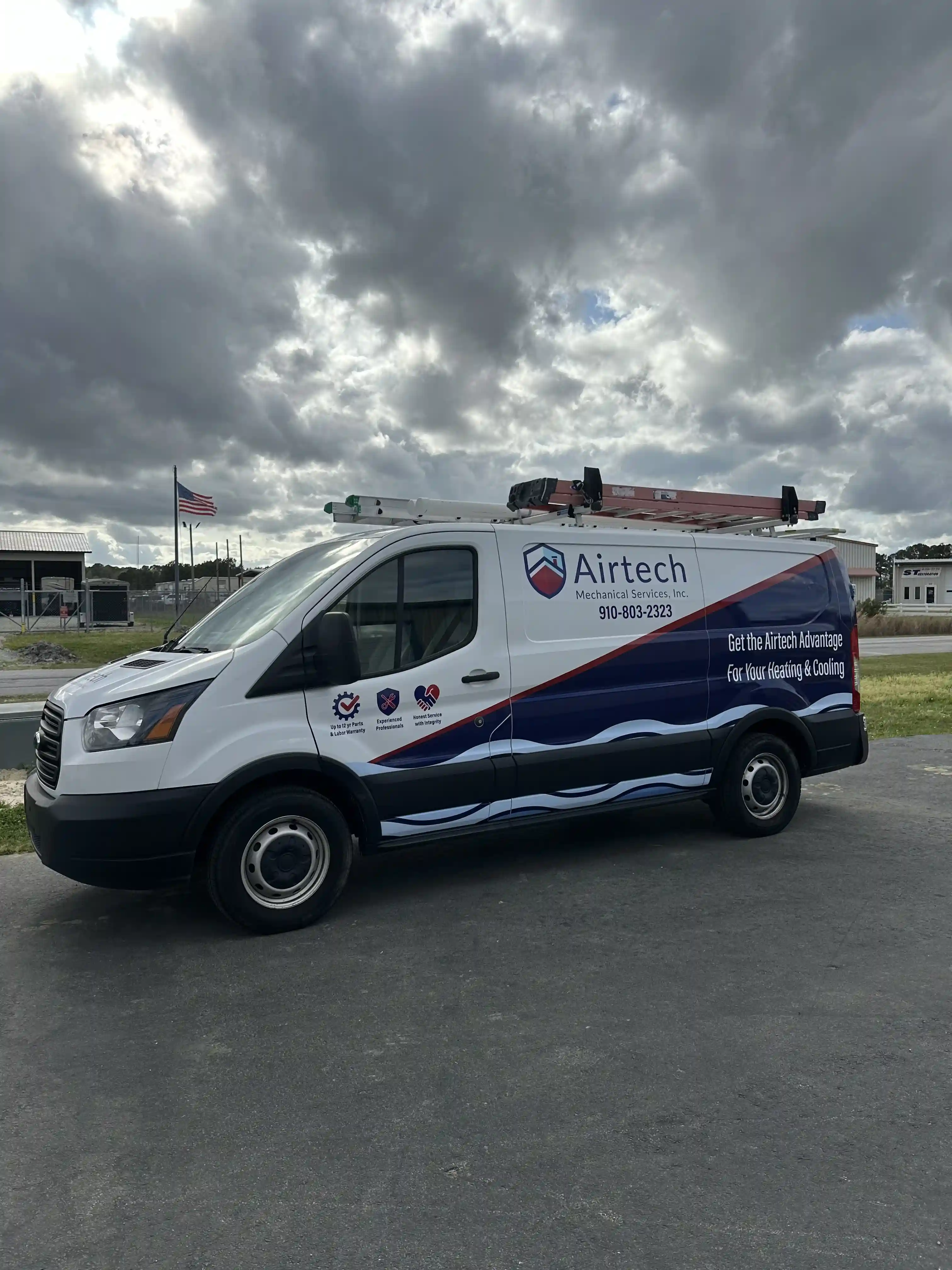
Airtech Mechanical Service Inc. specializes in diagnosing system failures and providing high-efficiency replacements that are tailored to the specific atmospheric challenges of the region. Homeowners in Jacksonville often face unique issues regarding humidity control and salt-air corrosion, requiring a precise approach to equipment selection and installation.
- Rapid assessment and system sizing to ensure your new unit handles peak summer loads without short-cycling.
- Expert removal and installation protocols that protect your property and ensure long-term system reliability.
- Clear, upfront pricing on all equipment and labor with no hidden change orders.
All installations are fully warranted and meet local Jacksonville permitting standards to ensure compliance and safety.
What to Expect During Your Installation
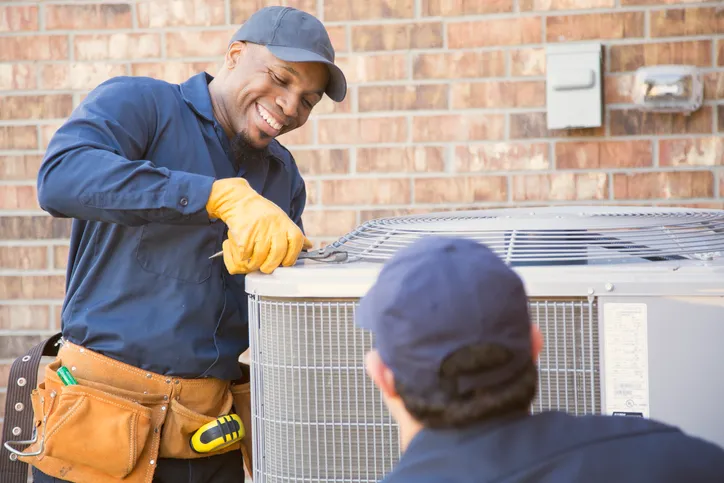
Upgrading your heating and cooling system is a significant investment in your property’s infrastructure. The focus of a professional installation is not merely swapping one metal box for another; it is about integrating a new mechanical system into your home’s existing envelope. When you schedule an installation, the goal is to improve energy efficiency, lower indoor humidity levels, and ensure consistent airflow throughout every room.
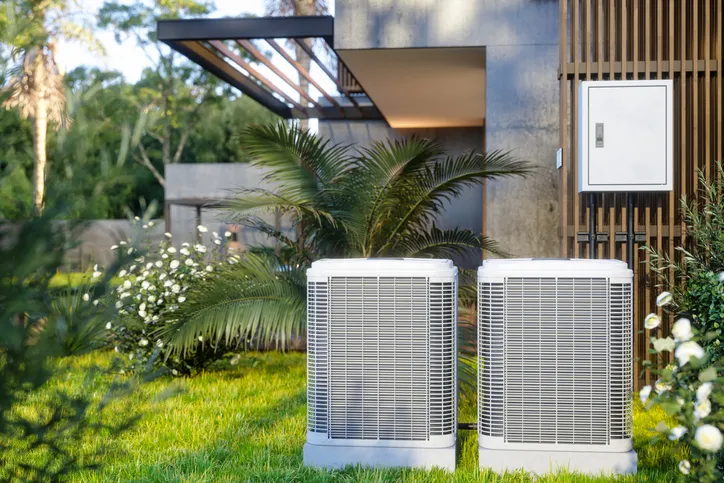
A standard installation involves several critical phases. It begins with the safe recovery of old refrigerant, adhering to environmental regulations. The old equipment is removed, and the site is prepared for the new unit. This often involves leveling the ground for the outdoor condenser or modifying the plenum in the attic or crawlspace to accommodate modern, larger coils.
Modern equipment has higher SEER2 (Seasonal Energy Efficiency Ratio) ratings than units manufactured even ten years ago. This means the physical footprint of the evaporator coils and condensers is often larger to allow for greater heat exchange surface area. A proper installation accounts for these spatial changes, ensuring that service technicians have adequate clearance for future maintenance and that the unit receives sufficient airflow to operate according to manufacturer specifications.
The Complete Installation Process
A seamless installation minimizes disruption to your daily routine while adhering to strict technical protocols. The process is designed to ensure that once the technicians leave, your system runs at peak performance immediately.
- Load Calculation and Sizing: Before any equipment is ordered, a proper load calculation is performed. Relying solely on square footage is an outdated method that leads to inefficiencies. Factors such as window orientation, insulation levels, ceiling height, and heat-generating appliances are analyzed. This ensures the unit is not undersized, which leads to constant running, nor oversized, which leads to short-cycling and poor humidity control.
- Site Protection and Safety Setup: Technicians arrive with drop cloths and protective gear to ensure your flooring and home interior remain clean. Safety switches are inspected, and gas lines (if applicable) or high-voltage electrical connections are checked for integrity before work begins.
- Ductwork Inspection and Modification: A high-efficiency unit cannot perform well if it is connected to leaky or undersized ductwork. The existing air distribution system is inspected for leaks, disconnects, or restrictions. If the new unit requires different static pressure settings, modifications to the supply and return plenums are made to prevent motor strain.
- Equipment Set and Connection: The indoor air handler or furnace is positioned and leveled. The outdoor condenser is set on a composite pad to dampen vibration and elevate it above potential standing water. Copper refrigerant lines are brazed with nitrogen purging to prevent oxidation inside the pipes, a critical step for the longevity of modern refrigerant systems.
- Vacuum and Charge: Once connected, a deep vacuum is pulled on the refrigerant lines to remove all moisture and non-condensables. The system is then charged with the precise amount of refrigerant required by the manufacturer. Incorrect charging is a leading cause of premature compressor failure, so this step is verified with digital gauges.
- Final Commissioning and Testing: The system is powered on, and technicians measure the airflow, temperature split (the difference between supply and return air), and static pressure. The thermostat is calibrated to communicating systems if installed. This verification ensures the unit is actually delivering the efficiency rating you paid for.
Determining When to Replace vs. Repair
Deciding between another repair bill and a full system replacement is a financial calculation based on the age of the unit, the cost of the repair, and future efficiency gains. While repairs are often the lower upfront cost, they can become more expensive over time if the unit is nearing the end of its service life.
- The 50% Rule: If the cost of the repair approaches 50% of the value of a new system, replacement is generally the wiser financial choice. This is particularly true if the unit is out of warranty. Spending thousands on a compressor for a 12-year-old unit is rarely a good return on investment compared to putting that money toward a new system with a fresh 10-year warranty.
- Refrigerant Type: Older systems utilizing R-22 refrigerant are now obsolete. Production of R-22 has ceased, making repairs involving refrigerant leaks prohibitively expensive. If your older system has a leak, topping it off is a temporary and costly fix. Transitioning to a system that uses R-410A or newer refrigerants is necessary for future serviceability.
- Frequency of Breakdowns: If you have required service calls more than twice in the last year, the system is signaling reliable failure. Recurring issues suggest that major components are wearing out simultaneously. Airtech Mechanical Service Inc. can provide a side-by-side comparison of your current repair costs versus the monthly energy savings of a new unit.
- Rising Energy Bills; As HVAC systems age, motors lose efficiency and coils become fouled, forcing the unit to run longer to maintain the same temperature. If you notice a steady increase in kilowatt-hour usage that isn't explained by weather extremes or rate hikes, your mechanical equipment is likely the culprit.
Navigating Local Requirements and Conditions
Installing an HVAC system in Jacksonville requires specific knowledge of local building codes and environmental factors. North Carolina regulations are designed to ensure safety and energy efficiency, and compliance is mandatory for insurance and resale purposes.
- Permitting and Inspections: Legitimate HVAC installations require a mechanical permit. This alerts the local inspection department that work is being performed. After installation, a county inspector reviews the work to ensure electrical connections are safe, condensate drains are properly routed to prevent water damage, and the system meets energy codes. Skipping this step can lead to fines and complications when selling your home.
- Coastal Environmental Factors: The proximity to the coast introduces salt and high humidity into the environment. Standard outdoor units can suffer from accelerated corrosion on the aluminum fins and copper tubing. In this region, it is often recommended to select units with coastal corrosion protection or to plan for more frequent maintenance to wash away salt buildup.
- Humidity Management: In this climate, an air conditioner is a dehumidifier first and a cooler second. If the unit does not run long enough to pull moisture out of the air, your home will feel cold but clammy. This creates an environment conducive to mold growth. Local installation strategies often involve configuring blower speeds to maximize moisture removal during the humid summer months.
Technical Considerations for Efficiency
The efficiency of your new system is determined by more than just the sticker on the box. The quality of the installation dictates the actual operating efficiency. A 20-SEER system can perform like a 10-SEER system if installed poorly.
- Airflow Balancing: Proper airflow is the lifeblood of an HVAC system. If the return air is restricted, the blower motor works harder, consuming more electricity and shortening its lifespan. Technicians measure the static pressure to ensure the ductwork can handle the airflow required by the new unit. In some cases, adding a return vent or enlarging a grille is necessary to unlock the full potential of the new equipment.
- Thermostat Integration: Modern systems often use communicating thermostats that constantly talk to the indoor and outdoor units. These smart thermostats monitor humidity, temperature, and run times, adjusting the system output in increments as low as 1%. Proper wiring and setup of these controls are essential. A generic thermostat may turn the unit on and off, but it will not utilize the variable-speed features that drive efficiency.
- Insulation and Sealing: The connection points where the unit meets the ductwork must be sealed airtight. Mastic sealant or foil tape is used to prevent conditioned air from escaping into the attic or crawlspace. Even small leaks at the plenum can result in a significant loss of cooling capacity, forcing the unit to run longer to satisfy the thermostat.
Why Professional Sizing is Critical
One of the most common errors in the HVAC industry is oversizing equipment. Many assume that a bigger unit will cool the house faster and therefore be better. In reality, an oversized unit turns on, blasts cold air, satisfies the thermostat in ten minutes, and shuts off.
This short cycle prevents the coil from getting cold enough for long enough to condense water vapor out of the air. The result is a house that feels sticky and uncomfortable despite the low temperature setting. Additionally, the frequent starting and stopping places immense strain on the compressor and starting components, leading to early failure. Professional installers use industry-standard Manual J calculations to determine the exact heating and cooling load of your home, ensuring the unit runs in long, efficient cycles that maintain consistent comfort and humidity levels.
Securing Your Comfort with Professional Installation
A new heating and cooling system is a long-term commitment to the comfort and safety of your home. It requires technical precision, adherence to local codes, and a deep understanding of thermodynamics and electrical systems. Choosing the right partner for this project ensures that your investment pays off in lower energy bills and reliable performance for years to come.
Airtech Mechanical Service Inc. is dedicated to providing installations that stand the test of time, utilizing the best practices in the industry to deliver superior climate control. Do not wait for a complete system failure during the peak of summer to address your HVAC needs.
Schedule your comprehensive system assessment today.
Other Services