

HVAC Installation in Emerald Isle, NC
Explore expert HVAC services in Emerald Isle tailored to combat humidity and high energy costs. Contact Airtech today for efficient installation solutions.
Eliminate Inconsistent Cooling and High Energy Bills
Facing unbearable humidity or unreliable air conditioning in a coastal environment can make your home feel more like a sauna than a sanctuary. When your system fails to keep up with the demands of the season, immediate action is required to restore comfort and safety for your family; contact us now to discuss your installation options or apply for financing.
Homeowners in Emerald Isle face unique challenges, from salt air corrosion to intense summer humidity, which can degrade standard equipment faster than expected. Airtech Mechanical Service Inc. specializes in addressing these specific regional issues. We provide robust solutions designed to withstand the elements while lowering your monthly utility costs. You do not have to settle for a system that runs constantly without cooling effectively or one that breaks down during the hottest week of the year.
- Fast, professional installations scheduled to minimize downtime and restore comfort immediately.
- Systems specifically selected and installed to resist corrosion and withstand local weather challenges.
- High-efficiency units designed to drastically reduce energy consumption and eliminate frequent repair bills.
- Licensed, bonded, and insured service with flexible financing options available to make your upgrade seamless.

Today's HVAC Setup: Quick, Reliable, and Focused on Your Needs
A modern HVAC installation is not merely about swapping one metal box for another; it is a comprehensive upgrade to your home’s environmental control system. When you schedule an installation, the focus is on immediate relief and long-term reliability. The goal is to transition you from a failing unit to a high-performance system with minimal disruption to your daily routine.
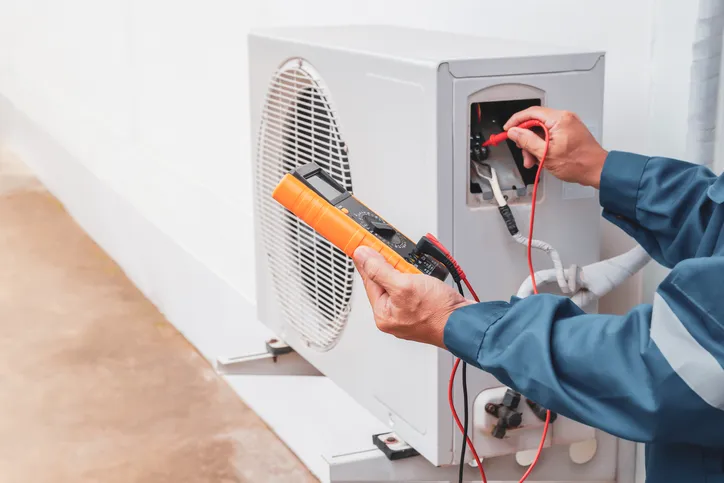
In Emerald Isle, where the weather can shift rapidly, speed and accuracy are paramount. The scope of work for a new installation encompasses a full evaluation of your current infrastructure to ensure the new unit performs to its factory-rated specifications. This includes verifying that the electrical supply is sufficient, the refrigerant lines are intact, and the drainage systems are functioning correctly to prevent water damage.
You receive a complete solution that includes the removal and environmentally responsible disposal of your old equipment. The new system is not just dropped in place; it is leveled, secured, and calibrated. Modern units often require specific adjustments to airflow and thermostat settings to handle the high latent heat—humidity—present in this region. By the end of the installation day, the result is a noticeable change in indoor air quality, silence in operation, and a consistent temperature throughout the home.
Our Process: From Assessment to Installation
A successful HVAC replacement relies on a strict, technical procedure. Skipping steps or guessing on sizing leads to short cycling, high bills, and premature failure. We follow a rigorous protocol to ensure every installation meets manufacturer standards and local building codes.
- Load Calculation and Sizing: The process begins with a Manual J load calculation. This calculation determines the exact heating and cooling requirements of your specific property. Factors such as square footage, insulation levels, window orientation, and even the color of your roof influence the size of the system needed. An oversized unit will cool the air too quickly without removing humidity, leading to a clammy indoor environment. An undersized unit will run continuously, never reaching the set temperature. This step ensures the equipment capacity matches your home’s thermal profile perfectly.
- Site Preparation and Protection: Before any equipment is moved, the work area is prepped to protect your property. Drop cloths are laid down to protect flooring, and clear paths are established for moving heavy machinery. Safety is the priority here, ensuring that gas lines (if applicable) and high-voltage electrical connections are safely disconnected.
- Removal of Existing Equipment: The old air handler and outdoor condenser are disconnected. Technicians carefully recover any remaining refrigerant according to EPA regulations to prevent environmental contamination. The old units are then hauled away. During this stage, the existing plenum and ductwork connections are inspected for leaks or mold growth that might compromise the new system.
- Installation of the Indoor Unit: The evaporator coil and air handler (or furnace) are positioned first. For attics or crawl spaces common in coastal homes, this may involve ensuring the unit is suspended correctly or placed on vibration-isolation pads to reduce noise. The transition to the supply and return ductwork is sealed with mastic or foil tape to prevent air leakage, ensuring 100% of the conditioned air reaches your living space.
- Setting the Outdoor Unit: The condenser is placed on a composite pad that provides a stable, level foundation. In hurricane-prone areas, this unit is anchored with hurricane straps or tiedowns to meet local wind code requirements. Proper clearance is maintained around the unit to ensure adequate airflow for heat rejection.
- Line Set and Electrical Connections: Copper refrigerant lines are brazed using nitrogen purging. This critical step prevents oxidation inside the pipes, which can later clog the sensitive metering devices of high-efficiency units. A vacuum pump is used to remove all moisture and air from the lines before the factory-specified amount of refrigerant is released or added. Electrical disconnects and whips are replaced to ensure a safe, weather-tight power connection.
- System Startup and Commissioning: Once physically installed, the system is energized. Technicians measure static pressure, voltage, amperage, and temperature splits (the difference between air entering and leaving the system). The thermostat is programmed, and the system is tested in all modes of operation to verify performance before the crew leaves the site.
Deciding Between HVAC Repair or Replacement
Homeowners often struggle with the decision to repair a faltering unit or invest in a new one. While repairs can offer a short-term fix, there is a mathematical tipping point where replacement becomes the only financially sound decision.
- The 50% Rule: If the cost of the repair approaches 50% of the value of the system or the cost of a new unit, replacement is the logical choice. Dumping money into a compressor or coil replacement for an aging system is rarely a good return on investment.
- Age of the Equipment: In coastal environments, the lifespan of an HVAC system is often shorter than the national average due to salt corrosion. If your heat pump or air conditioner is over 10 to 12 years old, it is likely nearing the end of its useful life. Even if it runs, efficiency degradation means you are paying significantly more to cool your home than you would with a modern system.
- Frequency of Breakdowns: If you have required repairs more than once in the last two years, the system is becoming unreliable. Frequent breakdowns indicate that internal components are wearing out simultaneously. A new installation eliminates the stress of wondering if the AC will work when guests arrive or temperatures spike.
- Efficiency and Refrigerant Types: Older systems often use R-22 refrigerant, which has been phased out and is incredibly expensive to replace if a leak occurs. Newer systems utilize environmentally friendly refrigerants and offer much higher SEER2 ratings. Moving from a 10 SEER unit to a 15+ SEER2 unit can result in substantial monthly savings, effectively helping the new system pay for itself over time.
- Comfort Issues: If some rooms are freezing while others are hot, or if the humidity inside the house feels identical to the outside, the current system is failing to condition the space properly. New variable-speed technology can resolve these comfort imbalances.
Local Insights: Permits, Utilities, and More
Installing HVAC equipment in this region requires adherence to specific regulations and an understanding of the local infrastructure. Ignoring these factors can lead to code violations, fines, or insurance issues later.
- Permitting and Inspections: In Emerald Isle and surrounding coastal areas, pulling a mechanical permit is mandatory for HVAC replacements. This process ensures that the installation meets all safety codes, particularly regarding electrical connections and structural integrity. A final inspection by a county official verifies that the work was done correctly. Professional installers handle this administrative burden, submitting the applications and scheduling the inspections so you do not have to navigate the bureaucracy.
- Hurricane Preparedness: Local codes require outdoor units to be secured against high winds. This involves specific anchoring techniques to concrete pads or elevated stands. Elevating units is also common in flood zones to protect the compressor from rising water. A compliant installation protects your investment during storm season.
- Salt Air Protection: Standard aluminum fins and copper tubing can corrode rapidly near the ocean. We recommend and install equipment that features coastal corrosion protection or specialized coatings. This extends the life of the condenser significantly compared to standard inland models.
- Electrical and Utility Coordination: Newer, high-efficiency systems may have different amperage requirements than older units. We verify your breaker panel capacity to ensure it can handle the load. If you are switching fuel sources (e.g., adding a gas furnace backup), coordination with local utility providers for meter upgrades or line extensions may be necessary.
Ensuring Long-Term Performance and Reliability
Choosing the right equipment is only half the battle; the quality of the installation dictates 80% of the system’s reliability and efficiency. We prioritize technical precision over speed. Our technicians are trained to look beyond the equipment to the entire home envelope, identifying ductwork deficiencies or insulation gaps that could hamper the performance of your new purchase.
We utilize distinct protocols to protect your home during the work and leave the space cleaner than we found it. We believe in transparency regarding the capabilities of your new system. You will receive a clear walkthrough of how to operate your new thermostat, how to change filters, and what maintenance schedule is required to keep the warranty valid.
Airtech Mechanical Service Inc. focuses on delivering a finished product that provides immediate relief from the heat and sustained comfort for years. By adhering to strict installation standards and understanding the specific demands of the coastal climate, we ensure your investment is protected.
Call Us Now!
Do not let an inefficient system drain your wallet or compromise your comfort any longer. Secure your home’s climate with a professional installation designed for the Emerald Isle environment.
Contact us today to schedule your on-site assessment and take the first step toward a cooler, more efficient home.
Other Services