

HVAC Installation in Beaufort, NC
Discover our expert HVAC installation services in Beaufort to enhance your home comfort. Ensure efficient cooling even in high humidity. Contact us now!
Is Your Current Cooling System Failing to Combat the Summer Humidity?
Is your existing HVAC system running constantly without effectively cooling your home against the heavy humidity typical of Beaufort summers? You deserve a reliable, efficient solution that guarantees indoor comfort regardless of the outdoor temperature; contact us today to schedule an estimate or ask about our available financing options.
A failing air conditioner or heat pump does more than just leave you sweating; it drives up energy bills and creates an uncomfortable, sticky indoor environment. When a system struggles to reach the set temperature, it indicates that the unit is either undersized, outdated, or suffering from significant mechanical failure. Homeowners in the region need equipment that can handle both the intense heat and the corrosive nature of the coastal environment. Airtech Mechanical Service Inc. provides comprehensive installation services designed to restore your comfort and lower your monthly utility costs.
- Rapid, local deployment ensures that your system replacement happens on a timeline that minimizes downtime and discomfort.
- Professional installations focus on correct sizing and sealing to maximize energy efficiency and humidity control.
- Expert technical advice helps you select the specific SEER2 rating and system type that aligns with your home’s architectural needs.
- All installations are backed by comprehensive manufacturer warranties and our own labor guarantees for total peace of mind.
What to Expect During Your HVAC Installation Service
Choosing to install a new heating and cooling system is a significant investment in your property’s infrastructure. The scope of a professional installation goes far beyond simply swapping one metal box for another. It involves a holistic assessment of your home's thermal characteristics and a precise integration of mechanical components. When you book an installation, you receive a turnkey solution that addresses every aspect of climate control, from airflow to thermostat calibration.
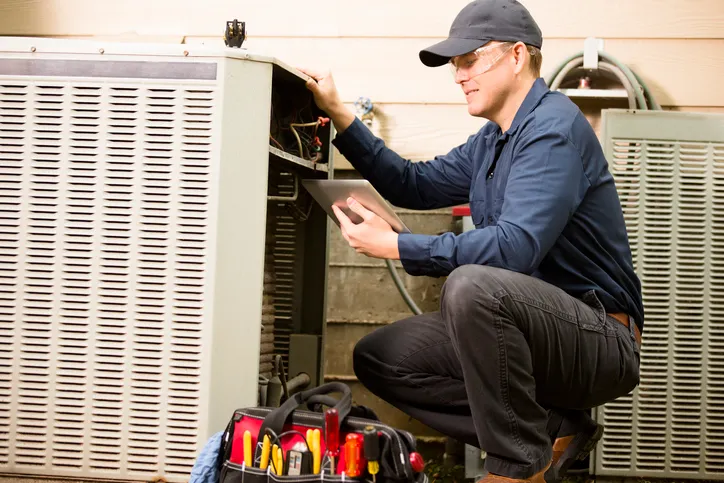
The service begins with a load calculation. This ensures the new unit is neither too large, which causes short-cycling and high humidity, nor too small, which results in the unit running perpetually. In Beaufort, where humidity control is just as important as temperature reduction, getting the size right is critical. The service package typically includes the removal and environmentally safe disposal of your old equipment, ensuring that all refrigerants are recovered according to EPA regulations.
Your installation also includes:
- System Selection: Guidance on choosing between heat pumps, gas furnaces, or dual-fuel systems based on your existing utility hookups and efficiency goals.
- Ductwork Inspection: Verification that your current air ducts are leak-free and sized correctly to handle the airflow of the new, high-efficiency unit.
- Code Compliance: Ensuring all electrical connections, gas piping, and condensate drains meet current North Carolina building codes.
- Site Preparation: Leveling the ground for the outdoor condenser and installing hurricane-rated tie-downs to protect the unit during severe weather.
- Startup and Testing: A rigorous commissioning process where technicians measure static pressure, refrigerant charge, and temperature differentials to verify performance.
The Step-by-Step Installation Process
Understanding the workflow of an HVAC replacement helps reduce anxiety and allows you to prepare your home for the crew. A professional team operates with a standardized process designed to ensure safety, cleanliness, and technical accuracy. While every home in Beaufort presents unique challenges, such as tight crawl spaces or attic access, the fundamental steps of the installation remain consistent to ensure quality control.
Site Assessment and Protection:
The day begins with the technicians reviewing the job site. They lay down drop cloths and floor protectors to ensure your home remains clean throughout the process. The team confirms the location of the circuit breakers and gas shut-off valves before beginning any work.
Decommissioning the Old System:
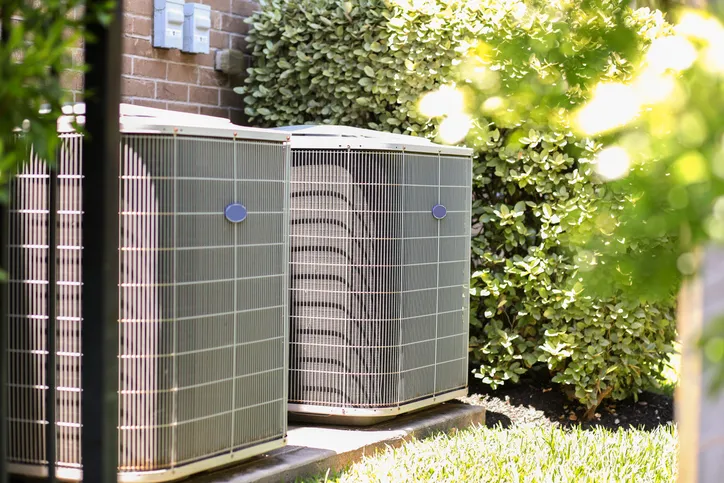
Technicians disconnect the electrical supply and fuel lines. They attach a recovery machine to the existing unit to extract the old refrigerant into a reclamation tank. This prevents harmful chemicals from venting into the atmosphere. Once the system is empty, the outdoor condenser and indoor air handler (or furnace) are disconnected from the plenum and removed from the property.
Modifying the Infrastructure:
Often, new high-efficiency systems are physically larger than older models. The team may need to modify the plenum—the metal box that connects the unit to your ductwork—to ensure a proper fit. At this stage, they also replace the filter drier and inspect the copper line set. If the old copper lines are incompatible with modern refrigerants, new lines are run.
Setting the New Equipment:
The indoor unit is positioned first, ensuring it is level and effectively sealed to the ductwork to prevent air leaks. Next, the outdoor unit is placed on a new composite pad. In coastal areas, raising the unit slightly off the ground is common to allow for proper drainage and airflow.
Connecting and Brazing:
Technicians connect the line set between the indoor and outdoor units. They use nitrogen during the brazing process to prevent oxidation inside the copper pipes, which is a critical step for the longevity of the compressor. Electrical wiring is connected, and a new thermostat is often installed to communicate effectively with the modern equipment.
Vacuum and Charge:
Before releasing the refrigerant, the team pulls a deep vacuum on the lines to remove all moisture and non-condensable gases. This is vital; moisture left in the lines can freeze or mix with oil to create acid, which kills compressors. Once the vacuum holds, the factory-supplied refrigerant is released, and the charge is fine-tuned based on the length of the line set.
Final Commissioning:
The system is powered on. Technicians measure the airflow and check the temperature drop across the evaporator coil. They verify that the condensate drain is flowing freely and that all safety switches are operational.
Repair vs. Replace: Making the Financial Decision
Deciding when to stop repairing an aging unit and invest in a new one is a common dilemma for homeowners. While a quick fix might seem cheaper in the short term, the cumulative cost of repairs and the inefficiency of an old system often make replacement the smarter financial move. This is particularly true in climates where the AC runs for the majority of the year.
Industry experts often refer to the "5,000 Rule" to aid in this decision. Multiply the age of your equipment by the estimated repair cost. If the total exceeds $5,000, replacement is generally recommended. For example, if you have a 12-year-old system and the repair is $500, the score is 6,000, suggesting replacement is the better option.
Consider replacement if your situation matches these criteria:
- Age of the System: The average lifespan of a heat pump or air conditioner in a coastal environment is often shorter than the national average, typically falling between 10 and 15 years. If your unit is in this range, major components like the compressor are likely nearing the end of their service life.
- Rising Energy Bills: As internal parts wear out and coils corrode, the system must work harder to achieve the same cooling result. If your utility bills are steadily increasing despite normal usage, your system has lost its efficiency.
- Frequent Breakdowns: If you are calling for service more than once a season, the system is becoming unreliable. The cost of multiple service calls and emergency repairs quickly adds up.
- Freon Constraints: Older systems utilize R-22 refrigerant, which has been phased out. R-22 is becoming prohibitively expensive and difficult to source. Modern systems use more environmentally friendly refrigerants like R-410A or the newer R-454B, which are readily available.
- Uneven Temperatures: If some rooms are freezing while others remain hot, or if the humidity levels inside feel identical to the outside, the system acts merely as a fan rather than a dehumidifier.
Local Considerations for Beaufort Installations
Installing HVAC equipment in Beaufort requires specific attention to local environmental factors and regulations. The coastal proximity introduces salt spray into the air, which accelerates corrosion on aluminum fins and copper coils. Standard equipment that performs well inland may rot out in half the time on the coast without proper protection.
When selecting a new unit, it is vital to look for "coastal" packages or ensuring the installation includes the application of anti-corrosive coatings. This creates a barrier against the salt air, extending the life of the condenser. Furthermore, the high humidity levels in this region necessitate systems with excellent dehumidification capabilities. Variable-speed air handlers and two-stage compressors are highly effective here, as they can run at lower speeds for longer periods, extracting more moisture from the air than a standard single-stage unit.
Logistical and regulatory considerations include:
- Permitting: All system replacements require a mechanical permit from the local building department. This ensures the installation meets safety standards regarding electrical load and gas piping. A professional installer handles the application and scheduling of the final county inspection.
- Flood Zones and Elevations: Depending on your specific location within the city, FEMA flood zone regulations may dictate the elevation of your outdoor unit. Platforms or stands may be required to keep the electrical components above potential floodwaters.
- Utility Rebates: Local energy providers frequently offer rebates for upgrading to high-efficiency systems (high SEER2 ratings). Your installer can provide the necessary documentation to help you claim these incentives.
Why Professional Installation Matters
The longevity and efficiency of your heating and cooling system are determined more by the quality of the installation than the brand of the equipment. A top-tier brand installed poorly will fail sooner and run less efficiently than a mid-tier brand installed perfectly. Airtech Mechanical Service Inc. prioritizes the technical precision required to ensure your investment lasts.
Cutting corners during installation leads to "leaky" ducts, improper refrigerant charges, and compromised airflow. These issues reduce the system's SEER rating, meaning you pay for high efficiency but don't get the savings on your electric bill. Professional installers use calibrated tools to measure airflow and pressure, ensuring the system operates exactly as the manufacturer intended.
Furthermore, safety is a paramount concern. HVAC installations involve high-voltage electricity, natural gas or propane connections, and high-pressure refrigerants. Certified technicians are trained to handle these hazards safely, preventing risks of fire, carbon monoxide leaks, or electrical shorts.
Key differentiators of a professional service include:
- Load Calculations (Manual J): Guesswork is eliminated. The size of the unit is mathematically determined based on square footage, insulation levels, window orientation, and local climate data.
- Ductwork Modifications: Adjusting the air distribution system to match the new unit ensures quiet operation and even cooling throughout the house.
- Warranty Registration: Professionals handle the registration of your equipment with the manufacturer, ensuring you receive the full 10-year parts warranty coverage.
- Post-Install Support: Access to maintenance plans that keep the warranty valid and the system running at peak performance.
Secure Your Comfort with a New System
Do not wait for a complete system failure in the middle of a July heatwave to address your cooling needs. Proactive replacement allows you to choose the system that best fits your budget and comfort requirements without the pressure of an emergency. A modern, high-efficiency HVAC system transforms your home environment, providing consistent temperatures, reduced humidity, and cleaner air for your family.
Investing in a professional installation ensures that every component, from the thermostat to the outdoor condenser, works in harmony to combat the coastal climate. Ensure your home remains a sanctuary against the heat and humidity.
Ready to upgrade your home comfort? Contact us now to schedule your comprehensive consultation and installation.
Other Services