

HVAC Installation in Atlantic Beach, NC
Beat the summer heat with Airtech Mechanical Service Inc. offering professional HVAC installations in Atlantic Beach. Quick, cost-effective solutions. Call now!
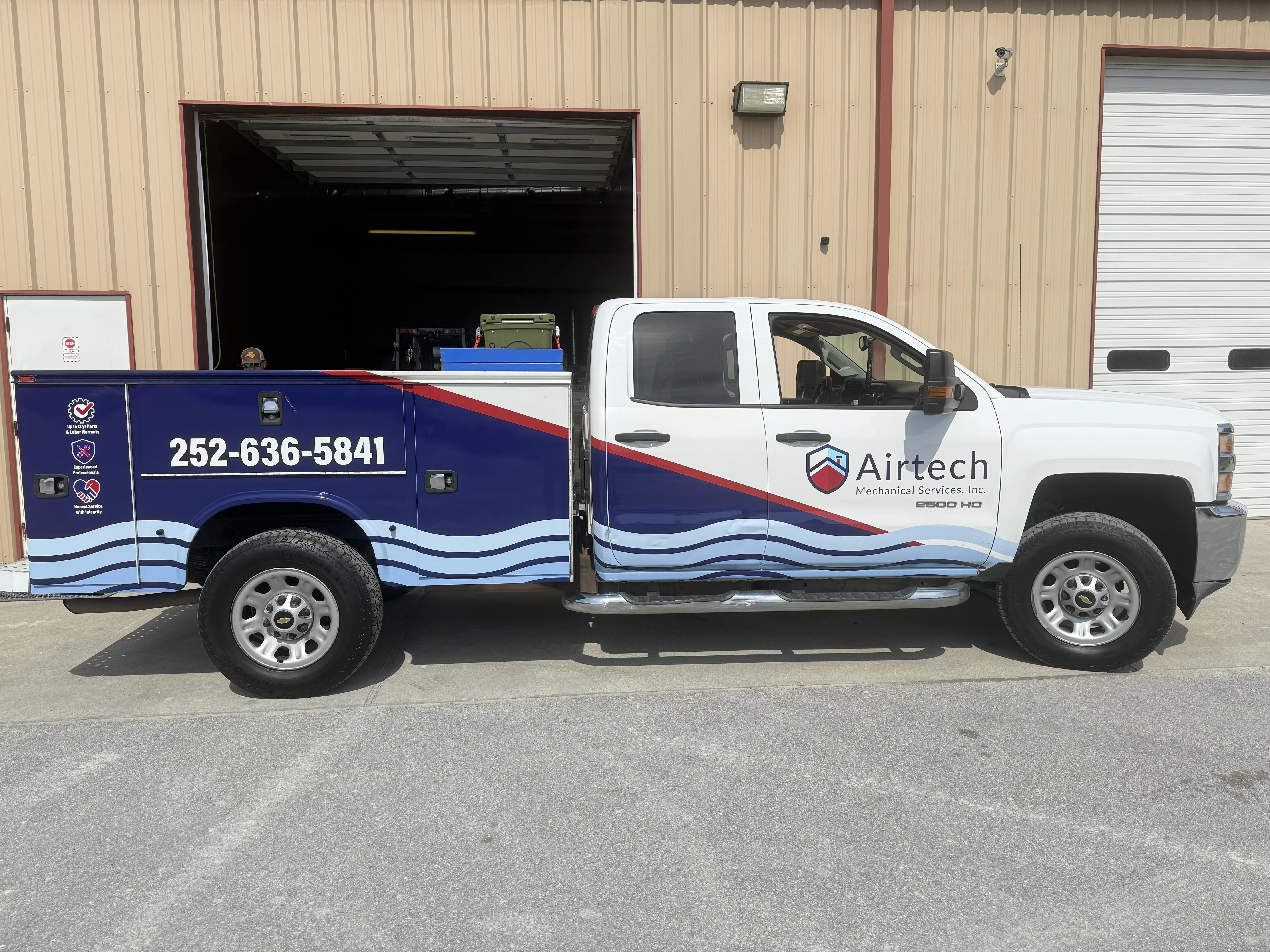
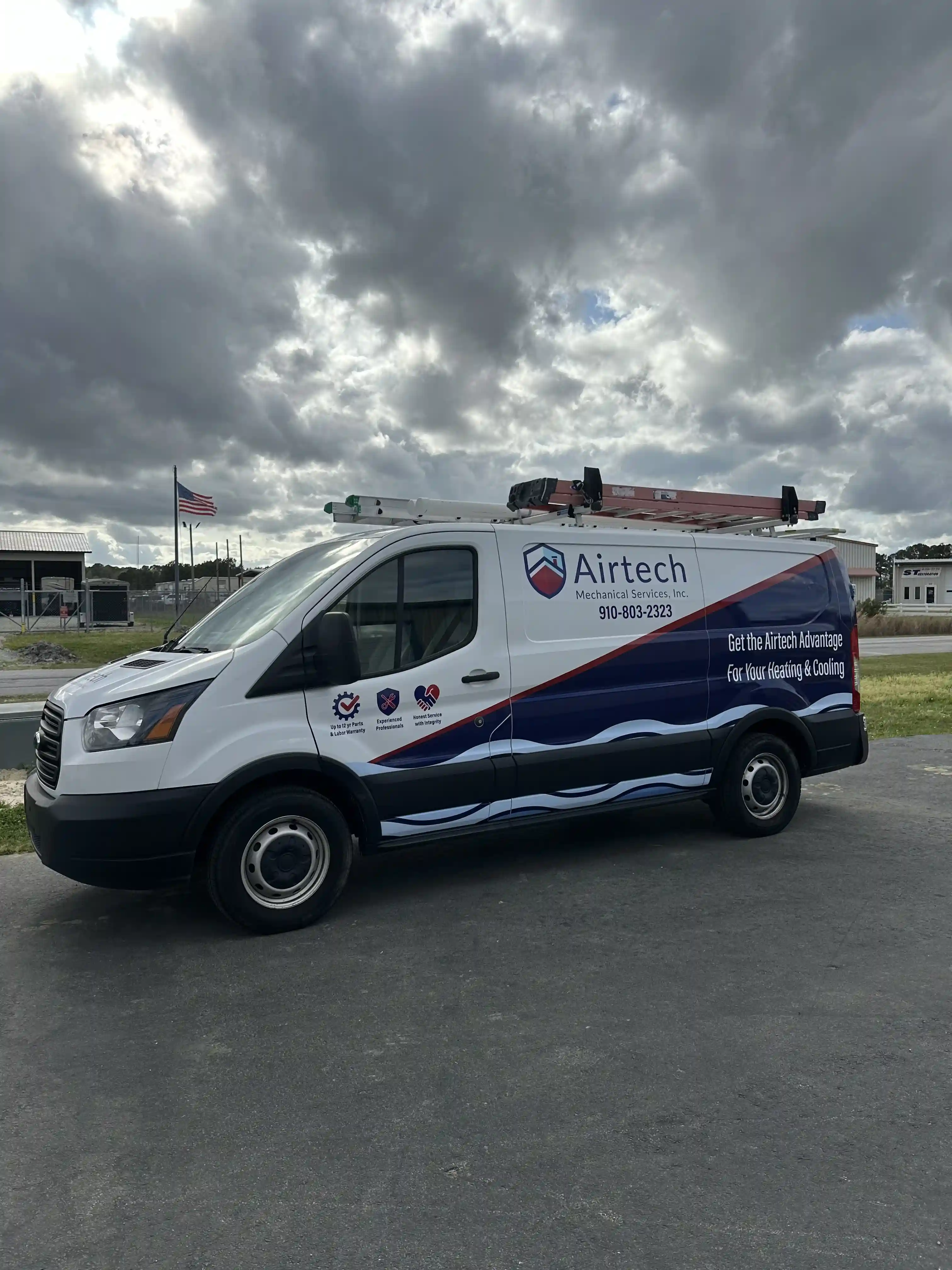
Battling the Atlantic Beach Heat? Get Quick HVAC Help!
Struggling with an inefficient air conditioner during the Atlantic Beach summer heat can be unbearable, affecting your sleep, productivity, and overall peace of mind. Don’t sweat it—call us immediately or inquire about our financing options to schedule your system replacement today. Airtech Mechanical Service Inc. provides quick, professional HVAC installation ensures your comfort is restored without unnecessary delays.
- Immediate installation appointments available to restore your comfort fast.
- Efficient, precise workmanship from certified technicians.
- Clear, upfront pricing with no hidden fees.
All installations are fully guaranteed with comprehensive warranties and optimized for local climate needs.
What You Receive With a Modern System Installation
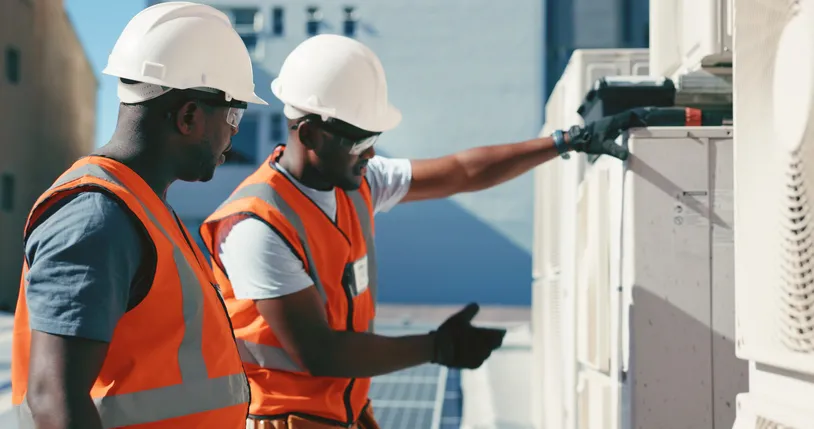
Investing in a new heating and cooling system is about more than just swapping out a metal box outside your home. It is an investment in long-term energy efficiency, indoor air quality, and consistent temperature control. When you choose a professional installation, you are securing a comprehensive solution designed to handle the specific humidity and temperature fluctuations typical of the Crystal Coast.
HVAC
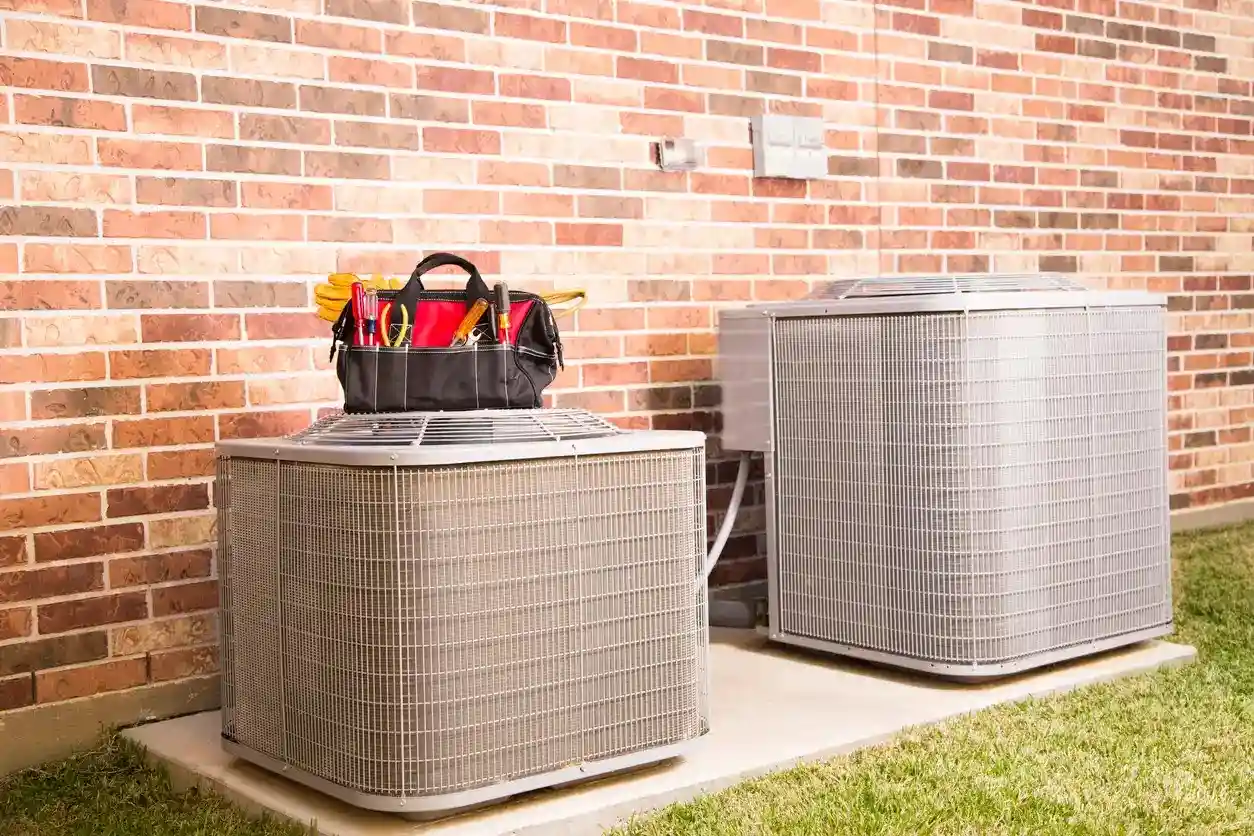
A proper installation begins with a technical assessment of your property’s thermal characteristics. Older units often relied on rough estimates for sizing, leading to "short-cycling" (where the unit turns on and off too frequently) or the inability to dehumidify the air effectively. Modern installation protocols involve precise load calculations. This ensures the new unit is perfectly sized to cool your square footage while removing the heavy moisture present in our coastal environment.
Beyond the equipment itself, a complete installation includes an evaluation of your existing ductwork. Leaky or poorly insulated ducts can result in a loss of up to 30% of conditioned air before it ever reaches your living spaces. The installation scope includes sealing these leaks, upgrading the thermostat to a programmable or smart model for better control, and ensuring the drainage systems are set up to handle high volumes of condensate. You receive a fully integrated system where the air handler, condenser, and thermostat communicate effectively to deliver maximum comfort for every dollar spent on energy.
The Installation Workflow: How It Works
Understanding the installation timeline helps homeowners prepare for the transition to a new system. The process is designed to be minimally invasive while ensuring strict adherence to safety codes and manufacturer specifications.
- Site Assessment and Sizing: First, technicians perform a detailed evaluation of your current setup. This involves measuring the square footage, checking insulation levels, assessing window orientation, and inspecting existing ductwork infrastructure. A Manual J load calculation is performed to determine the exact British Thermal Unit (BTU) capacity required for the home. This step is critical because an oversized unit will cool the air too quickly without removing humidity, leaving the house feeling clammy, while an undersized unit will run continuously, driving up electricity bills.
- Safe Removal and Disposal: Next, the crew shuts off power to the existing system and disconnects all electrical wiring and refrigerant lines. The old equipment must be handled carefully to prevent refrigerant leaks, which are hazardous to the environment. The team removes the old condenser and air handler, ensuring that the workspace remains clean and that old components are hauled away for proper recycling or disposal according to environmental regulations.
- System Placement and Connection: Technicians then position the new indoor and outdoor units. For the outdoor condenser, a level pad is established to ensure proper operation and drainage. In coastal areas like Atlantic Beach, this often involves placing the unit on hurricane-rated stands to protect it from potential flooding or standing water. The team connects the refrigerant lines, brazing them with nitrogen to prevent oxidation inside the pipes. Electrical connections are upgraded to meet current building codes, and a new disconnect box is often installed for safety.
- Charging and Calibration: Once the physical components are in place, the system is pressure-tested to ensure there are no leaks in the refrigerant lines. A deep vacuum is pulled to remove all moisture and air from the system. The unit is then charged with the precise amount of refrigerant specified by the manufacturer. Technicians calibrate the blower motor speeds to match the ductwork static pressure, ensuring quiet operation and optimal airflow to every room.
- Final Testing and Walkthrough: Finally, the system is powered on and run through a full cycle. Technicians measure the temperature drop across the evaporator coil to verify cooling performance. They test the heating cycle and check all safety controls. The installation concludes with a walkthrough, where the operation of the new thermostat is explained, and maintenance requirements are reviewed to ensure the warranty remains valid.
Deciding When to Replace vs. Repair
Determining whether to sink more money into an aging system or invest in a replacement is a common dilemma for homeowners. Making the right choice depends on a combination of financial logic and performance metrics.
- The 50% Rule: A widely accepted standard in the industry is the 50% rule. If the cost of a necessary repair approaches 50% of the value of a new system, replacement is generally the smarter financial move. As systems age, one major failure is often a precursor to others. Replacing a compressor in a 12-year-old unit may fix the immediate issue, but the fan motor or evaporator coil may fail shortly after, leading to cumulative costs that exceed the price of a new, warrantied unit.
- Age and Refrigerant Type: Most heat pumps and air conditioners have a lifespan of 10 to 15 years, particularly in salt-heavy environments where corrosion accelerates wear. If your unit is over 10 years old and requires a major repair, replacement is usually recommended. Additionally, older systems utilizing R-22 refrigerant (Freon) are becoming prohibitively expensive to service due to the phase-out of this chemical. upgrading to a system that uses R-410A or newer refrigerants ensures future serviceability and compliance with environmental standards.
- Rising Energy Bills: HVAC technology has advanced significantly in the last decade. A system installed 15 years ago likely has a SEER (Seasonal Energy Efficiency Ratio) rating of 10 or 12. Modern standards mandate higher efficiency, with many units achieving SEER ratings of 16, 18, or even 20+. If you notice a steady climb in your utility bills despite normal usage, your aging unit is likely losing efficiency. Replacing it can result in immediate monthly savings that help offset the installation cost over time.
- Comfort and Humidity Issues: If your current system struggles to maintain a consistent temperature or fails to dehumidify the home, it is no longer performing its primary function. Uneven cooling, hot spots in certain rooms, or a persistent musty odor indicate that the system's capacity or airflow is compromised. In humid climates, effective dehumidification is essential for preventing mold growth and maintaining indoor air quality. If the current unit cannot manage this, replacement with a variable-speed system is the most effective solution.
Local Installation Factors for Coastal Homes
Installing HVAC equipment in Atlantic Beach presents unique challenges that do not exist in inland areas. The proximity to the ocean introduces salt spray, high humidity, and the potential for severe weather, all of which dictate specific installation standards.
- Corrosion Protection: Salt air is highly corrosive to metal components, particularly the thin aluminum fins of the condenser coil. Standard units can deteriorate rapidly, leading to efficiency loss and premature failure. For homes on the coast, we recommend systems with enhanced corrosion protection, such as epoxy-coated coils or all-aluminum coil construction. Additionally, applying a protective coating to the outdoor unit's internal components can significantly extend the lifespan of the equipment.
- Hurricane Mitigation: Local building codes require that outdoor mechanical equipment be secured against high winds. During the Atlantic hurricane season, unsecure units can be torn from their connections, causing damage to the home and the system. Installation includes the use of heavy-duty hurricane straps or tie-downs anchored into the concrete pad. Stands used to elevate the unit above potential flood levels must also be reinforced to withstand significant wind loads.
- Humidity Control Requirements: The average summer humidity in this region requires aggressive moisture removal. A standard single-stage compressor may cool the air quickly but shut off before it has extracted enough moisture. This leads to a "cold and clammy" indoor environment. We often recommend two-stage or variable-speed compressors for coastal homes. These units can run at lower speeds for longer periods, continuously pulling moisture from the air without overcooling the space.
- Permitting and Utility Coordination: Proper installation requires adherence to local municipal codes. Permits are generally required for system replacements to ensure electrical safety and proper sizing. Furthermore, coordination with utility providers like Duke Energy Progress or the Atlantic Beach Water System may be necessary, especially if electrical panels need upgrading or if the installation involves water-source heat pumps. Professional installers handle this administrative burden, ensuring all work passes inspection and qualifies for valid manufacturer warranties.
Why Choose Expert Installation Standards
The longevity and performance of your HVAC system are determined more by the quality of the installation than the brand of the equipment. A top-tier unit installed poorly will underperform and fail prematurely, while a mid-range unit installed perfectly can provide years of reliable service.
- Certified Technical Expertise: Modern HVAC systems involve complex electronics and precise fluid dynamics. Technicians must hold relevant certifications to handle refrigerants and configure advanced control boards. Professional installation ensures that the system is commissioned correctly, with pressures, temperatures, and airflows measured and adjusted to the manufacturer's exact specifications.
- Warranty Protection: Manufacturer warranties almost always require proof of professional installation. If a homeowner attempts a DIY install or hires an unlicensed handyman, the warranty is typically voided immediately. By using a licensed service, you ensure that the 10-year parts warranty is valid. Additionally, reputable companies provide labor warranties, covering the cost of workmanship should any issues arise during the initial period of ownership.
- Respect for Your Property: Replacing a system involves moving heavy equipment, navigating crawl spaces or attics, and working with electricity and gas. Professional crews use drop cloths to protect flooring, wear shoe covers, and ensure the job site is left cleaner than it was found. The goal is to provide a seamless upgrade experience that respects the integrity of your home.
Secure Your Comfort Today
Do not wait for a total system failure in the middle of a heatwave to address your cooling needs. A proactive installation provides immediate relief, lower energy bills, and the security of a reliable warranty. Whether you need a high-efficiency heat pump or a robust central air system, Airtech Mechanical Service Inc. delivers the expertise required for the unique demands of the coast.
Ready to upgrade your home comfort? Contact us now to schedule your consultation and get a free estimate on your new system.
Other Services