

Heating Service in Pamlico, NC
In need of urgent heating system repair in Pamlico County? Contact us for rapid, reliable service that ensures your home’s comfort and safety, now with energy-saving rebates.
Unexpected Heating System Failures Demanding Immediate Attention
Facing a broken heating system in the middle of a cold snap in Pamlico County creates immediate stress and discomfort for your household. When temperatures drop, you need a responsive team that understands the urgency of restoring heat to your home without unnecessary delays. Contact us immediately or schedule service online to get a technician to your door.
Airtech Mechanical Service Inc. provides rapid, reliable solutions to ensure your safety and comfort are not compromised.
- Immediate service calls are available 24/7, ensuring your solution is just a phone call away.
- Experienced technicians provide quick, accurate diagnosis and repairs to minimize downtime.
- Benefit from guidance on local rebate programs to save money on energy-efficient system upgrades.
All services come with full compliance to local building codes and attractive financing options to make your repair or replacement manageable.
Comprehensive Heating Solutions Available Today
When your heating system falters, you need to know exactly what services are available to resolve the issue. Professional heating service goes beyond simple fixes; it encompasses a thorough analysis of the entire HVAC ecosystem to ensure long-term performance. In Pamlico, where humidity levels and temperature fluctuations can impact equipment longevity, having a technician who understands the specific load requirements of your home is vital.
Emergency Diagnostics and Repair
The primary goal during a service call is to identify the root cause of the failure. Technicians arrive equipped with advanced diagnostic tools to test electrical components, airflow restrictions, and safety switches. Whether the issue stems from a faulty ignition sensor in a gas furnace or a stuck reversing valve in a heat pump, the objective is to isolate the problem quickly.
- Ignition Control Analysis: Technicians verify that pilot lights, hot surface igniters, and flame sensors are functioning correctly to prevent safety lockouts.
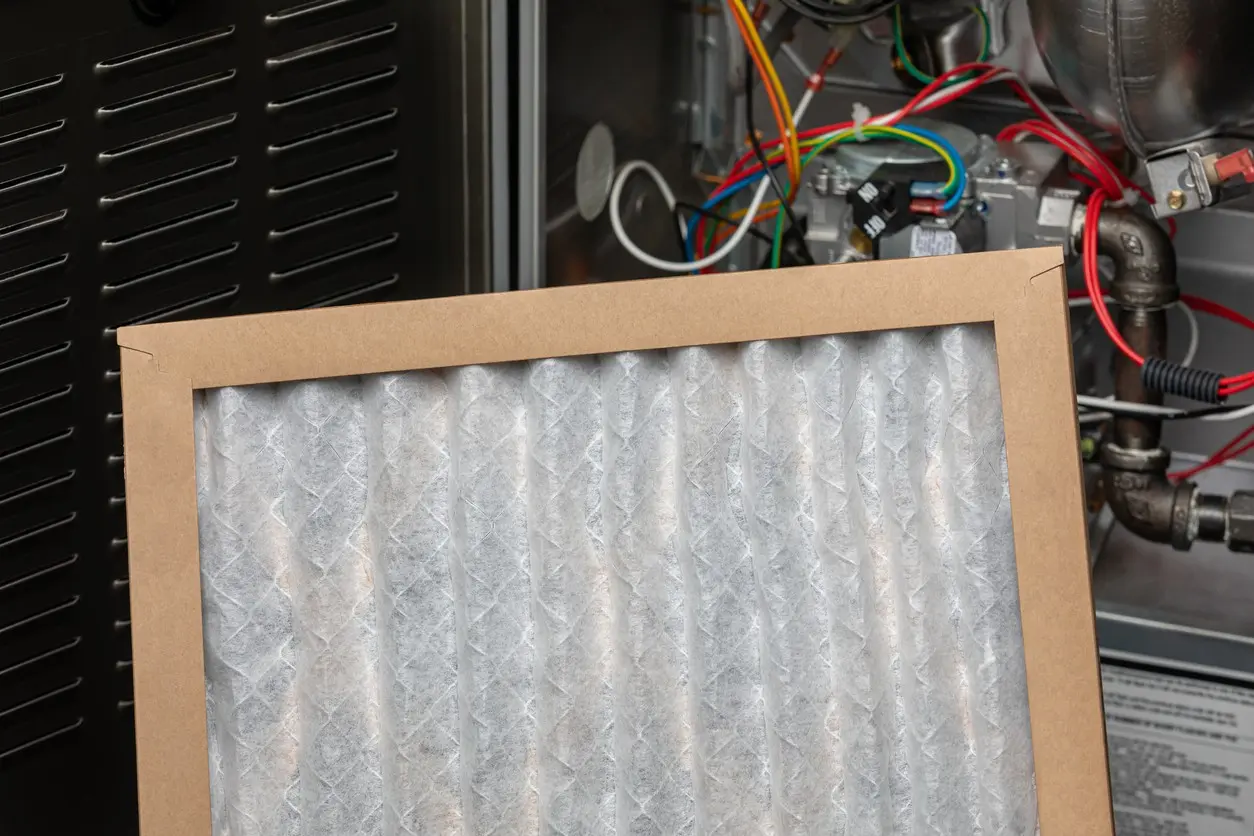
- Airflow Assessment: Restricted airflow caused by dirty filters or blower motor failure is a leading cause of system overheating.
- Thermostat Calibration: Ensuring the interface between your control unit and the heating equipment is communicating accurate temperature data.
- Heat Exchanger Inspection: A critical safety check to ensure there are no cracks that could leak carbon monoxide into the living space.
Heat Pump Specific Services
Many homes in this region rely on heat pumps due to the generally mild winters. However, when temperatures dip near freezing, these systems work harder. Service visits often focus on the defrost cycle and the auxiliary heating strips. If a heat pump is icing up and failing to defrost, or if the "emergency heat" is running constantly resulting in high bills, specific troubleshooting is applied to the reversing valve and refrigerant levels.
Furnace Maintenance and Optimization
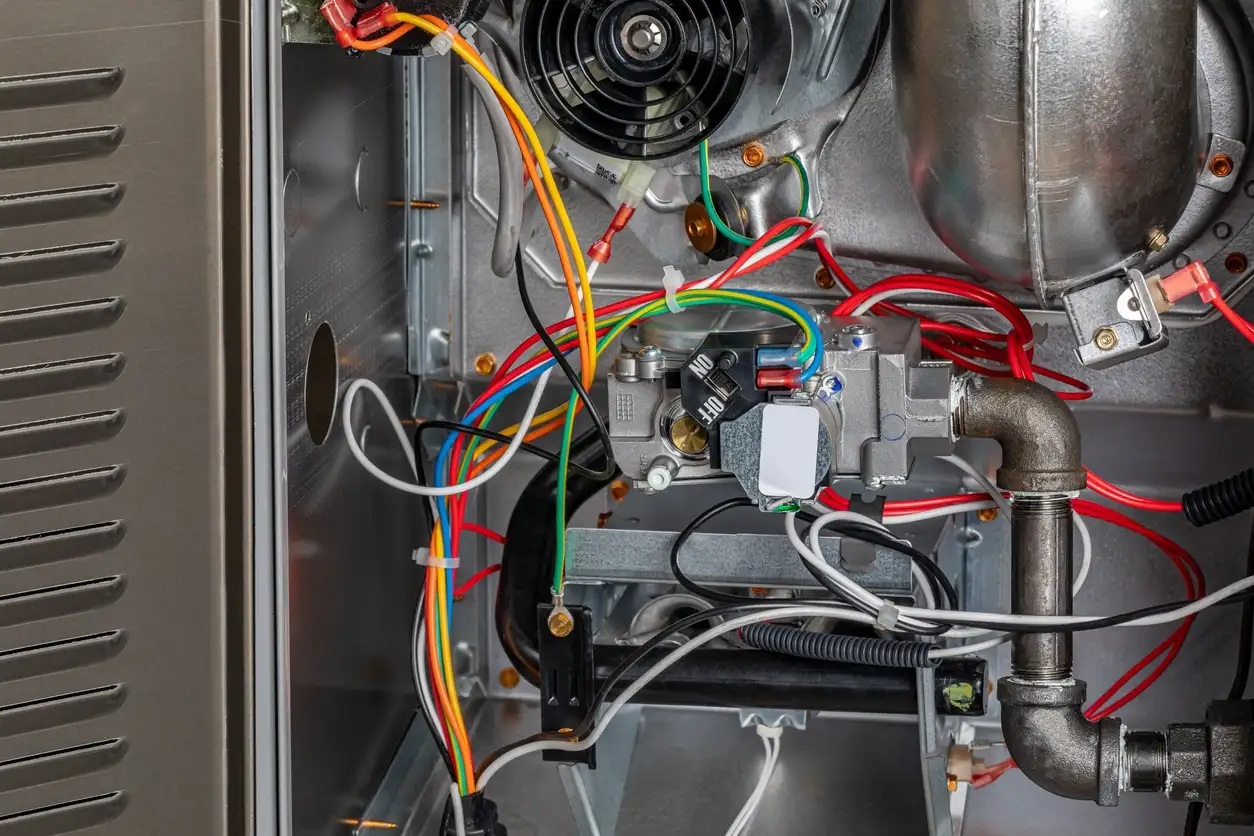
For homes utilizing gas or electric furnaces, the focus shifts to combustion efficiency and electrical integrity. Technicians inspect the burner assembly to ensure a clean burn, which maximizes fuel efficiency. They also tighten all electrical connections, as vibration over time can loosen wires, leading to arcing or component failure.
The Heating Repair and Installation Process
Understanding the workflow of a professional heating service call eliminates uncertainty. The process is designed to be transparent, efficient, and respectful of your property. From the moment a technician arrives, the focus is on technical precision and clear communication.
- Initial Assessment and Safety Check: Upon arrival, the technician conducts a site survey. This involves checking the thermostat settings, inspecting the physical unit, and testing for immediate safety hazards like gas leaks or electrical shorts.
- Diagnostic Testing: Using specialized multimeters and pressure gauges, the technician tests the system’s performance against manufacturer specifications. This step separates symptoms (like a cold house) from causes (like a failed capacitor).
- Presentation of Options: Once the issue is diagnosed, you receive a clear explanation of the findings. The technician presents options for repair versus replacement, including a breakdown of costs and timelines. No work begins without your explicit approval.
- Execution of Work: Whether it is replacing a worn-out part or installing a new unit, the work is performed according to industry best practices. Technicians protect your flooring and workspace, ensuring the area remains clean.
- System Testing and Validation: After the repair or installation is complete, the system is not just turned on; it is tested. Technicians measure temperature differentials (the difference between supply and return air) to verify the system is producing adequate heat.
- Final Walkthrough: The technician demonstrates the operation of the system, explains any new features (if a new thermostat or unit was installed), and answers maintenance questions before departing.
Deciding Between Heating Repair and System Replacement
Homeowners often face the difficult decision of whether to invest in repairs for an aging system or to opt for a full replacement. Making the right choice depends on a combination of financial logic and technical reality. While a quick repair might seem cheaper upfront, it can be more costly in the long run if the system is near the end of its lifecycle.
- The 50 Percent Rule: A common industry benchmark is the 50 percent rule. If the cost of the necessary repair approaches or exceeds 50 percent of the value of a new system, replacement is generally the wiser financial move. Investing heavy capital into a degrading asset often yields diminishing returns.
- Age of the Equipment: Heating systems generally last between 15 and 20 years, depending on maintenance history. If your heat pump or furnace is over 12 years old and requires a major component replacement, such as a compressor or heat exchanger, replacement is usually recommended. Newer systems offer significantly higher efficiency ratings (SEER2 and HSPF2), which can lower monthly utility bills, offsetting the installation cost over time.
- Frequency of Breakdowns: If you find yourself calling for service multiple times in a single season, the system has likely become unreliable. Recurring breakdown costs add up quickly. Furthermore, the inconvenience of unpredictable heating failures during the colder nights in Pamlico warrants a more permanent solution.
- Performance and Comfort: Old systems often struggle to maintain consistent temperatures, leading to hot and cold spots throughout the house. If the equipment can no longer keep up with the thermostat settings during a freeze, it may be undersized or simply worn out. Upgrading to a modern system with variable-speed blowers or two-stage heating can drastically improve indoor comfort levels.
Critical Considerations for Regional Homeowners
Operating a heating system in North Carolina requires attention to specific local factors. The climate, regulatory environment, and utility landscape all influence how you should manage your HVAC investment.
Local Climate and Seasonality
While winters here are milder compared to northern states, humidity remains a factor. A properly sized HVAC system must handle heating in the winter and dehumidification in the summer. During the transition months, systems often cycle on and off frequently. Ensuring your system has a properly functioning "defrost" mode is essential for heat pumps in this region, as morning frosts are common and can hinder system performance if not managed correctly by the equipment.
Permits and Code Compliance
Any major modification to your heating system, particularly full replacements or ductwork alteration, typically requires adherence to local building codes. Professional providers handle the permitting process, ensuring that the installation meets safety standards regarding electrical connections, gas piping, and venting. Unpermitted work can lead to fines, safety hazards, and complications when selling the home in the future.
Utility Rebates and Incentives
There are substantial financial incentives available for upgrading to high-efficiency heating systems.
- Federal Investment Tax Credit (ITC): Under the Inflation Reduction Act, homeowners can claim tax credits for installing qualified heat pumps and high-efficiency furnaces.
- Utility Rebates: Providers like Duke Energy and electric cooperatives often offer rebate programs for smart thermostat installations, duct sealing, and HVAC tune-ups.
- State Programs: The North Carolina Utility Commission and organizations like NCSEA often oversee programs designed to reduce grid load, providing incentives for energy-efficient upgrades.
Airtech Mechanical Service Inc. stays updated on these programs to help you maximize your savings during any installation or upgrade project.
Why Trust Professional Heating Technicians
Attempting DIY repairs on heating systems is dangerous and often ineffective. Modern HVAC equipment involves high-voltage electricity, combustible gases, and high-pressure refrigerants. Professional technicians undergo rigorous training to handle these elements safely.
- Accurate Load Calculation: Size matters in HVAC. An oversized unit will short-cycle, leading to wear and tear, while an undersized unit will run continuously without heating the home effectively. Professionals perform Manual J load calculations to determine exactly how much heating capacity your specific home structure requires, factoring in insulation, square footage, and window orientation.
- Access to OEM Parts: Professional services have supply chain access to Original Equipment Manufacturer (OEM) parts. Unlike generic universal parts found online, OEM components are engineered specifically for your unit, ensuring correct fit and optimal performance. This preserves the manufacturer's warranty and extends the lifespan of the repair.
- Warranty Protection: Most equipment manufacturers require proof of professional installation and maintenance to uphold the warranty. If a component fails under warranty, a professional service record ensures you can claim the replacement part without hassle. Additionally, reputable service providers offer labor warranties, guaranteeing their workmanship for a specific period after the service is performed.
- Safety Verification: Carbon monoxide leaks are a silent killer. Professional heating service includes testing combustion gases to ensure they are venting properly outside the home. For electric systems, technicians check for loose connections that could cause fire hazards. These safety verifications provide peace of mind that your family is safe while staying warm.
Secure Your Comfort With Expert Service
Delaying heating service can lead to frozen pipes, uncomfortable nights, and higher repair costs down the line. Whether you are dealing with a complete system shutdown or inefficient performance that is driving up your energy bills, professional intervention is the fastest path to a solution. By choosing a provider that understands the specific needs of Pamlico County homes, you ensure your heating system is efficient, safe, and reliable.
Don't let a heating failure disrupt your life. Contact us today to schedule your service or request an estimate for a system upgrade.
Other Services