

Heating Repair in Jacksonville, NC
Seeking quick and reliable heating repair services in Jacksonville? Our expert technicians are ready to restore warmth to your home. Call for immediate assistance!
Restore Warmth When Your Heating System Fails
Facing unpredictable heater breakdowns can disrupt your comfort at home, especially during Jacksonville's chilly winter nights. Our expert technicians are ready to restore your heating swiftly and efficiently. Contact us directly to schedule immediate service or apply for financing today.
- Get immediate assistance with our 24/7 emergency heating repair services.
- Enjoy peace of mind with a 1-year warranty on all repairs.
- Benefit from transparent pricing and no hidden fees.
Licensed, insured, and fully compliant with local codes for your safety and satisfaction. Airtech Mechanical Service Inc. is prepared to handle your heating emergencies with precision.
Comprehensive Heating Repair Services
When a heating system malfunctions, the primary goal is a rapid return to functionality without compromising safety. Professional repair services cover a wide spectrum of issues, ranging from minor electrical faults to major component failures. Residents in Jacksonville often rely on heat pumps or gas furnaces, each requiring specific diagnostic approaches.
The scope of a standard repair visit includes a thorough analysis of the system's performance. Technicians assess airflow, electrical connections, and fuel supply lines. If you have a furnace, the inspection prioritizes the heat exchanger and burner assembly to rule out carbon monoxide leaks. For heat pumps, the focus shifts to refrigerant levels, the reversing valve, and the auxiliary heating strips.
Repair services generally address the following common failures:
- Ignition or Pilot Control Problems: Modern systems rely on electronic ignition. If the igniter fails or the flame sensor is dirty, the furnace will not stay lit.
- Thermostat Malfunctions: Often, the issue is not with the unit itself but with the communication between the thermostat and the HVAC system.
- Mechanical Wear and Tear: Belts, bearings, and motors can degrade over time, leading to overheating or airflow restriction.
- Short Cycling: If the system turns on and off frequently, it indicates a safety switch tripping or an oversized unit, which requires immediate calibration.
- Noisy Operation: Squealing, banging, or rattling sounds often point to a loose mechanical part or a failing motor.
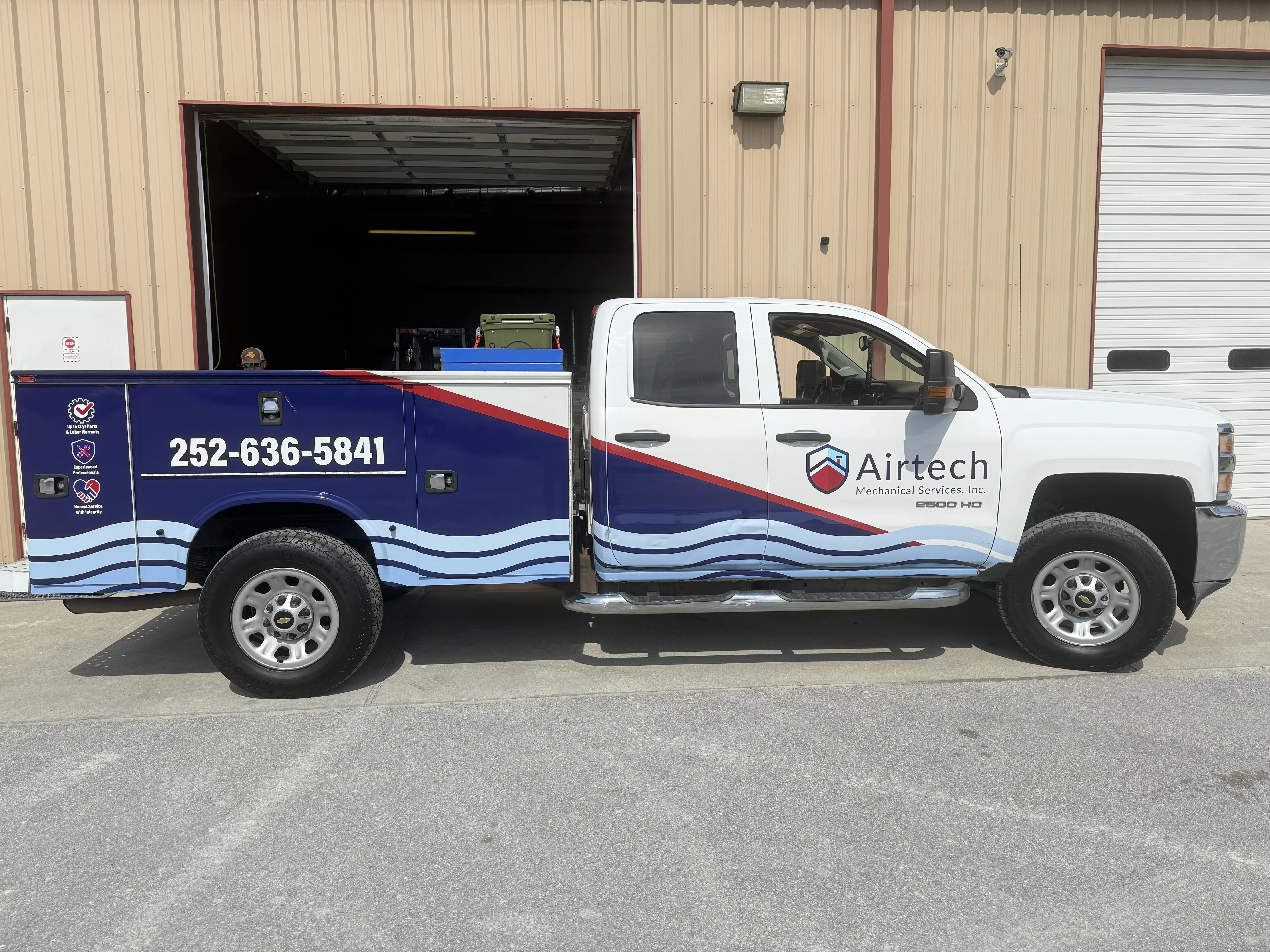
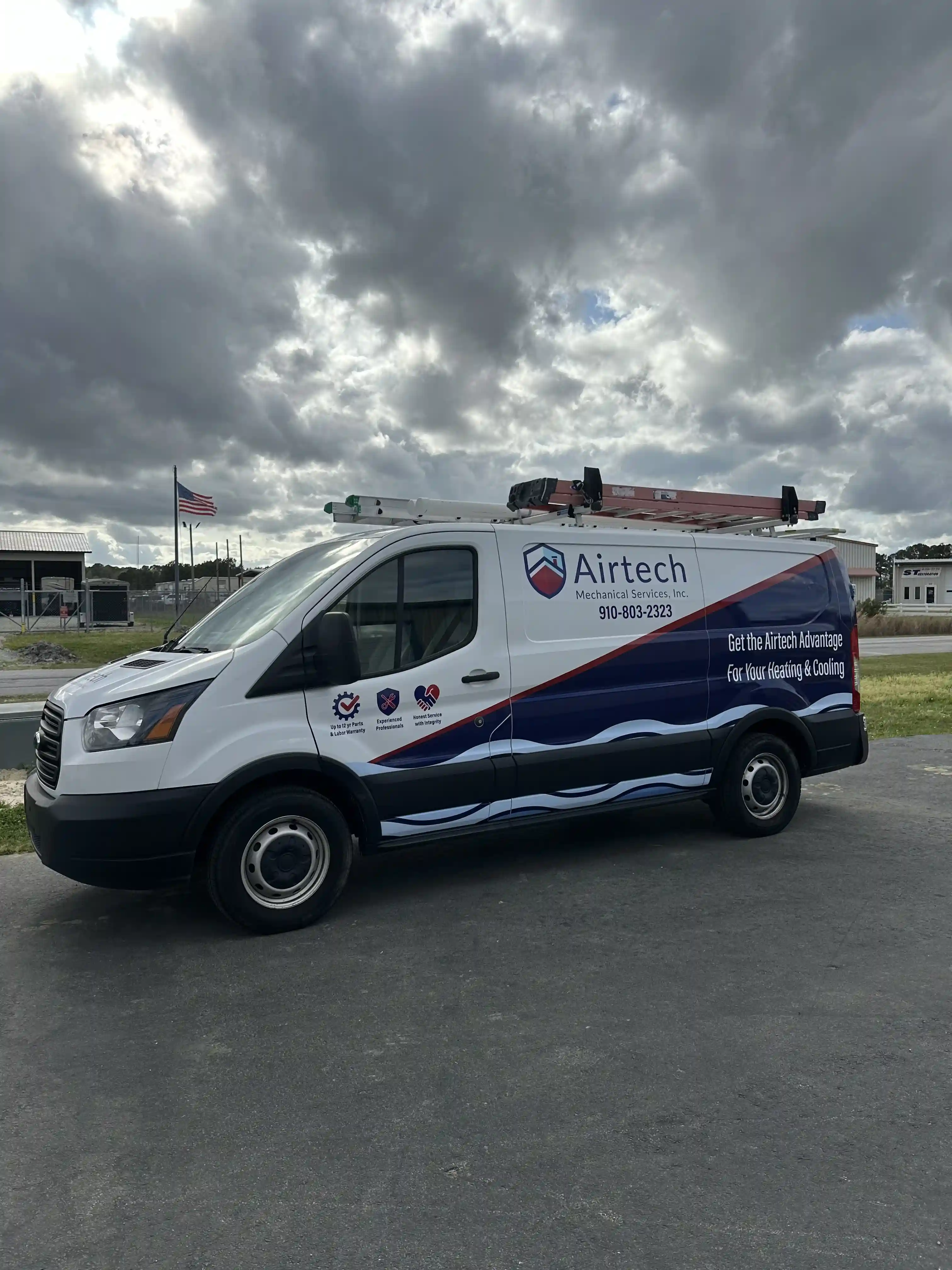
Technicians arrive with fully stocked vehicles to resolve most issues in a single visit. The objective is to identify the root cause, not just the symptom, to prevent recurring breakdowns.
.webp)
The Diagnostic and Repair Process
Understanding the steps involved in a professional repair helps manage expectations regarding timeline and outcome. A structured approach ensures that no component is overlooked and that the repair is durable.
- Initial System Assessment: The process begins with the technician cycling the system to replicate the failure. They listen for unusual noises and measure temperature differentials between the supply and return air. This establishes a baseline for performance and helps pinpoint the area of concern.
- Electrical and Mechanical Testing: Technicians use multimeters to check voltage and amperage across motors and compressors. This step ensures that components are receiving the correct power and operating within manufacturer specifications. For gas units, manometers are used to verify gas pressure at the manifold.
- Identifying the Failure Point: Once the data is collected, the technician isolates the failed part. Whether it is a blown capacitor, a seized blower motor, or a cracked heat exchanger, the specific component is identified.
- Quotation and Authorization: Before any work begins, you receive a clear explanation of the problem and a flat-rate price for the repair. This eliminates surprise costs. Work proceeds only after you authorize the solution.
- Execution of Repairs: The technician removes the faulty component and installs the new part. This phase also includes cleaning related areas, such as the flame sensor or blower wheel, to ensure optimal operation of the new part.
- Final Safety and Performance Check: After the repair is complete, the system is run through a full heating cycle. The technician verifies that the system reaches the set temperature, that safety limits are functioning, and that there are no gas or refrigerant leaks.
Determining When to Repair vs. Replace
Homeowners often face the difficult decision of whether to invest in another repair or opt for a full system replacement. Making the right financial choice depends on several technical and economic factors.
- The 50% Rule: A general guideline used in the industry is that if the cost of the repair approaches 50% of the value of a new system, replacement is usually the wiser investment. Major failures, such as a cracked heat exchanger or a blown compressor in an older unit, often fall into this category.
- System Age and Expectancy: Heat pumps in the coastal North Carolina climate typically last 10 to 15 years, while gas furnaces may last 15 to 20 years. If your equipment is nearing the end of this lifespan and requires a significant repair, the money is better spent on a more efficient, reliable unit.
- Frequency of Breakdowns: If you have required multiple repairs in the last two years, the system is likely entering a phase of rapid decline. Continuing to repair a "lemon" becomes a sunk cost. Replacing the unit stops the cycle of unpredictable expenses.
- Energy Efficiency Considerations: Older systems often operate at lower AFUE (Annual Fuel Utilization Efficiency) or SEER ratings. A modern system can lower utility bills significantly. If your current energy costs are rising despite normal usage, the internal efficiency of the unit has likely degraded.
- Comfort Consistency: If the system can no longer maintain a consistent temperature, or if some rooms are significantly colder than others despite ductwork being intact, the unit may have lost the compression or combustion capacity required to heat the home effectively.
Local Heating Considerations in Onslow County
Operating a heating system in Jacksonville requires attention to specific regional factors. The local climate and regulatory environment influence how repairs are conducted and how systems should be maintained.
- Humidity and Corrosion: Even in winter, the coastal humidity can affect HVAC equipment. Moisture can lead to corrosion on electrical contacts and sensors. Heat pumps, which sit outside year-round, are particularly susceptible to the salt air if located near the coast. Technicians check for corrosion on the outdoor coil and electrical disconnects during every repair.
- Auxiliary Heat Usage: Because winters are generally mild but can drop below freezing, heat pumps rely on "heat strips" (emergency heat) during extreme cold. If your electric bill spikes suddenly, it often means the heat pump compressor has failed, and the system is running entirely on these expensive resistive heating elements. Verifying the transition between the heat pump and auxiliary heat is a critical part of local repair services.
- Permitting and Code Compliance: Onslow County has specific mechanical codes regarding gas piping and venting. Major repairs involving gas lines or the replacement of combustion venting must adhere to these safety standards. Professional technicians ensure that all work is compliant with current North Carolina mechanical codes to protect your property and insurance validity.
- Seasonal Transition: The need for heating repair often spikes during the first cold snap of the year. Systems that have sat dormant since the previous winter may have seized motors or dust accumulation on the burners. Scheduling inspections before the temperature drops ensures readiness for the winter season.
Why Technical Certification Matters
The quality of a heating repair is directly tied to the skill level of the technician performing it. Modern HVAC equipment is complex, utilizing advanced electronics and variable-speed motors that require specialized training to diagnose correctly. Airtech Mechanical Service Inc. employs technicians who are rigorously trained to handle these complexities.
- Accurate Diagnostics: Certified professionals use data, not guesswork. This ensures that you do not pay for parts you do not need. Misdiagnosis is the leading cause of repeat callbacks in the industry.
- Safety Protocols: Handling high-voltage electricity and combustible gases requires strict adherence to safety protocols. Professionals carry the necessary insurance and certifications to mitigate risk to your home and family.
- Warranty Protection: Most manufacturer warranties require that repairs be performed by a licensed professional. DIY repairs or work done by unlicensed handymen can void the warranty on expensive equipment.
- Proper Tools and Inventory: Professional service trucks are mobile warehouses stocked with universal parts and specialized tools. This preparation allows for same-day solutions for the vast majority of heating issues, restoring warmth to your home without unnecessary delays.
If your heating system is failing to keep your home comfortable, do not wait for a complete breakdown. Secure professional repair services to ensure safety and efficiency.
Focused Repairs That Restore Heating Accuracy
Professional heating repair in Jacksonville, NC, resolves performance issues affecting output control and system response. Airtech Mechanical Service Inc. identifies mechanical and control-related faults rather than applying surface-level adjustments. Delayed repairs often escalate system stress. Our technicians restore proper heating operation with precision.
Recover dependable heating performance through repairs executed with technical discipline.
Proceed With Professional Heating Repair Services
Other Services