

Heating Installation in Pamlico, NC
Discover the benefits of professional heating installation in Pamlico. Ensure reliable and efficient heating solutions for your home. Schedule your consultation now!
Is Your Current Heating System Leaving You in the Cold?
When winter temperatures drop in Pamlico, an unreliable heater turns your home from a sanctuary into an uncomfortable icebox, forcing you to scramble for blankets and space heaters. Contact us today to schedule a comprehensive assessment or call for financing details regarding your new installation.
Homeowners in Eastern North Carolina understand that humidity and chill can create a bone-deep cold that requires a robust, efficient heating solution. Waiting until your system completely fails often results in rushed decisions and higher costs. Airtech Mechanical Service Inc. provides precision installation services designed to restore consistent warmth and lower your monthly energy expenditures.
- Speedy installation service available to restore comfort quickly.
- Transparent pricing structures with absolutely no hidden fees.
- Extended warranties on new units for long-term peace of mind.
Our team is fully licensed and insured, offering attractive financing options to ensure you get the system you need without delay.
Comprehensive Heating Installation Solutions
Investing in a new heating system is about more than just swapping out a metal box; it is about engineering a solution that fits the specific thermal envelope of your property. In Pamlico and the surrounding areas, homes vary significantly in age, insulation quality, and ductwork design. A "one-size-fits-all" approach leads to uneven heating, high humidity issues, and premature equipment failure.
When you choose a professional installation, you are securing a system that is sized correctly for your square footage and lifestyle. Oversized units cycle on and off too frequently, leading to wear and tear, while undersized units run constantly without ever achieving the set temperature. The goal is to achieve a balance that maintains comfort while maximizing the Annual Fuel Utilization Efficiency (AFUE) or Heating Seasonal Performance Factor (HSPF) ratings.
Our installation scope covers every aspect of the transition to a new system:
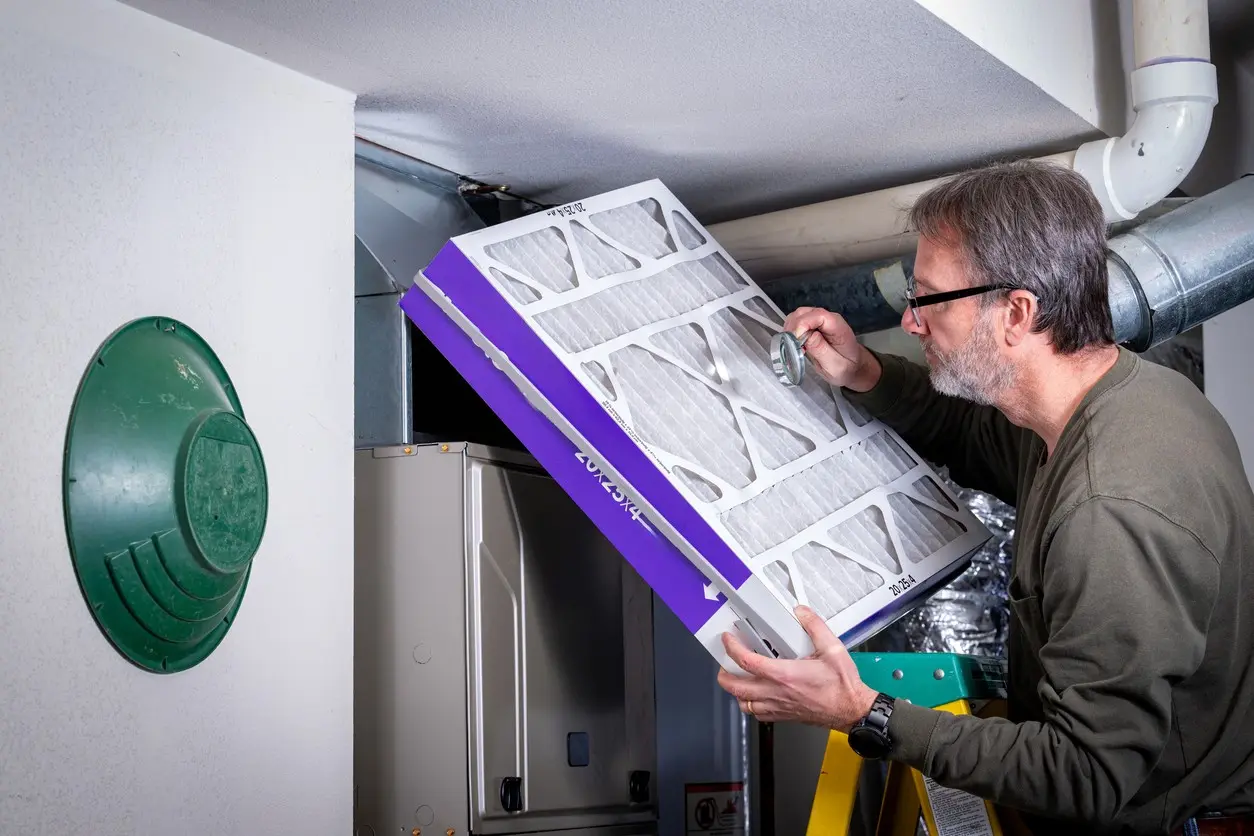
- Full Site Evaluation: We assess your current ductwork, insulation levels, and windows to perform a proper load calculation.
- System Selection: We help you choose between furnaces, heat pumps, or dual-fuel systems based on your fuel availability and efficiency goals.
- Safe Removal: We disconnect and properly dispose of your old equipment, adhering to all environmental regulations.
- Precision Installation: We install the new unit, ensuring all gas, electrical, and refrigerant connections meet strict safety codes.
- Post-Installation Testing: We run the system through a full cycle to verify airflow, combustion safety, and thermostat calibration.
The Installation Process: What to Expect
Replacing a heating system is a significant construction project within your home, but a structured process minimizes disruption and ensures technical accuracy. We utilize a systematic approach to ensure that every installation meets manufacturer specifications and local building standards.
- Initial Assessment and Load Calculation: The process begins with a Manual J load calculation. This industry-standard calculation considers the square footage, orientation of the home, insulation values, and even the number of occupants. This step determines the exact British Thermal Unit (BTU) capacity required to heat your home efficiently. Skipping this step often leads to the installation of equipment that is either too powerful or too weak for the space.
- Workspace Preparation: Before any equipment is moved, technicians prepare the workspace. This involves laying down drop cloths to protect flooring and ensuring there is a clear path to the utility closet, attic, or crawlspace. Safety is paramount, so gas lines and electrical circuits are shut off and verified before work begins.
- Equipment Removal and Disposal: The old furnace or heat pump is disconnected. If it is a gas unit, the flue pipe and gas lines are carefully capped. For heat pumps, refrigerant is pumped down or recovered according to EPA guidelines to prevent atmospheric venting. The old unit is then removed from the property for recycling or proper disposal.
- Ductwork and Infrastructure Inspection: With the old unit gone, the connection points to the ductwork are accessible. This is the ideal time to seal any visible leaks and verify that the plenum (the air distribution box) is sound. If the new unit has different physical dimensions, the sheet metal is modified to ensure an airtight fit.
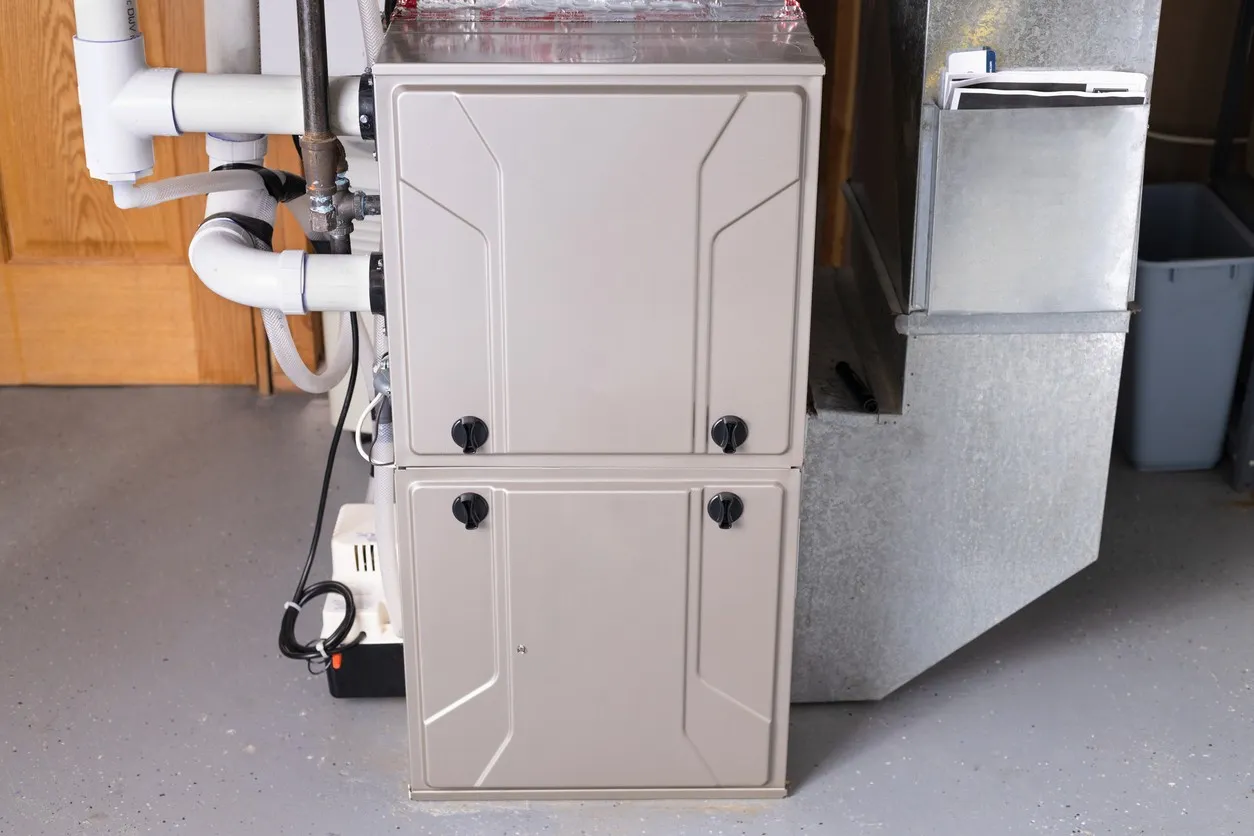
- System Placement and Connection: The new unit is set in place. For furnaces, this involves connecting the flue for ventilation, the gas line, and the electrical supply. For heat pumps, this involves brazing copper refrigerant lines and connecting the low-voltage control wires. A new thermostat or control system is often installed at this stage to communicate effectively with the modern equipment.
- Commissioning and Calibration: Once physically installed, the system is not just turned on; it is commissioned. Technicians measure static pressure in the ducts to ensure the blower motor is not overworking. They check gas pressure at the manifold for furnaces or verify sub-cooling and superheat levels for heat pumps.
- Final Walkthrough: The final step involves explaining the operation to the homeowner. This includes how to use the programmable thermostat, how to change filters, and what maintenance is required to keep the warranty valid.
Determining When Replacement Beats Repair
Deciding between repairing an aging system and investing in a new installation is a common dilemma for homeowners. While a quick repair might seem cheaper upfront, it is often a temporary fix for a dying system. There are specific metrics and indicators that suggest replacement is the more financially sound option.
- The 50% Rule: If the cost of the repair approaches 50% of the value of the system or the cost of a new unit, replacement is generally the better investment. Dumping money into a depreciating asset rarely yields a return.
- Age of the Equipment: Heating systems have a finite lifespan. Heat pumps typically last 10 to 15 years, while gas furnaces may last 15 to 20 years. If your system is within this age range and requires a significant repair, parts are likely becoming obsolete, and efficiency has degraded significantly.
- Rising Energy Bills: As systems age, they lose efficiency due to wear on internal components and dirt accumulation. If your heating bills are steadily climbing despite usage remaining the same, the system is working harder to produce the same amount of heat. A modern, high-efficiency unit can reduce energy consumption by 20% to 40%.
- Frequent Breakdowns: If you have needed service calls more than once in the last two seasons, the system is becoming unreliable. The cumulative cost of service fees and minor parts often exceeds the monthly payment of a financed new installation.
- Uneven Heating and Comfort Issues: Old systems often struggle to push air to the furthest rooms in the house. If some rooms are freezing while others are roasting, the blower motor or heat exchanger may be failing. Humidity issues in the winter, such as dry air or clammy cold spots, also indicate that the system can no longer condition the air effectively.
Local Considerations for Heating in Pamlico
Installing a heating system in Pamlico requires specific knowledge of the local climate and infrastructure. The humid subtropical climate means that while winters are generally mild compared to the north, they still experience freezing temperatures that require reliable heat. Furthermore, the high humidity levels in the region mean that your HVAC system plays a dual role: it must heat the air in winter but also be capable of handling moisture control if it is a heat pump system.
- Fuel Source Availability: In this region, fuel availability dictates the type of system you can install. Many homes rely on electric heat pumps due to the moderate winters. However, homes with access to natural gas often prefer gas furnaces for the "hotter" heat they provide. In more rural areas without gas lines, dual-fuel systems (combining a heat pump with a propane backup furnace) are an excellent strategy for handling cold snaps efficiently.
- Permitting and Code Compliance: Any heating installation involves permitting and inspections. Local codes in Pamlico County ensure that gas piping is pressure-tested to prevent leaks and that electrical connections are grounded properly. This is not just red tape; it is a safety verification. Unpermitted work can complicate future home sales and may even void your homeowner's insurance policy in the event of a fire. Airtech Mechanical Service Inc. handles the permitting process, ensuring that every installation passes inspection and adheres to the latest safety standards.
- Coastal Environment Factors: The proximity to water introduces salt and moisture into the air, which can accelerate corrosion on outdoor units. When selecting a new system, it is crucial to consider protective coatings for condenser coils or choosing units specifically designed for coastal environments to extend the equipment's lifespan.
- Ductwork in Crawlspaces: Many local homes are built on crawlspaces due to the water table. Ductwork located in unconditioned crawlspaces is susceptible to condensation and heat loss. During installation, assessing the condition of the duct insulation and vapor barriers is essential to ensure that the heat you pay for actually reaches your living space rather than heating the underside of your house.
Types of Heating Systems Available
Understanding your options helps in making an informed decision. Modern technology offers several paths to home comfort, each with distinct advantages.
- Heat Pumps: These are highly efficient electrical devices that move heat rather than generating it. In the winter, they extract heat from the outside air and pump it inside. They are capable of both heating and cooling, making them a versatile choice for the North Carolina climate. Modern variable-speed heat pumps can operate efficiently even when temperatures drop below freezing.
- Gas Furnaces: For homes with natural gas connections, furnaces offer powerful, rapid heating. They are rated by AFUE (Annual Fuel Utilization Efficiency). A 90% AFUE furnace converts 90% of the gas into heat, with only 10% lost up the flue. High-efficiency models can reach up to 98% AFUE.
- Dual Fuel (Hybrid) Systems: These systems combine an electric heat pump with a gas furnace. The heat pump handles the moderate heating loads (which is most of the winter), and the furnace kicks in only during extreme cold when the heat pump becomes less efficient. This optimizes energy costs across the entire season.
- Ductless Mini-Splits: For room additions, garages, or homes without existing ductwork, Ductless Mini-Splits provide targeted heating. They are incredibly efficient and allow for zoning, meaning you can heat specific rooms without wasting energy on the whole house.
Why Professional Installation is Non-Negotiable
While DIY projects are popular, heating installation is strictly a job for licensed professionals. The complexity of modern HVAC equipment involves high-voltage electricity, combustible gases, and high-pressure refrigerants.
- Warranty Protection: Manufacturers of heating equipment include explicit clauses in their warranties requiring installation by a licensed HVAC contractor. If a component fails and you cannot prove professional installation, the manufacturer will likely void the warranty, leaving you responsible for the full cost of repairs.
- Safety Assurances: Improperly installed gas furnaces can leak carbon monoxide, a colorless, odorless, and deadly gas. Improperly wired heat pumps can cause electrical fires. Professional installers use specialized tools to verify that combustion is venting correctly and that all electrical loads are balanced.
- Efficiency Optimization: The most expensive equipment will perform poorly if installed incorrectly. A 20 SEER heat pump might only perform at 14 SEER if the refrigerant charge is incorrect or if the airflow is restricted. Professional commissioning ensures you get the efficiency you paid for, translating to tangible savings on monthly utility bills.
- Long-Term Reliability: A system that is installed correctly from day one experiences less stress on its components. Motors run cooler, compressors last longer, and heat exchangers are less prone to cracking. Professional installation is an investment in the longevity of the system.
Secure Your Comfort with Expert Installation
Winter weather does not wait for you to be ready. Ensuring your home is equipped with a modern, efficient, and reliable heating system is the only way to guarantee comfort when the temperature drops. Do not let an aging unit dictate your comfort or your budget.
Airtech Mechanical Service Inc. brings years of experience and technical precision to every project. We ensure that your new system is sized, installed, and calibrated to provide optimal performance for years to come. Take control of your home’s climate today.
Contact us now to discuss your heating installation options and schedule your consultation.
Other Services