

Heating Installation in Atlantic Beach, NC
Ensure your home is cozy this winter with our specialized heating installation services in Atlantic Beach, NC. Licensed and insured for your peace of mind.
Is Your Heating System Failing to Keep Up with Coastal Cold Fronts?
As temperatures drop and the humidity shifts in Atlantic Beach, NC, do not let your home's comfort level fall due to an unreliable system. Ensure your heating system can handle the region's specific climate demands with our expert installation services. Contact us today or apply for financing to restore your home's warmth immediately.
In the coastal environment, a failing heater affects more than just temperature; it impacts humidity control and indoor air quality. Whether you are dealing with a complete system breakdown or a unit that simply cannot maintain a consistent temperature, securing a professional replacement is the fastest path to restoring your peace of mind.
- Ensure consistent warm comfort with expert installation from local, certified technicians who understand coastal weather patterns.
- Experience reliability with availability for urgent heating assessments and timely scheduled installations.
- Benefit from top-rated local service backed by verified licensing, insurance, and professional execution.
All installations are fully licensed, insured, and backed by a comprehensive warranty to protect your investment.
What to Expect from a Modern Heating Installation
Investing in a new heating system is about more than just swapping out a box; it is about upgrading the infrastructure that manages your home’s climate. Modern systems offer significantly higher efficiency ratings compared to units manufactured even a decade ago. This translates to lower monthly utility bills and a reduced carbon footprint. When you initiate an installation project, the focus is on creating a system that balances temperature, humidity, and airflow.
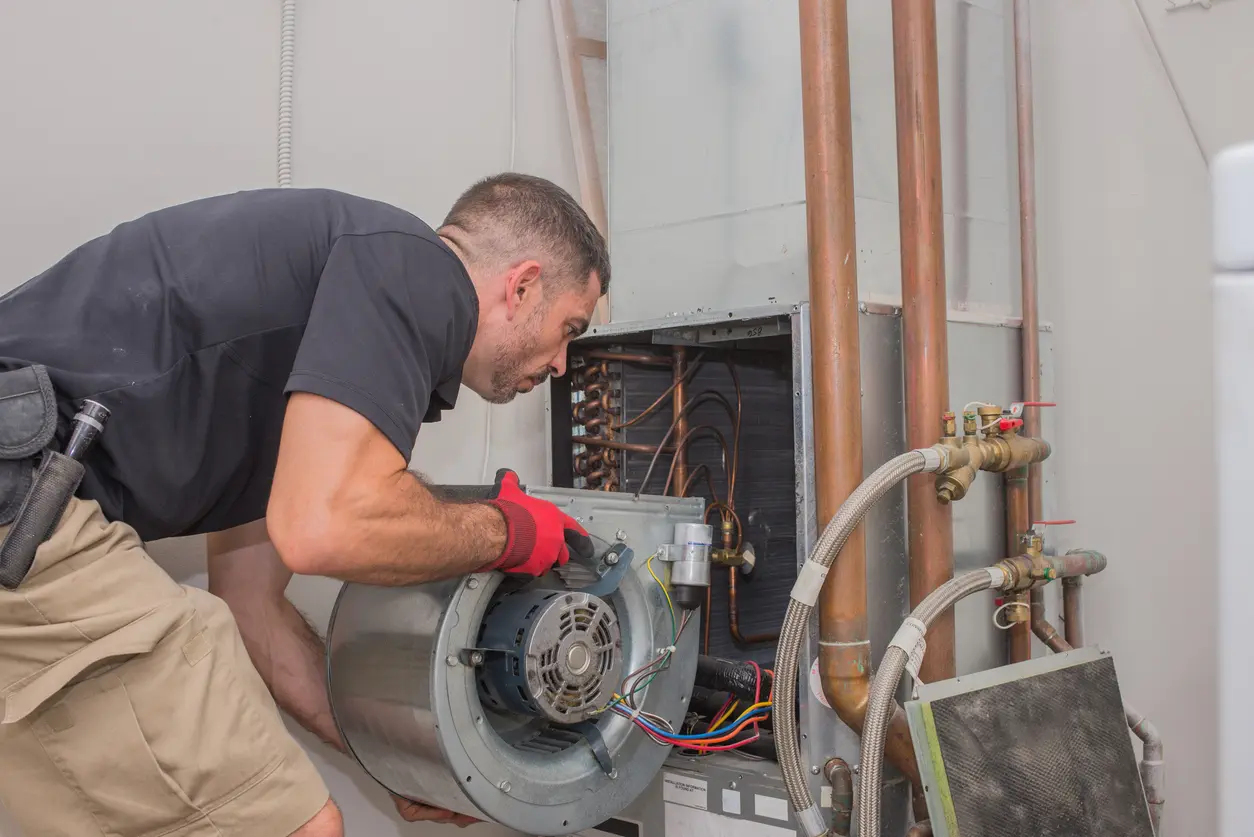
Airtech Mechanical Service Inc. ensures that every installation meets rigorous industry standards. You receive a complete solution that includes the removal of old equipment, inspection of existing ductwork, and the integration of new, high-efficiency machinery. The scope of work typically involves calculating the precise heating load required for your specific floor plan. This calculation prevents the common issue of "short cycling," where an oversized unit turns on and off too frequently, or the struggle of an undersized unit running perpetually without reaching the set temperature.
Included in a standard installation are the secure placement of the unit, connection to fuel or power sources, and the calibration of the thermostat to ensure seamless communication with the new hardware. Furthermore, modern installations often include upgraded filtration capabilities, which are essential for maintaining indoor air quality in a humid, coastal environment.
The Installation Process: From Assessment to Ignition
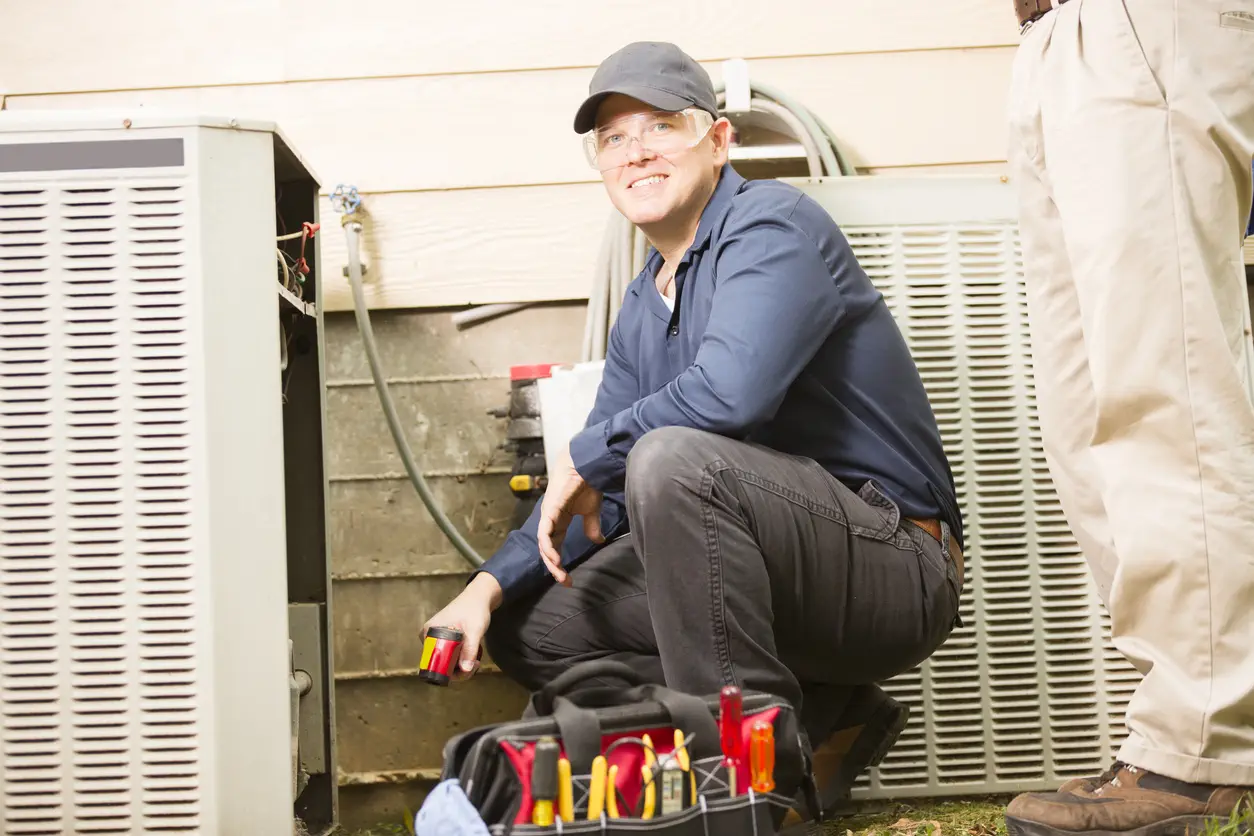
A professional heating installation follows a strict, sequential process designed to minimize disruption to your daily life while maximizing the longevity of the system. This is not a rushed job; it is a calculated engineering task.
- Load Calculation and Sizing: The process begins with a Manual J load calculation. Technicians measure your home’s square footage, insulation levels, window types, and orientation to determine the exact British Thermal Unit (BTU) capacity needed. This ensures the unit is neither too large nor too small.
- Site Preparation: Technicians prepare the installation site by laying down protective coverings for your floors and furniture. The area around the existing unit is cleared to ensure safe removal.
- Removal and Disposal: The old unit is disconnected from the electrical grid and gas lines. It is then carefully removed from the property. All refrigerants (if applicable, such as in heat pumps) are recovered according to environmental regulations.
- Ductwork and Airflow Inspection: Before the new unit is placed, the existing ductwork is inspected for leaks, disconnects, or accumulation of debris. Sealing these leaks is critical to ensuring the heat actually reaches your living spaces rather than being lost in the attic or crawlspace.
- Equipment Placement: The new furnace or heat pump is positioned and leveled. For outdoor units, this involves ensuring the pad is stable and elevated enough to avoid standing water or debris accumulation common in storm-prone areas.
- System Connections: High-voltage electrical wiring, low-voltage control wiring, gas piping (for furnaces), and condensate drain lines are connected. Flue pipes are installed for safe venting of combustion gases.
- Testing and Calibration: Once physically installed, the system is powered on. Technicians measure static pressure, temperature rise, and gas flow pressure. The thermostat is programmed and tested to verify it controls the system correctly.
- Final Walkthrough: The technician explains the operation of the new system, discusses filter maintenance schedules, and reviews warranty details with you.
Critical Signs That Replacement Is Better Than Repair
Homeowners often struggle with the decision of whether to repair a faltering unit or invest in a full replacement. While repairs can extend the life of a system, there is a distinct tipping point where replacement becomes the more improved financial and logical choice.
- Age of the Unit: Most heat pumps and furnaces have a lifespan of 10 to 15 years. If your unit is approaching or has exceeded this range, parts will become harder to source, and catastrophic failure becomes statistically more likely.
- Frequency of Breakdowns: If you are calling for service multiple times in a single season, the cost of cumulative repairs will quickly approach the cost of a down payment on a new system. This is often referred to as the "50% rule"—if the repair cost is 50% of the value of a new system, replacement is advised.
- Rising Energy Costs: A steady increase in heating bills, despite consistent usage habits, indicates that the internal components are wearing down and losing efficiency. New systems operate at higher AFUE (Annual Fuel Utilization Efficiency) or HSPF (Heating Seasonal Performance Factor) ratings, which can drastically cut operational costs.
- Uneven Heating and Cold Spots: As compressors and blowers weaken, they lose the ability to push air effectively to the furthest rooms of the house. If some rooms are freezing while others are hot, the system lacks the power to distribute air evenly.
- Strange Noises or Smells: Grinding, squealing, or rattling noises suggest severe mechanical wear. Persistent burning smells or musty odors can indicate cracked heat exchangers or mold growth within the system, both of which are serious safety and health hazards.
When you choose Airtech Mechanical Service Inc. for your assessment, the goal is to provide a transparent analysis of the system's condition so you can make an educated decision based on data, not guesswork.
Navigating Local Climate and Regulatory Factors
Installing heating equipment in Atlantic Beach requires specific attention to the coastal environment. The salt air and high humidity present unique challenges that inland installations do not face.
- Corrosion Protection: Standard equipment can deteriorate rapidly when exposed to salt spray. It is vital to select units with enhanced corrosion protection or apply protective coatings to the condenser coils. This prevents the aluminum and copper components from oxidizing, which leads to refrigerant leaks and efficiency loss.
- Humidity Management: While heating is the primary goal, the system must also handle the shoulder seasons where humidity is high but temperatures are mild. Two-stage or variable-speed equipment is highly recommended for the coast. These systems run for longer periods at lower capacities, which effectively pulls moisture out of the air without overheating the home.
- Permitting and Codes: Every installation must adhere to local building codes and safety regulations. This includes obtaining the necessary mechanical permits before work begins. Inspections verify that gas lines are pressure-tested, electrical connections meet code, and venting is compliant with safety standards to prevent carbon monoxide buildup.
- Flood Elevation: For outdoor units (heat pumps), local ordinances regarding flood zones may dictate how high the unit must be elevated. Properly elevating the unit protects it from potential storm surges or localized flooding during heavy rain events.
Technical Standards and Equipment Selection
Choosing the right type of heating equipment is essential for efficiency and comfort. In this region, heat pumps are a prevalent choice due to the moderate winter temperatures, but gas furnaces remain a viable option for those prioritizing rapid heating.
- Heat Pumps: These systems move heat rather than generating it. In the winter, they extract heat from the outside air and transfer it indoors. Modern heat pumps are effective even when temperatures drop near freezing. They serve a dual purpose, acting as air conditioners in the summer, making them a versatile year-round solution.
- Gas Furnaces: For homes with access to natural gas or propane, furnaces provide powerful, reliable heat. They are measured by AFUE ratings. A standard modern furnace is 80% efficient, while high-efficiency models can reach up to 98%, meaning nearly all the fuel is converted into heat for the home.
- Electric Air Handlers: Often paired with heat pumps, these units contain electric resistance heating strips. They serve as a backup heat source during extreme cold snaps when the heat pump cannot keep up with the heat loss of the building.
- Thermostats and Zoning: The brain of the system is the thermostat. Smart thermostats allow for remote monitoring and geofencing, adjusting the temperature based on whether you are home or away. Zoning systems allow different areas of the home to be heated to different temperatures, reducing energy waste in unoccupied rooms.
Why Homeowners Trust Us with Their Comfort
Selecting an installation partner is as important as selecting the equipment itself. The quality of the installation dictates 70% of the system's efficiency and longevity. A top-tier unit installed poorly will underperform and fail prematurely.
- Technical Expertise: Technicians undergo rigorous training to stay updated on the latest HVAC technologies, refrigerant handling protocols, and safety standards. This ensures that every connection is secure and every setting is optimized.
- Verification and Testing: The job is not considered complete until the system has been fully tested. This includes verifying airflow through the registers, checking the temperature differential across the coil, and ensuring the thermostat is reading accurately.
- Detailed Warranties: Professional services come with warranty protection. This covers both the manufacturer’s warranty on the parts and a labor warranty on the installation work. This protection ensures that if an issue arises post-installation, you are not left covering the costs of correction.
- Respect for Property: Installation teams treat your home with respect. This means using drop cloths, wearing shoe covers, and thoroughly cleaning the workspace after the project is finished. The only evidence of the work should be the comfort of the new system.
Reliable heating is a necessity for protecting your home and family during the winter months. By choosing a reputable provider, you ensure that your investment delivers consistent performance for years to come. Airtech Mechanical Service Inc. is dedicated to providing high-quality installations that meet the unique needs of coastal homeowners.
Call Us Now!
Don't wait for a total system failure on the coldest night of the year. Schedule your heating installation estimate today.
Other Services