

Geothermal Service in Pamlico, NC
Explore efficient geothermal solutions in Pamlico for significant savings on energy costs. Offering year-round comfort with lower maintenance. Schedule an assessment today!
Cut Your Rising Energy Costs with Reliable Geothermal Solutions
Sweating through the humid summer heat or shivering through the damp, chilly nights in Pamlico can be frustrating, especially when your current HVAC system causes your utility bills to skyrocket. It is time to consider a geothermal system that delivers cost-effective and efficient heating and cooling all year round, regardless of the unpredictable weather patterns outside. For immediate assistance with system sizing or to discuss financing options, contact our team directly today.
Airtech Mechanical Service Inc. specializes in transitioning homeowners away from inefficient, traditional HVAC units toward advanced geothermal technology. This method utilizes the stable temperature of the earth to regulate your home's climate, offering a sustainable solution to the extreme temperature swings common in North Carolina:
- Enjoy up to a 50% reduction in monthly energy bills compared to traditional furnaces and air conditioners.
- Experience dependable comfort throughout the year, even during peak humidity or freezing temperatures.
- Benefit from long-lasting solutions with minimal maintenance requirements compared to conventional outdoor condensing units.
Backed by comprehensive warranties and attractive financing options, upgrading to geothermal is a strategic financial and comfort decision for your property.
Beat the Climate Extremes: Geothermal Systems for Year-Round Comfort
The climate in this region presents a unique challenge for standard air-source heat pumps and central air conditioners. Summers are characterized by high humidity and temperatures often reaching the 90s, while winters bring damp cold that chills to the bone. Traditional systems struggle because they try to extract heat from freezing outside air in winter or dump heat into already scorching air in summer. This fight against thermodynamics forces the equipment to work harder, consuming massive amounts of electricity and wearing down components rapidly.
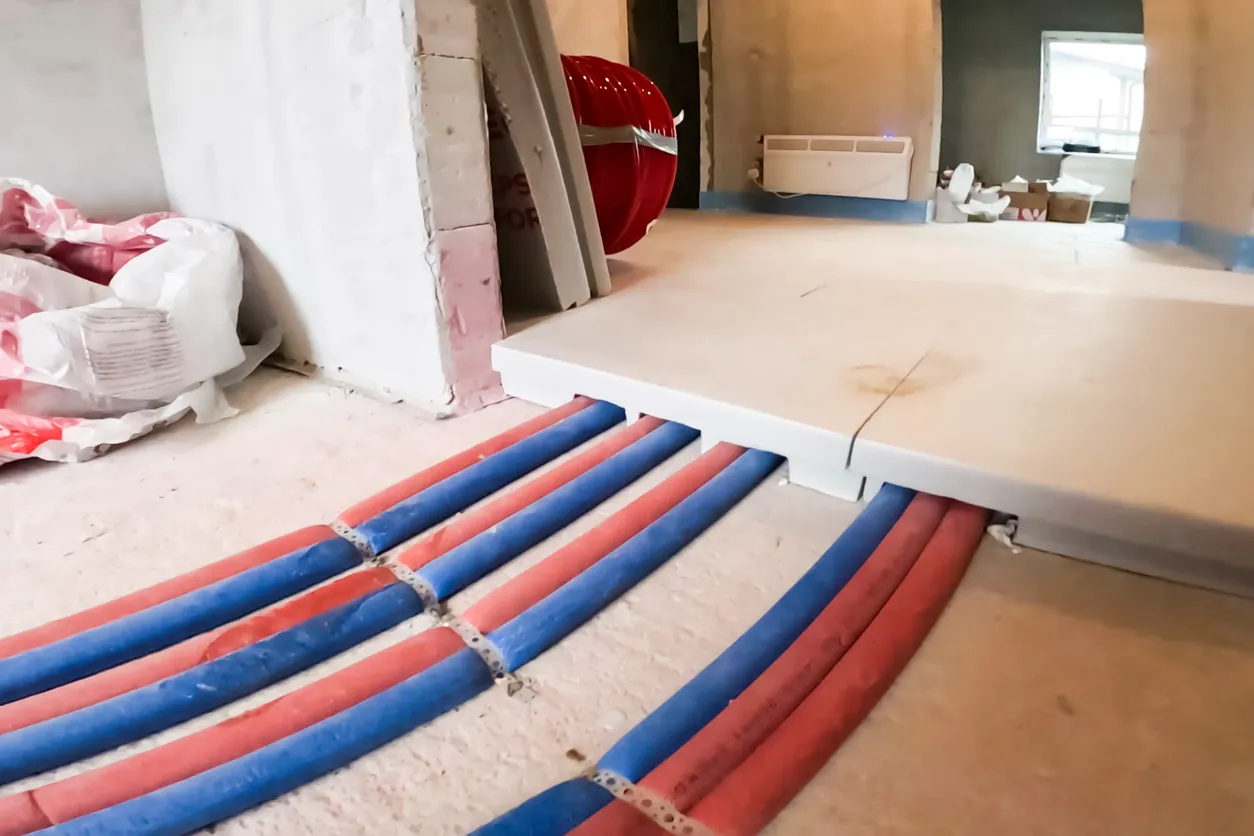
Geothermal systems bypass this struggle entirely. Instead of battling the fluctuating air temperature, the system connects to the earth a few feet below the surface. Regardless of whether it is snowing or sweltering in Pamlico, the ground temperature remains relatively constant, usually between 50°F and 60°F:
- Summer Cooling: The system absorbs heat from your home and transfers it into the cooler earth. Because the ground is much cooler than the air, this heat exchange is incredibly efficient. Additionally, geothermal systems are superior at dehumidification, which is critical for local comfort.
- Winter Heating: The system extracts heat from the relatively warm earth and concentrates it to warm your home. Because the heat source is stable, you do not experience the "cold blow" associated with air-source heat pumps during defrost cycles.
What to Expect from Your Geothermal Installation
Transitioning to geothermal energy is more involved than simply swapping out a box on the side of your house. It is a construction project that integrates your home with the land it sits on. Understanding the scope of work ensures you are prepared for the timeline and the process:
- Site Evaluation and System Design: Before any equipment is ordered, a thorough Manual J load calculation is performed to determine exactly how much heating and cooling your home requires. This is followed by a geological assessment of your property. The soil composition, available land area, and water table levels in Pamlico influence the design of the ground loop. This stage dictates whether a vertical, horizontal, or pond loop system is most appropriate for your specific lot.
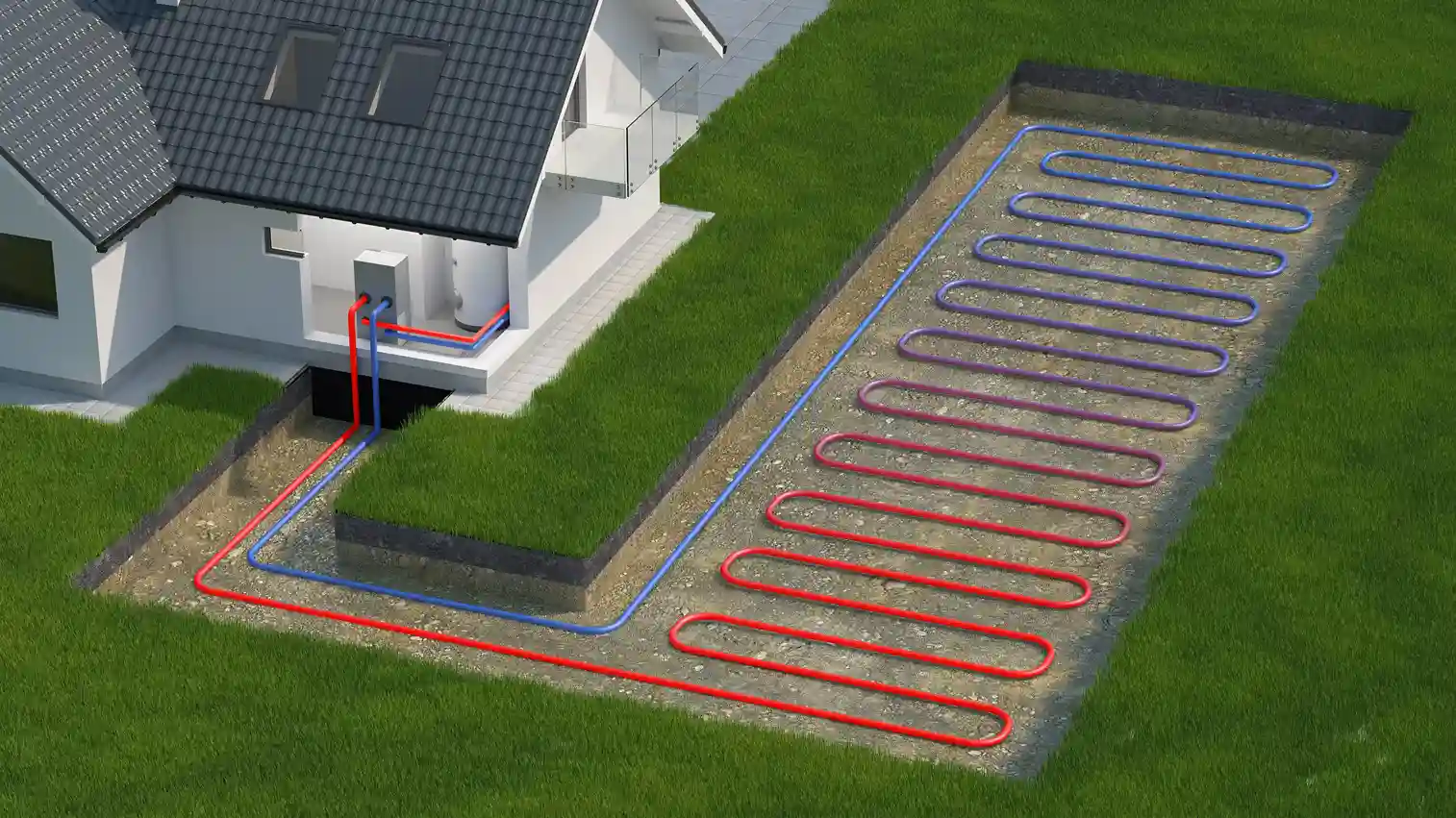
- The Ground Loop Component: The defining feature of this system is the loop field. This is a network of high-density polyethylene pipes buried underground.
- Horizontal Loops: If you have ample acreage, trenches are dug to lay pipes over a wide area. This is often the most cost-effective method if space permits.
- Vertical Loops: For smaller lots where surface space is limited, drilling rigs bore deep holes to insert the piping vertically.
- Pond/Lake Loops: If your property has a sufficient body of water, coils can be placed at the bottom, utilizing the water for heat transfer.
- Interior Equipment and Ductwork: Inside the home, the geothermal heat pump unit replaces your furnace or air handler. This unit is typically roughly the size of a refrigerator and operates quietly. If your existing ductwork is in good condition, it can often be reused; however, modifications may be necessary to accommodate the airflow requirements of the new system. You can also expect the installation of a desuperheater in many setups, which uses waste heat from the compressor to generate free hot water for your home.
Step-by-Step Guide to Your New Geothermal System Installation
A professional installation follows a rigorous sequence to ensure long-term efficiency and system integrity. While every property is different, the general workflow remains consistent to guarantee compliance with industry standards and local codes:
- Site Preparation and Safety Checks: The process begins with marking utility lines and preparing the access route for excavation or drilling equipment. Protecting your landscaping and ensuring safe access for heavy machinery is the first priority.
- Excavation or Drilling: Depending on the design, the team will either trench the yard for horizontal loops or bring in a drilling rig for vertical loops. This is the most disruptive phase of the project. The pipes are inserted into the ground, and in vertical applications, the boreholes are grouted with a thermally conductive material to ensure efficient heat transfer and protect groundwater.
- Manifold Connection: The individual pipes from the loop field are brought together at a manifold, usually buried underground or located in a mechanical pit. This consolidates the fluid flow into supply and return lines that run into the building’s foundation.
- Interior Unit Installation: Technicians remove the old HVAC equipment and position the new geothermal heat pump. The loop lines entering the home are connected to the unit, along with the electrical power and thermostat wiring. If a desuperheater is included, plumbing connections are made to your water heater.
- Flushing and Purging: Once the piping is connected, the entire loop system is flushed to remove any debris or air pockets. The system is then charged with a water and antifreeze solution (usually methanol or propylene glycol) to prevent freezing in the loop lines during winter operation.
- Testing and Commissioning: The system is powered on, and technicians verify airflow, water flow rates, and temperature differentials. Every mode of operation is tested to ensure the system meets the performance specifications calculated during the design phase.
Deciding Between Geothermal Replacement vs. Repair
For homeowners who already possess a geothermal system, or those with an aging conventional system debating a switch, knowing when to repair versus when to replace is a critical financial decision. Geothermal heat pumps generally last significantly longer than conventional units, often 20 to 25 years for the indoor unit and 50+ years for the ground loop, but components do eventually wear out.
When to Repair
- Minor Component Failure: If a capacitor, fan motor, or control board fails on a unit that is under 10 years old, repair is usually the most logical path.
- Loop Integrity is Sound: If the ground loop is holding pressure and the issue is isolated to the mechanical unit inside the house, you rarely need to touch the underground portion.
- Warranty Coverage: If parts or labor are still covered under manufacturer or installer warranties, repair costs remain minimal.
When to Replace
- Compressor Failure in Older Units: The compressor is the heart of the system. If it fails in a unit that is approaching 15 or 20 years of age, the cost of replacement often rivals the cost of a new, more efficient unit.
- Refrigerant Leaks: Older systems may use phased-out refrigerants like R-22. Locating leaks and refilling these systems is becoming prohibitively expensive and environmentally irresponsible.
- Recurring Efficiency Drops: If your utility bills are creeping up despite regular maintenance, the heat exchanger or compressor may be losing efficiency. A modern unit with a higher Coefficient of Performance (COP) can lower monthly costs immediately.
- Inefficient Supplemental Heat Usage: If your system is constantly relying on the emergency electric resistance backup heat because the compressor cannot keep up, it is a sign the unit is undersized or failing.
Airtech Mechanical Service Inc. helps homeowners evaluate the total cost of ownership, comparing the immediate cost of repairs against the long-term savings of a modern, high-efficiency replacement.
Navigating Local Permitting and Seasonal Considerations
Installing a geothermal system in Pamlico requires adherence to specific local and state regulations. Because the process involves excavation and interaction with the water table, it is treated differently than a standard air conditioner installation.
Permitting and Codes
- Mechanical Permits: Standard mechanical permits are required for the installation of the heat pump unit and ductwork modifications.
- Well and Borehole Permits: Vertical drilling and open-loop systems often fall under regulations similar to water wells. These permits ensure that drilling does not contaminate local aquifers.
- Environmental Regulations: Proper grouting of boreholes is mandatory to seal the hole from surface runoff.
Soil and Water Conditions
The local geography is actually quite favorable for geothermal. The soil often has high moisture content, which increases thermal conductivity. Wet soil transfers heat better than dry sand, making the systems here highly efficient. However, a high water table means installers must be experienced in managing water displacement during the drilling or trenching process.
Seasonality and Timing
While the interior work can be done at any time, the exterior ground loop installation is weather-dependent:
- Spring and Fall: These are the ideal seasons for installation. The ground is workable, and the moderate weather means your home won't be without heating or cooling during the transition.
- Summer: High heat and humidity can make trenching difficult and muddy if heavy summer rains occur.
- Winter: Frozen ground is rarely an issue in this region, but heavy winter rains can saturate the excavation site, causing delays.
Incentives and Tax Credits
Homeowners should actively look into the Federal Investment Tax Credit (ITC), which currently offers a 30% credit on the total cost of geothermal system installation, with no cap. This significantly offsets the higher upfront investment.
Why Choose Geothermal for Your Property
Opting for a geothermal solution is an investment in the future value and sustainability of your home. Beyond the immediate energy savings, these systems offer distinct advantages that align with modern homeownership goals.
Unmatched Energy Efficiency: Geothermal systems typically deliver four units of energy for every one unit of electricity consumed. This 400% efficiency rating dwarfs even the best gas furnaces, which top out around 98% efficiency. This translates directly to lower operational costs month after month.
Quiet Operation: Without a noisy outdoor condenser fan whirring outside your bedroom window, your outdoor living spaces remain peaceful. The indoor unit operates with a low hum, similar to a refrigerator, making it one of the quietest HVAC options available.
Safety and Air Quality: Because there is no on-site combustion, there is no risk of carbon monoxide poisoning, gas leaks, or flames. Additionally, geothermal systems provide constant airflow, which improves air filtration and helps maintain consistent humidity levels, reducing the growth of mold and mildew, a common concern in humid climates.
Environmental Impact: By utilizing the solar energy stored in the ground and requiring only a small amount of electricity to run the pumps, you significantly reduce your home’s carbon footprint. It is a green technology that aligns with energy conservation goals without sacrificing comfort.
Invest Once, Save for Decades
Geothermal systems offer a rare combination of unmatched efficiency, consistent comfort, and long-term financial savings, especially in Pamlico’s demanding climate. Whether you are upgrading from a traditional HVAC system or evaluating the future of an existing geothermal unit, Airtech Mechanical Service Inc. provides the expertise, transparency, and local knowledge needed to make the right decision. Take control of rising energy costs and future-proof your home’s comfort. Contact us today to schedule your geothermal evaluation and start benefiting from clean, reliable energy year-round.
Other Services