

Geothermal Service in Jacksonville, NC
Discover the benefits of geothermal climate control in Jacksonville. Reduce costs and improve efficiency with our expert installation and maintenance services. Schedule your consultation today!
Stabilize Rising Utility Costs With Efficient Geothermal Climate Control
Facing unpredictable energy costs and fluctuating indoor temperatures can be a significant source of stress for homeowners in Jacksonville, NC. Airtech Mechanical Service Inc. provides specialized geothermal solutions designed to harness stable ground temperatures for consistent comfort and long-term savings. Contact us today or inquire about our financing options to upgrade your home’s efficiency.
Homeowners relying on traditional HVAC systems often struggle with the inefficiencies inherent in air-source units, particularly during the peak heat of summer or the sudden chills of winter. Geothermal systems bypass atmospheric volatility by utilizing the earth's constant thermal energy. Switching to or maintaining a geothermal system offers tangible operational benefits immediately:
- Reduce monthly heating and cooling expenses by leveraging high-efficiency heat exchange technology.
- Maintain a precise, consistent indoor climate regardless of outside weather spikes.
- Benefit from a system with a significantly longer lifespan and lower maintenance requirements than conventional units.
All installations and repairs are performed by licensed, insured professionals, ensuring full compliance with local codes and manufacturer warranties.
Comprehensive Geothermal System Maintenance and Optimization
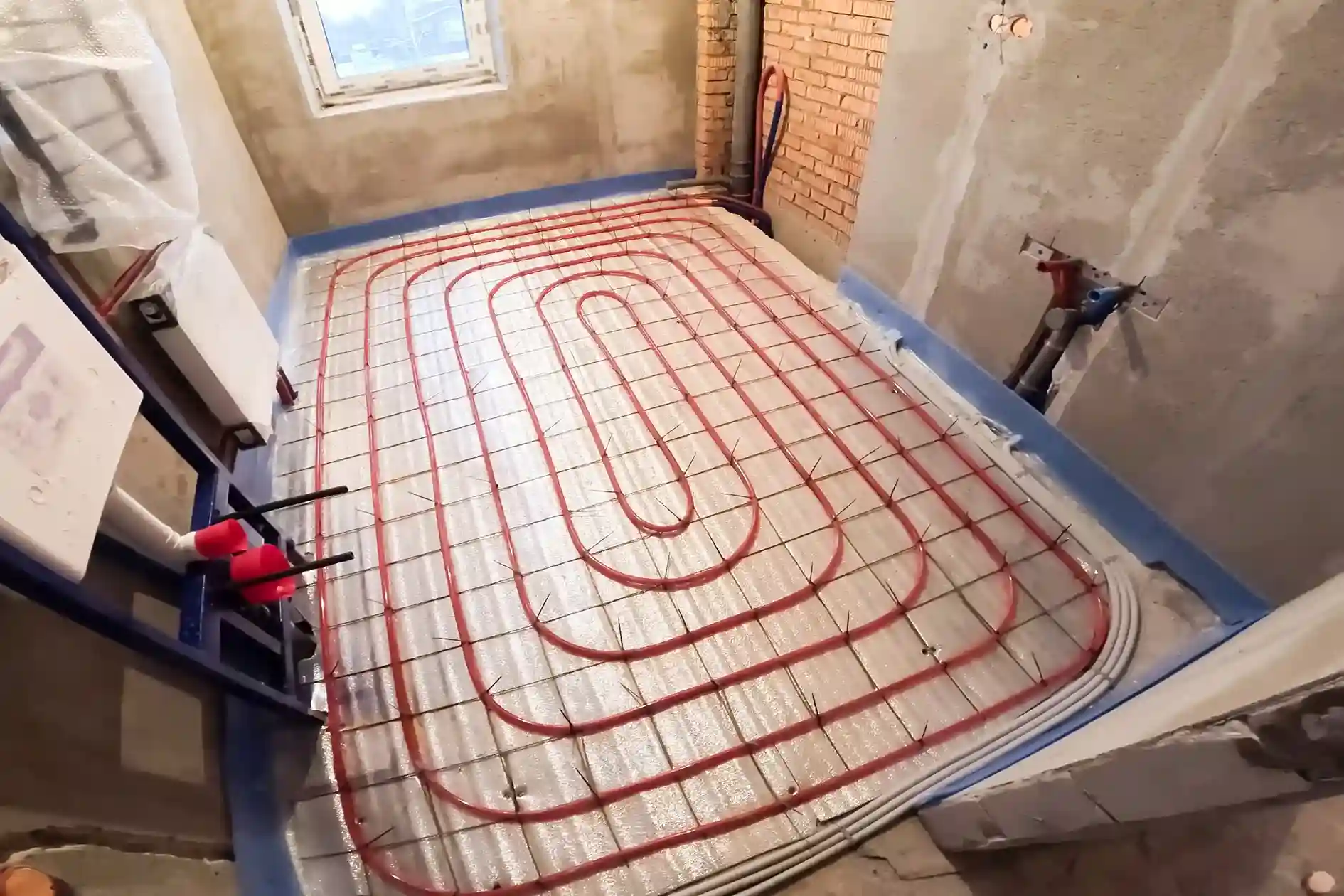
Geothermal systems are engineering marvels that require precise technical oversight to maintain their high coefficient of performance (COP). Unlike standard air conditioners that simply need a filter change and a coil cleaning, geothermal units involve complex fluid dynamics and heat exchange loops that must be balanced correctly. When a technician arrives for service, the focus is on optimizing the heat transfer rate between the ground loop and the home’s air handling system.
A professional service visit addresses the critical components that drive efficiency. The technician verifies that the water flow rate through the loop matches the manufacturer's specifications. If the flow is too fast or too slow, the heat pump cannot extract or reject heat effectively, leading to increased electricity usage and potential compressor strain. The "Delta T" (temperature difference) across the heat exchanger is measured to confirm that the system is absorbing or releasing the correct amount of thermal energy.
Routine service includes:
- Loop Pressure Verification: Ensuring the ground loop acts as a sealed system with adequate pressure to circulate fluid without introducing air pockets, which can block heat transfer.
- Pump Module Inspection: Checking the flow center pumps for amperage draw and noise, indicating bearing wear or electrical issues before a complete failure occurs.
- Heat Exchanger Cleaning: Removing mineral deposits or scaling from the coaxial heat exchanger to maximize thermal conductivity.
- Thermostat Calibration: Aligning the control system with the heat pump’s staging logic to prevent the unnecessary engagement of expensive auxiliary electric heat strips.
- Condensate Drain Clearing: flushing the drainage system to prevent water damage and minimize humidity buildup, which is critical in the humid subtropical climate of North Carolina.
Executing the Geothermal Installation and Loop Connection Process
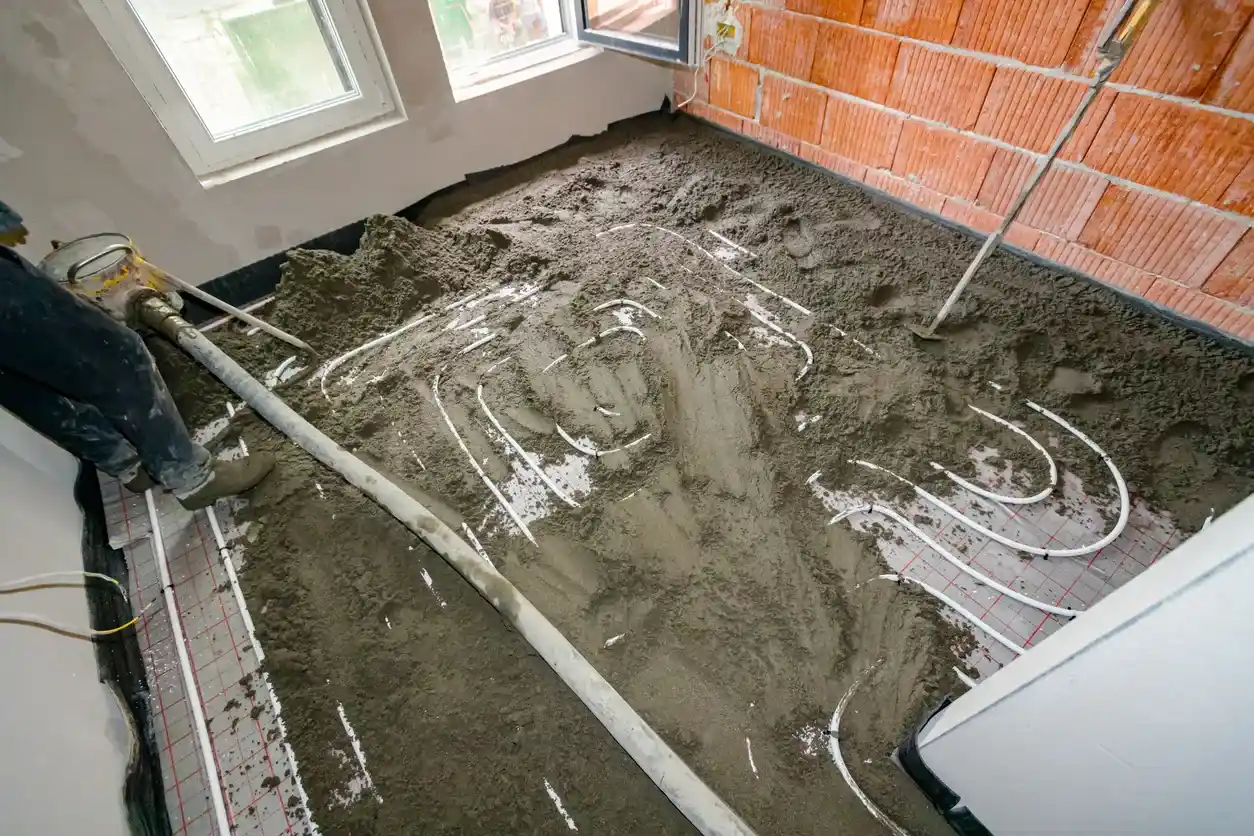
Installing a geothermal system involves more logistical planning than swapping out a standard condenser. The process integrates construction and mechanical engineering to create a seamless energy exchange system. The installation is divided into two main categories: the exterior ground loop and the interior heat pump unit. The complexity of the installation depends on the property’s geology and available land area.
The process begins with a detailed site assessment. Technicians calculate the heating and cooling load of the structure to determine the required tonnage of the system. This calculation dictates the length and design of the ground loop. In areas like Jacksonville, where the water table can be high and soil composition varies, selecting the correct loop type, vertical or horizontal, is the most critical decision.
The installation sequence generally follows this path:
- Loop Design and Permitting: Engineers design the loop field to meet the load requirements and secure necessary drilling or trenching permits from local authorities.
- Excavation or Drilling: Heavy machinery is brought in to either drill vertical boreholes (often 150-300 feet deep) or trench horizontally. Vertical loops are preferred for smaller lots, while horizontal loops are cost-effective for properties with acreage.
- Pipe Fusion and Insertion: High-density polyethylene pipes are thermally fused to create leak-proof connections. These pipes are inserted into the ground and grouted with a thermally conductive material to ensure efficient heat transfer.
- Manifold Connection: The individual loops are connected to a header or manifold, which brings the supply and return lines into the home through the foundation.
- Interior Unit Installation: The geothermal heat pump is installed indoors, typically in a garage, attic, or crawlspace, protecting it from the elements.
- Ductwork and Electrical Integration: The unit is connected to the home’s existing ductwork (or new ductwork is fabricated) and wired into the electrical panel and thermostat.
- System Flushing and Charging: The loops are flushed to remove debris and air, then charged with a water and antifreeze solution to prevent freezing during winter operation.
Deciding Between Geothermal Repair and System Replacement
Geothermal systems consist of two distinct parts with vastly different lifespans: the indoor heat pump and the underground loop field. The underground loop is designed to last 50 years or more, while the indoor heat pump typically lasts 20 to 25 years. This longevity often changes the repair-versus-replace calculus compared to traditional HVAC systems. When issues arise, homeowners must evaluate the age and condition of the specific component failing.
If the issue lies within the ground loop, such as a pressure drop indicating a leak, repair is almost always the first option unless the loop was fundamentally undersized or installed incorrectly initially. Locating and repairing a fusion joint or a manifold leak restores the system’s integrity without the need for a total overhaul. However, if the indoor heat pump unit is approaching the two-year mark and experiences a catastrophic compressor failure, replacement is often the more financially sound decision.
Consider replacement if the system meets these criteria:
- Technological Obsolescence: Older units may use R-22 refrigerant, which is no longer produced. If a major refrigerant leak occurs in an R-22 unit, upgrading to a modern system using R-410A or newer refrigerants provides better efficiency and future-proofs the home.
- Efficiency Degradation: If utility bills have been steadily climbing despite regular maintenance, the heat pump’s compressor and blower motor may have lost efficiency. Newer two-stage or variable-speed units offer significantly lower operating costs.
- Repair Frequency: If the cost of repairs over the last two years exceeds 50% of the value of a new unit, investing in a replacement ensures warranty protection and reliability.
- Comfort Issues: If the current unit can no longer keep up with the humidity removal or temperature demands of the home due to wear and tear, a new unit tailored to the home’s current load is necessary.
Navigating Local Requirements and Climate Factors
Operating a geothermal system in Jacksonville requires specific attention to the humid subtropical climate and local soil conditions. The region experiences hot, humid summers and mild, wet winters. Geothermal systems are exceptionally well-suited for this environment because they provide excellent dehumidification. Unlike air-source heat pumps that struggle to shed heat into 95-degree air, geothermal units reject heat into the cooler 60-degree earth, allowing the system to run longer, lower-speed cycles that pull more moisture out of the indoor air.
The local geology also plays a role in system performance. The coastal plain soil often has a high water table. Wet soil is more thermally conductive than dry soil, meaning the ground loops in this area can often be more efficient than in arid regions. This allows for excellent heat transfer rates, making the system highly responsive during peak seasonal shifts. However, this also means that the geothermal installation must be handled with care to prevent groundwater contamination and ensure structural stability during drilling.
Compliance with local codes is mandatory. Digging in this region requires adherence to strict utility location protocols. Before any excavation begins, coordination with NC 811 is necessary to mark underground utilities. Furthermore, because the area is susceptible to hurricanes and tropical storms, the outdoor portions of the system (if any) and the electrical connections must be secured against high winds and potential flooding. While the ground loop is safe underground, the interior components must be elevated or protected in flood-prone zones.
Why Professional Geothermal Management Matters
Geothermal technology differs significantly from standard HVAC equipment. It requires technicians who understand thermodynamics, geology, and fluid mechanics. Attempting to service these systems without specialized training can lead to loop contamination, pump failure, or complete system inefficiency. A general handyman or a standard AC technician without geothermal certification may overlook critical setup parameters like loop pressure drop or antifreeze concentration.
Professional management ensures that the investment in geothermal technology yields the expected return on investment (ROI). Improperly balanced systems use more electricity, negating the savings that motivated the purchase in the first place. Accredited professionals carry the necessary insurance to cover the liabilities associated with excavation and electrical work. They also have access to proprietary diagnostic tools and manufacturer support channels that are unavailable to the general public.
Choosing a specialized provider guarantees that the warranty remains valid. Most manufacturers require proof of annual maintenance by a certified contractor to honor parts warranties. Professional oversight provides peace of mind that the system is operating safely, efficiently, and in compliance with all environmental regulations.
Securing the comfort of your home involves making informed decisions about the technology you rely on daily. Airtech Mechanical Service Inc. delivers the technical expertise required to install, maintain, and repair complex geothermal systems.
Take control of your home’s energy efficiency and comfort levels today. Contact our team to schedule a comprehensive service evaluation or installation consultation.
System-Level Service That Protects Long-Term Geothermal Operation
Professional geothermal service in Jacksonville, NC, focuses on maintaining coordination between ground loops, pumps, and control components. Airtech Mechanical Service Inc. services geothermal systems to preserve operational accuracy and prevent gradual performance decline. Infrequent service often reduces system lifespan. Our methodology supports dependable, sustained output.
Protect geothermal system investment with service designed for operational longevity.
Preserve Geothermal Efficiency With Structured System Service
Other Services