

Geothermal Service in Havelock, NC
Facing geothermal heat pump issues in Havelock? Secure specialized repair or installation services to restore your home's comfort efficiently. Call us today!
Is Your Geothermal System Failing to Regulate Indoor Temperatures?
Facing unexpected heating or cooling inconsistencies with your geothermal system can disrupt your home’s comfort instantly. You require immediate professional intervention to restore the efficiency of your ground-source heat pump, so contact us today for service or to discuss financing options.
Homeowners in Havelock know that a malfunction in a geothermal system is distinct from standard HVAC issues due to the complexity of the ground loop and heat exchange process. When the system fails to pull heat from the earth in winter or dissipate it effectively during our humid summers, energy bills spike, and comfort plummets. Airtech Mechanical Service Inc. provides the specialized expertise required to diagnose and resolve these complex thermal exchange issues:
- Quickly restore your home's thermal balance with same-day diagnostic and repair services.
- Maximize the Coefficient of Performance (COP) and system lifespan with expert maintenance protocols.
- Invest in a sustainable future with advanced geothermal solutions designed for coastal soil conditions.
All services are fully licensed, ensuring compliance with local codes, and come with comprehensive warranties and flexible financing options.
Comprehensive Geothermal Diagnostics and Repair Scope
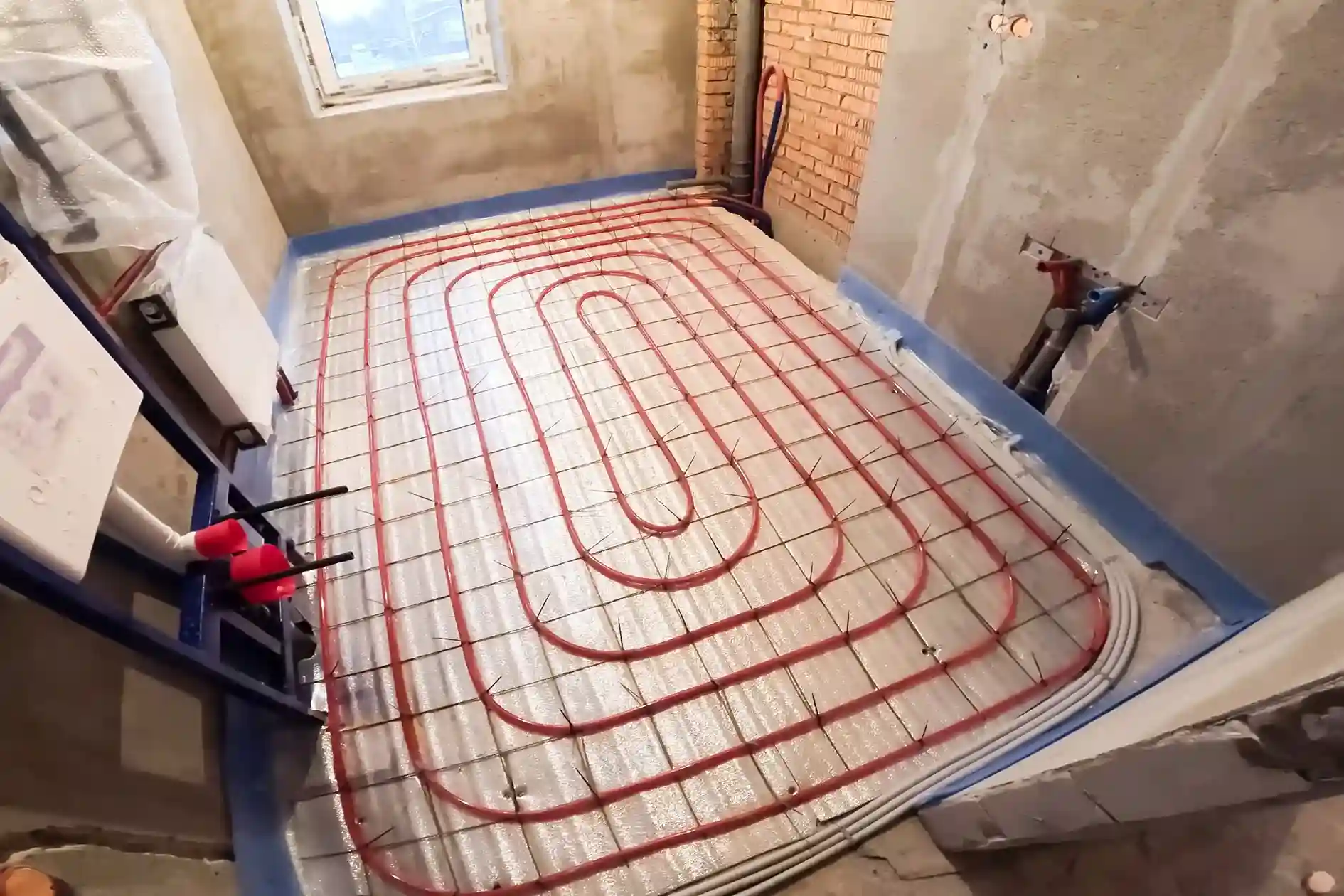
When you request service for a geothermal system, the objective is to isolate whether the failure stems from the above-ground heat pump unit or the below-ground loop field. Unlike standard air-source units, geothermal systems rely on fluid dynamics and heat transfer through water or an antifreeze solution. A precise technical approach is necessary to determine why the system is short-cycling, icing up, or failing to engage the second stage of heating or cooling.
Detailed System Evaluation
The service visit begins with a comprehensive analysis of the flow center. Technicians verify that the pumps are circulating fluid at the correct gallons per minute (GPM) rate. If the flow rate is too low, the heat exchange process becomes inefficient, leading to system lockouts. We inspect the pressure drop across the heat exchanger (coax) to ensure it matches the manufacturer's specifications:
- Loop Pressure Verification: Technicians check the static and operating pressure of the ground loop. A drop in pressure often indicates a leak in the underground piping or a loose connection in the flow center.
- Electrical Component Analysis: The compressor, capacitors, and soft-start kits are tested for amperage draw. High amp draws suggest a component is under stress and near failure.
- Thermostat and Control Board Sync: Modern geothermal systems utilize complex communicating thermostats. We ensure the control board is correctly interpreting signals for fan speed, stage one, and stage two operations.
- Desuperheater Inspection: If your system includes a hot water generator (desuperheater), we verify that the pump is operating and that the transfer of heat to your domestic water tank is occurring efficiently.
Timeline and Execution
For most operational failures, such as a bad capacitor, faulty contactor, or air lock in the loop, repairs are completed on the same day. Technicians carry specialized flush carts and purging equipment necessary to remove air bubbles from the loop lines, a common cause of system inefficiency. If the issue involves a refrigerant leak within the heat pump cabinet, the process involves locating the leak, brazing the line, and recharging the system to factory specifications. In cases where the underground loop has been compromised, though rare, the timeline may extend to allow for excavation or loop fusion repairs.
The Geothermal Restoration and Installation Process
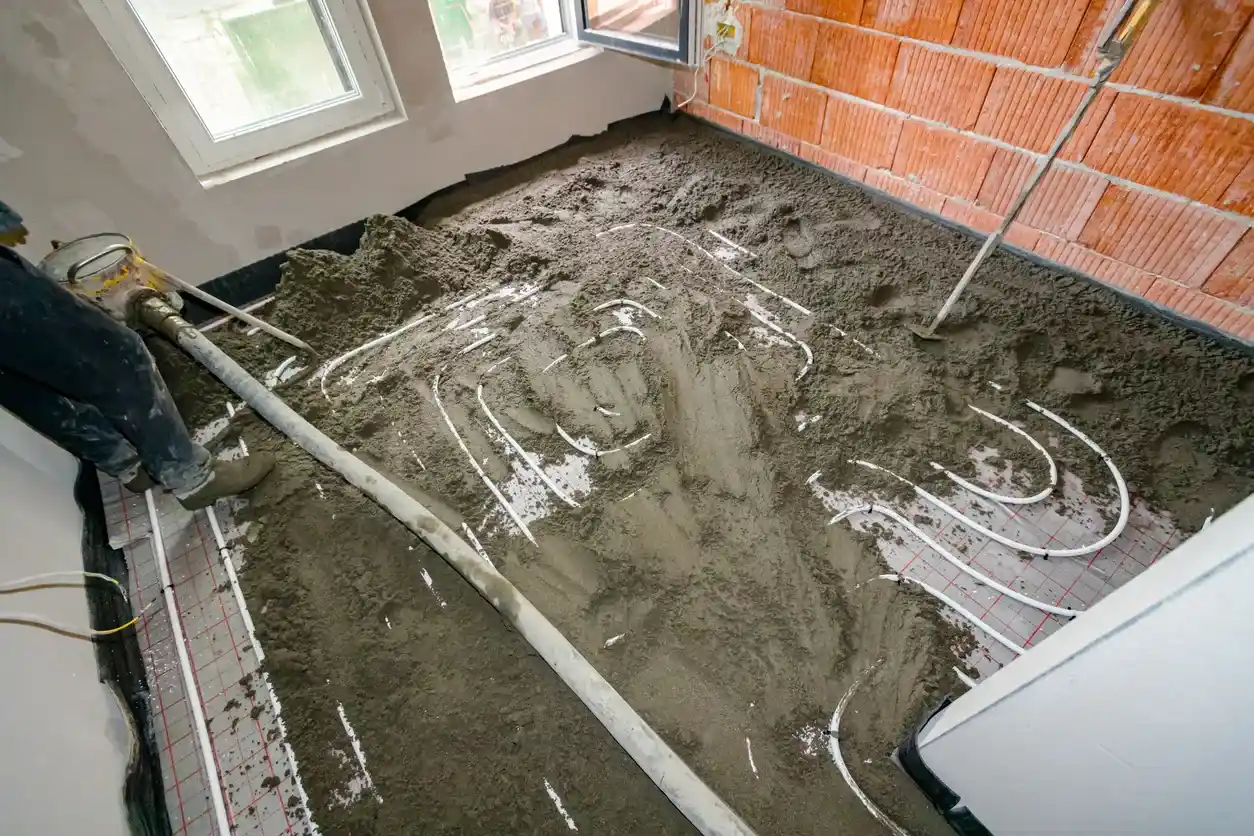
Understanding how a geothermal system is brought back online or installed helps homeowners prepare for the work ahead. The process is systematic, ensuring that both the earth-coupled loop and the interior mechanical unit function in perfect unison.
Assessment and Site Preparation
The first step involves a load calculation. For existing systems in Havelock, this means verifying that the installed unit is correctly sized for the square footage and insulation levels of the home. If an installation or replacement is occurring, the assessment includes evaluating the soil condition and available land area. The clay and sandy soil composition in our region affects thermal conductivity, which dictates the length and depth of the loop required.
Loop Field and Flow Center Management
For repairs involving the loop, technicians isolate the ground heat exchanger from the heat pump:
- Flushing and Purging: A high-velocity flush cart is connected to the flow center. This forces fluid through the loop at a speed high enough to dislodge air pockets and debris.
- Antifreeze verification: For systems requiring freeze protection, the concentration of methanol or propylene glycol is tested. If the solution is too weak, the water in the loop could slush up during extreme cold, blocking flow. If it is too strong, it reduces heat transfer efficiency.
- Pressurization: Once the fluid is clean and correct, the system is pressurized. The specific pressure required depends on whether the system uses a non-pressurized flow center or a pressurized one.
Heat Pump Mechanical Service
The interior work focuses on the water-to-air heat pump:
- Coaxial Heat Exchanger Cleaning: The coax, where the refrigerant and water exchange heat, can become fouled with mineral deposits, especially in open-loop systems. Acid flushing may be required to remove scale and restore heat transfer.
- Blower Motor Optimization: The ECM (Electronically Commutated Motor) is calibrated to deliver the precise airflow needed for the ductwork. Improper airflow can cause the coax to freeze in cooling mode or overheat in heating mode.
- Refrigerant Circuit Tuning: Technicians measure superheat and subcooling to ensure the refrigerant cycle is optimized. This ensures the compressor is cooled properly and the system delivers the rated capacity.
Final Commissioning and Testing
The final step is a full system run-through. The system is forced into all modes of operation: first-stage cooling, second-stage cooling, first-stage heating, second-stage heating, and emergency heat. Technicians measure the "Delta T" (temperature difference) of both the air moving through the ducts and the water moving through the loop. These metrics must align with the manufacturer's performance tables before the job is marked complete.
When to Choose System Replacement Over Repair
Deciding between repairing an aging geothermal heat pump or investing in a modern replacement is a financial and operational calculation. While the underground loop infrastructure can last 50 years or more, the mechanical heat pump inside the home typically has a lifespan of 15 to 20 years.
The 50 Percent Rule
A standard metric used in the industry is the 50 percent rule. If the cost of the repair approaches or exceeds 50 percent of the value of the system, replacement is the more prudent financial decision. For example, if a compressor fails on a 15-year-old unit, the cost of the compressor plus the labor and refrigerant often justifies purchasing a new unit with a fresh warranty.
Efficiency Degradation
Older geothermal units may have a Coefficient of Performance (COP) of 3.0 or lower. Modern units often exceed a COP of 4.5 or 5.0. This means a new system produces significantly more heating or cooling for every unit of electricity consumed. If your energy bills have been steadily climbing despite regular maintenance, the internal components have likely degraded to a point where efficiency recovery is impossible through repair alone.
Refrigerant Types
Older systems utilize R-22 refrigerant, which has been phased out and is prohibitively expensive to replace. If your system has a refrigerant leak and uses R-22, replacement is almost always the only viable option. Modern systems use R-410A or newer, eco-friendly refrigerants that are readily available and efficient.
Frequency of Breakdowns
If you require service calls multiple times a year for different components, a capacitor in the spring, a control board in the summer, a fan motor in the fall, the system has become unreliable. Continued repair payments are essentially throwing good money after bad. A new installation stabilizes your costs and provides peace of mind.
Navigating Geothermal Requirements in the Coastal Region
Operating a geothermal system in Havelock requires specific attention to our regional environment. The local climate creates unique demands on heating and cooling infrastructure that differ from inland or northern locations.
Managing High Humidity
Our region experiences intense humidity during the summer months. Geothermal systems are exceptionally good at dehumidification, provided they are set up correctly. Specifically, variable-speed fan motors allow the system to run at lower speeds for longer periods, extracting more moisture from the air without over-cooling the space. Service visits often involve adjusting dip switches on the control board to prioritize dehumidification, ensuring the indoor environment remains dry and comfortable even when the outdoor air is saturated.
Soil Conductivity and Loop Performance
The efficiency of a ground-source system depends heavily on the thermal conductivity of the soil. In our coastal area, the soil is often sandy with a high water table. Wet sand is an excellent conductor of heat, which makes geothermal systems here highly efficient. However, shifting water tables can sometimes impact open-loop systems. Technicians must monitor water quality in open-loop configurations to prevent salt or mineral corrosion that can occur closer to the coast.
Permits and Environmental Compliance
Any work involving the underground loop, particularly vertical drilling or extensive excavation, requires adherence to local building codes and environmental regulations. This is ensuring that the loop grout seals the borehole correctly to protect local aquifers. Airtech Mechanical Service Inc. manages the permitting process for major repairs or loop modifications, ensuring that all work complies with North Carolina’s environmental standards and local utility requirements.
Utility Rebates and Incentives
Local energy providers often offer rebates for the installation of high-efficiency geothermal systems or for upgrading to higher SEER/EER rated units. Additionally, federal tax incentives remain a significant factor for homeowners considering replacement. We assist in documenting the efficiency ratings of your system to ensure you have the paperwork necessary to claim available credits.
Specialized Expertise for Long-Term Reliability
The complexity of geothermal technology means that general HVAC experience is often insufficient for diagnosing loop issues or flow dynamics. Specialized training is required to understand the physics of ground-source heat exchange:
- Certified Technical Proficiency: Technicians undergo specific training for geothermal systems, focusing on fusion welding for HDPE pipes, flush cart operation, and heat of extraction/rejection calculations.
- Advanced Diagnostic Tools: We utilize digital manifolds, ultrasonic flow meters, and loop pressure gauges that are not standard in a typical HVAC van. This allows for data-driven diagnostics rather than guesswork.
- Inventory of Specific Parts: Geothermal units use specific capacitors, control boards, and flow centers. We maintain access to OEM parts to reduce downtime and prevent the need for makeshift repairs that compromise efficiency.
- Comprehensive Documentation: Every service call is logged with detailed notes regarding pressures, temperatures, and amp draws. This historical data helps predict future failures and verify that the system is maintaining efficiency over time.
Ensuring your geothermal system operates at peak performance requires a partner who understands the intricacies of thermodynamics and local geology. Whether you are facing a critical breakdown or planning a system upgrade, professional intervention protects your investment and restores your comfort.
Secure the longevity and efficiency of your heating and cooling system. Schedule your geothermal service assessment today.
Ongoing Service That Protects Geothermal System Investment
Professional geothermal service in Havelock, NC, focuses on maintaining balance across ground loops, pumps, and control components. Airtech Mechanical Service Inc. services geothermal systems to preserve operational accuracy and reduce long-term wear. Infrequent service often shortens system lifespan. Our service process supports consistent and dependable output.
Sustain geothermal system performance with service designed for operational longevity.
Maintain Geothermal Performance With Professional System Service
Other Services