

Geothermal Service in Hampstead, NC
Discover sustainable geothermal heating solutions in Hampstead, NC. Benefit from consistent temperatures and lower energy bills. Contact us today for installation details and special financing options.
Experiencing Inconsistent Home Temperatures?
Struggle with high energy bills and inefficient heating and cooling? Geothermal solutions in Hampstead, NC, offer a sustainable alternative with remarkable efficiency; contact us today to discuss installation feasibility or inquire about our financing options. Homeowners often find that traditional HVAC systems struggle to keep up with the demands of the coastal climate, leading to uncomfortable hot spots in the summer and chilly drafts in the winter. Upgrading to a geothermal system addresses the root cause of these inefficiencies by utilizing the stable temperature of the earth rather than the fluctuating outside air:
- Reduce monthly energy costs with efficient heat exchange systems.
- Enjoy consistent and reliable home temperature year-round.
- Benefit from federal tax incentives on new geothermal installations.
All installations are backed by comprehensive warranties and meet all local permit requirements.
Comprehensive Geothermal System Services
A geothermal heat pump system is a significant investment in property infrastructure, moving beyond simple air-source technology to tap into the thermal energy stored beneath your property. The scope of service for a geothermal project involves detailed engineering, excavation, and specialized mechanical installation. When you schedule a service or installation, the focus is on creating a closed or open loop system that integrates seamlessly with your existing or new ductwork.
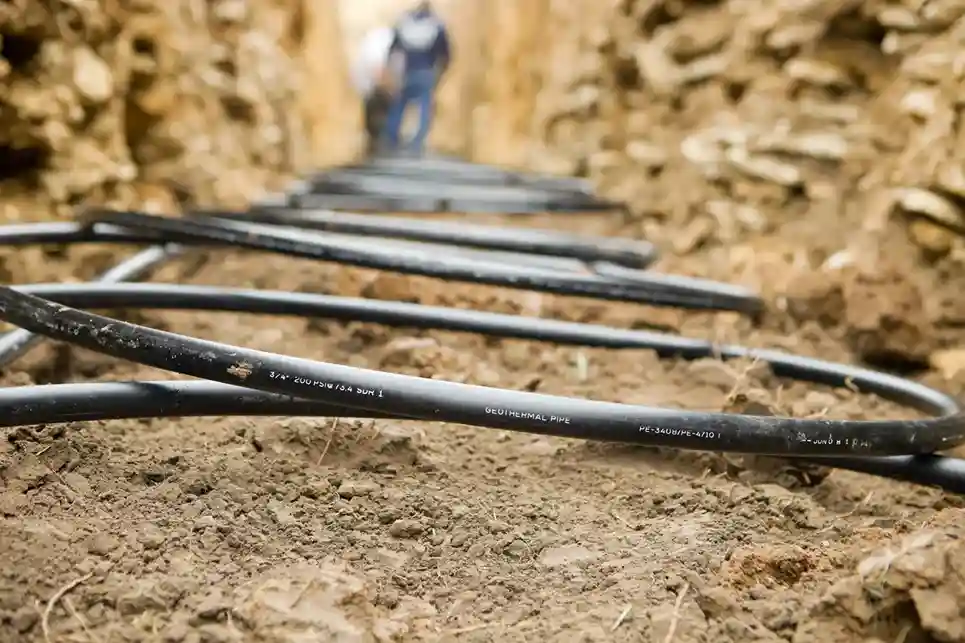
The core of the service revolves around the ground loop and the heat pump unit. The ground loop is a system of pipes buried in the yard, either vertically or horizontally, depending on the available land area and soil composition in Hampstead. Inside the pipes, a water-based solution circulates, absorbing heat from the ground in winter and dissipating heat into the ground during summer. The service includes the precise fusing of these high-density polyethylene pipes to ensure a leak-proof seal that lasts for decades.
Inside the home, the service includes the installation of the geothermal heat pump unit. Unlike a furnace that burns fuel, this unit simply moves heat. It includes a compressor, heat exchanger, and blower motor. Modern installations often include a desuperheater, a component that captures waste heat from the compressor to provide a significant portion of your domestic hot water for free. Service visits focus on ensuring these mechanical components are operating within manufacturer specifications, checking refrigerant levels, and verifying that the loop pressure is stable.
Routine maintenance is distinct from standard HVAC tune-ups. It involves inspecting the flow center (the pumping station for the ground loop), checking the antifreeze concentration in the loop fluid to prevent freezing during cold snaps, and cleaning the coaxial heat exchanger. Proper maintenance ensures the system maintains its high coefficient of performance (COP), delivering three to four units of energy for every one unit of electricity consumed.
The Installation and Repair Process
Geothermal systems require a methodical approach to installation and repair to ensure long-term efficiency and structural integrity. The process moves from calculation to physical construction and final calibration.
Site Assessment and Load Calculation:
The process begins with a Manual J load calculation to determine the exact heating and cooling requirements of the structure. Technicians analyze soil conditions, available land space, and the geology of the site to determine whether a vertical, horizontal, or pond loop is most appropriate. This stage defines the capacity of the heat pump required to handle the humidity and temperature swings common in North Carolina.
Loop Design and Excavation:
Once the system design is finalized, excavation teams prepare the site. For horizontal loops, trenches are dug to a specific depth where the earth’s temperature remains constant. For vertical loops, drilling rigs create boreholes hundreds of feet deep. The piping is inserted, and the holes are grouted with a thermally conductive material to ensure efficient heat transfer between the pipe and the surrounding earth.
Interior Mechanical Installation:
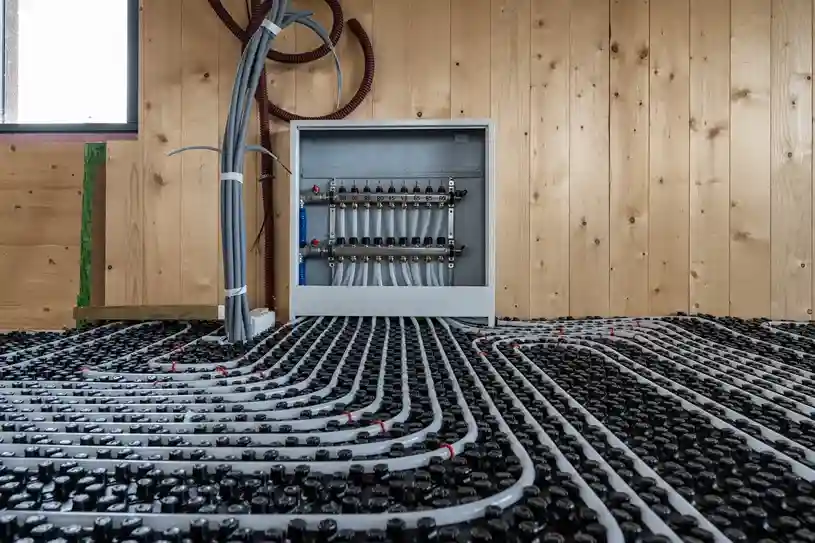
While the loop is being installed, the interior heat pump unit is set in place. This involves connecting the unit to the home's ductwork and electrical system. If the system is replacing an existing furnace or air conditioner, the old equipment is removed and disposed of properly. The ground loop piping is brought through the foundation wall and connected to the flow center and the heat pump.
System Flushing and Charging:
Before the system can run, air and debris must be purged from the ground loop. A flush cart is used to circulate water through the loop at high velocity, removing any contaminants. Once clean, the system is charged with water and an antifreeze solution to protect the loop from freezing temperatures.
Testing and Commissioning:
The final step involves rigorous testing. Technicians measure air flow, water flow, and temperature differentials across the heat exchanger. The thermostat is programmed to optimize staging, ensuring the auxiliary heat only engages when absolutely necessary.
Determining When to Upgrade Your Heating System
Deciding between repairing an aging system or investing in a geothermal replacement depends on long-term financial goals and current system performance. While the upfront cost of geothermal is higher than air-source systems, the operational savings and lifespan often dictate the decision logic.
Frequency of Repairs:
If your current HVAC system requires multiple repairs within a single year or if the cost of a single repair approaches 50% of the value of a new system, replacement is the prudent financial move. As compressors and blower motors age, their efficiency drops drastically, leading to higher operational costs even after repairs are made.
Utility Bill Analysis:
A clear indicator for replacement is a steady increase in heating and cooling bills that cannot be explained by rate hikes. Traditional air-source heat pumps lose efficiency as outside temperatures hit extremes. If your auxiliary heat strips are running frequently during mild winter nights, the system is no longer operating efficiently. Geothermal systems are not subject to outdoor air temperature fluctuations, maintaining high efficiency regardless of the weather.
System Age:
Air-source heat pumps and central air conditioners typically last 10 to 15 years in coastal environments where salt air can accelerate corrosion. Geothermal indoor units can last 20 to 25 years, while the ground loops are warrantied for up to 50 years. If your current system is over 12 years old and struggling, transitioning to geothermal provides a reset on equipment longevity.
Tax Incentives and Rebates:
The federal tax credit for residential geothermal heat pump installations remains a significant factor in the decision process. This credit applies to the equipment, site preparation, and labor, substantially lowering the net cost of installation. When combined with energy savings, the return on investment (ROI) timeframe is significantly reduced compared to simply swapping out a standard AC unit.
Managing Hampstead Climate and Regulations
The local environment in Hampstead directly influences how geothermal systems are designed and permitted. The humid subtropical climate presents specific challenges that geothermal technology is uniquely equipped to handle, provided the installation accounts for local variables.
Handling High Humidity:
Summers in this region are characterized by high humidity. Standard air conditioners often cool the air too quickly without removing enough moisture, leading to a clammy indoor environment. Geothermal heat pumps, which often run at lower speeds for longer durations, are superior at dehumidification. By running longer cycles, they extract more moisture from the air, improving comfort and indoor air quality.
Soil Conductivity and Loop Design:
The coastal soil composition, which ranges from sandy to clay-heavy, affects thermal conductivity. Sandy soil drains water quickly, which can reduce heat transfer efficiency if not accounted for. Installers must use specific grouting materials in vertical boreholes to bridge the gap between the pipe and the soil, ensuring the loop can effectively reject heat in the summer and absorb it in the winter.
Permitting and Environmental Compliance:
installing a ground loop requires adherence to North Carolina well construction standards and local environmental regulations. Because the loop interacts with the subsurface, permits are required to ensure that groundwater resources are protected. Airtech Mechanical Service Inc. navigates these regulatory requirements, ensuring that all drilling and trenching activities are compliant with county and state codes.
Electrical and Utility Integration:
Geothermal systems run on electricity, eliminating the need for natural gas or propane for heating. However, the electrical panel must be assessed to ensure it can handle the startup amperage of the compressor, although many modern units use "soft start" technology to mitigate this. Understanding local utility rates helps in calculating the precise payback period for the system.
Why Choose Professional Mechanical Services
Geothermal technology is complex and requires a higher level of technical expertise than standard HVAC work. The efficiency of the system is entirely dependent on the accuracy of the design and the quality of the installation.
Accurate Sizing via Manual J:
Oversizing a system causes short-cycling, which increases wear and tear and reduces dehumidification. Undersizing leads to a lack of comfort and excessive use of auxiliary electric heat. Professional service ensures the equipment capacity matches the thermal load of the building exactly.
IGSHPA Certification Standards:
Proper installation follows the guidelines set by the International Ground Source Heat Pump Association (IGSHPA). This covers everything from the depth of the trenches to the flow rate of the fluids. Adhering to these standards prevents common issues like ground loop heave or insufficient heat transfer.
Ductwork Modification:
Geothermal units often require different airflow characteristics than gas furnaces. Existing ductwork may need to be modified or sealed to accommodate the lower, more constant airflow of a geothermal system. Professional mechanical assessment ensures the distribution system delivers the conditioned air effectively to every room.
Warranty Support:
Manufacturer warranties for geothermal equipment are robust but are often contingent on installation by a certified professional. Ensuring that the registration and commissioning documentation is filed correctly protects the homeowner’s investment.
Securing Your Energy Future
Switching to geothermal heating and cooling transforms a home’s energy profile, decoupling comfort from volatile fossil fuel prices and outdoor weather extremes. The technology provides a quiet, invisible, and highly effective solution for climate control in the Hampstead area. Whether the goal is to lower carbon footprint, reduce monthly operational costs, or simply achieve a more consistent indoor temperature, the path forward involves precise engineering and expert execution.
Airtech Mechanical Service Inc. delivers the technical proficiency required to design, install, and maintain these advanced systems. By focusing on data-driven load calculations and high-quality ground loop construction, the long-term performance of the heating and cooling system is secured.
Take control of your home’s energy efficiency. Contact us today to schedule a site assessment and begin the transition to geothermal comfort.
Other Services