

Geothermal Repair in Pamlico, NC
Discover top-notch geothermal system repairs in Pamlico, NC. Enhance your home's efficiency with our expert services. Contact us to learn more!
Experience Reliable Geothermal System Repairs
Inefficient heating, strange noises from the pump cabinet, or skyrocketing energy bills suggest your ground-source system is failing to harness the earth’s natural energy effectively. Restore your home's comfort and efficiency immediately by calling our team or inquiring about our flexible financing options to handle necessary repairs.
For homeowners in Pamlico, NC, a malfunctioning geothermal heat pump can quickly turn a comfortable living space into a humid or chilly environment, depending on the season. Geothermal systems are complex engineering feats that rely on the seamless interaction between the ground loop, the flow center, and the heat pump unit. When one component falters, the entire system's Coefficient of Performance (COP) drops, negating the energy savings you expect. Airtech Mechanical Service Inc. specializes in diagnosing and rectifying these intricate issues, ensuring your system operates at the high standards set by the International Ground Source Heat Pump Association (IGSHPA):
- Maximize system efficiency and reduce monthly utility costs with repairs performed by NATE-certified technicians.
- Receive transparent, upfront pricing on all loop and pump repairs with no hidden service fees.
- Access emergency repair services 24/7 to tackle unexpected breakdowns during peak weather extremes.
All services are IGSHPA certified and backed by solid warranties for your peace of mind, ensuring that your investment in renewable energy continues to pay dividends.
Comprehensive Repair Services: What to Expect
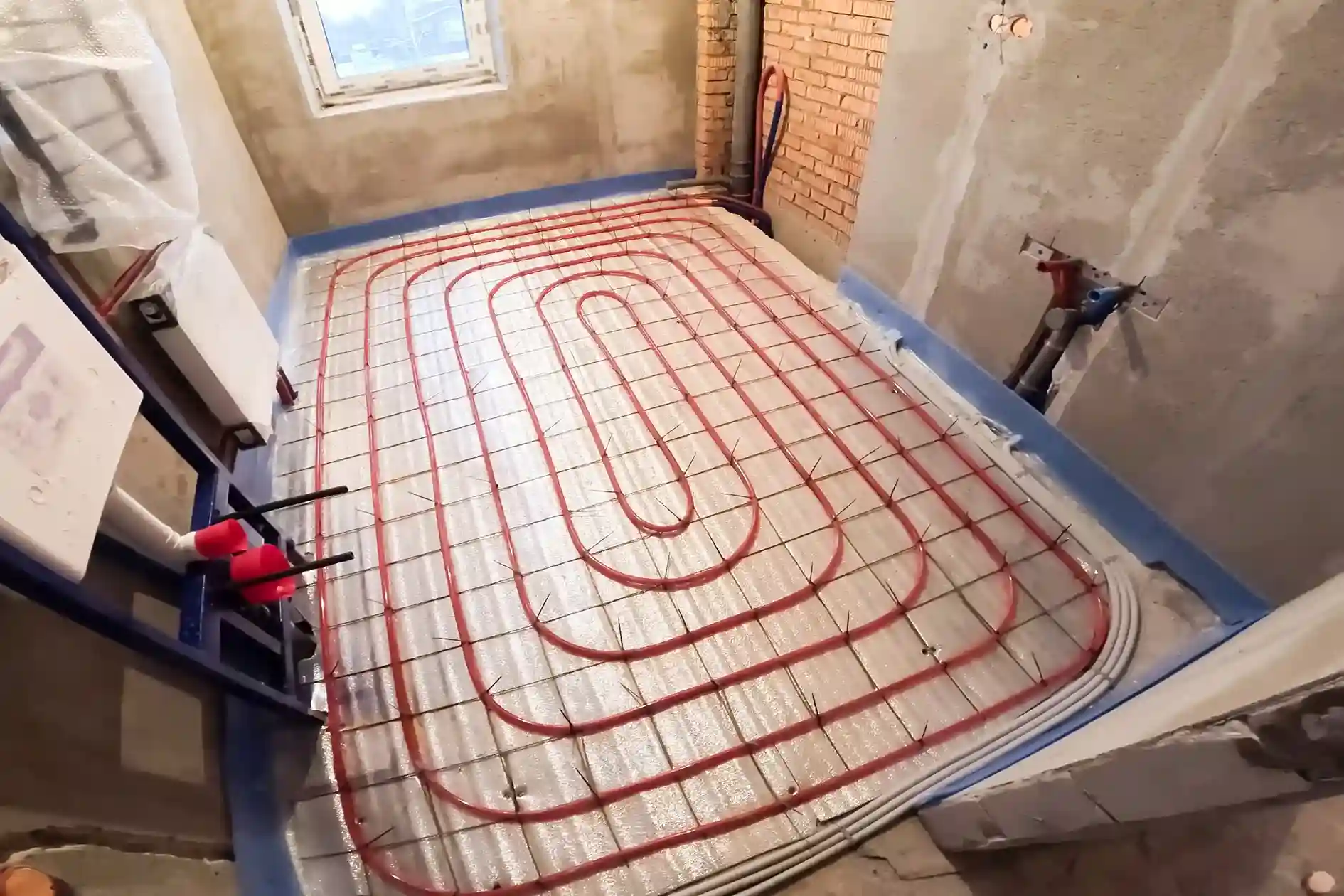
When your geothermal system requires attention, the focus is often on two distinct areas: the indoor heat pump unit and the outdoor ground loop field. A comprehensive repair service goes beyond swapping out a part; it involves a holistic analysis of the thermal transfer process. You can expect a rigorous inspection of the flow center, which circulates the water or antifreeze solution through your buried pipes. If the flow rate is insufficient, the heat pump cannot extract or reject heat efficiently, leading to system lockouts or auxiliary heat engagement, which drastically increases electricity usage.
Our technicians focus on the specific mechanical and hydraulic components that drive your system. This includes inspecting the coaxial heat exchanger for scaling or obstruction, which can impede heat transfer. We also verify the integrity of the refrigerant circuit, checking for leaks or pressure imbalances that strain the compressor. For systems utilizing a desuperheater for hot water generation, we ensure the transfer pump is functioning correctly so you do not lose out on free hot water production.
Furthermore, we address electrical control issues that frequently plague aging systems. Geothermal units rely on sophisticated sensors and control boards to manage the refrigeration cycle and loop pumps. Loose connections, corroded contacts, or failed capacitors can cause intermittent operation. We meticulously test these electrical components to prevent short-cycling, which causes unnecessary wear and tear on the compressor. By addressing the root cause of the inefficiency, we restore the system’s ability to maintain precise temperature and humidity control.
Our Geothermal Repair Process: Step-by-Step Guide
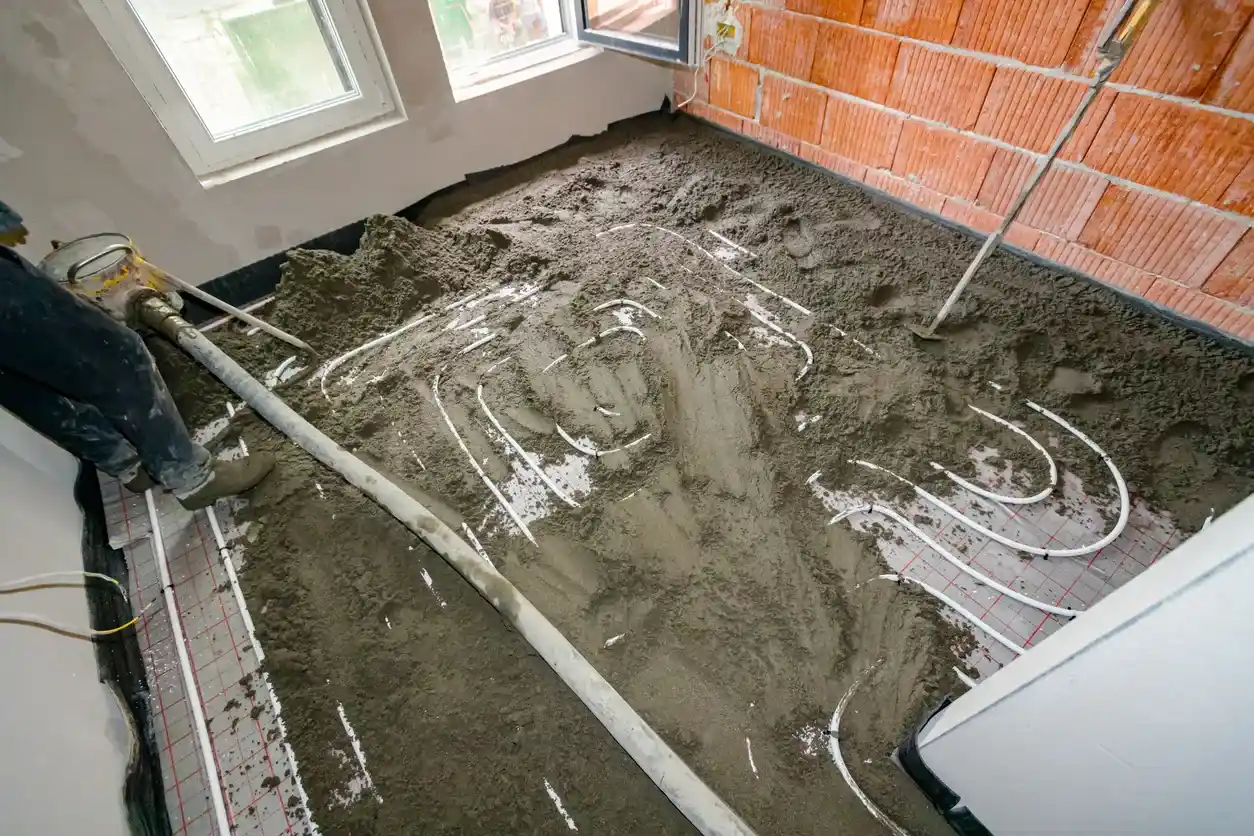
Restoring a complex ground-source heat pump requires a methodical approach that eliminates guesswork. We follow a strict protocol designed to identify the exact point of failure and implement a permanent solution. This process ensures that we do not just treat symptoms but resolve the underlying hydraulic or thermodynamic issues affecting your comfort:
- Initial System Diagnostics: The process begins with a complete system audit. We measure the temperature difference (Delta T) between the entering and leaving water in the loop, as well as the air temperature difference across the coil. These metrics tell us immediately if the issue lies in the ground loop or the refrigerant cycle. We also check static pressure in the ductwork to ensure airflow issues aren't masquerading as equipment failure.
- Loop Field and Pressure Testing: If the diagnostics point to the ground loop, we perform pressure tests to identify potential leaks or air locks. Air trapped in the loop is a common issue that hampers fluid circulation. We use flush carts to purge air and debris from the lines, ensuring the glycol or water solution can circulate freely. If a leak is suspected in the buried piping, isolation protocols are used to locate the compromised section without unnecessary excavation.
- Component Repair and Replacement: Once the issue is isolated, we proceed with the necessary repairs. This may involve replacing a failed circulating pump, swapping out a seized compressor, or repairing a refrigerant leak. We use OEM (Original Equipment Manufacturer) parts whenever possible to ensure compatibility and longevity. For loop repairs, we utilize heat fusion techniques to bond polyethylene pipes, creating joints that are stronger than the pipe itself.
- System Flushing and recharging: After mechanical repairs are complete, the system often requires flushing. We circulate a cleaning solution to remove scale or bacterial growth that reduces heat transfer efficiency. Following the flush, we recharge the loop with the correct concentration of antifreeze and water to prevent freezing during winter operation and ensure optimal thermal conductivity.
- Final Performance Verification: We do not leave until the system is running at peak parameters. We re-test flow rates, pressures, and temperatures to verify the repair. We also calibrate the thermostat and zone controls to match the restored system capacity, ensuring your home reaches the desired temperature quickly and maintains it efficiently.
Deciding Between Geothermal Repair or Replacement
Homeowners often face the difficult choice between repairing an existing unit or investing in a new system. This decision relies on a balance of immediate costs, long-term efficiency, and the age of your current equipment. Geothermal systems have two main lifespans: the indoor heat pump unit typically lasts 20 to 25 years, while the underground loop field can last 50 years or more. If your indoor unit is approaching the two-decade mark and requires a major component like a compressor, replacement might be the more improved financial strategy.
Airtech Mechanical Service Inc. helps you evaluate the Return on Investment (ROI) for both scenarios. A key factor in this decision is the evolution of technology. Newer geothermal units offer higher Energy Efficiency Ratios (EER) and Coefficient of Performance (COP) ratings than models installed just a decade ago. If your current system has a low SEER rating, upgrading could significantly lower your monthly energy bills, offsetting the installation cost over time. Additionally, modern units often feature variable-speed compressors and fans, which provide superior humidity control and comfort compared to older, single-stage models.
Financial incentives also play a massive role in this decision. Under current federal programs, replacing a geothermal heat pump can qualify you for a 30% tax credit. This credit applies to the total cost of the project, including labor and site preparation. When you factor in this substantial reduction in upfront cost, combined with potential energy savings and manufacturer rebates, a full replacement often becomes more attractive than sinking money into an aging, out-of-warranty unit. However, if the unit is relatively young and the repair is minor—such as a capacitor replacement or a flow center flush, repair is almost always the correct path.
Navigating Local Geothermal Regulations and Seasonal Considerations
Operating a geothermal system in Pamlico requires specific attention to the local climate and geological conditions. The humid subtropical climate here presents distinct challenges, particularly during the summer. Summer is typically the wettest season in this region, which impacts the thermal conductivity of the soil. While moist soil transfers heat efficiently, excessive groundwater or flooding from storms can shift soil settling around the loop field or impact vertical bore grouting if not properly maintained:
- Humidity Control Requirements: In our region, the primary job of any cooling system is dehumidification. Geothermal systems are excellent at this, provided they are running correctly. If your system is short-cycling due to a repair issue, it will cool the air without removing enough moisture, leading to a clammy indoor environment. We calibrate systems specifically for high-humidity loads, adjusting blower speeds to maximize moisture removal during the long, warm summers.
- Winter Efficiency and Loop Temperatures: While winters are generally mild, occasional cold snaps can drop soil temperatures. If your loop is undersized or if the antifreeze concentration is incorrect, the entering water temperature can drop too low, causing the system to lock out on low-pressure faults. We ensure your antifreeze mixture is rated for the lowest expected ground temperatures in our specific zone, preventing system freeze-ups during January and February.
- Permitting and Environmental Compliance: Repairs that involve the ground loop, especially those requiring excavation or fluid handling, must adhere to local environmental regulations. Because the loop interacts with the ground and potentially the water table, strict codes govern how leaks are handled and how fluids are disposed of. We handle all necessary compliance documentation, ensuring that loop repairs meet county codes and protect the local ecosystem. This includes proper handling of refrigerants and ensuring that any loop additives are non-toxic and biodegradable as required by state statutes.
Why Choose Us: Certifications and Technical Expertise
The effectiveness of a geothermal repair depends entirely on the technical proficiency of the service provider. General HVAC knowledge is insufficient for these systems; they require a deep understanding of thermodynamics, geology, and fluid dynamics. We pride ourselves on employing technicians who hold specific certifications relevant to ground-source technology. Our team maintains IGSHPA accreditation, the gold standard for geothermal installation and service. This ensures that every repair we perform aligns with the most rigorous industry guidelines for safety and efficiency.
Beyond certification, we invest in specialized diagnostic and repair tools that general contractors simply do not carry. From ultrasonic flow meters that measure loop performance without cutting pipes to high-capacity flush carts capable of purging large residential loops, our equipment allows us to solve problems that others guess at. We understand the nuances of both open-loop and closed-loop configurations and have the capability to service water-to-air and water-to-water systems.
We also prioritize availability. Geothermal systems often serve as the sole source of heating and cooling for a home. A failure during a summer heatwave or a winter freeze is not just an inconvenience; it is a safety concern. Our commitment to 24/7 emergency service means you have access to expert repair capabilities whenever you need them. We arrive with fully stocked service vehicles, aiming to resolve the issue in a single visit whenever possible.
Restore the Performance You Invested In
Your geothermal system is designed to deliver unmatched efficiency and comfort, but only when every component works in harmony. With certified expertise, advanced diagnostics, and round-the-clock availability, Airtech Mechanical Service Inc. restores your system’s performance while protecting your long-term energy savings. Do not let reduced efficiency or rising bills undermine your investment. Contact us today to schedule your geothermal repair and bring your home back to peak comfort.
Other Services