

Geothermal Repair in Emerald Isle, NC
Facing geothermal system troubles in Emerald Isle? Contact our expert technicians for rapid diagnostics and efficient repairs. Learn more about our services today.
Geothermal System Failure Requiring Immediate Technical Intervention
Is your geothermal unit failing to maintain consistent temperatures against the high humidity and heat typical of the North Carolina coast? You need a diagnostic assessment and a rapid solution to restore your indoor climate control immediately; contact us today to schedule your service visit.
When a geothermal heat pump malfunctions, the discomfort is immediate, and the concern for the system’s longevity is valid. Homeowners in Emerald Isle rely on these systems for their efficiency, but complex issues regarding the ground loop or the heat pump cabinet require specialized attention. Airtech Mechanical Service Inc. provides the technical expertise required to diagnose specific pressure faults, flow issues, and electrical failures:
- Rapid response and comprehensive diagnostics from certified technicians.
- Transparent repair protocols to eliminate downtime and restore efficiency.
- Long-term solutions backed by warranties to enhance system longevity.
- Licensed and insured—workmanship guaranteed with flexible financing available.
Immediate Response for Emergency Geothermal Repairs
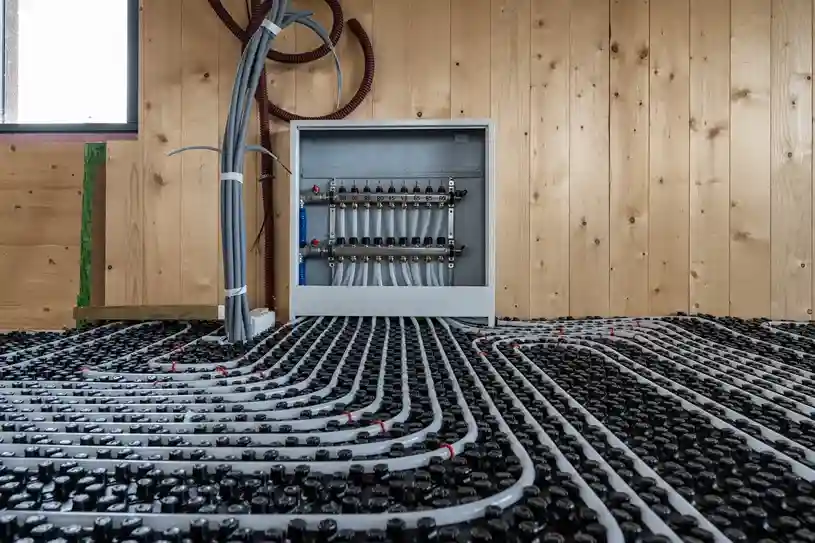
When your geothermal system stops working, the rising indoor temperature and humidity levels can quickly damage interior finishes and compromise air quality. Because geothermal systems operate differently than standard air-to-air heat pumps, they require technicians who understand thermodynamics, fluid dynamics, and loop field mechanics. A standard HVAC contractor may not have the tools to measure loop pressure or test the specific heat exchange properties of your unit.
Residents in Emerald Isle face unique challenges due to the coastal environment. Salt air can corrode electrical connections, and sandy soil conditions can shift, occasionally impacting ground loops if not installed with the correct grout and protection. Signs that you need immediate repair often go beyond a simple "no cool" situation.
Look for these critical indicators of system failure:
- Loss of Loop Pressure: If your flow center pressure drops significantly, it indicates a leak in the ground loop or the piping near the unit.
- Compressor Lockout: The system attempts to start but shuts down immediately due to safety controls triggering high or low-pressure switches.
- Diminishing Efficiency: The unit runs constantly but fails to reach the set temperature, suggesting scaling in the heat exchanger or low refrigerant levels.
- Water Leaks: Moisture pooling around the indoor cabinet can signal a clogged condensate drain or a breach in the coaxial heat exchanger.
Waiting to address these issues often results in more extensive damage to the compressor or the loop field. Immediate professional intervention halts the progression of the damage and restores the energy efficiency that makes geothermal ownership viable.
What to Expect During Your Geothermal Repair Service
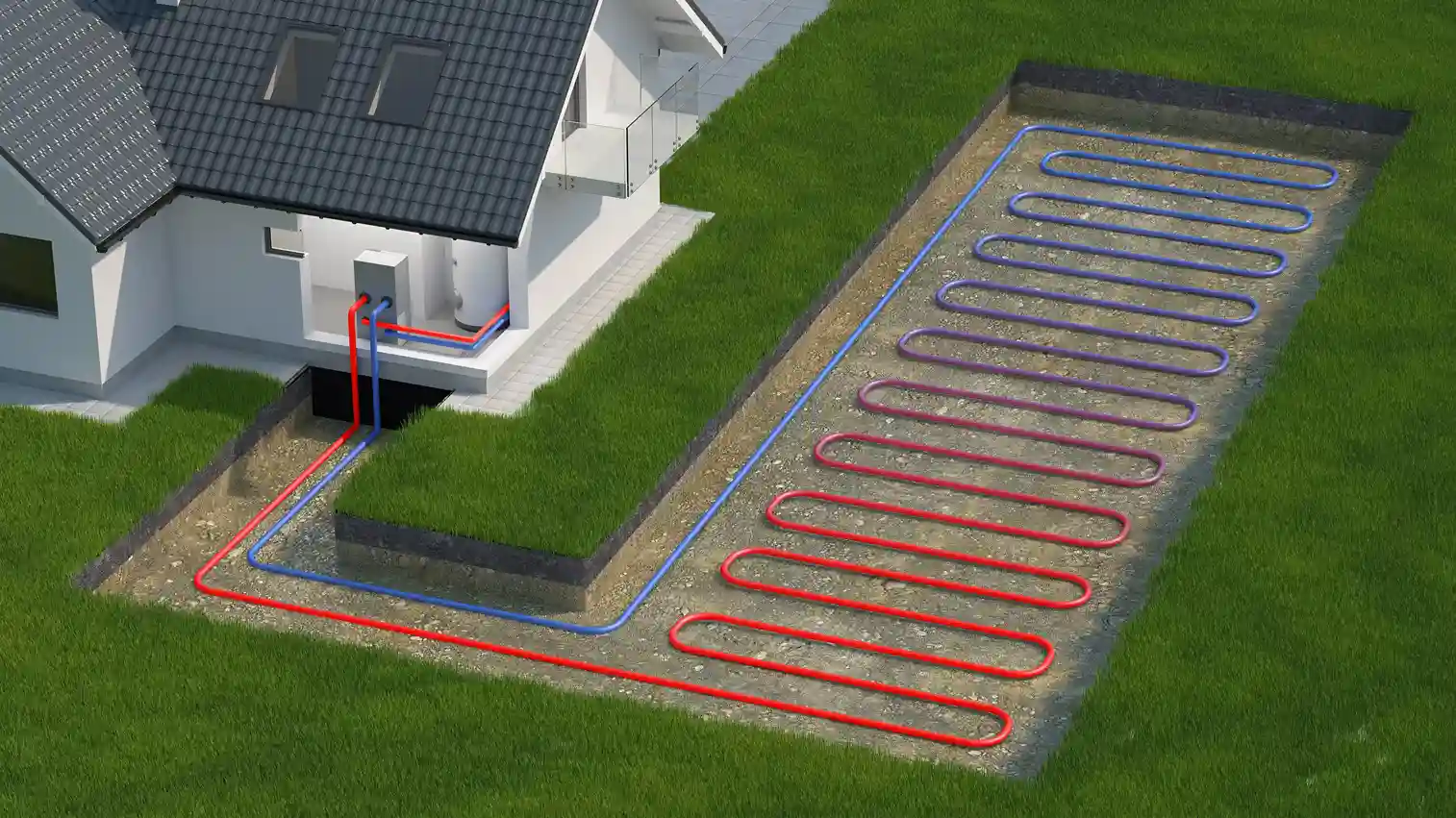
A professional repair visit is a structured process designed to isolate the root cause of the failure rather than just treating the symptom. Geothermal systems are composed of three main parts: the heat pump unit, the liquid heat exchange medium (the loop), and the air delivery system (ductwork). A thorough repair service examines all three to ensure the entire system operates in harmony.
Upon arrival, the technician begins with a comprehensive system audit. This involves checking the thermostat communication and moving to the mechanical components:
- Loop Field Analysis: The technician measures the pressure and flow rate of the fluid circulating in the ground loops. They check for the presence of air in the lines, which can impede heat transfer, and verify the concentration of antifreeze (methanol or glycol) to prevent freezing in winter.
- Heat Extraction/Rejection Testing: By measuring the water temperature entering and leaving the unit, the technician calculates exactly how much heat the system is extracting or rejecting. If the delta-T (temperature difference) is incorrect, it points to flow issues or refrigerant problems.
- Refrigerant Circuit Inspection: Gauges are attached to measure superheat and subcooling. This confirms if the charge is correct or if there is a leak. The technician also inspects the reversing valve to ensure it shifts properly between heating and cooling modes.
- Electrical and Airflow Verification: Capacitors, contactors, and relays are tested for proper voltage and amperage. The blower motor is inspected for dust buildup, and static pressure in the ductwork is measured to ensure adequate airflow across the coil.
Once the diagnosis is complete, you receive a detailed explanation of the failure and a clear plan for repair. This includes the scope of work, parts required, and the timeline for completion. The goal is to perform the repair efficiently, ensuring the system returns to its manufacturer-rated specifications.
Professional Installation and Long-Term Care
While repairs address immediate breakdowns, the long-term health of a geothermal system relies heavily on the quality of the initial installation and ongoing preventative care. Geothermal heat pumps have a longer life expectancy than traditional HVAC units, often 20 to 25 years for the indoor unit and 50+ years for the ground loop, but this longevity is contingent on maintenance.
For homeowners in Emerald Isle, maintaining the system involves combatting the effects of a humid, saline environment. Regular professional maintenance visits are not just about changing filters; they are about preserving the efficiency of the heat exchange process:
- Heat Exchanger Cleaning: The coaxial heat exchanger can accumulate mineral deposits (scaling) over time, especially if open-loop systems are used, though closed-loop systems are more common. Descaling restores heat transfer efficiency.
- Condensate Management: The high humidity in the region means the system removes significant moisture from the air. Technicians ensure drain lines are clear and trapped properly to prevent water damage and algae growth.
- Loop Flushing: Over time, air pockets can develop in the loop field, or debris can settle in the flow center. Technicians may need to power flush the loops to remove air and debris, ensuring optimal fluid circulation.
- Electrical Tightening: Vibrations can loosen electrical connections over time. Tightening these connections prevents overheating and burnt wiring, which are common causes of sudden system failure.
Airtech Mechanical Service Inc. focuses on these critical maintenance tasks to prevent the need for emergency repairs. By keeping the heat exchange surfaces clean and the loop pressure stable, the system consumes less electricity and provides more consistent comfort.
Deciding When System Replacement is Better than Repair
Geothermal systems represent a significant investment, so the decision to replace a unit is not taken lightly. However, there comes a point where the cost of continued repairs outweighs the benefits of keeping an aging unit running. Understanding the diminishing returns of repairing an old system helps homeowners make financially sound decisions.
You should consider replacement if you encounter specific scenarios regarding age and cost:
- The 50% Rule: If the cost of the repair approaches or exceeds 50% of the value of a new system, replacement is generally the wiser financial move. A major component failure, such as a compressor or a coaxial heat exchanger breach in an out-of-warranty unit, often triggers this threshold.
- Age of the Equipment: While the ground loop lasts for decades, the indoor heat pump unit typically lasts 20-25 years. If your unit is approaching the two-decade mark and requires a significant repair, investing that money into a modern, higher-efficiency unit often yields better long-term savings.
- Refrigerant Type: Older systems may use R-22 refrigerant, which has been phased out and is prohibitively expensive to restock. If an R-22 system develops a leak, replacement is almost always the necessary path due to federal regulations and cost.
- Efficiency Degradation: Geothermal technology has advanced. Modern units offer higher EER (Energy Efficiency Ratio) and COP (Coefficient of Performance) ratings. Replacing an old unit can lower monthly utility bills enough to offset the installation cost over time.
Your Local Guidelines on Geothermal Systems
Operating a geothermal system in coastal North Carolina requires adherence to specific local and state guidelines. These regulations ensure that the systems do not negatively impact the local water table or environment, particularly in sensitive areas like Emerald Isle.
When repairs involve the ground loop, especially if excavation is required, local utility location services must be contacted to mark underground lines. If a loop has failed and requires replacement or modification, permits may be required depending on the scope of the digging:
- CAMA Permits: For properties located near the oceanfront or sound side, the Coastal Area Management Act (CAMA) may dictate where digging or loop installation can occur to protect dunes and marshlands.
- Well Standards: If the system utilizes an open-loop configuration (pumping water from a well and discharging it), it must comply with North Carolina strict well construction and water discharge standards to prevent aquifer contamination.
- Electrical Codes: Repairs involving the high-voltage components of the system must meet current NC electrical codes. This is particularly important for older homes where the electrical panel may need upgrades to handle modern equipment safely.
Understanding these local nuances prevents legal complications and ensures the safety of the property and the surrounding environment. Professional service providers manage the permitting and compliance aspects of major repairs, ensuring the homeowner is not left with code violations.
Why Choose Us? Our Commitment to Quality and Community
Selecting a service provider for geothermal repair is a decision based on technical capability and trust. Geothermal technology is specialized; it requires certifications and training that go beyond standard HVAC licensing. The complexity of the ground loop combined with the refrigeration cycle demands a technician who understands the physics of heat transfer deep underground.
We distinguish our service through rigorous technical standards and a deep understanding of the local geology and climate:
- Specialized Training: Our team undergoes specific training for water-source and geothermal heat pumps. We understand flow dynamics, loop pressure management, and the specific controls used in these advanced systems.
- Advanced Diagnostics: We utilize digital gauges and flow meters that provide precise data, allowing us to pinpoint issues that others might miss. This reduces diagnostic time and ensures the repair fixes the root cause.
- Inventory Availability: Geothermal-specific parts, such as flow centers and coaxial heat exchangers, are not always stocked by standard supply houses. We maintain access to the necessary components to expedite repairs.
- Comprehensive Warranties: We stand behind our repairs with warranties that cover both parts and labor, providing peace of mind that the solution is permanent.
When your geothermal system fails, you need a partner who can restore your comfort quickly and correctly. We provide the expertise necessary to navigate complex repairs and maintenance requirements.
Restore Your Home Comfort Today
Don't let a malfunctioning geothermal system compromise your comfort or inflate your energy bills. Effective repair requires specialized knowledge and immediate action. Ensure your system is operating at peak efficiency by securing professional support now.
Contact us immediately to schedule your diagnostic and repair service.
Other Services