

Geothermal Repair in Atlantic Beach, NC
Experience reliable and specialized geothermal repair services in Atlantic Beach. Contact Airtech Mechanical Service Inc. for efficient solutions and immediate assistance.
Facing Sudden Geothermal System Failures?
Experiencing unexpected issues with your geothermal heating or cooling implies a disruption to your daily comfort and energy efficiency. Contact us today to schedule a diagnostic visit or for immediate assistance from certified technicians who understand the unique soil and water conditions in Atlantic Beach:
- Receive same-day service to restore comfort and system efficiency quickly.
- Benefit from technicians trained in the latest geothermal technology and ground-loop diagnostics.
- Ensure long-term performance with comprehensive maintenance checks included during every repair.
Backed by industry-leading warranties and fully licensed operations to guarantee peace of mind.
Comprehensive Geothermal Repair Services
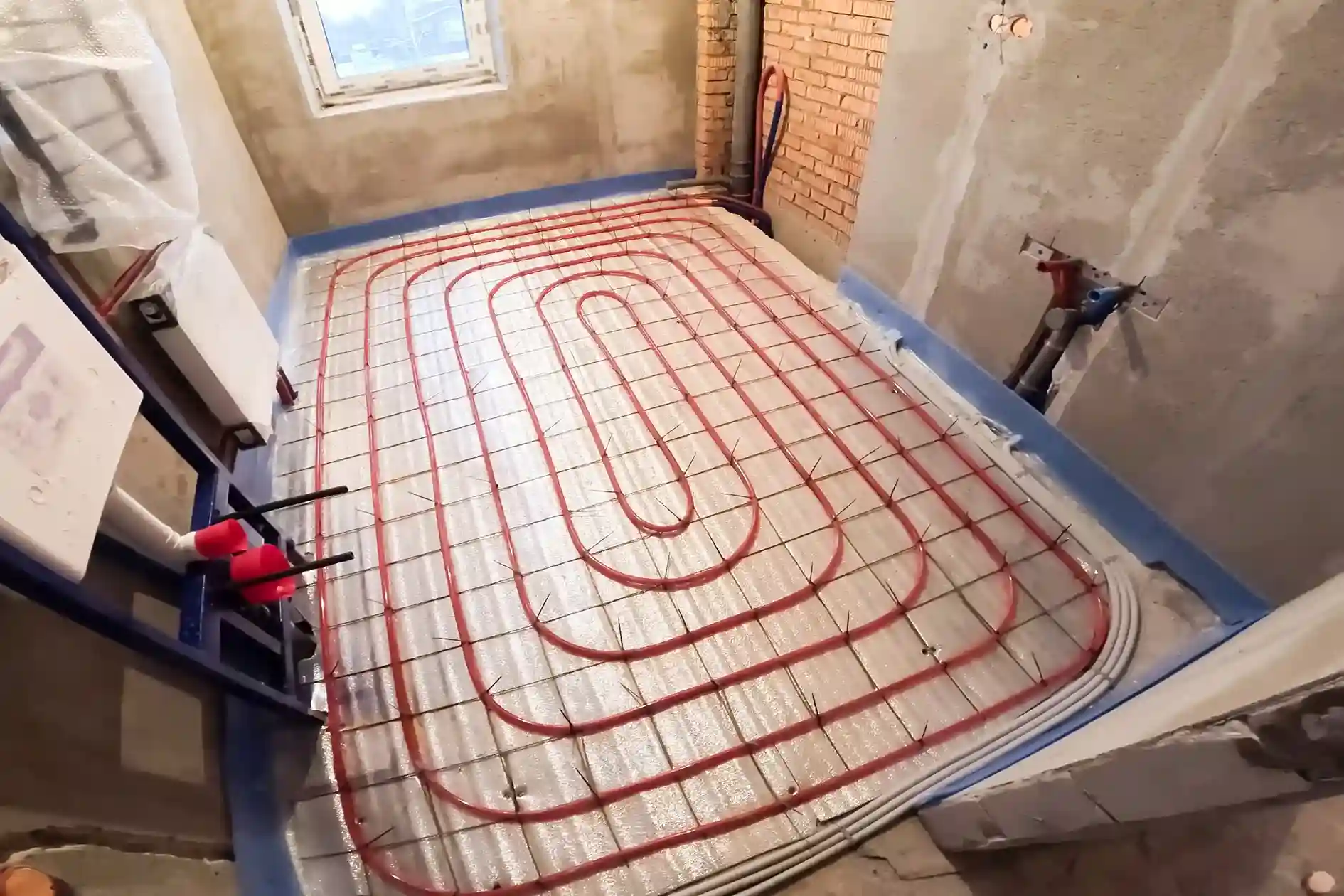
When a geothermal heat pump stops working effectively, the issue often lies deep within the mechanics of the unit or the underground loop system. Unlike standard HVAC systems, geothermal units require specialized knowledge of fluid dynamics, heat transfer, and ground-source physics. Residents in Atlantic Beach, NC need a service provider capable of isolating the problem accurately without unnecessary excavation or guesswork.
Airtech Mechanical Service Inc. provides a systematic approach to geothermal repair. The focus remains on restoring the heat exchange process, ensuring that the fluid circulating through your ground loops effectively transfers thermal energy to or from your home. This service covers all configurations, including vertical, horizontal, and pond/lake loops often found in coastal regions.
Upon arrival, the immediate goal is to stabilize the indoor climate. Technicians arrive with fully stocked service vehicles containing specialized geothermal components such as flow centers, circulation pumps, and coaxial heat exchanger cleaning tools. The service includes a full evaluation of the loop pressure, antifreeze concentration, and electrical consumption of the compressor to ensure the fix addresses the root cause, not just the symptom.
Critical Components We Repair and Replace
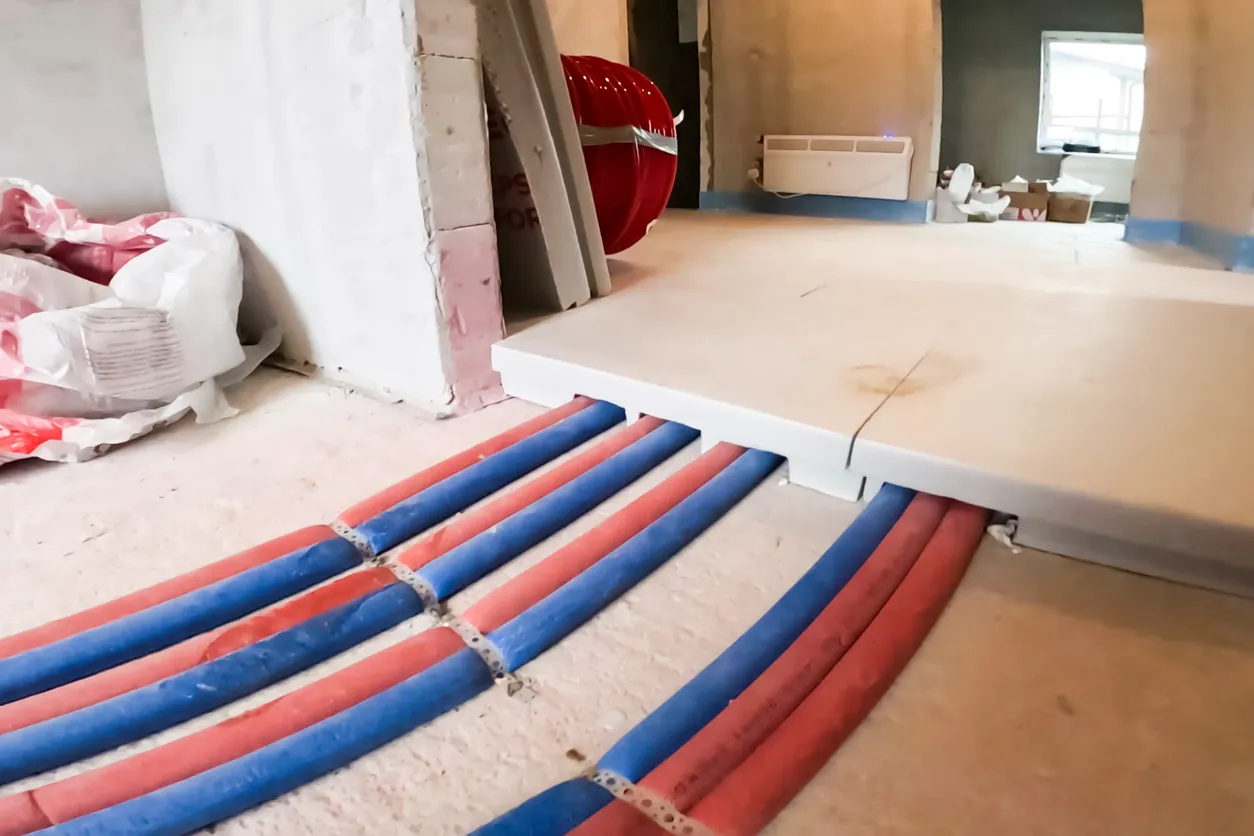
Geothermal systems are robust, but specific components handle significant stress. The repair process involves inspecting and servicing the following critical areas:
- Flow Center Modules: The heart of the loop system, these pumps circulate the water/antifreeze mixture. Failures here stop heat transfer entirely.
- Coaxial Heat Exchangers: These components transfer heat between the refrigerant and the loop fluid. Mineral buildup or scaling can reduce efficiency, requiring acid flushing or replacement.
- Compressor Contactor and Run Capacitors: Electrical spikes or wear can cause these small but vital parts to fail, preventing the compressor from starting.
- Reversing Valves: This valve switches the unit between heating and cooling modes. If it sticks, the system locks into one season’s mode.
- Desuperheaters: Many local systems utilize a desuperheater to generate domestic hot water. Leaks or pump failures here can affect both home heating and water availability.
- Thermostatic Expansion Valves (TXV): This valve regulates refrigerant flow. A malfunction here causes the system to freeze up or fail to cool.
The Geothermal Diagnostic and Repair Process
Repairing a geothermal system requires a different protocol than repairing an air-source heat pump. The connection to the earth introduces variables regarding ground temperature and loop pressure. The repair workflow is designed to minimize downtime while ensuring environmental safety and system integrity.
Initial System Assessment and Static Pressure Check
The process begins with a static pressure check of the ground loop. A drop in pressure often indicates a leak in the underground piping or a loose connection in the flow center. Technicians verify the pressure gauges and compare them to the manufacturer's specifications for the specific model installed. If the pressure is zero or critically low, the system is shut down to prevent pump burnout.
Electrical and Safety Control Verification
Technicians inspect the high and low-pressure safety switches. These switches protect the compressor from damage during loop failure or refrigerant leaks. By testing the continuity and resistance of the compressor windings and fan motor, the team determines if the electrical components are operating within safe amperage ranges.
Loop Performance and Flow Rate Analysis
Using non-invasive ultrasonic flow meters or pressure differential gauges, the technician measures the gallons per minute (GPM) flowing through the system. If the flow rate is too low, the heat exchange fails, leading to high energy bills and poor comfort. This step also involves checking the "Delta T" (temperature difference) between the entering and leaving water temperatures to verify heat extraction or rejection.
Component Repair and Refrigerant Balancing
Once the issue is isolated, the repair is executed. This may involve replacing a burnt-out pump cartridge, brazing a refrigerant leak, or replacing a faulty control board. If the refrigerant circuit was compromised, the system is evacuated to remove moisture and recharged to the precise factory weight.
System Flushing and Antifreeze Adjustment
If air locks or debris are found in the loop, a flush cart is connected to the system. This high-velocity pump circulates fluid to push out air bubbles and sediment. During this process, the antifreeze levels (methanol or glycol) are tested and adjusted to prevent the loop from freezing during the winter months.
When to Repair vs. When to Replace
Geothermal systems generally have a longer lifespan than conventional HVAC units, with ground loops lasting 50+ years and heat pumps lasting 20 to 25 years. However, certain failures present a financial tipping point where replacement becomes the more prudent investment.
Repair is the correct path when:
- The unit is under 15 years old and has been well-maintained.
- The failure is isolated to a replaceable component like a capacitor, flow center pump, or control board.
- The ground loop is intact and holding pressure.
- The cost of repair is less than 50% of the value of a new heat pump unit.
Replacement is recommended when:
- The heat pump is over 20 years old and the compressor has failed. The cost of a compressor change-out on an obsolete unit is rarely cost-effective.
- The coaxial heat exchanger has ruptured. This allows water to mix with refrigerant, typically destroying the rest of the refrigeration circuit.
- The system uses an outlawed refrigerant (like R-22) which makes recharging prohibitively expensive.
- You are facing recurring repairs that total more than the cost of a new system over a two-year period.
- New federal tax credits or local rebates for upgrading to higher-efficiency Energy Star tiers significantly offset the installation cost — explore financing options today.
Navigating Local Considerations in Atlantic Beach
Operating a geothermal system in a coastal environment like Atlantic Beach presents specific challenges that do not affect inland systems. The salt-laden air and high water table influence both the installation and the repair strategy.
Corrosion Management
Salt air accelerates corrosion on outdoor electrical connections and cabinets. While the main geothermal unit is often indoors, split systems or package units may have exposure. Repair protocols in this region include applying dielectric grease to electrical contacts and inspecting cabinets for rust that could compromise structural integrity or seal quality.
High Water Table and Loop Integrity
The high water table in coastal NC is excellent for thermal conductivity, making geothermal highly efficient. However, it also means that ground shifting during storms or flooding can put stress on horizontal loop headers. Diagnostics include checking for ground shifting issues that might pinch or stress HDPE piping entering the foundation.
Humidity Control
In a humid subtropical climate, the geothermal system serves as the primary dehumidifier. If the system is oversized or short-cycling due to a repair issue, humidity levels in the home will spike, leading to mold growth. Technicians calibrate the blower speeds and dip switch settings on the control board to maximize moisture removal (latent cooling) alongside temperature control (sensible cooling).
Permitting and Environmental Compliance
Repairs involving excavation or loop alteration may require adherence to Coastal Area Management Act (CAMA) regulations, especially if the property is near sound-side or ocean-side water bodies. Professional service providers handle the verification of whether a repair permit is needed, ensuring that all work complies with local environmental protection standards.
Technical Expertise and Specialized Tools
Effective geothermal repair relies heavily on the quality of the diagnostic tools used. Standard HVAC gauges are often insufficient for the complexities of hydronic loops:
- Digital Manifolds: Precise measurement of superheat and subcooling is essential for verifying the refrigerant charge in relation to the water loop temperature.
- Ultrasonic Flow Meters: These devices allow technicians to measure water flow through the pipe without cutting into the plumbing, preserving the integrity of the loop while diagnosing flow restrictions.
- Geothermal Flush Carts: Specialized high-volume pumps are required to purge air from the loops. Air bubbles can stop a geothermal system completely; a standard garden hose or transfer pump cannot generate enough velocity to remove them.
- Antifreeze Refractometers: This tool accurately measures the freezing point of the loop fluid. Incorrect guessing can lead to underground loops freezing and bursting during a cold snap.
Technicians must also possess a deep understanding of thermodynamics. Unlike air-source units where the ambient temperature is constant across the coil, geothermal units deal with entering water temperatures that change slowly. Airtech Mechanical Service Inc. employs technicians who can interpret these variables to fine-tune the system for maximum Coefficient of Performance (COP) and Energy Efficiency Ratio (EER).
Ensuring System Longevity Through Proper Repair
A "band-aid" fix on a geothermal system often leads to catastrophic failure later. For example, simply topping off a leaky loop with tap water dilutes the antifreeze, risking a freeze-up that could ruin the entire underground investment. Proper repair involves finding the leak, fixing it, and restoring the fluid chemistry to manufacturer specifications.
Similarly, replacing a compressor without determining why the first one died—whether due to low airflow, low loop flow, or voltage irregularities—usually results in the new compressor failing within a year. The focus is always on a holistic diagnosis that views the loop, the pump module, the heat pump, and the ductwork as an integrated system.
This level of detail ensures that once the system is back online, it operates at peak efficiency, keeping utility bills low and comfort high. Residents rely on their geothermal setups to handle the intense summer humidity and the damp winter chill typical of the Atlantic Beach area. Ensuring the equipment is calibrated correctly extends the life of the heat pump and protects the investment made in the ground loop infrastructure.
Restore Your Geothermal Efficiency Today
Geothermal systems are complex, high-performance machines that require specialized attention when they falter. Ignoring strange noises, icing up, or rising energy bills can lead to total system failure. Prompt, professional intervention safeguards your home’s comfort and prevents minor issues from becoming major expenses.
Don't let a malfunction compromise your heating and cooling. Trust the team with the specialized tools and local experience to get the job done right. Contact Airtech Mechanical Service Inc. now to schedule your repair service and restore your system’s performance.
Other Services