

Geothermal Installation in Pamlico, NC
Reduce your energy bills with our geothermal installations in Pamlico, NC. Enjoy lower costs and tax benefits. Schedule your site assessment today to start saving!
Resolve Your High Energy Costs with Efficient Geothermal Solutions
Struggling with increasing energy bills in Pamlico, NC is a frustration many homeowners face, especially when traditional HVAC systems work overtime to combat local humidity. Discover how our certified geothermal installations not only lower your energy use but also capitalize on significant tax savings to protect your long-term financial health. Contact us today to schedule your site assessment, or inquire about our financing options:
- Save up to 70% on heating and cooling costs with our efficient geothermal systems.
- Enjoy peace of mind with a 30% federal tax credit on your installation.
- Benefit from a clean, sustainable energy source that lasts for decades.
All installations are fully certified and come with extensive warranties to ensure your investment is protected. By choosing Airtech Mechanical Service Inc., you are securing a system engineered for the specific thermal loads of your property.
Why Geothermal? Making the Switch Can Save You Money
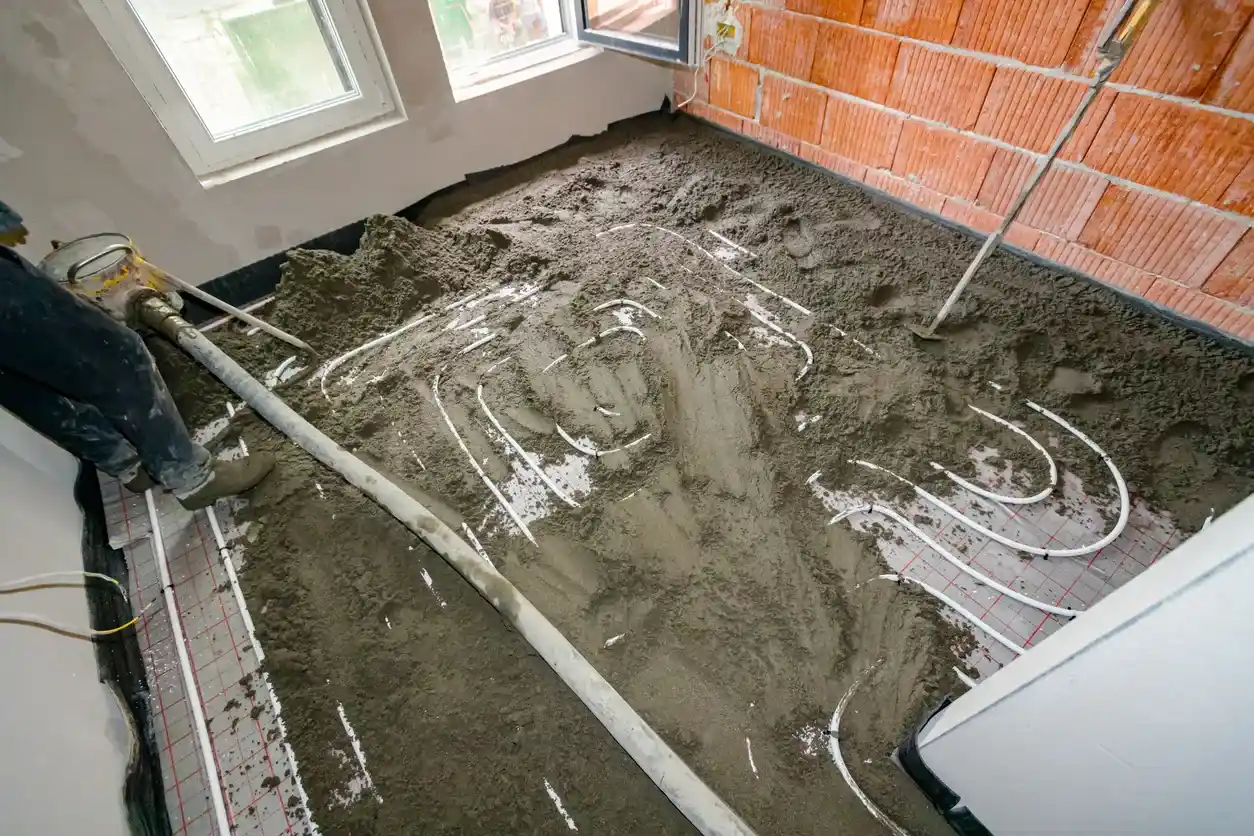
Homeowners often hesitate at the upfront investment required for geothermal systems, but a deeper look into the return on investment reveals why this is a financially sound decision. Unlike conventional air-source heat pumps that struggle to extract heat from freezing air or disperse heat into scorching summer temperatures, geothermal systems leverage the constant temperature of the earth. This thermal stability allows the equipment to operate with consistent efficiency regardless of the weather conditions outside.
The financial incentives available today significantly reduce the barrier to entry. Currently, the federal government offers a 30% tax credit on the total cost of installation, including labor, site preparation, and equipment. This credit is a direct reduction of your tax liability, not merely a deduction from your taxable income. When combined with the drastic reduction in monthly utility bills, the payback period for a geothermal system is shorter than ever before.
Operational efficiency is measured by the Coefficient of Performance (COP). While a high-efficiency gas furnace might reach 98% efficiency (a COP of 0.98), a geothermal system frequently operates at a COP of 4.0 or higher. This means that for every one unit of electricity used to power the system, four units of heating or cooling energy are delivered to your home. Over the lifespan of the system, this efficiency translates to tens of thousands of dollars in savings.
What to Expect from Your Geothermal Installation: Timeline and Process
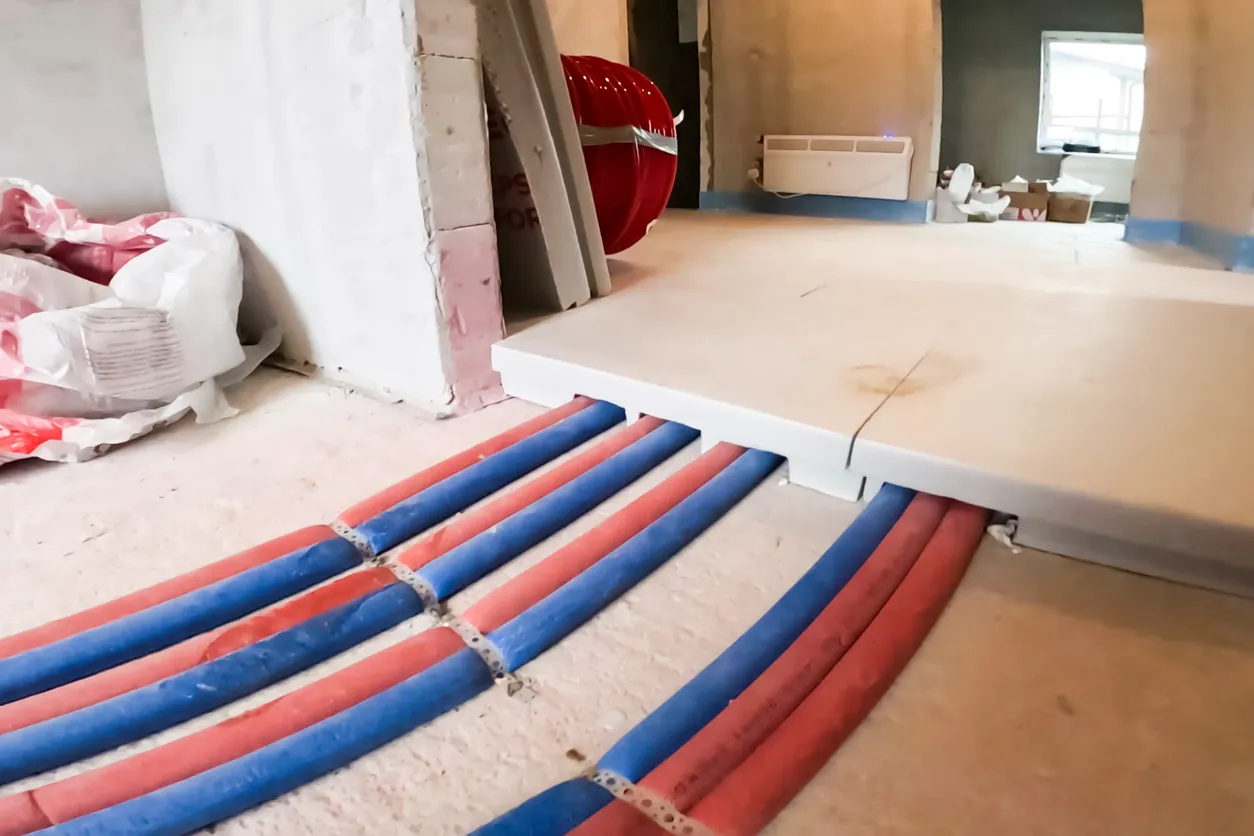
Installing a geothermal system is a construction project that involves more than simply swapping out a box. It requires careful planning, site evaluation, and coordination. Understanding the scope of work helps you prepare for the installation window:
- Site Evaluation and Loop Selection: The process begins with a detailed analysis of your property’s geology and available space. The type of loop system, vertical, horizontal, or pond loop, depends on the soil composition and the square footage of your land. In areas with high water tables or specific soil types found in North Carolina, certain loop configurations offer superior thermal transfer.
- The Exterior Installation: This phase involves excavation or drilling. Heavy machinery will be on-site to install the high-density polyethylene pipes that form the ground loop. This is the most labor-intensive part of the project. If a vertical loop is chosen, drilling rigs will bore holes deep into the ground. For horizontal loops, trenches are dug. Once the pipes are laid, they are fused together thermally to create a leak-proof connection and then buried.
- The Interior Installation: While the exterior work is happening, the interior heat pump unit is installed. This unit replaces your furnace or air handler. It connects to your existing ductwork and the newly installed ground loop. In many cases, modifications to the ductwork are minimal, but the electrical connections and plumbing for the loop fluid must be precise.
- Timeline Considerations: A typical installation takes several days to a few weeks, depending on the complexity of the ground loop. Weather conditions can influence the excavation schedule. However, the interior swap is usually completed quickly to minimize disruption to your home's comfort.
Your Step-by-Step Guide to Geothermal Installation
We follow a rigorous protocol to ensure every system performs at peak efficiency. While every property is unique, the execution of the project follows a standardized, proven pathway:
- Load Calculation and Design: First, we perform a Manual J load calculation to determine exactly how much heating and cooling your home requires. Oversizing or undersizing a geothermal system can lead to humidity issues or inefficiency. The system is designed specifically to match these calculations.
- Permitting and Utility Marking: Next, we handle all necessary permits required for excavation and drilling. We also coordinate with local utility services to mark underground lines, ensuring safety and compliance before any ground is broken.
- Drilling or Trenching: The ground loop is installed according to the engineering design. This is the heat exchange field. We ensure the depth and spacing of the loops optimize heat transfer based on local soil conductivity.
- Loop Connection and Grouting: After the pipes are inserted, the boreholes or trenches are backfilled. For vertical loops, a special thermally enhanced grout is pumped into the hole to ensure good contact between the pipe and the earth, maximizing heat exchange.
- Manifold and Flow Center Installation: The individual loops are connected to a manifold, which then routes the fluid into the foundation of your home. A flow center (pump module) is installed to circulate the water solution through the loops.
- Heat Pump Connection: The ground source heat pump unit is set in place. We connect the line set from the flow center, hook up the electrical supply, and integrate the unit with your thermostat and ductwork system.
- Flushing and Commissioning: Finally, the system is flushed to remove any air or debris from the loop lines. We add an antifreeze solution if necessary and pressurize the system. The unit is then started, tested, and balanced to ensure airflow and water flow meet manufacturer specifications.
Evaluating Benefits: When to Choose Geothermal Over Traditional Systems
Deciding between a high-efficiency air-source heat pump and a geothermal system is a critical decision for homeowners facing system replacement. There are specific scenarios where geothermal is the clear winner regarding longevity and performance:
- Lifespan Differences: Traditional outdoor condenser units are exposed to the elements, rain, salt spray, extreme heat, and freezing rain. Consequently, they typically last 12 to 15 years. In contrast, the indoor component of a geothermal system lasts 25 years or more because it is housed indoors, protected from weather extremes. The underground loop system is warranted for 50 years but can last significantly longer. When you calculate the cost of ownership, you must factor in replacing a traditional unit twice in the time one geothermal unit is operating.
- Noise and Aesthetics: Geothermal systems eliminate the noisy outdoor fan unit. There is no condenser humming in your backyard, which reduces noise pollution and improves the aesthetic appeal of your landscaping. The only exterior evidence of the system is the underground piping, which is invisible once the ground is restored.
- Hot Water Generation: Many geothermal units come equipped with a "desuperheater." This device captures waste heat from the compressor during the cooling cycle and uses it to preheat your domestic hot water. In the summer, this can provide nearly 100% of your hot water needs for free, further reducing your utility expenses.
Understanding Local Climate and Permit Requirements in Pamlico
The climate in this region presents specific challenges that geothermal is uniquely suited to handle. We experience a humid subtropical climate characterized by mild winters but hot, humid summers:
- Handling High Humidity: Standard air conditioners must work hard to remove humidity, often overcooling the air to achieve moisture removal. Geothermal heat pumps are exceptionally good at dehumidification. Because the ground temperature is significantly cooler than the summer air (typically around 55-60 degrees F), the system has a massive capacity to reject heat. This results in superior cooling performance and moisture control during those muggy July and August months.
- Soil and Water Table Advantages: The coastal plain geology often features a high water table. Water is a much better conductor of heat than dry soil. This geological feature actually improves the efficiency of geothermal loops in our area, allowing for excellent thermal transfer rates. This means your system often has to work less to achieve the same results compared to installations in dry, rocky climates.
- Permits and Regulations: Installing vertical loops or open-loop systems requires adherence to specific environmental regulations to protect groundwater. Local codes dictate how wells are drilled and grouted. Navigating these requirements requires a contractor who understands local ordinances. We manage the entire permitting process, ensuring that your installation complies with all county and state regulations regarding excavation and groundwater protection.
Why Choose Us: Our Certifications and Commitment to Quality
Selecting the right contractor is as important as selecting the right equipment. Geothermal installation is a specialized field that combines HVAC expertise with excavation and geology. Improper loop design or poor grouting can render a system inefficient or even non-functional.
We hold certifications from the International Ground Source Heat Pump Association (IGSHPA), the standard-bearer for geothermal accreditation. This certification ensures that our technicians are trained in the latest industry standards for loop design, fusion procedures, and load calculations. We do not guess when it comes to the thermal dynamics of your home; we engineer a solution based on hard data.
Airtech Mechanical Service Inc. focuses on technical precision. We utilize advanced fusion technology to ensure underground pipe connections are stronger than the pipe itself, eliminating the risk of leaks. Our focus is on the longevity of the system. We provide transparent documentation regarding the expected performance, the scope of the excavation work, and the warranty coverage on both the labor and the equipment.
Furthermore, we assist our clients in navigating the paperwork required for federal tax credits and any local utility rebates that may be available. Our goal is to make the transition to geothermal as seamless and financially advantageous as possible.
Secure Your Energy Future Today
Switching to geothermal heating and cooling is a decisive step toward energy independence and financial savings. It eliminates the volatility of fossil fuel prices and provides a comfort solution that outperforms traditional systems in every metric. The combination of federal incentives, monthly operational savings, and increased property value makes this an investment that pays dividends for decades.
Do not let another season of high energy bills pass. Rely on the expertise of Airtech Mechanical Service Inc. to design and install a system tailored to your property’s specific needs.
Take control of your home’s efficiency. Contact us now to discuss your geothermal options and schedule your comprehensive site evaluation.
Other Services