

Geothermal Installation in Havelock, NC
Choose geothermal installation in Havelock with Airtech Mechanical Services Inc. Cut energy costs boost efficiency & enjoy lasting comfort. Get started today.
Struggling with Rising Energy Bills? Consider Geothermal Solutions
As energy prices soar, homeowners in Havelock seek more sustainable and cost-effective alternatives to traditional HVAC systems. Geothermal heating and cooling offer a reliable solution with lower running costs and minimal environmental impact, but you need a partner who understands the local soil conditions to install it correctly. Contact us today to discuss financing options or schedule a site evaluation.
Airtech Mechanical Service Inc. specializes in designing and implementing these high-efficiency systems to help you regain control over your monthly utility expenses:
- Reduce your heating and cooling bills by up to 50% with efficient geothermal technology.
- Enjoy the peace of mind with a durable system that requires less maintenance.
- Benefit from federal tax credits and local incentives for geothermal installations.
Full compliance with local building codes and attractive financing options ensure smooth and affordable installation.
What to Expect from a Modern Geothermal System
Investing in a geothermal heat pump transforms how a property manages indoor climate control. Unlike air-source heat pumps that struggle when outdoor temperatures fluctuate drastically, geothermal systems leverage the constant temperature of the earth. This stability results in consistent heating and cooling performance regardless of the weather in North Carolina.
When moving forward with an installation, homeowners receive a comprehensive system designed for longevity. The underground loop system, which is the heart of the operation, is designed to last for generations, while the indoor unit typically outlasts conventional furnaces and air conditioners. The technology provides precise temperature control and eliminates the noise associated with outdoor compressor units.
Key components and benefits included in a standard installation involve:
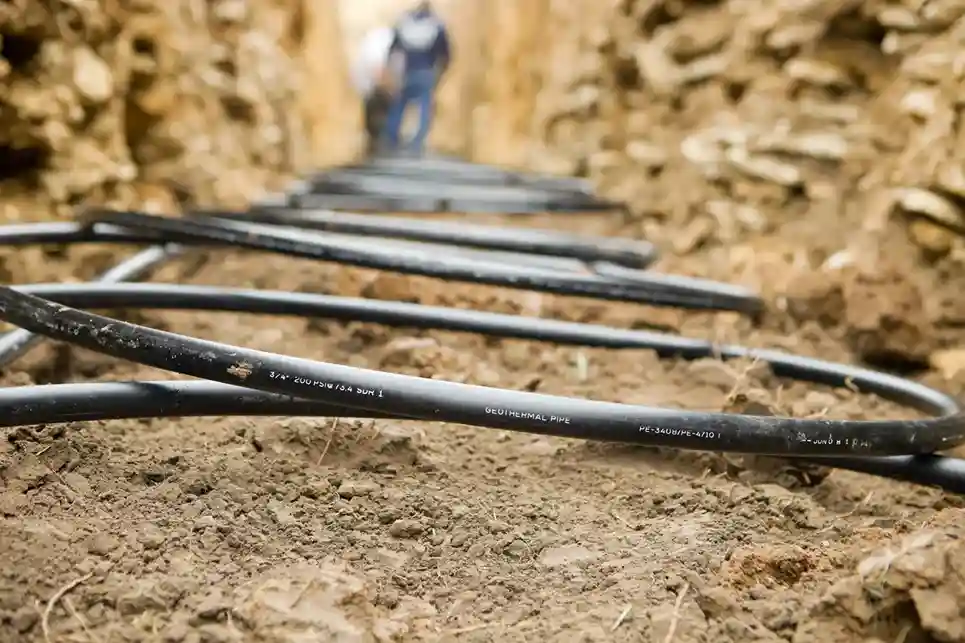
- Ground Loop Heat Exchanger: A network of high-density polyethylene pipes buried underground that circulates fluid to transfer heat to or from the earth.
- Heat Pump Unit: An indoor unit that compresses the heat absorbed from the loop to warm the air or extracts heat from the home to cool it.
- Desuperheater: An optional component often included that utilizes waste heat from the compressor to provide free hot water, further reducing utility costs.
- Smart Thermostat Integration: Modern systems come equipped with advanced controls to monitor energy usage and optimize performance in real-time.
- Zoning Capabilities: The ability to control temperatures in different areas of the home independently, enhancing comfort and efficiency.
The Geothermal Installation Workflow
A successful geothermal project requires precise engineering and execution. The process moves from theoretical load calculations to heavy physical excavation and final calibration. Understanding the sequence helps property owners prepare for the work involved.
Site Evaluation and Load Calculation:
- Technicians perform a Manual J load calculation to determine the exact heating and cooling requirements of the structure.
- The site is assessed for soil conductivity, available land area, and geology to determine the best loop configuration (vertical or horizontal).
- Existing ductwork is inspected to ensure it can handle the airflow requirements of the new system.
Loop System Design and Permitting:
- Engineers design the loop field to ensure adequate heat exchange capacity based on the specific soil conditions found in Havelock.
- All necessary permits are secured from local municipal and environmental agencies to ensure compliance with regulations.
- Underground utility lines are marked to prevent damage during excavation.
Excavation and Drilling:
- For vertical loops, drilling rigs bore holes deep into the ground, typically spacing them out to prevent thermal interference.
- For horizontal loops, trenches are excavated to a specific depth where the soil temperature remains stable.
- If a water source is available and suitable, an open-loop system setup may be prepared.
Loop Installation and Grouting:
- High-density piping is inserted into the boreholes or trenches and heat-fused to create a leak-proof continuous loop.
- Vertical boreholes are filled with a specialized thermally enhanced grout to ensure efficient heat transfer between the pipe and the surrounding earth.
- The loop field is pressure-tested before being covered to guarantee system integrity.
Indoor Unit Installation and Connection:
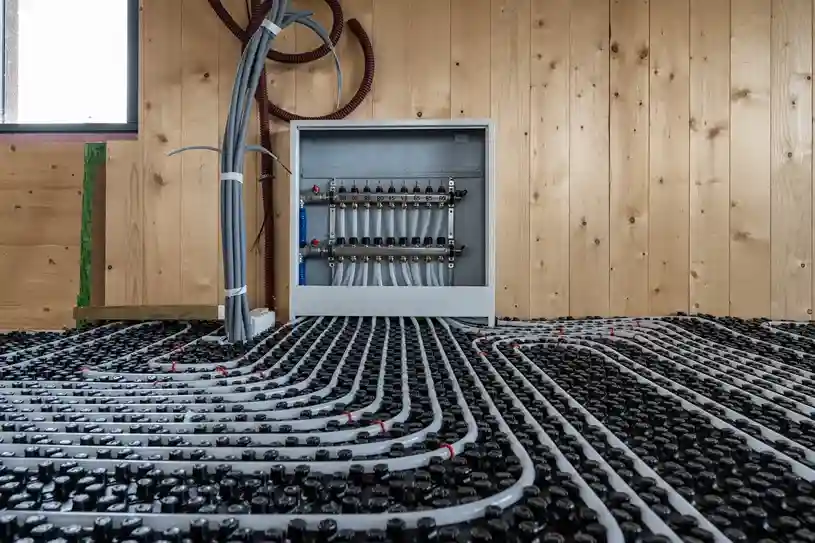
- The indoor heat pump unit is installed, typically in a garage, basement, or utility closet.
- Technicians connect the ground loop piping to the indoor unit, insulating the lines to prevent condensation.
- Electrical connections are made, and the system is integrated with the home's ductwork and thermostat.
System Charging and Start-Up:
- The loop is flushed to remove any debris and air, then charged with an antifreeze solution mixed with water.
- The system is powered on, and technicians verify refrigerant pressures, airflow, and temperature differentials.
- Final adjustments are made to maximize the Coefficient of Performance (COP) and Energy Efficiency Ratio (EER).
Deciding Between Retrofit, Replacement, or Repair
Homeowners often face the dilemma of whether to repair an aging HVAC system or invest in a geothermal replacement. While the upfront cost of geothermal is higher, the long-term math often favors replacement, particularly when the current system approaches the end of its service life.
Repairing a conventional air conditioner or furnace that is over 15 years old frequently results in diminishing returns. As parts wear out, efficiency drops, and monthly bills rise. Continuing to patch a dying system merely delays the inevitable while incurring high energy costs.
Indicators that a full geothermal replacement is the superior choice include:
- Recurring Component Failures: If compressors, blower motors, or heat exchangers require frequent replacement, the system has become a liability.
- Rising Energy Costs: A steady increase in kilowatt-hour usage, independent of rate hikes, indicates the current equipment is losing efficiency.
- Inconsistent Comfort: Hot and cold spots, high humidity levels indoors, or the inability to maintain set temperatures suggest the current unit is undersized or failing.
- Environmental Goals: For those prioritizing carbon footprint reduction, shifting from fossil fuel furnaces to electric geothermal heat pumps significantly lowers emissions.
- Renovation Plans: If a home is undergoing major renovations, it is the ideal time to retrofit geothermal piping and ductwork before walls and landscaping are finalized.
Installation Factors Specific to the Region
Installing geothermal systems in coastal North Carolina presents unique opportunities and challenges that do not apply to other regions. The specific climate and geography of Havelock influence both the design of the system and the installation methodology.
High Water Table Advantages:
- The region often has a high water table, which significantly aids in thermal conductivity. Water transfers heat better than dry soil, potentially allowing for shorter loop lengths or higher efficiency from the same size system.
- Drillers must use specific techniques to manage borehole stability in sandy, water-saturated soils.
Humidity Control Requirements:
- The humid subtropical climate means that cooling loads often exceed heating loads.
- Geothermal systems must be sized not just for temperature control but for latent heat removal (dehumidity).
- Airtech Mechanical Service Inc. ensures systems are calibrated to run at variable speeds, which improves dehumidification compared to single-stage conventional AC units.
Hurricane Resilience:
- Traditional HVAC condensers located outdoors are vulnerable to high winds, flying debris, and salt spray corrosion.
- Geothermal loops are buried underground, and the mechanical equipment is located indoors, making the system immune to hurricane wind damage and salt air corrosion.
- This "storm-proof" aspect is a critical differentiator for coastal homeowners looking to protect their investment.
Seasonality and Drilling Windows:
- While installation can happen year-round, the heavy rainfall between May and August can complicate excavation for horizontal loops.
- Vertical drilling is less affected by surface mud but still requires heavy equipment access.
- Scheduling installations during drier transitional months can speed up the earth-moving portion of the project.
Why Choose Professional Geothermal Services
Geothermal technology relies heavily on the quality of the installation. A poorly designed loop field can result in ground freezing, system inefficiency, or complete failure. Unlike plugging in a window unit, this is a construction project requiring knowledge of geology, thermodynamics, and plumbing.
Professional installers utilize specific software to calculate heat loss and heat gain to the precise BTU. This prevents "short-cycling," where a system turns on and off too frequently, wearing out components, or "undersizing," where the system runs continuously without reaching the desired temperature.
Furthermore, proper grouting of the boreholes is an environmental necessity. It protects local aquifers from surface contamination, a critical consideration in areas with private wells or sensitive ecosystems. Certified professionals ensure that the thermal grout is mixed and pumped correctly to seal the borehole from top to bottom.
Correctly installed systems also protect the warranty. Manufacturers of geothermal heat pumps often void warranties if the loop parameters do not meet their flow and pressure specifications. Relying on verified experts ensures that the expensive hardware is protected by full factory support:
- Accurate Sizing: Utilizing Manual J and Manual Gl guidelines to match the loop length to the home’s load.
- Fusion Welding: employing heat fusion for pipe connections to eliminate mechanical joints underground, removing the risk of leaks.
- Flush Cart Protocols: Using industrial flush carts to remove all air and debris from the lines, ensuring optimal heat transfer fluid circulation.
- Electrical Safety: adhering to all National Electric Code (NEC) requirements for high-voltage connections and auxiliary heat integration.
Secure Your Energy Future Today
Switching to geothermal heating and cooling is a decisive step toward energy independence and long-term financial savings. The initial investment pays dividends through drastically reduced monthly bills, increased property value, and superior comfort that withstands the humid summers and variable winters of North Carolina.
By choosing a system that leverages the stable temperature of the Earth, you eliminate the inefficiencies of conventional HVAC equipment. With tax incentives currently available and financing options to spread the cost, the barrier to entry has never been lower for this premium technology.
Airtech Mechanical Service Inc. is ready to help you transition to a cleaner, more efficient home comfort system.
Upgrade to geothermal efficiency today, contact us to start your consultation.
Other Services