

Geothermal Installation in Hampstead, NC
Discover the benefits of geothermal energy in Hampstead with Airtech Mechanical Service. Enjoy significant savings and comfort with our professional installation services.
Experiencing High Energy Bills? Geothermal Could Be Your Solution
Tired of rising energy costs? Geothermal systems offer a sustainable and cost-effective solution to cut those monthly bills, and Airtech Mechanical Service Inc. is ready to help you make the switch. Contact us to schedule a site evaluation or ask about our flexible financing options.
Homeowners in Hampstead are increasingly looking for ways to escape the volatility of utility prices. A geothermal heat pump leverages the stable temperature of the earth to provide heating and cooling, operating far more efficiently than traditional air-source equipment:
- Reduce energy costs by up to 50% with efficient geothermal heating.
- Enjoy consistent indoor temperatures all year round.
- Take advantage of significant tax rebates on installation.
Fully licensed and insured, with flexible financing options available.
What You Get With a Professional Geothermal Installation
Investing in geothermal energy is a significant decision that transforms how your property consumes energy. Unlike standard HVAC replacements that simply swap one box for another, a geothermal installation involves creating a permanent infrastructure on your property. This system capitalizes on the earth's constant thermal energy, which remains relatively stable regardless of how hot or cold the air is outside.
When you move forward with an installation, the primary component is the ground loop system. This network of high-density polyethylene pipes is buried underground, where it circulates water or a refrigerant solution to transfer heat. This infrastructure is designed to last for generations, with many loop systems rated for 50 years or more. Inside the home, the heat pump unit replaces your furnace and air conditioner. This unit is generally quieter and lasts longer than conventional outdoor compressors because it is housed indoors, protected from rain, salt spray, and extreme weather.
The immediate benefit of this transition is a drastic reduction in operational costs. Because the system moves heat rather than generating it through combustion or electrical resistance, it delivers three to five units of energy for every one unit of electricity consumed. This efficiency rating, often referred to as the Coefficient of Performance (COP), is significantly higher than even the most advanced gas furnaces. Additionally, installation packages typically include smart thermostat integration, ensuring you have granular control over your indoor climate.
Federal incentives play a massive role in the current decision-making process. The Inflation Reduction Act provides a substantial tax credit—currently 30% of the total installation cost—for qualified geothermal heat pump systems. This credit has no cap, meaning it applies to the equipment, labor, site preparation, and piping. This financial incentive significantly lowers the barrier to entry, accelerating the return on investment for homeowners.
How the Geothermal Installation Process Works
Installing a geothermal system requires specialized equipment and expertise in both geology and mechanical systems. The process is more involved than a standard A/C swap, but understanding the timeline helps set accurate expectations.
Site Evaluation and Calculation
First, a thorough assessment of your property is conducted. Technicians analyze the soil composition, available land area, and geology of your specific lot in Hampstead. A Manual J load calculation is performed to determine the exact heating and cooling requirements of the home. This ensures the system is neither undersized (leading to discomfort) nor oversized (leading to inefficiency).
Loop System Design
Next, the type of ground loop is selected based on the site evaluation:
- Horizontal loops are often used when there is ample land available. Trenches are dug, and pipes are laid out over a wide area.
- Vertical loops are preferred for smaller lots where surface space is limited. Drilling rigs bore deep holes to insert the piping vertically.
- Pond or lake loops may be an option if a water body is present on the property, using the water as the heat transfer medium.
Excavation and Drilling
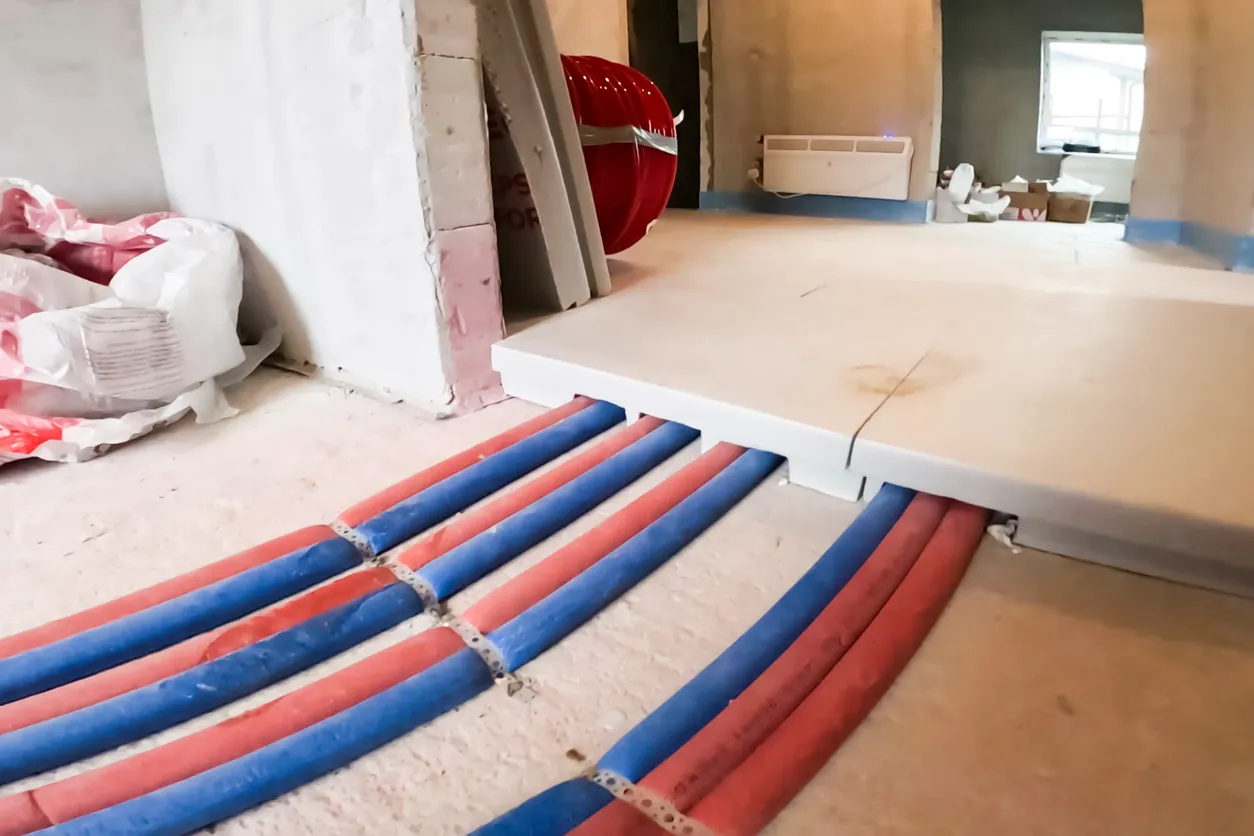
Once the design is finalized and permits are secured, the physical work begins. Heavy machinery is brought in to dig trenches or drill boreholes. The piping is inserted and fused thermally to create a sealed, leak-proof circuit. This is the most labor-intensive phase of the project and involves significant earthmoving.
Manifold Connection and flushing
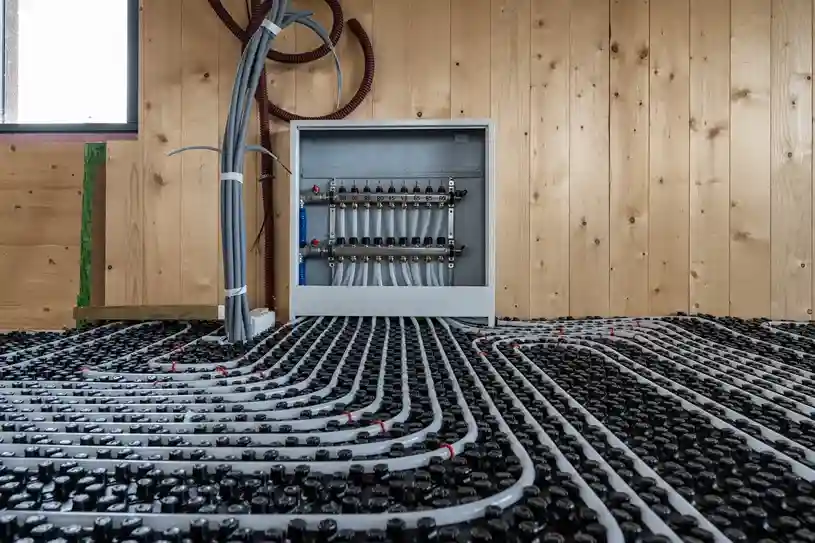
The exterior loops are connected to a manifold system, which brings the fluid into the foundation of the home. The entire loop system is then pressure-tested and flushed to remove any debris or air pockets. This step is critical to ensure efficient heat transfer and pump longevity.
Indoor Unit Installation
Finally, the indoor heat pump unit is installed and connected to your existing ductwork and electrical system. If your home uses radiant floor heating, the system is integrated with the hydronic piping. Technicians configure the thermostat, test the airflow, and verify that the system is entering the correct stages of heating and cooling.
When to Switch: Repair vs. Replace with Geothermal
Homeowners often face the dilemma of whether to repair an aging conventional system or invest in a geothermal upgrade. While repairs are cheaper in the short term, they often delay the inevitable need for replacement and lock you into higher monthly utility rates.
Consider switching to geothermal if your current HVAC system is over 15 years old. Conventional air-source heat pumps and furnaces lose efficiency as they age. If you are facing a major repair, such as a failed compressor or a cracked heat exchanger, the cost of that repair might be better utilized as a down payment on a geothermal system that will pay you back in savings.
Future home ownership plans are a major factor. If you plan to stay in your home for five years or more, the return on investment (ROI) becomes highly attractive. The monthly savings on electric bills can sometimes offset the monthly cost of financing the system, resulting in immediate positive cash flow. Furthermore, a geothermal system adds value to the home, making it an attractive asset if you eventually decide to sell.
Noise and comfort issues are also valid reasons to switch. Traditional air conditioners require noisy outdoor condenser units that can disrupt outdoor living spaces. Geothermal systems have no outdoor equipment, preserving the quiet of your yard. Inside, the air delivered by geothermal units is typically more moderate and consistent compared to the hot blasts of air associated with gas furnaces, eliminating hot and cold spots in the house.
Local Installation Factors: Soil, Climate, and Codes
The humid subtropical climate in this region makes geothermal an exceptionally smart choice. While air temperatures can swing from freezing in the winter to nearly 100 degrees in the summer, the ground temperature remains relatively constant. This allows the system to operate at peak efficiency even during the hottest, most humid days when air-source units struggle to shed heat.
Soil Conductivity
The soil conditions in Hampstead generally support efficient heat transfer. The local water table can also be advantageous; moisture in the soil helps conduct thermal energy better than dry sand or rock. During the site assessment, specific attention is paid to the soil type to determine the total length of pipe required for the loop field.
Permitting and Regulations
Geothermal installations involve excavation and potential interaction with groundwater, so they are subject to specific building codes and environmental regulations. Proper permitting is required before any drilling or trenching begins. This ensures that the loop system does not interfere with septic fields, utility lines, or local aquifers. Navigating these local codes is part of the professional installation service.
Seasonality and Timing
While installation can happen year-round, planning around severe weather is necessary. The excavation phase requires dry conditions to prevent mud and runoff issues. Scheduling installations during the milder spring or autumn months often minimizes disruption to the landscape and ensures the system is ready before the peak demands of summer cooling or winter heating.
Long-Term Reliability and System Longevity
One of the most compelling arguments for geothermal is the durability of the equipment. Because the critical heat exchange components are buried underground or located indoors, they are not subjected to the wear and tear of the elements. There is no outdoor coil to become clogged with leaves, corroded by salt air, or damaged by storms.
Maintenance requirements are generally lower than conventional systems. Airtech Mechanical Service Inc. recommends periodic checks to ensure the loop pressure is correct and the indoor filter is clean, but the heavy mechanical stress that kills traditional compressors is largely absent. This reliability is particularly valuable in coastal areas where salt corrosion can destroy standard outdoor A/C units in less than a decade.
The loop field itself effectively becomes a permanent utility for the property. Even if the indoor heat pump unit needs to be replaced after 20 or 25 years, the underground infrastructure remains in place and ready for the new unit. This generational longevity changes the math on home heating, treating it more like a home improvement than a simple appliance purchase.
Call Now
Choosing the right partner for this project is just as important as the technology itself. Geothermal systems are complex engineering projects that require strict adherence to design protocols. Improper sizing of the loop field or poor grout sealing in boreholes can lead to inefficient operation or environmental hazards.
Professional installers handle every aspect of the transition. This includes calculating the precise thermal load of the structure, navigating the tax credit paperwork to ensure you receive your 30% incentive, and managing the landscape restoration after excavation. The goal is to provide a turnkey solution that upgrades your home’s energy profile without leaving you to manage subcontractors or permitting offices.
By securing a professional installation, you are insulating yourself against future energy rate hikes. As electricity and fuel prices rise, the savings generated by a high-efficiency geothermal system only increase. It is a hedge against inflation that delivers superior comfort from day one.
If you are ready to stop renting your energy from the utility company and start owning your own efficient power source, the time to act is now.
Secure your home's energy future today. Contact us to discuss your geothermal options.
Other Services