

AC Service in Pamlico, NC
Need urgent AC repair in Pamlico or considering an upgrade? Trust Airtech Mechanical Service Inc. for reliable, efficient air conditioning solutions. Schedule your service today!
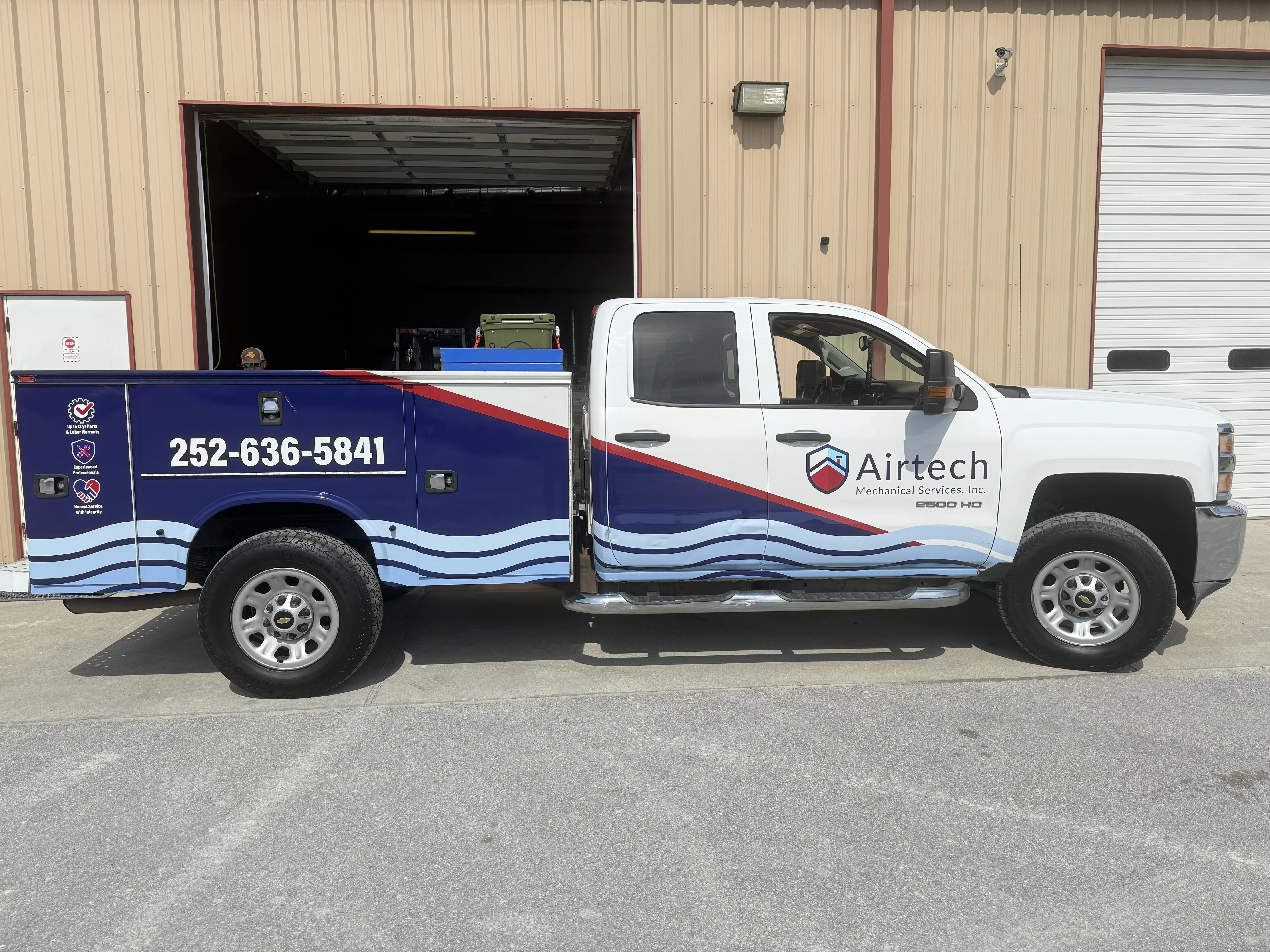
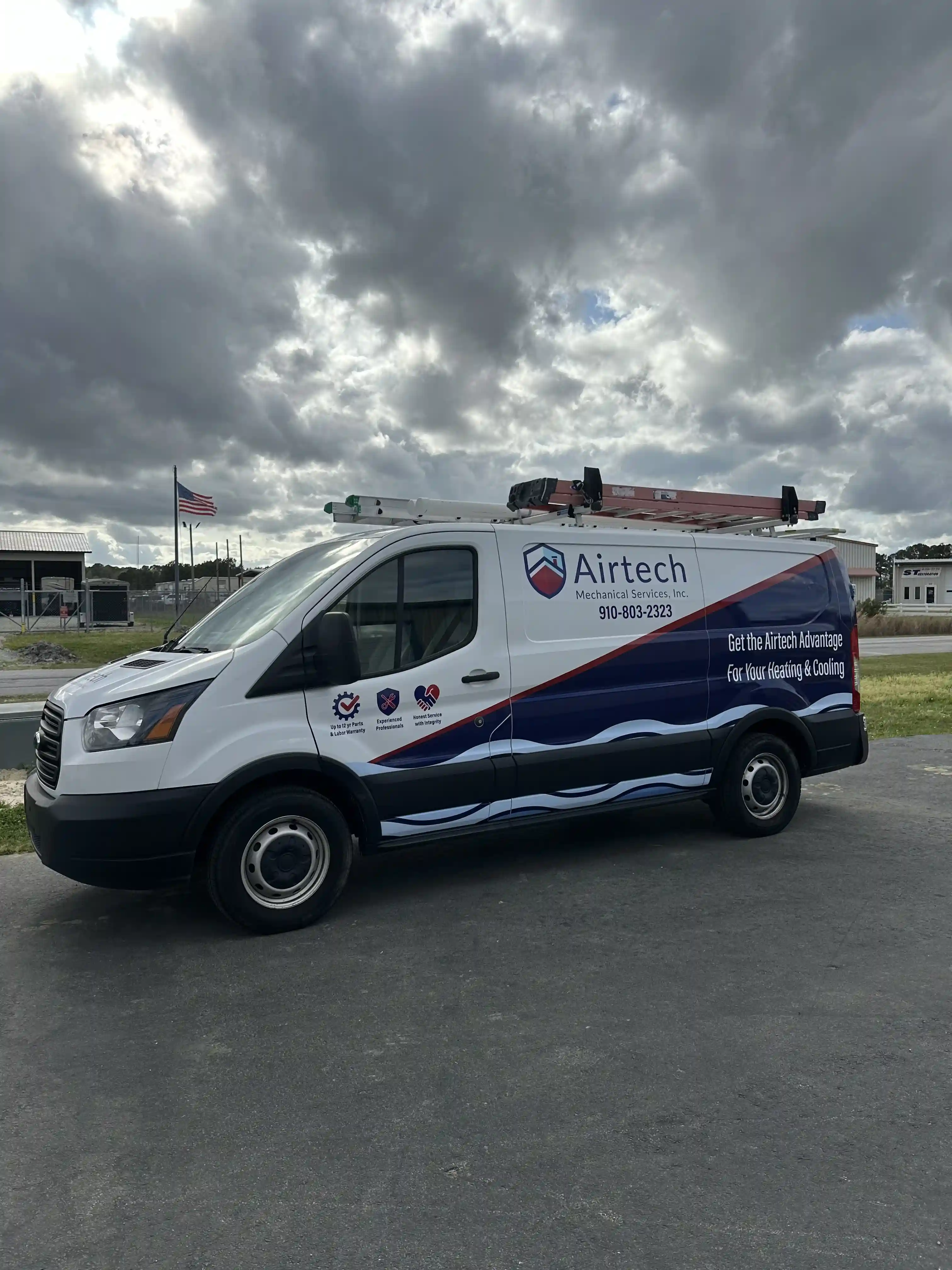
Restore Your Indoor Comfort Immediately
A malfunctioning cooling system in the peak of a Pamlico summer creates an urgent safety and comfort issue for your household. Schedule your service now to minimize downtime and prevent further system damage. Airtech Mechanical Service Inc. deploys qualified technicians ready to provide rapid, reliable solutions to restore your environment.
- Rapid same-day service to get your AC up and running swiftly.
- 24/7 emergency repairs ensure your comfort at any time.
- High customer satisfaction rates with trusted, experienced technicians.
All services are compliant with local codes, ensuring peace of mind through extended warranties and flexible financing options.
Comprehensive Air Conditioning Services for Every Need
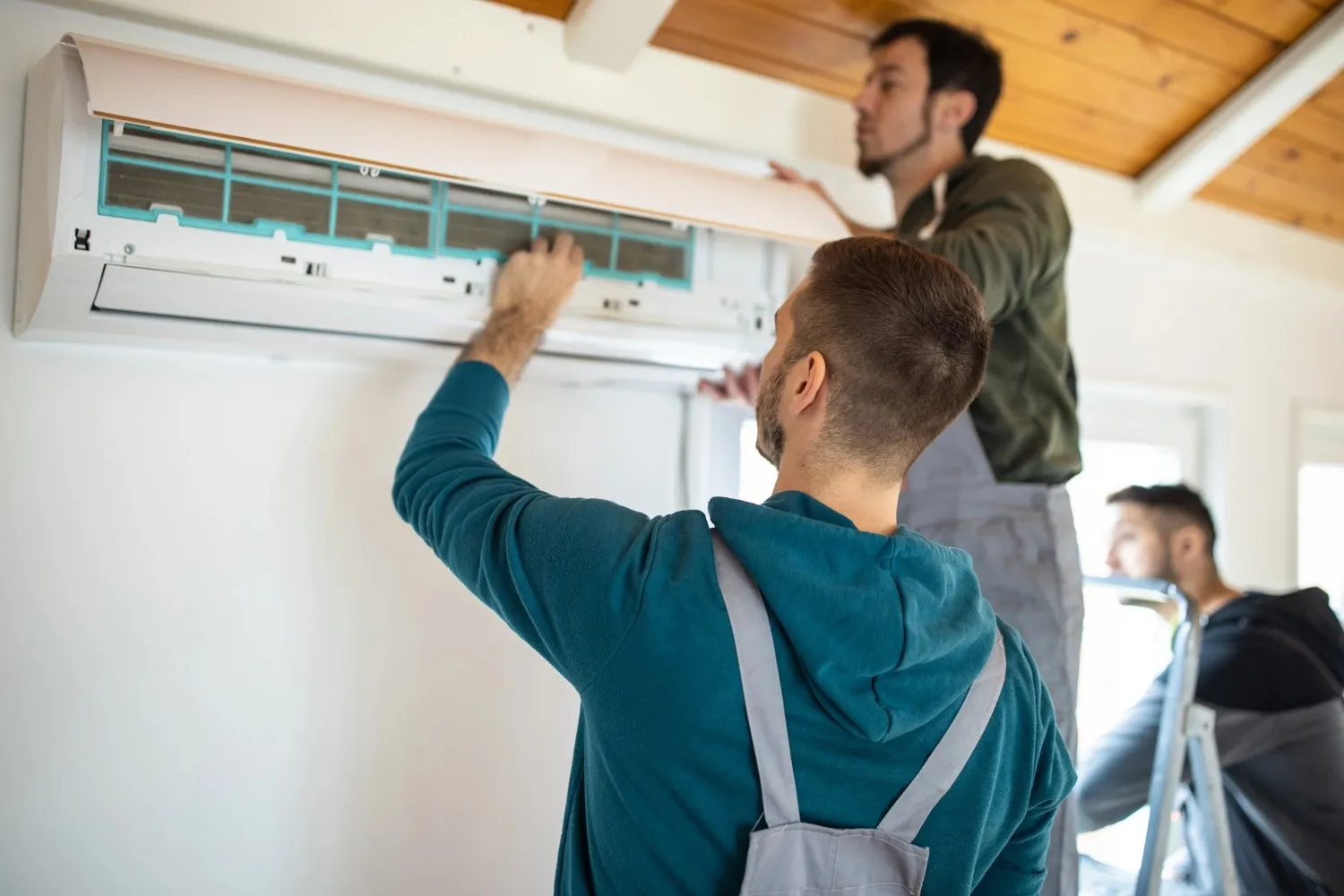
When an air conditioning system fails in Pamlico, the immediate priority is identifying the root cause of the breakdown. Modern cooling systems are complex machines that rely on the perfect synchronization of electrical components, airflow, and refrigerant pressures. Professional service goes beyond a quick fix; it involves a systematic approach to diagnostics that ensures the longevity of the repair and the efficiency of the unit moving forward.
Upon arrival, a technician conducts a thorough evaluation of the entire HVAC system. This includes inspecting the thermostat for communication errors, checking the electrical disconnect for safety, and analyzing the air filter status, which often dictates airflow quality. The diagnostic phase is critical because a symptom, such as warm air blowing from vents, can be caused by multiple issues ranging from a refrigerant leak to a seized compressor or a failed capacitor.
Maintenance and repair services generally cover the following critical areas:
- Refrigerant Level and Pressure Checks: Low refrigerant levels indicate a leak that must be repaired before recharging. Technicians measure superheat and subcooling to ensure the charge is exact according to manufacturer specifications.
- Electrical Component Testing: Capacitors, contactors, and relays are tested for proper voltage and amperage. Loose connections are tightened to prevent overheating and electrical fires.
- Condensate Drain Cleaning: In humid climates, the condensate line can become clogged with algae or debris, leading to water damage. Clearing this line and checking the safety float switch is a standard part of the service.
- Coil Cleaning and Inspection: Dirty evaporator or condenser coils significantly reduce the system's ability to transfer heat. Cleaning these coils restores efficiency and prevents the compressor from working harder than necessary.
- Airflow Analysis: Technicians check for ductwork leaks, blockages, or collapsed sections that could be restricting air movement and causing uneven cooling throughout the property.
The Air Conditioner Installation and Replacement Process
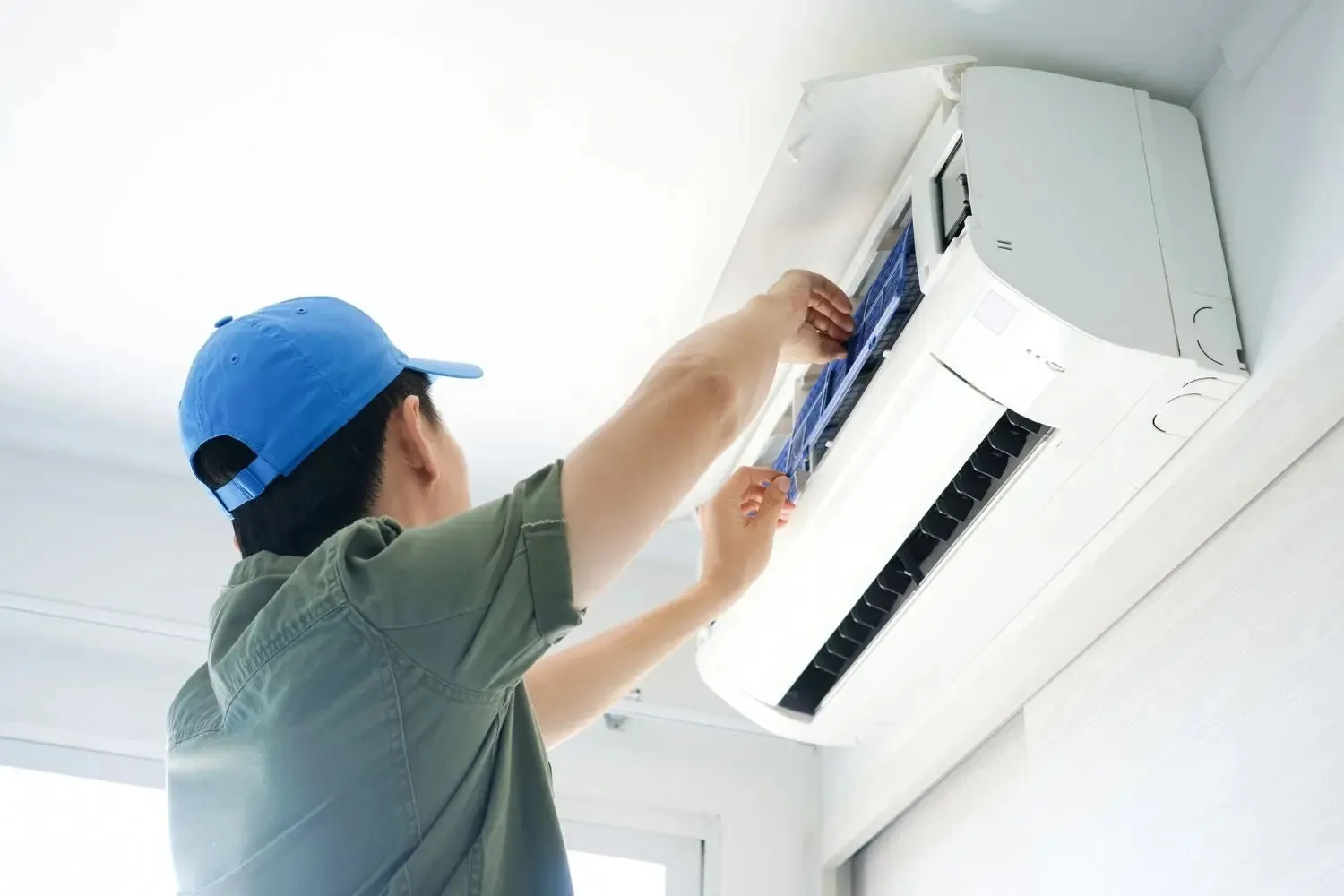
There comes a point where a system is beyond the scope of a cost-effective repair, or a homeowner chooses to upgrade for better energy efficiency. The installation process is a precise operation that determines the performance of the unit for its entire lifespan. An improper installation can reduce efficiency by up to 30%, regardless of the unit's SEER2 rating.
The process follows a strict protocol to ensure optimal performance:
- First, a technician performs a load calculation based on the specific dimensions, insulation levels, and window orientation of the home. This step is non-negotiable, as an oversized unit will short-cycle and fail to dehumidify the air, while an undersized unit will run continuously without reaching the set temperature.
- Next, the existing equipment is safely disconnected and removed. This involves recovering any remaining refrigerant into approved cylinders to prevent environmental contamination and disconnecting electrical and gas lines where applicable.
- Following removal, the installation site is prepared. For outdoor units, this means ensuring a level, stable pad that provides adequate clearance for airflow and service access. For indoor air handlers, the plenum and duct connections are inspected and modified if necessary to fit the new equipment.
- The new unit is then positioned, and the refrigerant lines are brazed using nitrogen purging to prevent oxidation inside the copper tubing. This is a critical step for the long-term health of the compressor.
- A vacuum pump is used to evacuate the system to 500 microns or below, removing all moisture and non-condensables from the lines.
- Finally, the system is charged with refrigerant, and a complete startup sequence is initiated. This includes checking static pressure, measuring temperature splits, and verifying that the thermostat controls the system correctly across all stages of cooling.
Deciding Between Air Conditioner Repair and Replacement
Homeowners often face the difficult decision of whether to invest in another repair or to replace the system entirely. Making the right choice depends on a combination of financial logic and technical reality. While a repair offers a lower upfront cost, it may be a temporary solution for an aging system that will continue to incur expenses.
Consider the following factors when evaluating the condition of your cooling system:
- The Age of the Unit: Most air conditioners have a lifespan of 10 to 15 years. If the unit is approaching or exceeding this age range, major components like the compressor or heat exchanger are at higher risk of failure.
- Frequency of Breakdowns: If the system has required multiple repairs in the last two years, or if the cost of the current repair approaches 50% of the value of a new system, replacement is generally the more improved financial decision.
- Refrigerant Type: Older systems utilizing R-22 refrigerant are becoming increasingly expensive to service due to phase-out regulations. Upgrading to a system that uses R-410A or newer, low-GWP refrigerants ensures easier serviceability and compliance with environmental standards.
- Energy Efficiency: Modern units with higher SEER2 ratings consume significantly less electricity. Comparing utility bills from previous years can highlight inefficiencies in the current system. A new unit can often pay for itself over time through monthly energy savings.
- Comfort Issues: If the current system results in hot spots, high humidity levels, or excessive noise, these are signs that the unit is no longer capable of meeting the demands of the home.
Local Considerations for Pamlico Homeowners
Operating an air conditioning system in Pamlico requires attention to specific regional factors that do not affect other parts of the country. The coastal environment introduces salt spray and high humidity, both of which accelerate wear and tear on HVAC equipment.
Airtech Mechanical Service Inc. understands that standard service protocols must be adapted to meet these local challenges. The primary concern in this region is the corrosive nature of the salt air. Over time, salt accumulation on the aluminum fins of the condenser coil can lead to rapid corrosion and disintegration. This reduces the unit's ability to release heat and eventually causes refrigerant leaks.
Local homeowners should be aware of these specific requirements:
- Enhanced Dehumidification: The high latent heat load in the region means that an AC unit must be excellent at removing moisture, not just lowering temperature. Variable-speed air handlers and two-stage compressors are often recommended to run longer cycles at lower speeds, pulling more humidity out of the air.
- Corrosion Protection: For homes near the water, applying a specialized coating to the coils or selecting units built with coastal packages can significantly extend the lifespan of the equipment.
- Hurricane Preparedness: During the Atlantic hurricane season, outdoor units are vulnerable to high winds and flying debris. Local codes often require that condensers be mounted on elevated stands and secured with hurricane straps to concrete pads to prevent them from shifting or tipping over during a storm.
- Flood Elevation: In low-lying areas, placing the outdoor unit on a stand or platform above the base flood elevation is crucial to prevent water damage to the electrical components and compressor.
Understanding the Importance of Professional Diagnostics
When a cooling system malfunctions, the symptoms are often misleading to the untrained eye. A unit that is freezing up might look like it needs refrigerant, but the actual cause could be a dirty blower wheel or a collapsed return duct. Professional diagnostics eliminate the guesswork that leads to unnecessary parts replacement and recurring issues.
Technicians utilize advanced tools such as digital manifolds, anemometers, and thermal imaging cameras to see exactly what is happening inside the system.
- Precision vs. Guesswork: A professional technician does not guess. They measure superheat to determine liquid line temperature and subcooling for the suction line. They check the microfarads on capacitors and the resistance on compressor windings. This data-driven approach ensures the repair addresses the root cause.
- Safety Protocols: HVAC systems involve high-voltage electricity and high-pressure gases. Attempting DIY repairs or hiring unqualified labor poses significant safety risks, including electrical shock or system rupture.
- Warranty Preservation: Most equipment manufacturers require proof of professional maintenance and repair to honor parts warranties. Unauthorized repairs can void these warranties, leaving the homeowner responsible for the full cost of future failures.
Maximizing System Longevity Through Maintenance
The most effective way to avoid emergency breakdowns is through consistent, proactive maintenance. In a climate where the AC runs for the majority of the year, wear and tear accumulates faster than in moderate zones. A neglected system loses approximately 5% of its efficiency for every year of operation, leading to higher bills and a shorter lifespan.
A comprehensive maintenance plan typically includes:
- Lubrication of Moving Parts: Friction in motors increases the amount of electricity required to operate and generates excess heat. Proper lubrication keeps fans and blowers running smoothly.
- Thermostat Calibration: Ensuring the thermostat reads the temperature accurately prevents the system from running longer than necessary or failing to satisfy the cooling demand.
- Electrical Connection Tightening: Vibrations from normal operation can loosen electrical connections over time. Tightening these connections prevents voltage drops and component failure.
- Condenser Coil Cleaning: Removing dirt, grass clippings, and leaves from the outdoor unit ensures maximum airflow and heat rejection.
By addressing these minor issues before they become major problems, homeowners can ensure their cooling systems remain reliable throughout the hottest months of the year.
Secure Your Comfort and System Efficiency
Maintaining a functional and efficient air conditioning system is essential for navigating the humid climate of the region. Whether the situation calls for an urgent repair, a routine inspection, or a complete system replacement, relying on professional expertise ensures the job is done correctly and safely.
Airtech Mechanical Service Inc. is dedicated to providing high-quality service that prioritizes technical accuracy and long-term reliability. Don't let a cooling failure disrupt your life or compromise your home's safety.
Take control of your indoor climate today by scheduling your professional AC service.
Other Services