

AC Service in Hampstead, NC
Experiencing AC trouble in Hampstead? Contact Airtech Mechanical Service Inc. for immediate and professional repair services. Secure your comfort today!
Is Your Cooling System Failing During the Peak of Summer?
In the sweltering heat and heavy humidity typical of Hampstead’s summer months, a malfunctioning air conditioner transforms your home from a sanctuary into a stifling environment within hours. When your system stops cooling effectively, you need an immediate solution rather than a sales pitch, contact us to restore your comfort today. Airtech Mechanical Service Inc. understands that cooling issues are not just inconvenient but can pose health risks and potential property damage due to unchecked humidity.
- Rapid Diagnostic Response: We prioritize service appointments to identify the root cause of the failure immediately.
- Certified Technical Expertise: Our technicians are trained to handle complex mechanical and electrical failures across all major brands.
- Guaranteed Workmanship: We stand behind our repairs with comprehensive warranties to prevent recurring issues.
All services are backed by a robust warranty and performed by certified experts who understand the nuances of local climate demands.
Comprehensive Diagnostics and Immediate Repair Solutions
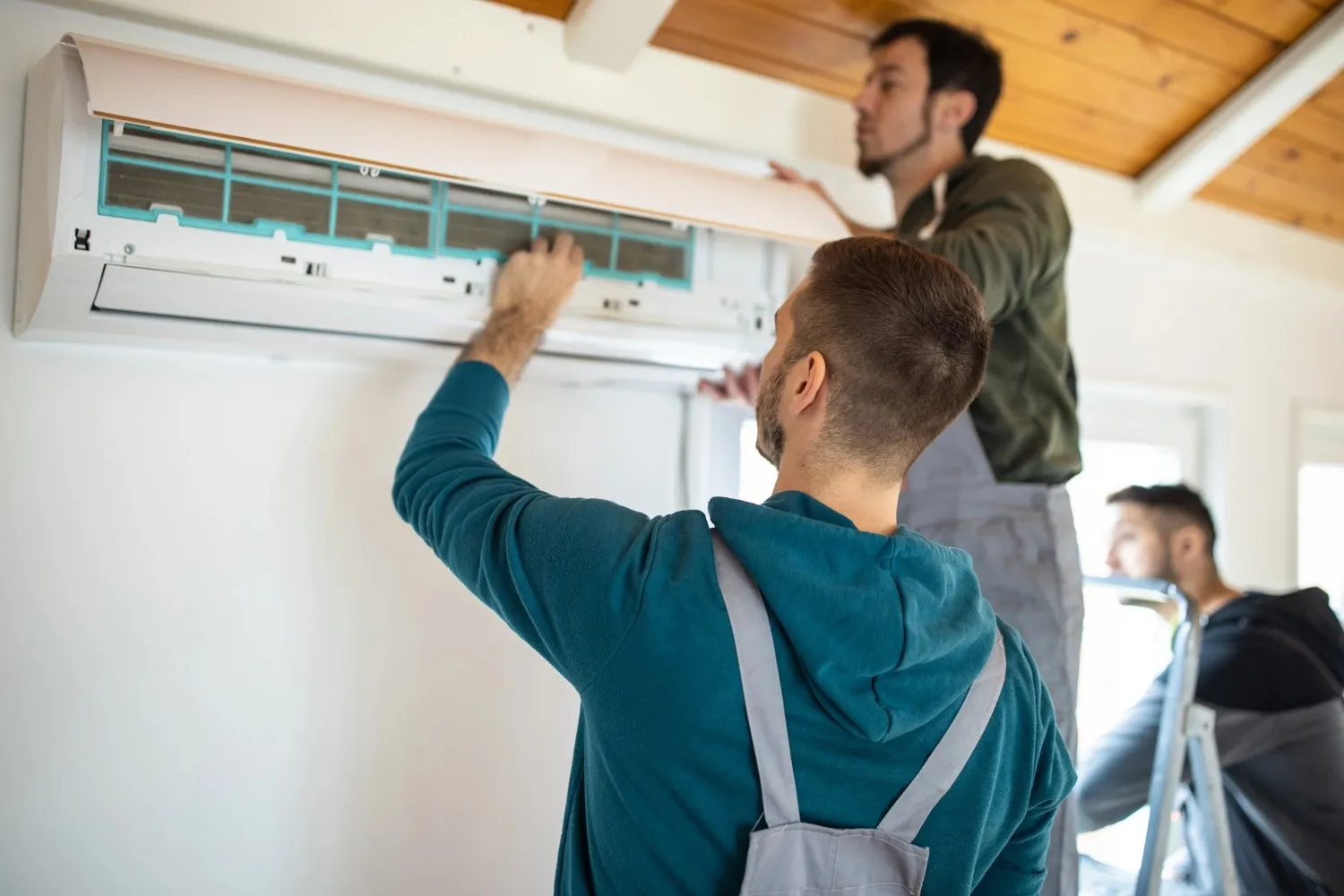
When you request professional AC service, the objective is to move beyond temporary fixes and address the underlying mechanical inefficiencies. A cooling system is a complex balance of airflow, refrigerant pressures, and electrical voltage. When one component falters, it places excessive strain on the rest of the system, leading to higher energy bills and catastrophic failure.
Detailed System Analysis
A professional service visit begins with a systematic analysis of the unit’s performance. This is not a cursory glance; it is a deep dive into the metrics that determine efficiency. Technicians utilize advanced gauges and testing equipment to measure superheat and subcooling levels, which indicate exactly how the refrigerant is changing states within the coils. This data reveals whether the system is leaking, overcharged, or suffering from a restriction.
The electrical components are tested next. Capacitors, contactors, and relays are subjected to multimeter testing to ensure they are within the manufacturer’s specified microfarad ratings. A weak capacitor is often the silent culprit behind a compressor failure, as it forces the motor to draw locked-rotor amps to start, generating damaging heat.
Airflow and Static Pressure Testing
Restoring cold air requires more than just a running compressor; it requires proper airflow. Service includes checking static pressure across the blower motor and the ductwork. If the static pressure is too high, the blower motor works harder than designed, reducing its lifespan. Technicians verify that the evaporator coil is free of debris. In humid climates, a dirty evaporator coil can freeze over, blocking airflow completely and potentially cracking the heat exchanger or damaging the compressor due to liquid slugging.
Condensate Management
One of the most critical aspects of AC service in high-humidity regions is managing condensate. As your air conditioner removes heat, it also removes moisture. This moisture collects in a drain pan and flows out through a condensate line. Over time, algae and biological growth can form blockages in these lines. Professional service includes flushing these lines and treating the pan to prevent overflows that could damage your ceilings, floors, or drywall.
The Restoration Process: How We Return Your Home to Comfort
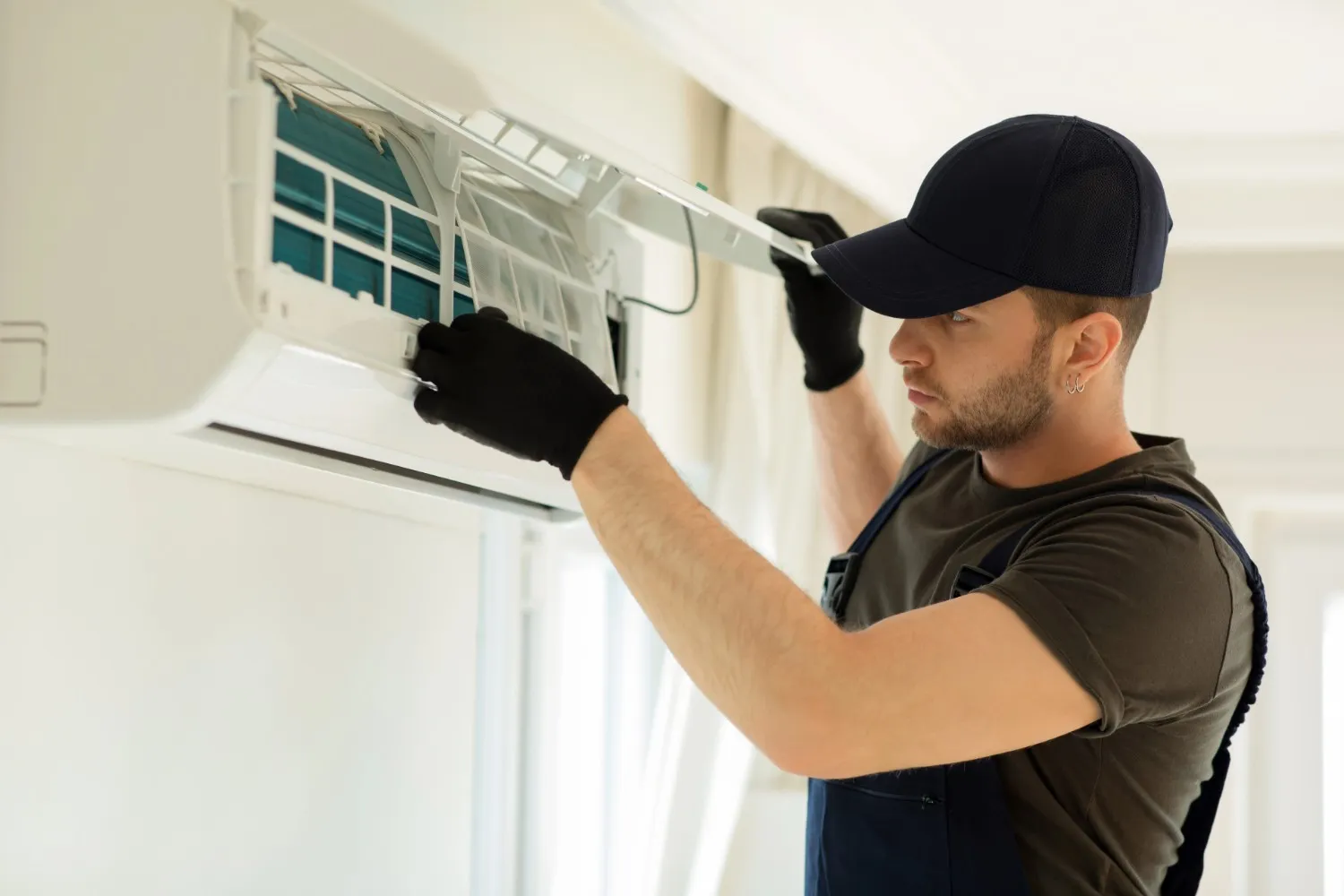
Understanding the workflow of a professional service call helps homeowners prepare for the visit and understand what is happening with their equipment. The process is designed to be transparent, efficient, and conclusive.
- Initial Assessment and Safety Check: Upon arrival, the technician performs a safety inspection to ensure there are no electrical hazards or refrigerant leaks that pose an immediate danger. The thermostat is tested to verify communication with the control board.
- Fault Isolation: Using the diagnostic data collected, the technician isolates the specific point of failure. Whether it is a seized fan motor, a burnt-out compressor, or a low-voltage short, the problem is pinpointed with accuracy.
- Clear Explanation and Approval: Before any wrench is turned for a repair, you receive a detailed explanation of the issue, the required parts, and the labor involved. You approve the scope of work before proceeding.
- Execution of Repair: The technician performs the necessary repairs using OEM or high-quality aftermarket parts that meet or exceed the original specifications. This may involve brazing copper lines, replacing electrical components, or adjusting blower speeds.
- System Verification: After the repair, the system is not just turned on; it is stress-tested. The technician monitors the system through a full cooling cycle to ensure temperatures drop significantly and the unit cycles off appropriately.
- Final Walkthrough: The technician reviews the work performed with you, explains any warranty details, and provides advice on filter maintenance to prolong the repair.
Repair vs. Replacement: Making the Right Financial Decision
Homeowners often face the difficult decision of whether to pour money into an aging unit or invest in a new system. This decision should be based on data and financial logic, not guesswork.
The 5,000 Rule
A common industry standard used to gauge the viability of a repair is the "5,000 Rule." Multiply the age of your equipment by the estimated cost of the repair. If the total exceeds $5,000, replacement is generally the more fastidious financial choice. For example, if you have a 12-year-old unit and the repair is $500, the score is 6,000. In this scenario, the money spent on repair is likely a stopgap measure for a system near the end of its life.
Energy Efficiency and SEER Ratings
Older units often operate at 10 or 12 SEER (Seasonal Energy Efficiency Ratio). Modern standards require a minimum of 14 or 15 SEER in southern regions, with high-efficiency units reaching well over 20 SEER. Upgrading from a 10 SEER unit to a 16 SEER system can reduce cooling costs by nearly 40%. If your current system requires a major component replacement, such as a compressor, the cost of the repair combined with the higher monthly utility bills of the old unit often makes replacement the clearer path to ROI , see financing options.
Refrigerant Availability
If your system utilizes R-22 (Freon), it is important to note that this refrigerant is no longer produced or imported. Supplies are limited to reclaimed stock, driving the price per pound astronomically high. A leak in an R-22 system is a strong indicator that it is time to upgrade to a system that uses R-410A or newer, more environmentally friendly refrigerants.
Airtech Mechanical Service Inc. provides honest assessments regarding the lifespan of your unit, helping you weigh the immediate cost of repair against the long-term savings of replacement.
Local Factors Affecting Cooling Performance
Operating an air conditioning system in a coastal environment presents unique challenges that generic service protocols might miss. The local geography and climate heavily influence how systems degrade and what maintenance is prioritized.
Corrosion from Salt Air
For homes located near the water, salt spray is a relentless enemy of outdoor condenser units. The combination of salt and moisture accelerates the corrosion of aluminum fins and copper tubing. This galvanic corrosion reduces the unit's ability to transfer heat effectively, causing it to run longer to achieve the same cooling effect. Service in this area often involves inspecting the integrity of the coils and recommending protective coatings or rinsing protocols to extend the equipment's life.
Managing Extreme Humidity
The primary function of an AC unit in this region is dehumidification. The "sensible" heat (temperature) is often easier to manage than the "latent" heat (humidity). If a system is short-cycling—turning on and off too frequently—it cools the air but fails to remove moisture. This leaves the home feeling clammy and promotes mold growth. Proper sizing and blower speed adjustments are critical to ensuring the unit runs long enough to pull moisture out of the air.
Hurricane Season Preparedness
Late summer brings the threat of hurricanes and tropical storms. Part of maintaining a local system involves ensuring the outdoor unit is securely anchored to its hurricane pad. Technicians check the tie-downs and the stability of the unit to prevent it from shifting or tipping during high winds. Additionally, clearing debris from around the unit before a storm ensures that airflow remains unobstructed once power is restored.
Electrical Grid Fluctuations
Summer storms frequently cause power surges or brownouts. These fluctuations can damage sensitive control boards and compressor windings. Installing or checking the functionality of a whole-home surge protector or a dedicated compressor saver is a prudent step for local homeowners to protect their investment against grid instability.
Differentiators: Technical Proficiency Over Generic Fixes
When selecting a service provider, the difference lies in technical proficiency and adherence to code. Many issues arise not from equipment failure, but from improper installation or previous "band-aid" repairs.
- Load Calculation Compliance: Professional service ensures that the equipment installed matches the specific heat load of the structure. Guessing leads to oversizing (humidity issues) or undersizing (constant running).
- Ductwork Integrity: A high-performance AC unit cannot compensate for leaky ductwork. Technicians inspect the distribution system to ensure that the conditioned air you are paying for actually reaches the living spaces, rather than leaking into the attic or crawlspace.
- Code and Permit Adherence: Major repairs and replacements often require local permits to ensure safety and compliance with municipal codes. A reputable provider handles the logistical burden of permitting, ensuring that the work passes inspection and adds value to the home.
- Refrigerant Handling Certification: Handling refrigerant requires EPA Section 608 certification. Venting refrigerant is illegal and harmful. Professional technicians recover, recycle, and reclaim refrigerant according to strict federal guidelines, protecting both the environment and the homeowner from liability.
Call Now
Effective air conditioning service is about extending the lifecycle of your capital equipment while maximizing comfort. It requires a detailed understanding of thermodynamics, electrical circuits, and local environmental stressors. By addressing small issues before they cascade into major failures, you protect your home’s value and your family’s comfort.
For reliable, expert diagnostics and repair that gets your system back online quickly, choose a partner dedicated to technical excellence. Airtech Mechanical Service Inc. is ready to restore your cool.
Secure your comfort and schedule your service appointment today.
Other Services